Pharyngeal surgery is a medical procedure that is becoming increasingly popular worldwide, thanks to the rapid advancement of modern surgical techniques, improved diagnostic methods, and enhanced post‑operative care. Leading international hospitals now rely on innovations such as laser and robotic surgery to reduce complications and accelerate recovery.
In Turkey, a prominent regional medical hub, pharyngeal surgery has experienced remarkable progress in recent years. The country has also become a preferred destination for many international patients, offering comprehensive healthcare services that combine high quality with competitive pricing. With this growth and development, it is essential to understand the indications, types, and potential risks of pharyngeal surgery, as well as the recovery steps required to achieve optimal outcomes.
What is the pharynx, and what is its importance?
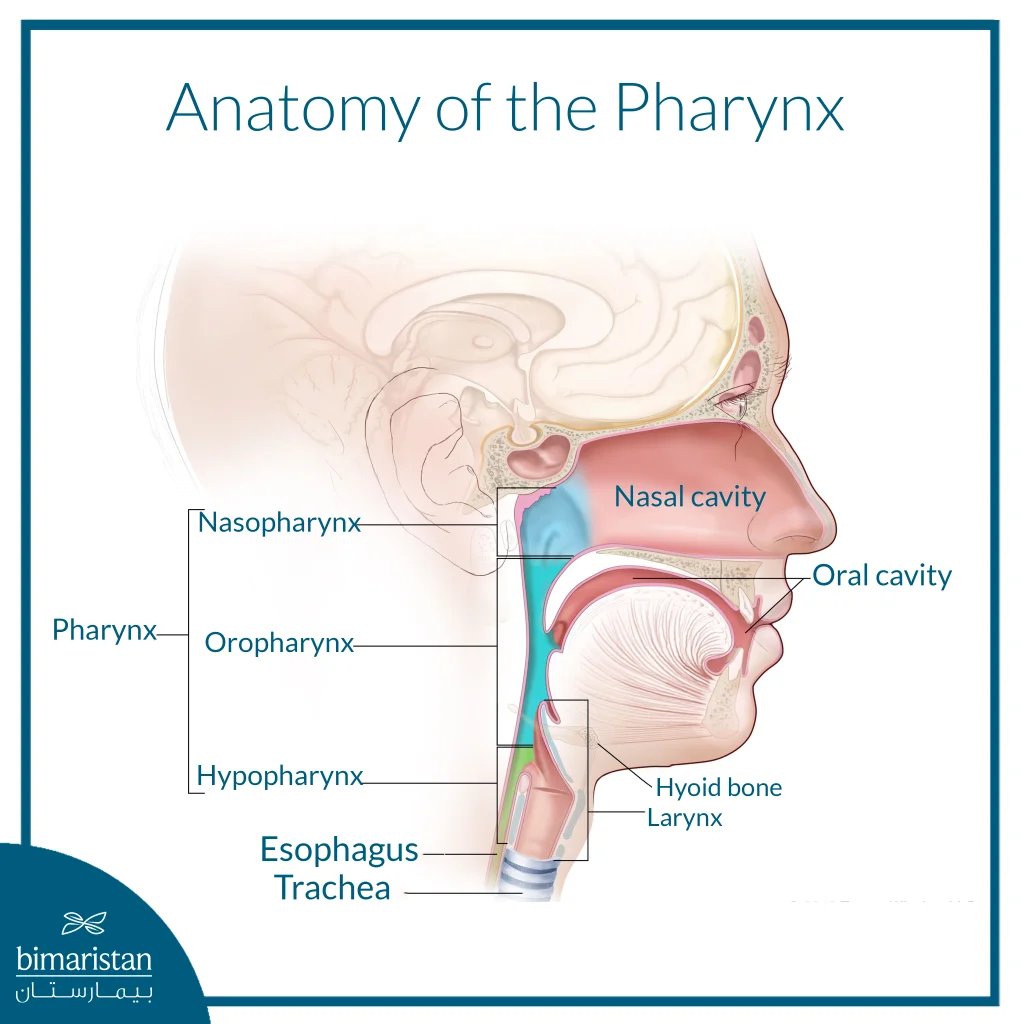
The pharynx is an important part of the respiratory and digestive system, located behind the nose and mouth and extending into the throat. The pharynx plays a pivotal role in passing air from the nose and mouth to the throat and lungs, and passing food and liquids into the esophagus, making it essential for daily life and overall body health. The pharynx is a long, muscular tube that runs from the base of the skull to the larynx. It can be divided into three parts:
- Nasopharynx: Located behind the nose and passes air to the larynx.
- Oropharynx: Located at the back of the mouth, it plays an important role in swallowing and speaking.
- Laryngopharynx: Connects the pharynx to the esophagus and serves as a pathway for food and fluids.
Common pharyngeal problems that may require surgical intervention
Many health conditions that may affect the pharynx require surgical intervention, particularly when they impair breathing, swallowing, sleep, or overall health. The need for surgery is determined by an ENT specialist after careful evaluation, clinical examination, and ancillary tests. Some of the most common conditions that require pharyngeal surgery include:
- Enlarged tonsils or adenoids: This can lead to airway obstruction, difficulty breathing or snoring, and sleep apnea.
- Chronic respiratory obstruction: Caused by congenital abnormalities or the presence of benign or malignant tumors inside the pharynx that affect the passage of air.
- Chronic infections or recurrent pharyngeal infections: Those that do not respond to medical treatment and negatively affect the patient’s quality of life.
- Tumors in the pharynx: Whether benign or malignant, they may require surgical removal to protect vital functions and prevent spread or complications.
- Problems with swallowing or speech: These issues arise from pharyngeal abnormalities or injuries that necessitate surgical correction to improve function.
Pharyngeal surgery in these cases aims to improve breathing, facilitate swallowing, protect the respiratory and digestive systems, and minimize the risk of future health complications, thereby improving the patient’s daily life and comfort.
Expected benefits of pharyngeal surgery
Pharyngeal surgery can offer numerous health benefits and improve quality of life, including:
- Improve the ability to swallow and speak normally
- Eliminate chronic infections and minimize the recurrence of inflammation
- Improve breathing and reduce snoring or sleep apnea
- Removing tumors or abnormal growths, thereby preventing serious complications
- Enhance overall quality of life and minimize daily discomfort from pharyngeal issues
Types of pharyngeal surgery
Types of pharyngeal surgery vary depending on the patient’s condition and the reason for medical intervention. The physician selects the most appropriate type based on the diagnosis, age, severity of the condition, and available techniques. Several common types include conventional, laser, and robotic surgery.
Conventional pharyngeal surgery
Conventional pharyngeal surgery is the classic way to remove polyps, tonsils, or tumors in the pharynx. It is performed using conventional surgical instruments under general or local anesthesia. Conventional surgery is suitable for most medical conditions, costs less than some modern techniques, and doesn’t require an expert with as much experience as robotic surgery. However, the recovery period in conventional surgery is longer, and the possibility of bleeding or pain after the operation is higher compared to modern techniques.
Laser pharyngeal surgery
This method uses laser beams to remove affected tissue or growths with high precision. Laser surgery is characterized by high precision and does not cause significant damage to the surrounding tissues. The possibility of bleeding during surgery is low, and there is a faster recovery time and less pain after the procedure. However, it is more expensive than conventional surgery and requires specialized equipment and the physician’s expertise in laser use.
Robotic pharyngeal surgery
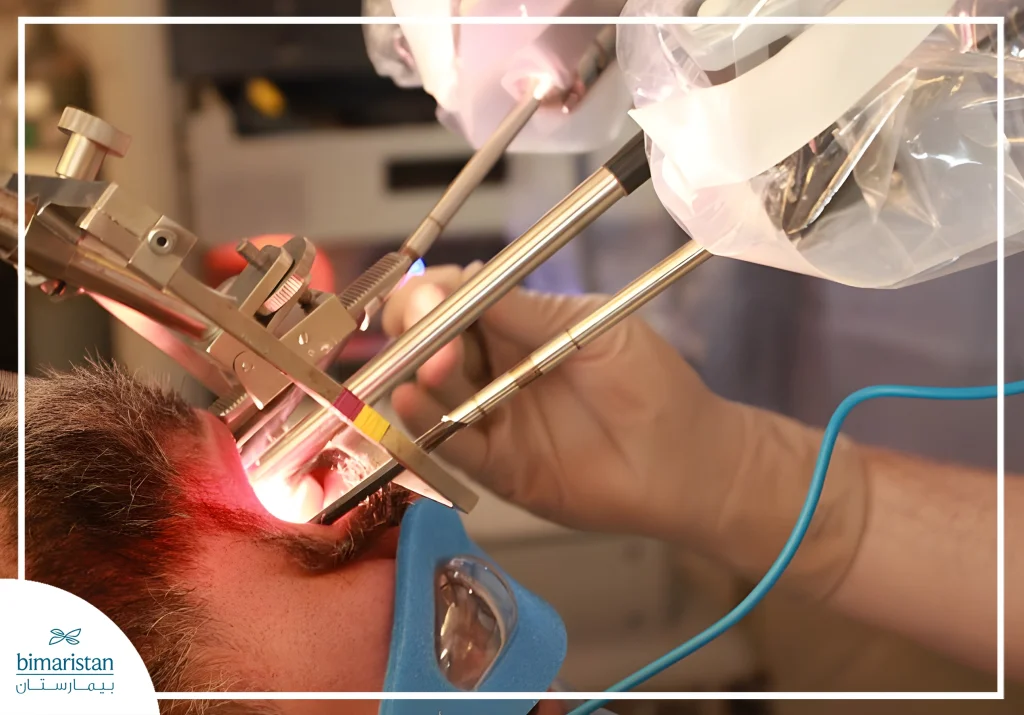
Robotic surgery is a recent technique in pharyngeal surgery, in which a surgeon uses micro-robots to perform the procedure with tiny instruments, enabling high precision and minimizing direct surgical intervention. Robotic surgery is characterized by high precision, low surgical risk, minimal blood loss, reduced postoperative pain, and a shorter recovery period compared with conventional methods. However, it is expensive and is limited in availability at some hospitals and medical centers.
Pharyngeal surgery steps
Pharyngeal surgery is a delicate procedure that requires meticulous preparation, careful intraoperative monitoring, and meticulous postoperative care to ensure procedural success and patient safety.
Preparations and examinations
Before undergoing pharyngeal surgery, the doctor makes a series of preparations to ensure the patient’s safety and the success of the procedure, including:
- Complete clinical examination: To assess the condition and function of the pharynx and examine the ear, nose, and throat.
- Laboratory tests: Blood tests and liver and kidney function tests to ensure the safety of anesthesia.
- Pharyngography: Using X-rays or CT scans to pinpoint the exact location of the issue.
- Anesthesia consultation: To assess the general health status and ensure the appropriateness of anesthesia for the patient.
- Pre-operative guidelines: For example, fasting before surgery and stopping certain medications as recommended by your doctor.
During operation
- The patient is admitted to the operating room, and the appropriate anesthesia (general or local) is applied
- The surgeon begins by making a tiny incision to access the affected area of the pharynx
- Removing excess tissue or tumors, or modifying deformities, depending on the patient’s condition
- Using modern devices to minimize bleeding, such as lasers or microsurgical devices
- Close the area after completion and monitor the patient to ensure there are no immediate complications
Care and recovery
- Avoid physical exertion: Strenuous activities are avoided for several days to speed healing and minimize bleeding.
- Medication adherence: Include antibiotics or anti-inflammatory agents as indicated.
- Follow up with a physician: a review after days or weeks to assess the success of the operation and ensure full recovery.
- Postoperative monitoring: The patient remains under observation for hours to ensure vital signs are stable.
- Pain management and home care: Your doctor may prescribe painkillers to help relieve discomfort, along with instructions for a soft and wet diet for the initial days.
Risks and potential complications of pharyngeal surgery
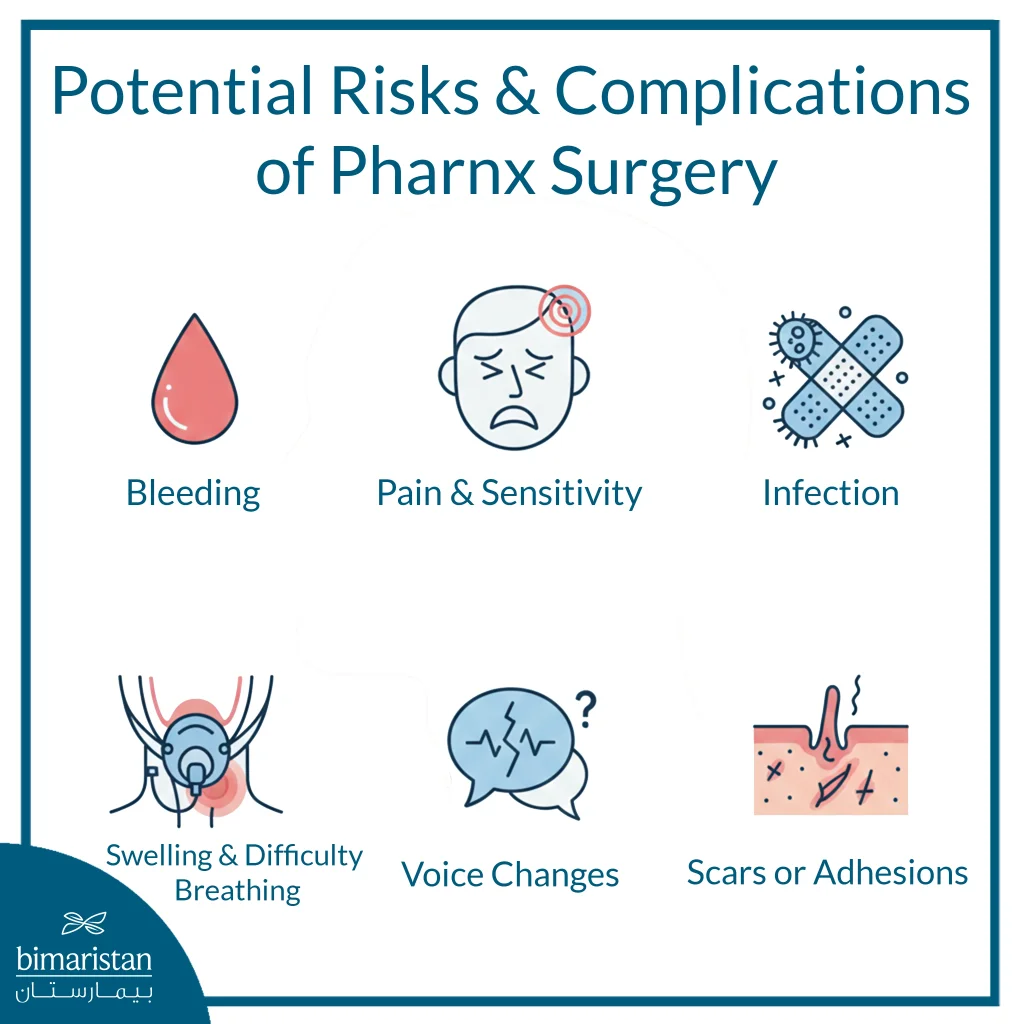
Although pharyngeal surgery is considered relatively safe when performed under specialized medical supervision, any surgery carries some risks and potential complications. It is important to understand these risks and how to manage them to minimize complications and ensure patient safety. Common complications include:
- Bleeding: Bleeding may occur during or after surgery, particularly in the early postoperative period, and should be carefully monitored.
- Pain and sensitivity: Throat pain or difficulty swallowing are common after the procedure and typically resolve gradually with appropriate treatment.
- Infection: Possible infection in the surgical area, which can be prevented with antibiotics and proper medical instructions.
- Swelling and difficulty breathing: Temporary swelling of the throat that may make it difficult to breathe or swallow, often temporary.
- Voice changes: Some patients may notice a temporary change in voice due to swelling or surgical effects on the vocal cords.
- Scarring or adhesions: Rare but can occur, especially with conventional surgery.
How to manage pharyngeal surgery complications
- Continuous follow-up with your physician: Visiting the physician after the procedure is essential to monitor recovery and to detect complications early.
- Follow post-operative instructions carefully: maintain hydration, avoid physical exertion, and take medications as prescribed by your doctor.
- Contact immediately if abnormal symptoms occur: heavy bleeding, persistent difficulty breathing, high fever, or unbearable pain.
With adherence to medical guidelines, most patients can recover safely from pharyngeal surgery and benefit from the procedure.
Tips for recovery after pharyngeal surgery
Recovery after pharyngeal surgery requires adherence to several instructions to ensure a swift recovery and minimize complications. Adhering to medical advice will help the patient regain normal swallowing, breathing, and speech.
Diet and home care
- Avoid hard or spicy foods: To minimize irritation or pain in the throat.
- Adequate rest: Avoid heavy physical exertion to speed up recovery.
- Avoid smoking and alcohol: They hinder the healing process and increase the risk of infection.
- Constant hydration: Drinking water and fluids helps keep your throat hydrated and reduces swelling.
- Follow a soft diet: Liquids, juices, and pureed meals are best for the first few days after the procedure.
Doctor’s follow-up and necessary tests
- Use prescribed medications: After pharyngeal surgery, follow your physician’s instructions carefully regarding taking painkillers or antibiotics.
- Regular visits to the physician: Schedule follow-up appointments to monitor wound healing and ensure that complications such as bleeding or infection do not arise.
- Monitor for abnormal symptoms: Watch for warning signs such as high fever, severe difficulty swallowing or breathing, or persistent bleeding, and report them to your physician immediately if they occur.
Additional tips to optimize recovery
- Maintain a clean environment to minimize the risk of infection
- Avoid talking for long periods of time during the first few days to reduce pressure on the pharynx
- Do light breathing exercises if advised by your doctor to improve your breathing after the operation
By following these tips, the patient can recover quickly and return to regular daily activities safely.
Pharyngeal surgery has become a safe and effective treatment for a wide range of pharyngeal conditions, including chronic infections, enlarged tonsils, breathing difficulties, and tumor removal. Thanks to modern advancements in surgical methods such as laser technology and robotic procedures, patients can benefit from highly precise outcomes, shorter recovery periods, and reduced discomfort.
Selecting a specialized and experienced medical center is essential to guarantee the highest standard of care. Bimaristan provides advanced pharyngeal surgery techniques under the guidance of expert ENT specialists, along with comprehensive pre- and postoperative support to ensure patient safety and comfort. For anyone considering pharyngeal surgery, selecting a trusted center such as Bimaristan significantly increases the likelihood of a successful operation and a smooth, safe recovery.
Sources:
- Kikuchi A, Sakamoto K, Sato K, Nakashima T, Hashimoto T. . Nihon Jibiinkoka Gakkai Kaiho. 2006 Aug;109(8):668-74. Japanese
- PDQ Screening and Prevention Editorial Board. Oral Cavity, Oropharyngeal, Hypopharyngeal, and Laryngeal Cancers Prevention (PDQ®): Health Professional Version. 2025 Apr 14. In: PDQ Cancer Information Summaries
- Johns Hopkins Medicine. (n.d.). Oropharyngeal cancer