.floating_btn{ display:none !important; } .println-contact-form-button-element{ display:none !important; }
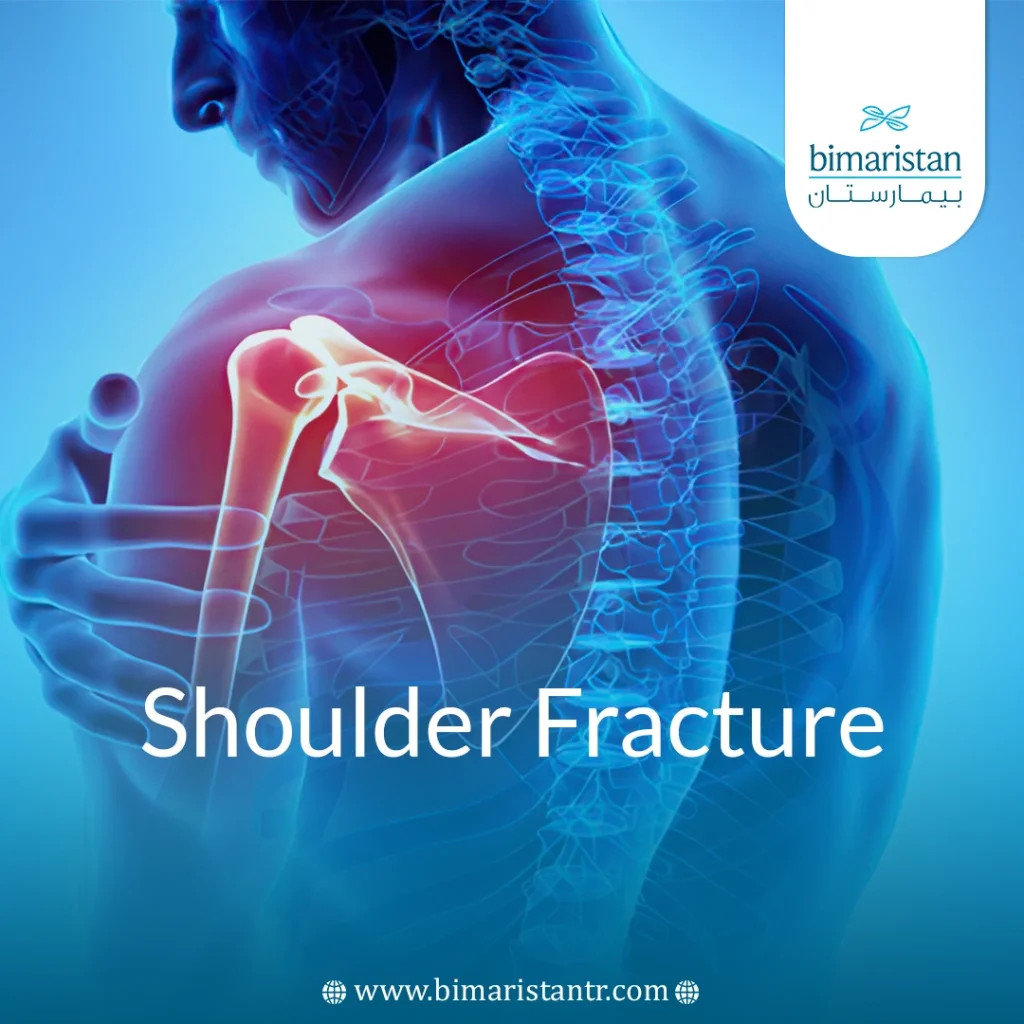
Shoulder fractures are a common musculoskeletal injury, especially in the elderly or individuals who are prone to falls or traffic accidents. Medical statistics indicate that these fractures account for 4% to 8% of all fractures in adults, with a marked increase in the incidence in postmenopausal women due to osteoporosis. The shoulder area includes a number of complex bones and joints that allow a wide range of motion, so any fracture can significantly affect the functional ability of the upper limb.
Early diagnosis and appropriate therapeutic intervention are key factors in achieving recovery and restoring normal joint mobility, and advances in imaging techniques and surgical treatment have improved recovery rates and minimized long-term complications. Patients are always advised to adhere to a rehabilitation plan and regular follow-up to ensure the best functional outcome.
What is a shoulder fracture?
A shoulder fracture is defined as a break in the continuity of one of the bones that make up the shoulder joint, which includes the humerus, scapula, and clavicle, and this joint is one of the most complex joints in the body, as it allows a wide range of motion, making it vulnerable to injury when falling or being hit directly, the severity of the fracture varies according to the location of the injury, it may be simple cracks that can be treated with stabilization, or complex fractures that require surgical intervention to return the bones to their normal position.
Shoulder fractures often occur as a result of a fall on the outstretched arm or a traumatic injury such as a car accident or sports injury. Osteoporosis increases the risk of fracture even with minor trauma. These fractures affect the patient’s ability to move and lift the arm, and are often accompanied by severe pain and swelling in the shoulder area. Determining the type and severity of the fracture depends on clinical examination and radiography to guide optimal treatment and restore joint function.
Shoulder Fracture Types
The types of shoulder fractures vary depending on the bone affected, the location, and the severity of the fracture, which can involve the humerus, clavicle, or scapula. Identifying the exact type helps to develop an appropriate treatment plan that contributes to effective healing and restoration of normal movement of the joint, the most important of which are:
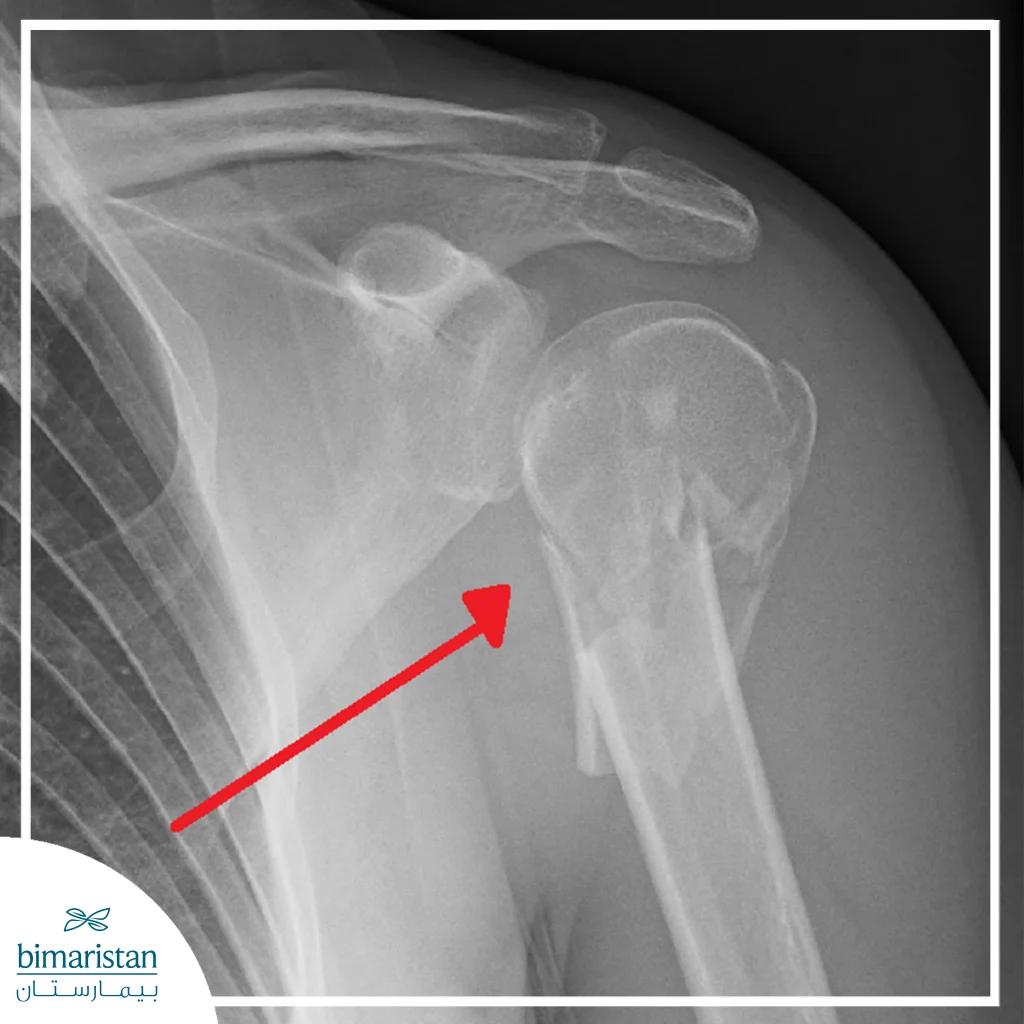
Humeral head fracture
It is the most common type of shoulder fracture, especially in elderly people with osteoporosis, usually caused by a fall on the arm, and may be simple without requiring surgery or complex, requiring metal fixation.
Scapula fracture
It is relatively rare and often results from severe trauma, such as traffic accidents, and may be associated with injuries to the chest or ribs, and in some cases requires surgical intervention to repair the deformity.
Clavicle fracture
It affects the bone that connects the shoulder to the sternum, often caused by a fall on the shoulder or arm, and is treated with stabilization with a supportive ligament, while severe cases may require surgery to stabilize the bone.
Causes of a broken shoulder
Shoulder fractures occur as a result of a combination of factors that affect the bones and joints, and the severity of the injury varies according to the strength of the trauma and the condition of the patient’s bones. Knowing these causes helps in prevention, minimizing the risk of complications, and ensuring a speedy recovery after the injury, the most important of which are:
- Direct traumatic injuries: Hard blows or direct trauma to the shoulder, such as car accidents or sports injuries, can easily break bones due to the force applied to the joint.
- Falling on the arm or shoulder: Falling on the outstretched arm is one of the most common causes, especially in the elderly, as the shock is transmitted directly to the bones, resulting in fractures of the humeral head or clavicle.
- Osteoporosis or weak bones: Osteoporosis increases the susceptibility to fracture even with minor trauma and is more common in postmenopausal women and the elderly, making prevention and early detection essential.
- Sports injuries: Playing violent sports such as soccer or snowboarding can lead to shoulder fractures as a result of falls or direct impact, especially if proper protection is not used.
Symptoms of a shoulder fracture
In most cases, the symptoms of a shoulder fracture are obvious and appear immediately after the injury, with varying severity depending on the type and location of the fracture. Early recognition of these symptoms facilitates diagnosis and directs appropriate treatment, reducing the risk of complications and promoting the restoration of normal shoulder function:
- Severe and immediate pain: Pain is one of the first signs that the patient feels after a fracture, and it is often sharp and persistent, and increases when trying to move the arm or shoulder.
- Swelling and puffiness: This is caused by the collection of fluid and blood around the fracture area, and is especially noticeable in the anterior or posterior shoulder, limiting movement and increasing discomfort.
- Deformity or abnormal position of the shoulder: The patient may notice an unusual protrusion of the shoulder or a decrease in its normal height, often indicative of bone displacement or complex fractures that require urgent evaluation.
- Bruising or discoloration of the skin: Bruises sometimes appear on the skin as a result of subcutaneous bleeding, and can range in color from blue to purple during the first few days after the fracture.
- Loss of the ability to move the arm: The patient finds it very difficult to lift or rotate the arm, and lifting objects or performing daily activities may become impossible, especially in complex fractures or those associated with the shoulder joint.
- Numbness or tingling: In some cases, the patient may feel numbness or tingling in the arm or hand due to the pressure of the fracture on the surrounding nerves, which requires immediate evaluation to avoid neurological complications.
- The development of post-fracture arthritis: In some cases, damage to the cartilage of the shoulder joint leads to the development of post-traumatic shoulder arthritis, causing chronic pain and progressive stiffness in the joint.
Shoulder Fracture Diagnosis
An accurate diagnosis of a shoulder fracture is an essential step in determining the type and severity of the injury, which helps in choosing the appropriate treatment plan and restoring the function of the joint in the best possible way. Doctors rely on clinical examination and history, as well as the use of medical imaging, to determine the location of the fracture and its effect on the surrounding bones and tissues:
Clinical examination and movement assessment
The clinical examination involves observing the position of the shoulder, the extent of swelling and bruising, as well as testing the ability to move the arm and shoulder. This examination allows you to accurately identify painful areas, understand how the surrounding muscles and joints have been affected by the fracture, and help assess the possibility of injury to nearby nerves or blood vessels.
X-rays
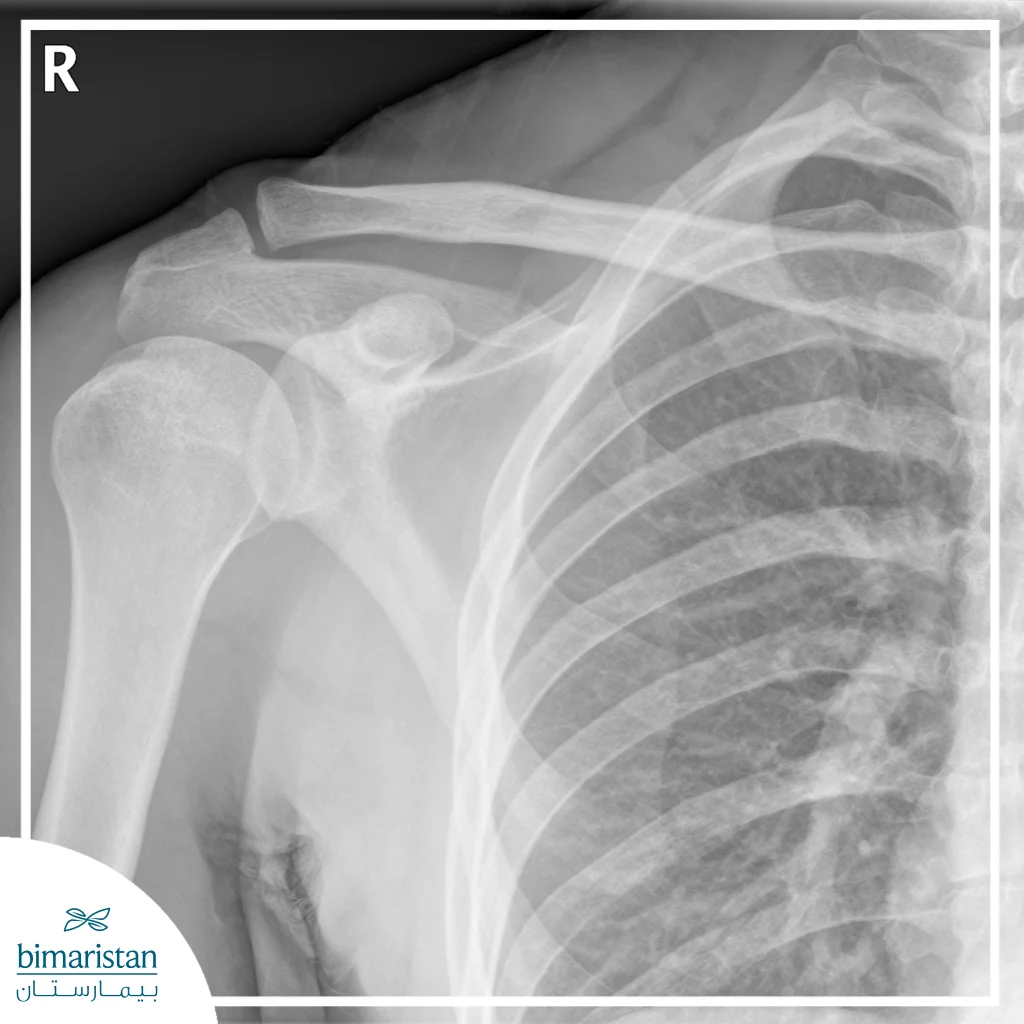
X-rays are the most common way to diagnose shoulder fractures, as they show the bones clearly and reveal the location and type of fracture (simple or complex). X-rays help doctors determine the extent of bone displacement and assess the need for surgical stabilization or conservative treatment.
Computed tomography
Computed tomography is used when needed to evaluate complex or associated fractures of the shoulder joint, as it provides three-dimensional images of the bones and reveals small displacements or hidden fractures that may not show up on regular scans. This scan helps surgeons to accurately plan surgical repair when needed.
Magnetic Resonance Imaging
MRI is used to evaluate the soft tissues surrounding the fracture, such as ligaments, tendons, and muscles, as well as to determine the presence of any injury to cartilage or nerves. This scan allows for the extent of damage not visible on conventional scans and helps to develop a proper rehabilitation plan after treatment.
Shoulder Fracture Treatment
Shoulder fracture treatment depends on the type, severity, and location of the fracture, as well as the patient’s age and general health condition. The treatment aims to stabilize the broken bones, relieve pain, and restore the normal movement of the joint. and each case is evaluated individually to determine the appropriate conservative or surgical treatment, while adhering to the rehabilitation plan to minimize complications and increase the chances of full recovery, one of the most important ways to treat a shoulder fracture:
Conservative treatment
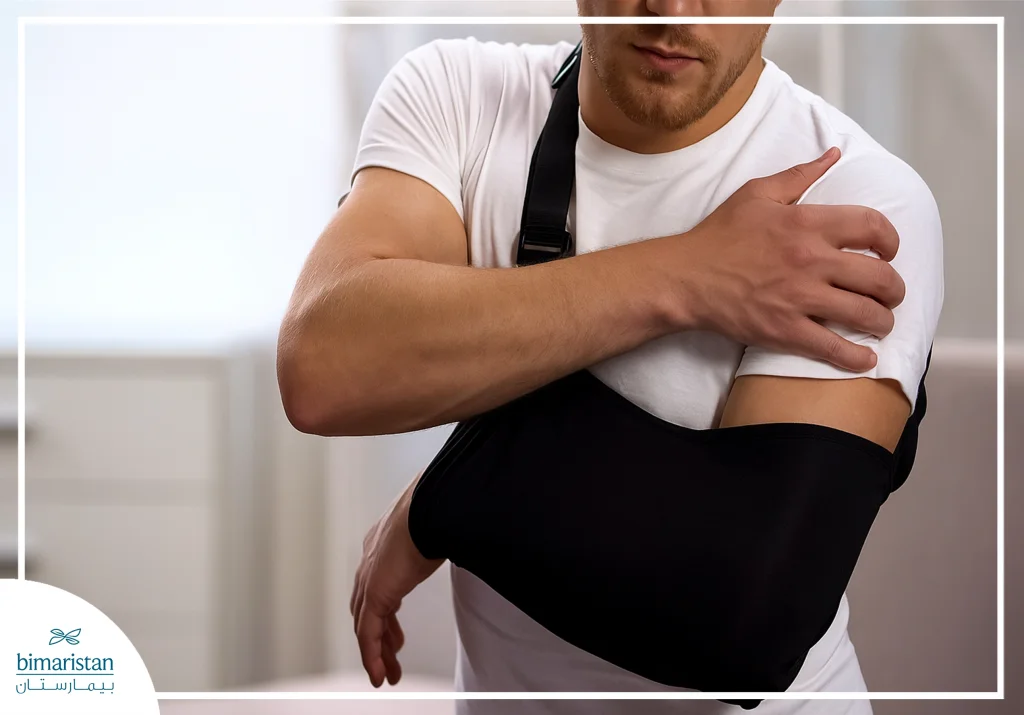
Conservative treatment is used for simple or nondisplaced fractures that do not require surgical intervention. It involves immobilization with a sling or splint for a specific period, usually 3 to 6 weeks, while monitoring the severity of pain and swelling. Conservative treatment also includes painkillers and anti-inflammatories when needed, as well as limited exercises to gradually maintain joint mobility under medical supervision, to prevent joint stiffness and stimulate natural bone healing.
Surgical treatment
Surgical treatment is performed for complex or displaced fractures that cannot be stabilized conservatively, or in cases of injury to the shoulder joint or neighboring blood vessels and nerves. The surgeon aims to normalize the bones and stabilize them using metal plates, screws, or internal nails, depending on the type of fracture. These steps are the most important in surgical treatment for shoulder fractures.
- Anesthesia of the patient: It is usually done under general anesthesia to ensure the patient is comfortable and the shoulder does not move during the procedure.
- Opening the shoulder area or inserting an arthroscope: The exact location of the fracture is determined using radiology, and a small incision is made.
- Bringing the bones back to normal: The surgeon aligns the broken bones to correct any displacement or deformation.
- Fixation of bones: Bones are stabilized using metal plates, screws, or internal nails to ensure stability until complete healing.
- Check the stability of the joint and surrounding vessels: The surgeon reviews the integrity of the tendons, ligaments, and nerves to make sure there are no additional injuries.
- The incision is closed and bandaged: After the bones are stabilized, the area is closed, and a sling or splint is applied to support the joint during the early healing phase.
Rehabilitation and physical therapy
After conservative or surgical treatment, the patient begins a rehabilitation program that includes exercises to strengthen muscles, regain mobility, and improve the range of motion of the joint. The intensity of the exercises gradually increases according to the doctor’s or physiotherapist’s assessment, to ensure full recovery and prevent shoulder stiffness or poor muscle strength.
Recovery and possible complications after shoulder fracture and surgery
Recovery after a shoulder fracture, whether it is treated conservatively or surgically, is a critical phase to restore normal movement and minimize pain. The success of recovery depends on the type of fracture, the technique used for fixation, and the patient’s health factors, such as age and bone density. Adherence to the physical therapy plan and regular medical follow-up will go a long way in restoring the full function of the shoulder.
Stages of recovery and mobility
The post-operative recovery process goes through several stages, starting from the first few days after surgery, where limited shoulder movement is allowed to minimize joint stiffness and stimulate blood circulation. After that, light strengthening exercises to strengthen the muscles surrounding the joint are introduced, followed gradually by comprehensive exercises to regain the full range of motion. Full recovery usually takes 8-12 weeks for simple fractures, and may extend to 4-6 months for complex fractures or after surgery.
Tips to speed up recovery
For a successful post-operative recovery, adhere to a physiotherapy program under the supervision of a specialist and maintain a diet rich in calcium and vitamin D to support bone healing. It is advisable to avoid heavy lifting or sudden movements, maintain adequate rest, and minimize psychological stress to promote healing and improve functional outcomes.
Possible complications after shoulder fracture surgery
Complications specific to the surgical treatment of a shoulder fracture can arise, including:
- Bleeding or pooling of blood: May appear around the bone fixation site and affect the healing of the fracture.
- Failure of internal fixation: The plates or screws used to stabilize the bone detach, which may require a reoperation.
- Infection at the surgical site: It can occur after any surgical intervention and needs medical treatment or surgical cleaning if it is severe.
- Injury to nerves or blood vessels: Can occur during the procedure or due to the placement of plates and screws, causing weakness or numbness in the arm.
- Joint stiffness after surgery: Poor mobility as a result of stiffness of the tissues surrounding the joint, especially in the elderly or after not adhering to physical therapy.
- Lack of bone healing or improper healing: The risk is higher in patients with osteoporosis or chronic diseases such as diabetes or chronic lung disease, and can lead to chronic pain and functional deformity.
Advantages of shoulder fracture treatment in Turkey
Turkey is one of the most prominent medical destinations in the world for the treatment of shoulder fractures, thanks to the development of its medical infrastructure and the availability of specialized centers that rely on the latest surgical techniques and accurate imaging devices. The Turkish health system combines high medical expertise and reasonable cost, making it a favorite choice for patients from different countries. The most important advantages of shoulder fracture treatment in Turkey:
- Internationally experienced medical staff: Turkish hospitals are staffed by orthopedic doctors and surgeons with degrees from European and American universities, ensuring accurate diagnosis and safety of the surgical procedure.
- Utilizing the latest surgical techniques: Operations are performed using 3D laparoscopic surgical techniques and precise fixation devices, minimizing pain and recovery time after the procedure.
- Comprehensive care before and after surgery: Hospitals provide careful follow-up programs, including physical therapy and rehabilitation, to ensure that shoulder mobility is fully and safely restored.
- Affordable treatment costs and high quality: Despite the high quality of care, treatment costs in Turkey are 40-60% lower than in European countries.
- Medical services for international patients: Turkish hospitals offer translation services, medical escorts, and comfortable hotel accommodations to ensure a complete treatment experience.
For patients wishing to receive specialized care, they can visit Bimaristan Medical Center, which coordinates with the best hospitals and doctors in Turkey to provide comprehensive and integrated treatment for shoulder fractures.
Recovering from a shoulder fracture is a journey that requires patience and adherence to the doctor’s instructions and physical therapy program to ensure safe and proper restoration of movement. Staying on schedule, avoiding early exertion, and maintaining good nutrition are key to speeding up recovery and minimizing the risk of complications such as joint stiffness or post-injury arthritis.
In recent years, Turkey has emerged as a top destination for shoulder fractures thanks to its specialized centers that adopt the latest surgical and imaging techniques, with medical staff who have extensive experience in the field of orthopedics and rehabilitation therapy. Choosing a reliable medical center and constant supervision by a multidisciplinary team ensures a safe treatment experience and excellent functional results.
Sources:
- Kokkalis, Z. T., Iliopoulos, I. D., Antoniou, G., Antoniadou, T., Mavrogenis, A. F., & Panagiotopoulos, E. (2017). Posterior shoulder fracture-dislocation: An update with treatment algorithm. European Journal of Orthopaedic Surgery & Traumatology, 27(3), 285-294.
- Daoudi, A., Abdeljaouad, N., & Yacoubi, H. (2020). Chronic posterior fracture-dislocation of the shoulder: Case report and a literature review. Pan African Medical Journal, 36, 275.
- Papagrigorakis, E., Tsalimas, G., Sakellariou, E., Varsamos, I., Vavourakis, M., Karampinas, P., Zachariou, D., Argyropoulou, E., & Galanis, A. (2024). Locked posterior shoulder dislocation with accompanying fracture: A debilitating rare injury for athletes? Ortopedia Traumatologia Rehabilitacja, 26(2), 37-44.