

Neck pain caused by neck discs is among the most prevalent conditions worldwide, with more than 30% of adults experiencing it at some point in their lives. Research indicates that prolonged screen time and poor head posture are the leading causes of this condition, and understanding effective neck disc prevention strategies helps reduce the risk of chronic pain and enhance overall quality of life, particularly given the growing prevalence of office work and limited daily movement.
What is a neck disc (cervical disc)?
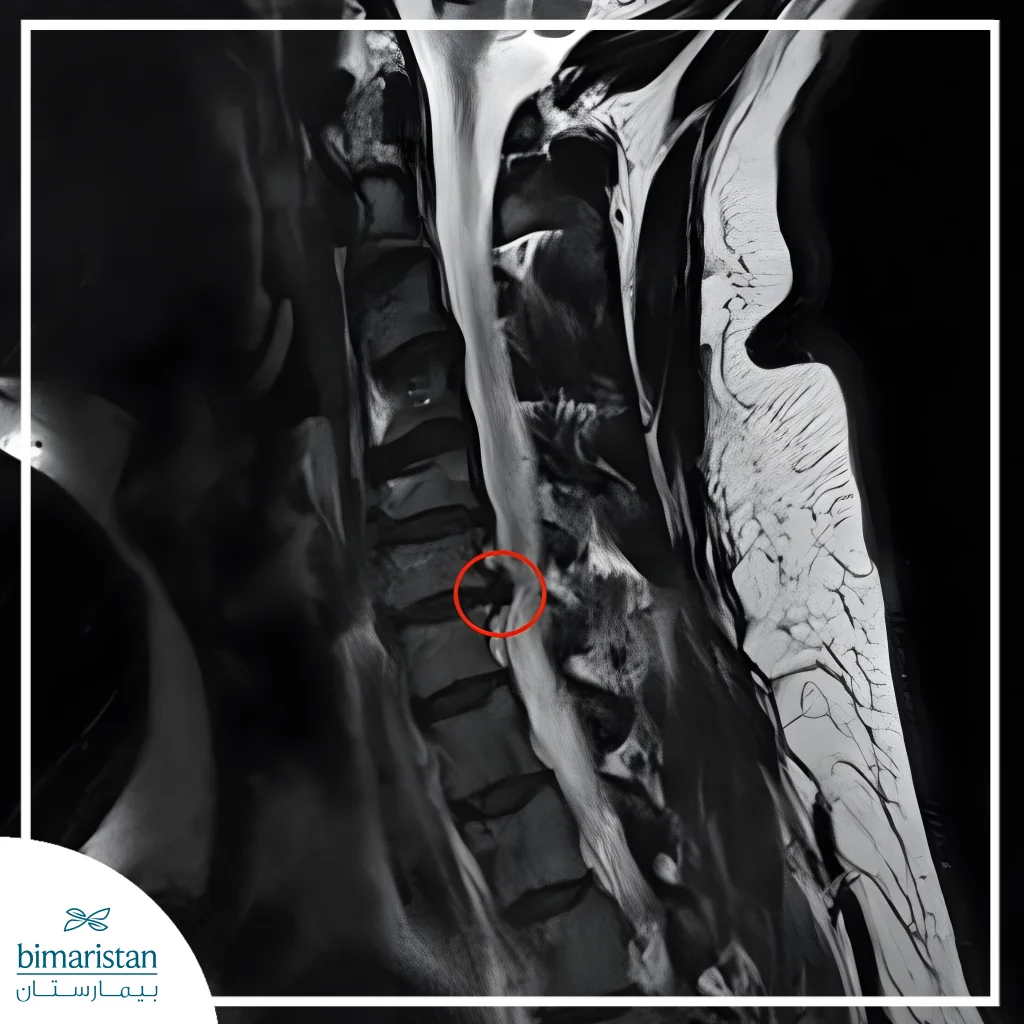
A cervical disc condition occurs when the disc between the cervical vertebrae slips, ruptures, or becomes damaged. This damage can cause the gel‑like nucleus to protrude and press on the spinal cord and surrounding spinal nerves. As a result, patients often experience neck pain, as well as numbness and weakness in the shoulders and arms. This condition may also be accompanied by other symptoms, including headaches, dizziness, and visual disturbances.
Causes and factors that increase the risk of neck discs
The causes and factors that predispose to cervical disc herniation are primarily classified into two categories: those that are modifiable and those that are fixed. These causes include:
- Controllable causes:
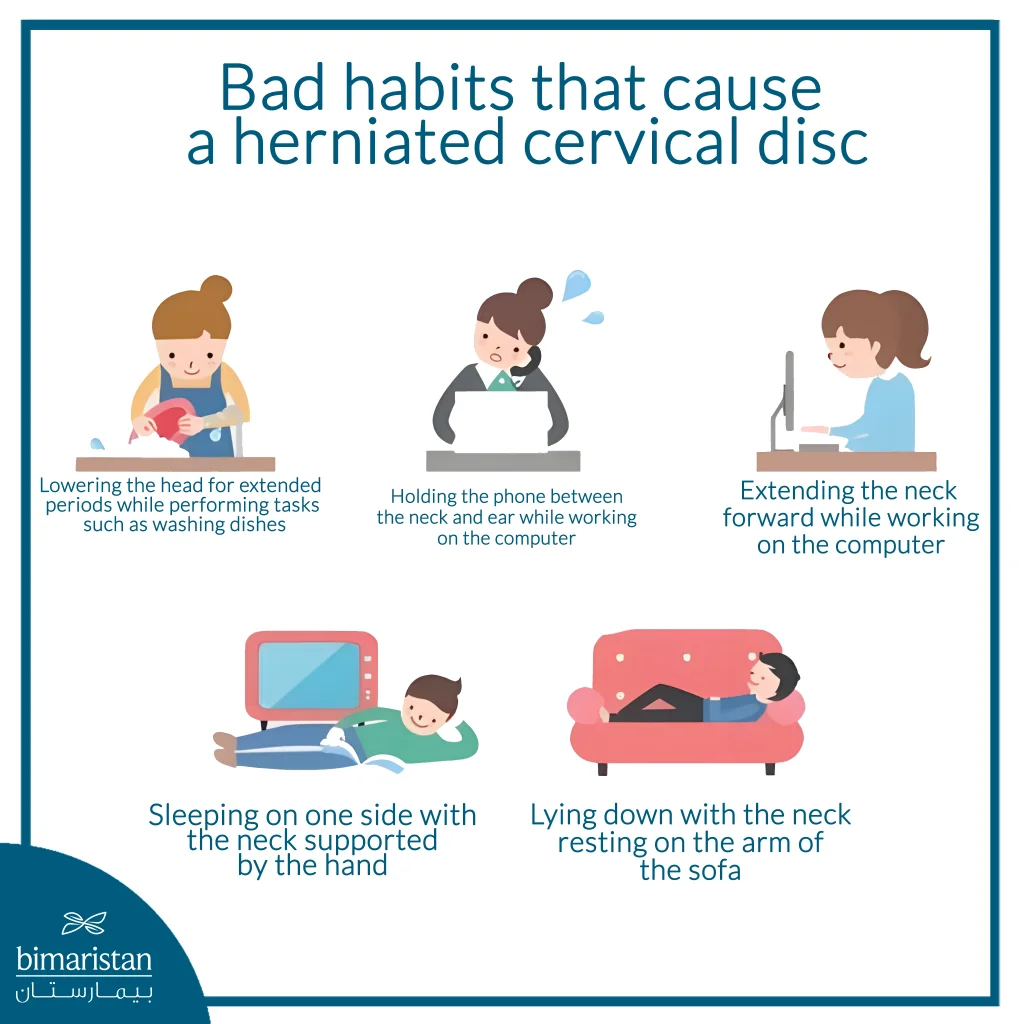
- Prolonged sitting: Incorrect postures for extended periods, such as using a phone or computer with excessive head tilt, increase pressure on the neck, thereby increasing the risk of cervical disc herniation.
- Strenuous physical activity: Jobs that require repetitive lifting, pulling, or pushing of heavy objects increase the risk of disc herniation.
- Lack of movement: Not exercising regularly and limited physical activity increase the risk of developing a herniated disc.
- Excess weight: Excess weight increases pressure on the spine, including the cervical discs.
- Smoking: Smoking reduces the oxygen supply to the discs, making them more susceptible to damage.
- Uncontrollable causes:
- Genetic factors: A family history of herniated discs may increase the risk of herniation.
- Aging: As we age, the discs in our neck lose elasticity, making them more susceptible to damage.
- Direct injuries: Accidents such as car crashes or falls can cause direct injury to the cervical spine, potentially leading to a herniated cervical disc.
Practical tips for preventing neck discs
Preventing a herniated cervical disc is not impossible, as it can be prevented by following a set of simple daily habits that maintain the flexibility of the cervical spine and reduce pressure on the vertebrae, namely:
- Correct your posture: Keep your head aligned with your spine and avoid leaning forward when using a phone or computer, as this puts less pressure on the discs.
- Move regularly: Avoid remaining in one position for extended periods, and take a break every half hour to gently move your neck and shoulders to support neck disc health.
- Use a proper pillow: Choose a medium‑height pillow that maintains the natural curve of the neck, and avoid sleeping on your stomach since it strains the muscles and works against neck disc prevention.
- Maintain a healthy lifestyle: Maintaining an ideal weight and avoiding smoking improve disc nutrition and reduce the risk of degeneration over time, both of which are essential for neck disc prevention.
- Stretching: Simple daily exercises, such as slow head rotations or shoulder rolls, can improve blood flow and strengthen neck muscles, thereby supporting effective neck disc prevention.
- Adjust the work environment: Positioning the computer screen at eye level and using a supportive chair for the neck and back are key steps in neck disc prevention, especially for those who sit for long hours.
- Pay attention while driving: Adjust the headrest so it supports the center of the skull to reduce shock and pressure during long drives, contributing to better neck disc prevention.
These habits greatly reduce the risk of cervical disc herniation, and also relax the neck muscles and prevent them from spasming.
The importance of early detection in preventing neck disc complications
Early diagnosis is crucial in neck disc prevention. Early diagnosis helps detect subtle changes in the intervertebral discs before they progress to a herniated disc that compresses nerves. Many patients are unaware that simple symptoms like neck stiffness or arm numbness can be early warning signs of a problem in the cervical vertebrae.
Regular examinations, such as MRI scans or neurological examinations, allow the doctor to accurately pinpoint the source of pain and develop a treatment plan that protects the spine. Early detection also prevents the need for future surgery, as the condition can be managed with physical therapy or lifestyle modifications in a timely manner.
How does a healthy work environment help in neck disc prevention?
A healthy work environment plays a pivotal role in neck disc prevention, as incorrect postures while sitting and working at a desk are among the most common causes of cervical disc herniation. Therefore, preparing the workspace in a comfortable, body-friendly manner greatly reduces the burden on the vertebrae and surrounding muscles. Among the most important tips that can be followed in neck disc prevention are:
- Placing the screen at eye level so that the person doesn’t have to constantly bend or lift the head
- Using a chair to support the cervical vertebrae, as this maintains the natural curvature of the neck and back
- Adjust the height of the table and keyboard so that the arms are at a 90-degree angle, which prevents tightening of the shoulder muscles
- Avoid placing the phone between your shoulder and head during long calls, and instead use an earpiece
- Take short breaks every half hour to stand up, stretch, and gently move the neck
Adhering to these daily practices maintains the body’s balance during work, reduces chronic muscle strain, and helps maintain a healthy work environment, thereby reducing the risk of cervical disc herniation and enhancing professional performance efficiency without pain or muscle tension.
When should I see a doctor?
It is advisable to consult a doctor if symptoms appear that suggest a possible cervical disc herniation or worsening of the condition, especially if the pain persists for an extended period or intensifies over time. Signs that warrant immediate medical evaluation include:
- Neck pain that doesn’t improve with rest or home remedies
- Pain spreading to the shoulder or arm with numbness or tingling
- Weakness in arm muscles or difficulty grasping objects
- Recurrent headaches that start at the base of the skull, or a visibly stiff neck
You should also see a doctor immediately if the pain is accompanied by loss of balance or weakness in the legs, as this may indicate severe compression on the spinal cord. Early diagnosis helps accurately determine the cause of symptoms and develop an appropriate treatment plan before complications arise.
Can neck discs be treated?
With advances in medicine and biomedical engineering, cervical disc herniation can now be treated using a range of specialized techniques that restore patients’ quality of life. Among the most important methods and techniques available are:
- Endoscopic Disc Treatment
- Laser Disc Treatment
- Injectable Disc Treatment
- Microscopic Disc Surgery
- Spinal stabilization surgery
Adopting healthy habits, maintaining regular exercise, and maintaining proper posture are simple yet powerful steps for protecting the cervical spine and supporting effective neck disc prevention. Early diagnosis plays a key role in managing symptoms and preventing disease progression. Bimaristan Medical Center in Turkey provides expert consultations and advanced methods for preserving spinal health, with a strong commitment to educating patients on neck disc prevention strategies to help ensure a pain‑free life.
Sources: