
Dental veneers are a common cosmetic dentistry procedure, as they are designed to improve the overall appearance of a smile and enhance the aesthetic appeal of the teeth. This procedure has seen growing interest in recent years amid technological advancements and a trend toward minimally invasive cosmetic solutions.
Turkey is one of the most advanced countries in cosmetic dentistry, particularly in dental veneers, utilizing state-of-the-art equipment and highly skilled medical professionals to deliver beautiful, radiant smiles at the best prices.
What are dental lumineers?
It is a very thin cosmetic dental veneer bonded to the front surface of the teeth to improve their appearance and conceal imperfections such as stains, gaps, and cracks. They are characterized by their minimal thickness, ranging from 0.2 to 0.3 mm, so in most cases, no enamel reduction is required, making them a conservative option that preserves the natural tooth structure. Lumineers provide a natural, attractive appearance and are typically used for simple to moderate cosmetic cases as a less invasive alternative to traditional veneers.
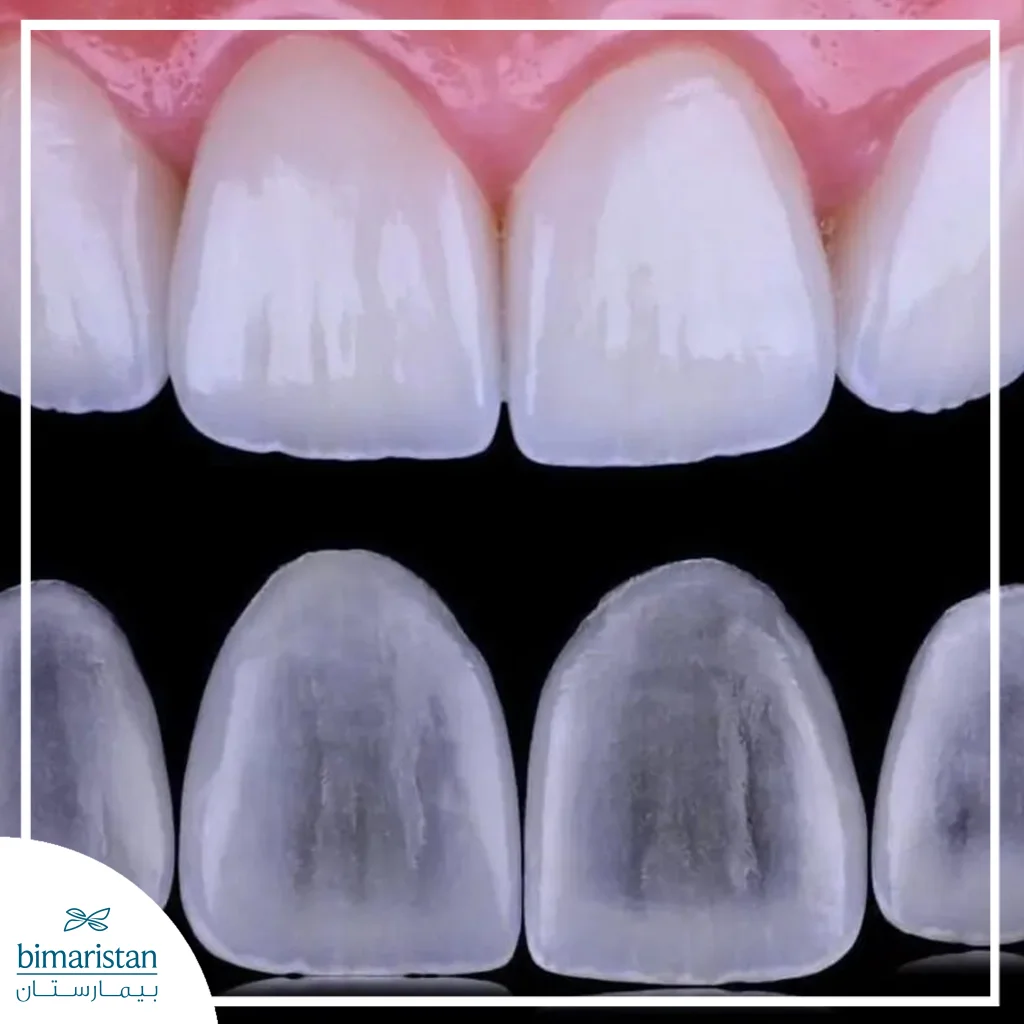
Reasons for Using Dental Lumineers
Teeth whitening is used to correct:
- Small cracks or chips
- Small gaps between the teeth
- Teeth that are relatively crooked or misaligned
- Minor cosmetic imperfections, such as slight staining or discoloration of the teeth
- The desire to preserve as much of the natural tooth structure as possible while minimizing dental modification
Steps for Installing Dental Lumineers
It is marketed as requiring fewer visits than traditional veneers; the procedure involves the following:
- Initial Consultation: The dentist begins by examining the patient’s teeth and assessing their suitability for Lumineers. The patient’s cosmetic goals are discussed, and the most appropriate type of Lumineers is determined, with before-and-after images used to simulate the expected results.
- Planning and Impression Taking: The dentist takes precise impressions of the mouth and teeth using special materials or 3D digital scanning to ensure that the lumineers are fabricated to perfectly match the shape and size of the natural teeth.
- Tooth Preparation: Unlike traditional veneers, Lumineers typically do not require significant enamel reduction. The dentist may occasionally lightly prepare the tooth’s surface to remove any unevenness and improve the adhesion of the lumineers.
- Laboratory fabrication of the lumineer: The impressions are sent to the laboratory, where the lumineer is fabricated from high-quality thin porcelain (usually E-max or similar) with high precision to match the color and shape of natural teeth.
- Try-in and fitting: Once the veneer arrives from the lab, it is tried on the teeth to ensure a proper fit; the shape, length, or color can be adjusted before final bonding.
- Final bonding: The teeth are cleaned and dried, then a special adhesive is applied, and the lumineers are carefully bonded to the teeth. The dentist uses a special light to strengthen the bond and ensure the Lumineers stay in place.
- Follow-up and Care: The dentist will schedule a follow-up appointment shortly thereafter to ensure proper bonding and to check for any chewing problems or irritation. The patient is advised to practice daily oral hygiene and avoid harmful habits such as biting on hard objects or using their teeth as tools.
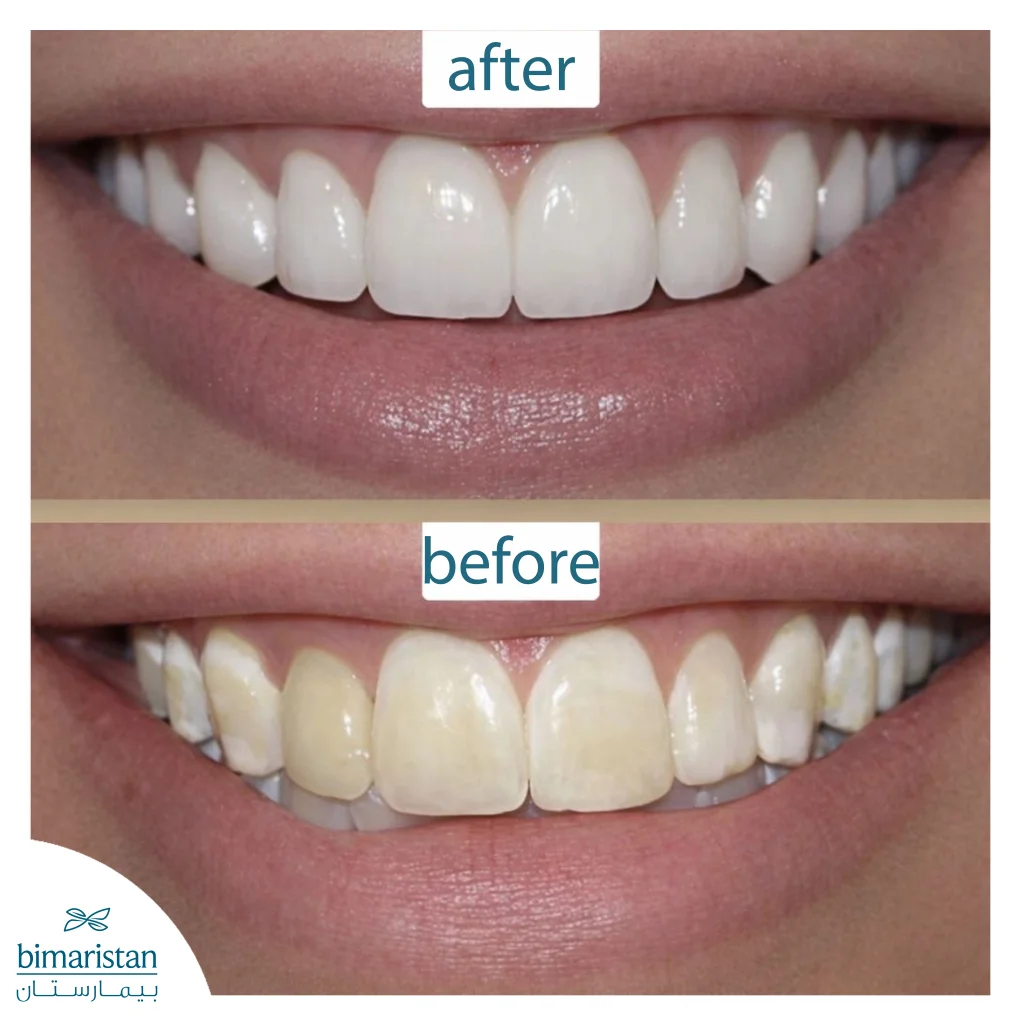
The Difference Between Lumineers and Traditional Veneers
Although both Lumineers and traditional veneers are designed to improve the appearance of a smile, there are important differences between them, so choosing the right option depends on each patient’s individual situation and needs.
| The element | Lumineers | Traditional Veneers |
|---|---|---|
| Thickness | Very thin (0.2–0.3 mm) | Thicker (approximately 0.5 mm) |
| Tooth Preparation | It usually doesn’t need tooth reduction | It requires the removal of part of the tooth enamel |
| Pain during the procedure | Usually painless, no anesthesia required | may need anesthesia |
| Removability | It can be removed or reversed | Permanent and non-removable |
| Final appearance | Often similar, or less so, depending on the situation and location | A very natural look and greater precision |
| Durability | Good, but not as good as veneer in some cases | More durable and resilient |
| Handling Difficult Situations | Mild (mild to moderate cases) | Suitable for complex cosmetic cases |
| Duration of treatment | Quick (usually two visits) | It may take longer |
| Impact on tooth structure | Tooth-preserving | Removal of a portion of the enamel |
| Cost | Often similar, or less so depending on the situation and location | It may be higher depending on the materials and experience |
Benefits of Lumineers
Teeth whitening offers several benefits that make it a popular choice in cosmetic dentistry, the most important of which are:
- Minimally invasive procedure: In most cases, it does not require removal of tooth enamel, preserving the tooth’s natural structure and often making the procedure painless.
- Natural appearance: Made from high-quality porcelain that mimics the translucency of natural teeth, resulting in a natural and attractive smile.
- Quick procedure: It is usually completed in just two visits, making it a convenient option for those looking for quick results.
- Reversible: In some cases, the lumineer can be removed, as it does not involve a permanent alteration to the tooth’s structure.
- Stain-resistant: The porcelain used is resistant to discoloration, helping keep teeth white for longer.
Disadvantages of Lumineers
Despite its advantages, Lumineers may not be suitable for all cases. Among their most notable limitations are:
- Limited use: Not suitable for severe cases such as deep pigmentation, significant distortion, or crowding.
- Extra thickness: In some cases, this may make the teeth appear more prominent because they have not been ground down.
- Relatively less durable: It may be less strong than traditional veneer in some cases, especially under high pressure.
- It depends on the doctor’s skill and proper planning for the case.
- Limited coverage of imperfections: It may not completely conceal severe imperfections or dark tooth discoloration compared to traditional veneers.
How Long Do Dental Lumineers Last?
Dental lumineers typically last between 10 and 20 years, depending on:
- Daily Oral and Dental Care
- Avoid harmful habits such as biting on hard objects
- Regular checkups with your dentist
The Cost of Dental Lumineers in Turkey
The cost of dental veneers varies significantly from country to country, depending on factors such as the quality of medical services, dentists’ experience, and the cost of living, making it important to compare prices across countries before making a decision.
| The State | Approximate price per tooth (USD) |
|---|---|
| Turkey | $500–$800 |
| France | $800–$1,500 |
| The United States of America | $800–$2,000 |
| Britain | $900–$1,500 |
In conclusion, Lumineers are a modern cosmetic option that combines simplicity and effectiveness, enabling a quick improvement in one’s smile’s appearance while preserving the natural structure of the teeth. Despite its advantages, choosing the right solution depends on the condition of the teeth and a qualified dentist’s assessment.
Turkey is also considered one of the leading destinations in this field, thanks to significant advancements in cosmetic dentistry, the availability of specialized medical staff, and modern technologies, as well as affordable costs. As a result, it has become the preferred choice for many patients seeking a high-quality, attractive smile.
Sources: