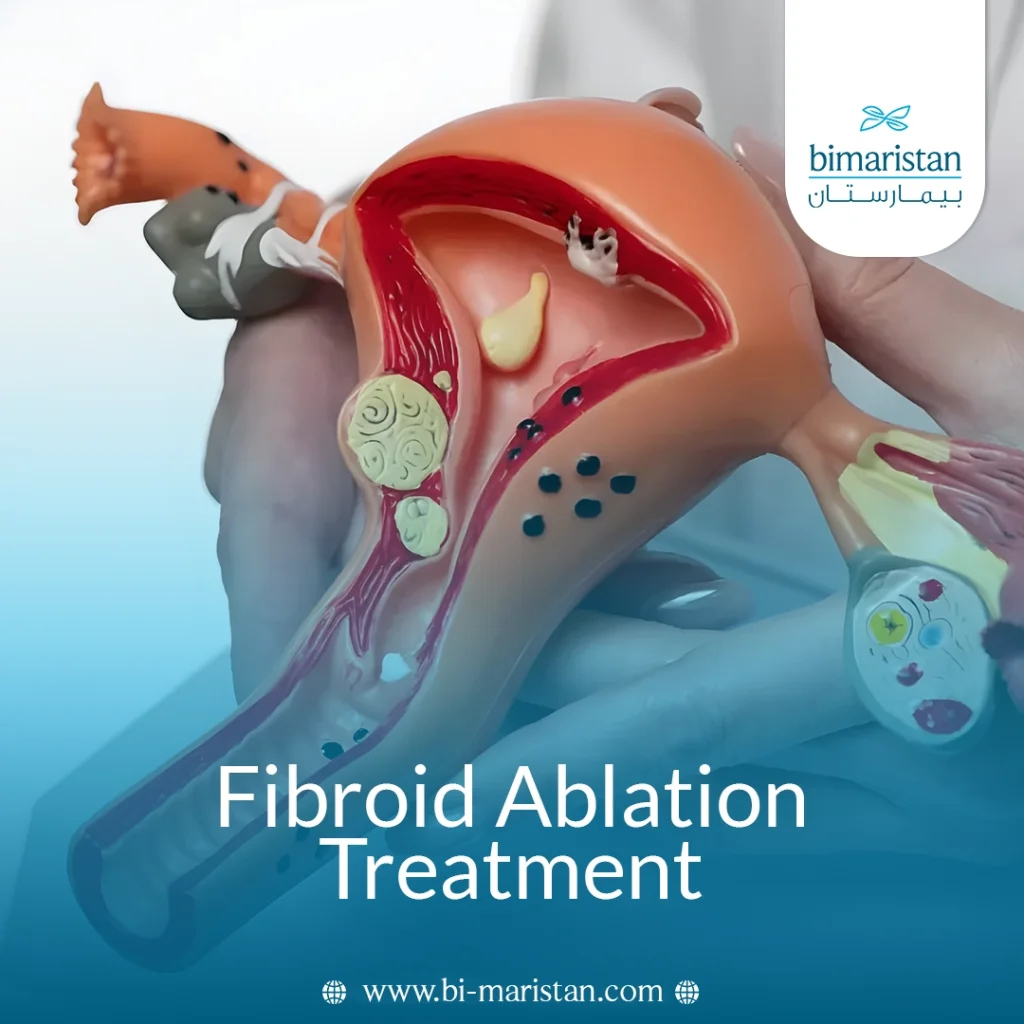
Uterine fibroids are one of the most common gynecological conditions, affecting a large percentage of women of childbearing age. They may be asymptomatic or cause problems that significantly impact quality of life. Treatment options for uterine fibroids vary depending on the tumor’s size, location, symptom severity, and the woman’s desire to preserve her uterus. Among the modern, minimally invasive options, fibroid ablation treatment stands out as a treatment aimed at shrinking the fibroid and alleviating symptoms without the need for traditional surgery.
What is a uterine fibroid?
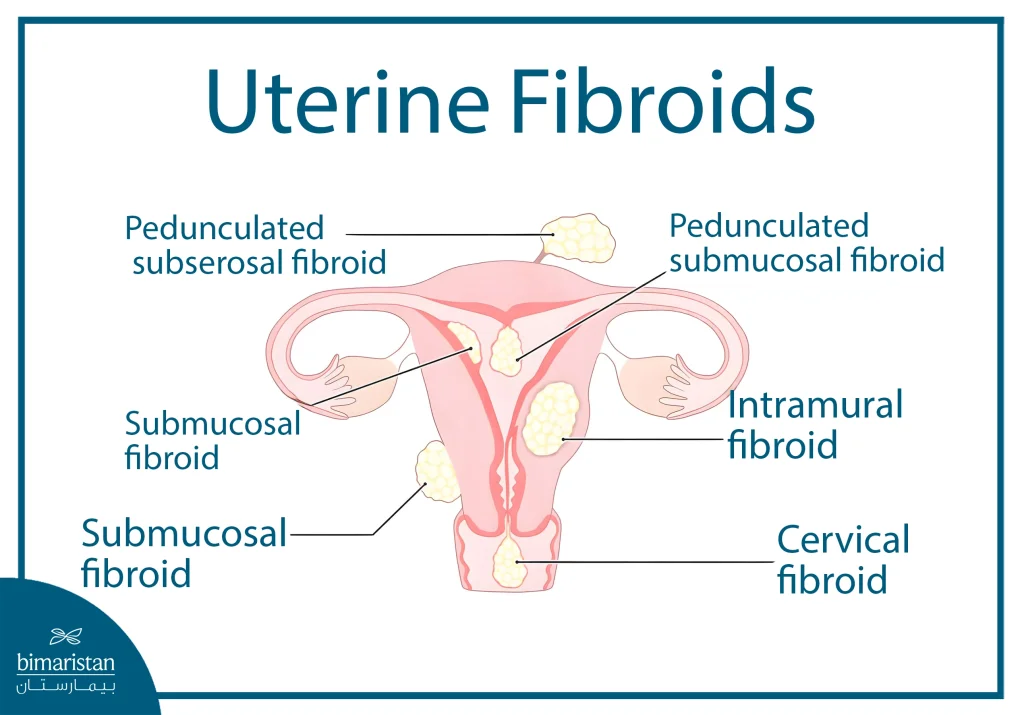
A uterine fibroid is a noncancerous growth that originates from smooth muscle cells in the wall of the uterus. These tumors vary in number, size, and location within the uterus; they may be located within the muscular wall, protrude into the uterine cavity, or extend outward. Although they are benign tumors, in some cases, they can lead to bothersome symptoms such as heavy menstrual bleeding, pelvic pain, a feeling of pressure, and fertility issues, making treatment necessary when they cause clear clinical problems.
What is fibroid ablation treatment?
The treatment of uterine fibroids using ablation is a modern medical procedure that involves destroying tumor tissue using thermal energy, with the aim of gradually reducing its size and alleviating associated symptoms. This treatment involves precisely directing a specific energy source—such as radiofrequency, laser, or focused ultrasound—into the tumor, destroying its cells while preserving the surrounding healthy tissue. Ablation is a suitable option for women who desire effective treatment without a hysterectomy or major surgery, with a shorter recovery period and minimal medical intervention.
Types of ablation used to treat uterine fibroids
The ablation technique used to treat uterine fibroids relies on thermal energy or focused waves to destroy tumor tissue and reduce its size, while preserving the uterus and surrounding healthy tissue. There are several types of this treatment, and the choice depends on the tumor’s size and location, as well as the patient’s condition.
Radiofrequency ablation
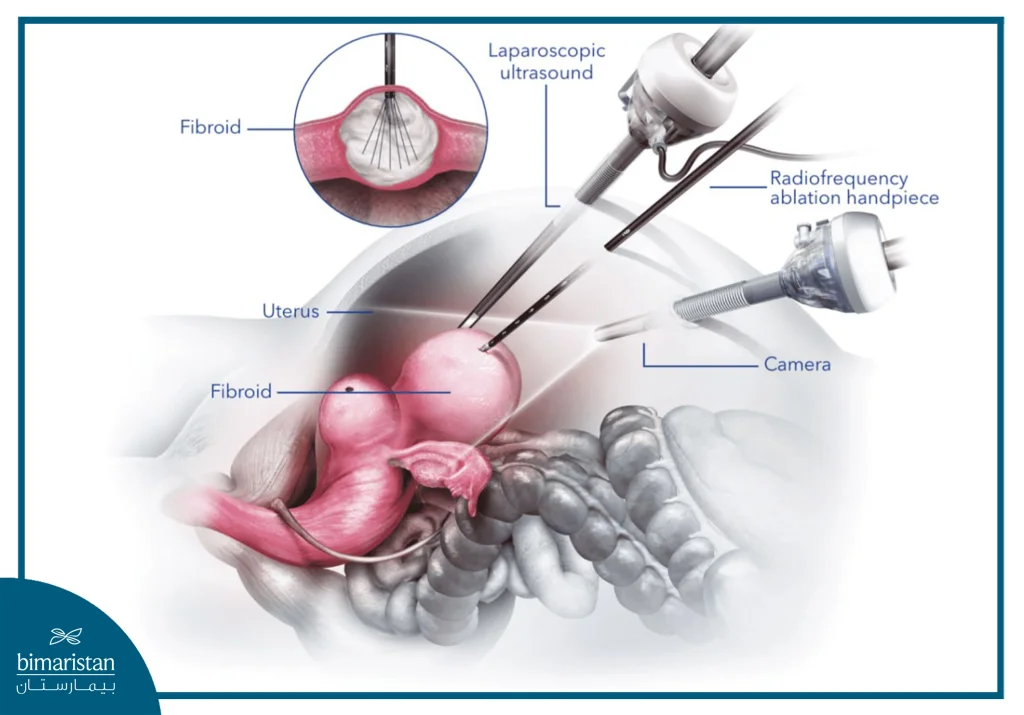
Radiofrequency ablation is a minimally invasive procedure that uses high-intensity thermal energy delivered to the fibroid via a fine needle or specialized probe. This energy destroys the tumor cells one by one, causing the tumor to gradually shrink over the months following treatment. This method is effective in relieving symptoms such as pain and heavy menstrual bleeding, while preserving the uterus and ovaries, and without causing early menopause. The procedure is characterized by a quick recovery and minimal pain compared to traditional surgery.
Ultrasound-guided radiofrequency ablation
In this type of procedure, radiofrequency ablation is performed under ultrasound guidance, allowing the doctor to visualize the tumor with high precision during treatment. Ultrasound guidance helps precisely target the fibroid and minimize the impact on surrounding healthy tissue. This approach is suitable for women who experience heavy uterine bleeding or painful symptoms and wish to avoid a hysterectomy, while benefiting from a safe procedure with a short recovery period.
High-intensity focused ultrasound ablation
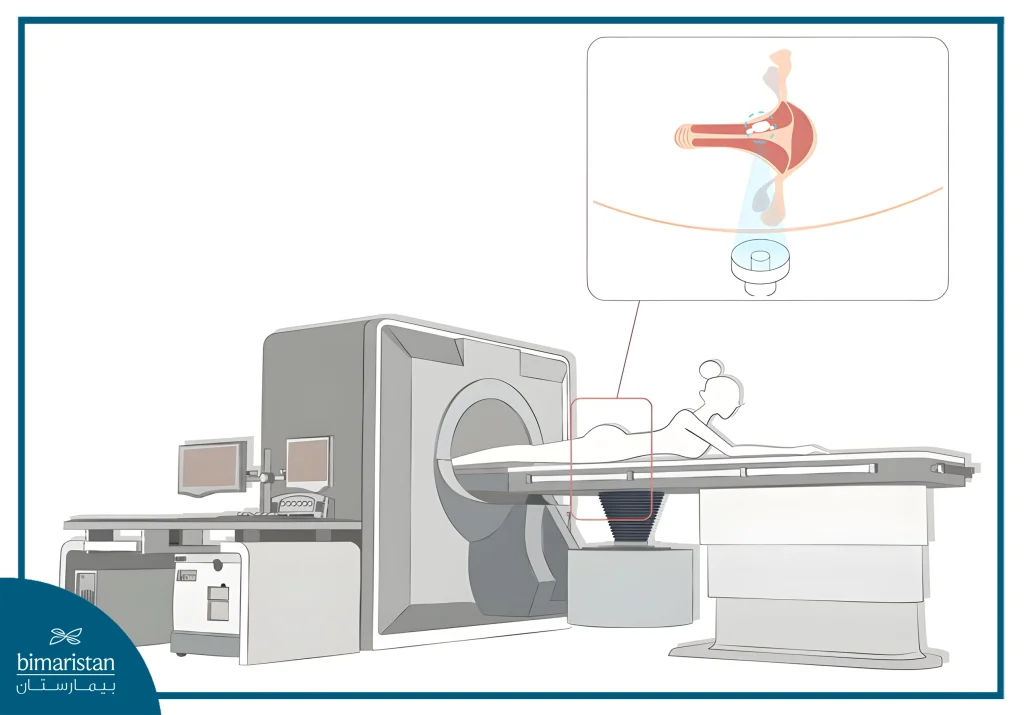
High-intensity focused ultrasound ablation is a completely non-surgical procedure that requires no incisions or invasive instruments. This treatment involves directing focused ultrasound waves through the abdominal wall to generate precise heat within the fibroid, destroying its cells without damaging surrounding tissue. The procedure is performed under continuous imaging guidance to ensure precision and safety. HIFU is a suitable option for women seeking effective treatment without surgery or general anesthesia, with long-term follow-up to assess outcomes and safety.
Which women are suitable candidates for fibroid ablation treatment?
The appropriate treatment for uterine fibroids using embolization is determined based on a set of clinical and radiological criteria that ensure the procedure’s efficacy and safety. Suitable cases include the following:
- Women who experience noticeable symptoms such as heavy menstrual bleeding, chronic pelvic pain, or a feeling of pressure on the bladder or rectum—symptoms that directly affect their daily quality of life
- A limited number of medium-sized fibroids can be accurately located using image-guided techniques, allowing them to be targeted without damaging healthy tissue
- The desire to preserve the uterus and avoid its removal, especially among women who do not wish to undergo traditional surgery or who have contraindications for surgery
- Inadequate response to drug therapy, or its unsuitability due to side effects or lack of efficacy
- There is no suspicion of malignant tumors or complex gynecological conditions that might require more extensive surgical intervention
Situations in which ablation therapy is not recommended for uterine fibroids
In some cases, ablation is not an appropriate option due to its low efficacy or increased risks; these cases include the following:
- Very large fibroids or those that are widely disseminated, making it difficult to completely remove them or achieve sufficient clinical improvement
- Suspected uterine cancer or unexplained changes in the endometrium, as these conditions require different evaluation and treatment
- Pregnancy, because blood clotting may pose a risk to the fetus and the health of the uterus during this period
- The presence of active infections in the pelvis or reproductive system, due to the increased risk of complications they may cause
- Severe uterine malformations or a history of complex abdominal surgery may hinder safe and precise access to the tumor
Tests Required Before Fibroid Ablation Treatment
Before making a treatment decision, medical guidelines recommend conducting a comprehensive evaluation to confirm the diagnosis and determine the best treatment plan. This includes:
- Magnetic resonance imaging (MRI) is often used to create a detailed map of tumors and assess their relationship to the uterine wall and lining
- Ultrasound imaging to determine the number of fibroids, measure their sizes, and accurately identify their locations within the uterus
- Basic blood tests to assess overall health and detect anemia caused by chronic bleeding
- Consult a specialist to determine the suitability of coagulation and select the most appropriate technique for each individual case
- Comprehensive gynecological examination to rule out other causes of the symptoms
Steps for fibroid ablation treatment
Fibroid ablation treatment is carried out in a series of carefully planned steps to ensure precision and safety. The procedure involves the following:
- Carefully guide the ablation device to the fibroid using real-time imaging techniques such as ultrasound or MRI
- Applying thermal energy to the target tumor to destroy its cells; if necessary, more than one tumor may be treated during the same session
- Monitor the patient’s condition after the procedure to ensure stability before discharge on the same day or after a brief observation period
- Use of local anesthesia or light sedation to minimize pain and ensure comfort during the procedure
- Preoperative preparation and assessment of appropriate anesthesia based on the patient’s general condition
Recovery period following fibroid ablation treatment
The recovery period following fibroid ablation treatment is one of the key benefits of this procedure and is characterized by the following:
- It is essential to follow medical follow-up instructions to ensure the best results in the medium and long term
- Mild to moderate pain in the lower abdomen can be managed with prescription pain relievers
- Gradual improvement in symptoms over the following weeks and months as the tumor shrinks
- A quicker return to daily activities within a few days compared to traditional surgery
- Mild, temporary vaginal discharge may continue for a short time after the procedure
Results of Uterine Fibroid Ablation Treatment
Clinical data indicate positive outcomes in a large proportion of female patients, including:
- A gradual and noticeable reduction in the size of fibroids over a period that typically lasts three to six months
- A noticeable improvement in heavy menstrual bleeding, pelvic pain, and a feeling of pressure
- A noticeable improvement in the quality of daily life and the ability to engage in usual activities
- Reducing the need for subsequent surgical interventions when selecting the appropriate candidate for the procedure
Possible complications of fibroid ablation treatment
Although fibroid ablation treatment is considered a relatively safe procedure, it may be associated with some side effects, such as:
- Temporary pelvic pain after the procedure will gradually subside
- Light vaginal bleeding or temporary discharge during recovery
- In some limited cases, the tumor does not respond completely
- The need for additional follow-up in rare cases
Comparison Table of the Cost of Uterine Fibroid Treatment Using ablation in Turkey and Other Countries
| Therapeutic technique | Turkey | United States | Britain | Germany | Gulf States |
|---|---|---|---|---|---|
| Radiofrequency Ablation (RFA) | $4,000–$7,000 | $15,000–$30,000 | $10,000–$18,000 | $12,000–$22,000 | $12,000–$25,000 |
| Ultrasound-guided radiofrequency ablation | $5,000–$8,000 | $18,000–$32,000 | $12,000–$20,000 | $14,000–$24,000 | $15,000–$28,000 |
| High-Intensity Focused Ultrasound (HIFU) | $6,000–$9,000 | $20,000–$35,000 | $15,000–$25,000 | $18,000–$28,000 | $18,000–$30,000 |
In conclusion, Uterine fibroid ablation is a modern, minimally invasive option that has provided an effective alternative to traditional surgery in appropriate cases, as it helps reduce tumor size and alleviate symptoms while preserving the uterus and shortening recovery time. The success of this treatment depends primarily on a thorough medical evaluation and the selection of the most appropriate technique for each case, based on the size and location of the fibroid (s), the number of fibroid (s), and the patient’s treatment goals. With these advanced techniques available at specialized centers at a relatively lower cost in some countries, such as Turkey, compared to the United States, Europe, and the Gulf states, it is now possible to achieve satisfactory results and a better quality of life when selecting the appropriate treatment plan under the supervision of a specialist.
Sources:
- Szkodziak P, Szkodziak F, Trzeciak K, Czuczwar P. Minimally invasive procedures in the management of uterine fibroids. Prz Menopauzalny. Dec 2017;16(4):122-125. doi: 10.5114/pm.2017.72756. Epub 2017 Dec 30. PMID: 29483853; PMCID: PMC5824681.
- Carrafiello G, Recaldini C, Fontana F, Ghezzi F, Cuffari S, Laganà D, Fugazzola C. Ultrasound-guided radiofrequency thermal ablation of uterine fibroids: medium-term follow-up. Cardiovasc Intervent Radiol. 2010 Feb;33(1):113-9. doi: 10.1007/s00270-009-9707-3. Epub 2009 Sep 24. PMID: 19777299; PMCID: PMC2816798.
- National Health Service. (2023). Fibroids: Treatment options. NHS.