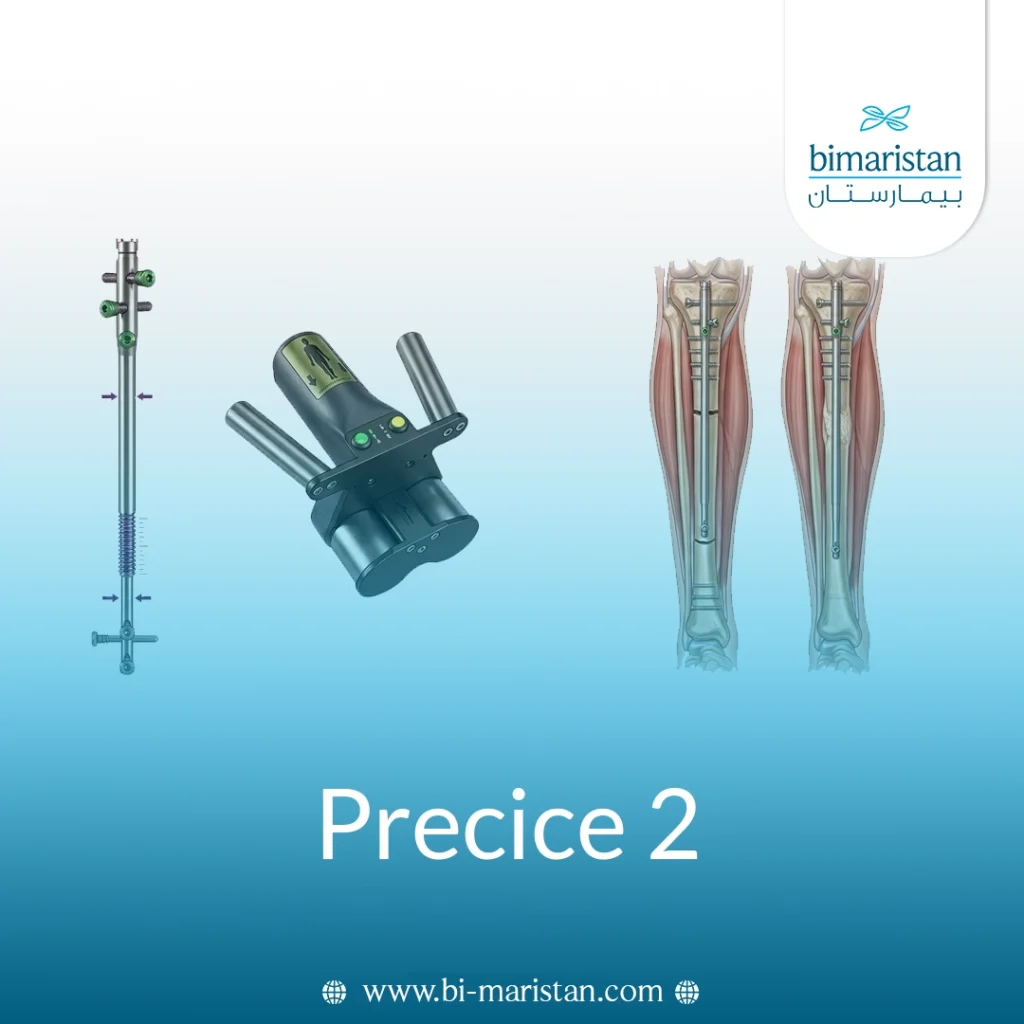



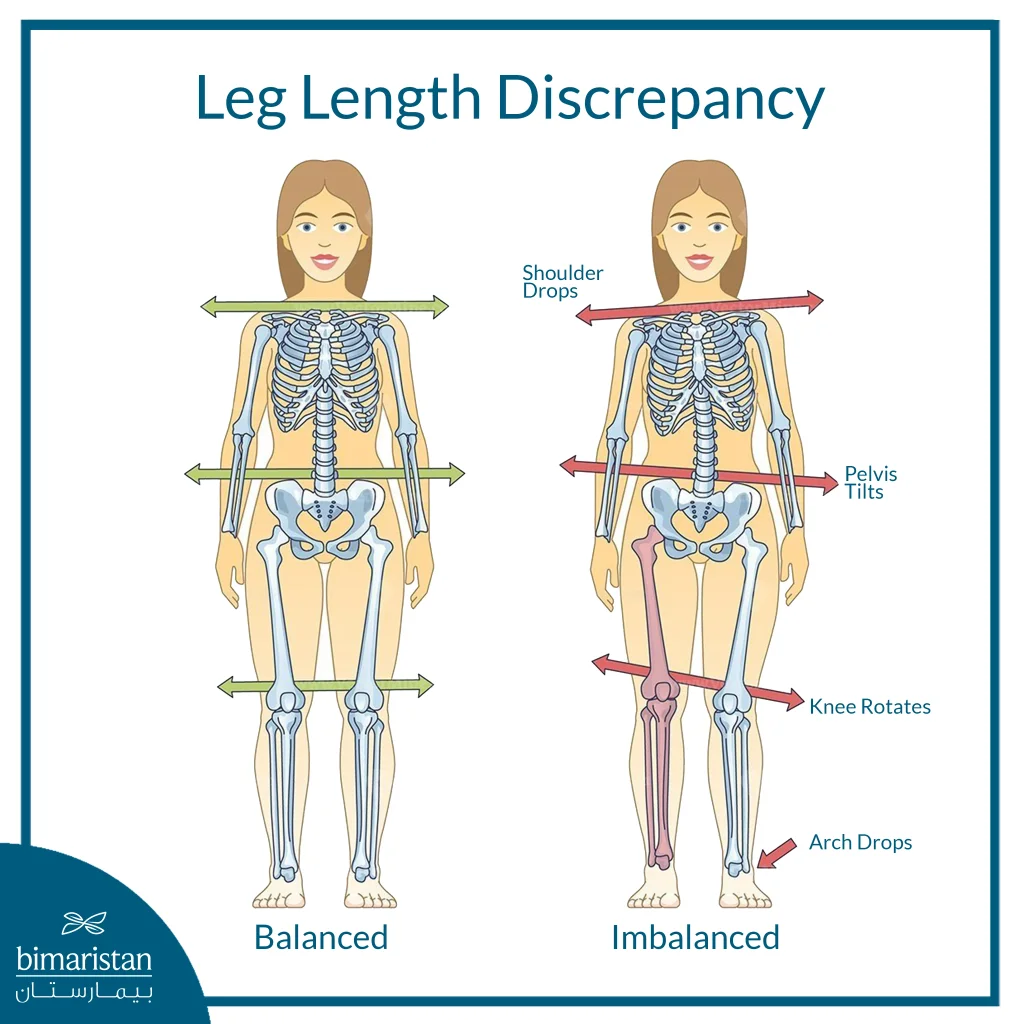
Lower limb length discrepancy is a common challenge following traumatic injuries or major orthopedic surgeries such as bone tumor resection or reconstructive procedures in children and adolescents. These differences in limb length can significantly affect mobility, balance, and normal gait, often requiring precise corrective intervention. Over the past decades, surgeons have relied on external fixation devices to achieve the desired bone length; however, these methods have been associated with several complications, including infection, joint stiffness, and prolonged treatment duration. This has driven the development of more advanced techniques to improve outcomes and reduce complications.
The PRECICE 2 technique has emerged as an innovative solution for internal magnetic limb lengthening. It allows precise control of bone length without bulky external devices, while preserving joint mobility and limb function. This technology focuses on balancing safety and effectiveness, and it also enables early rehabilitation after surgery, making it a promising option for managing limb length discrepancies following reconstruction or tumor resection.
What is PRECICE 2 Technology?
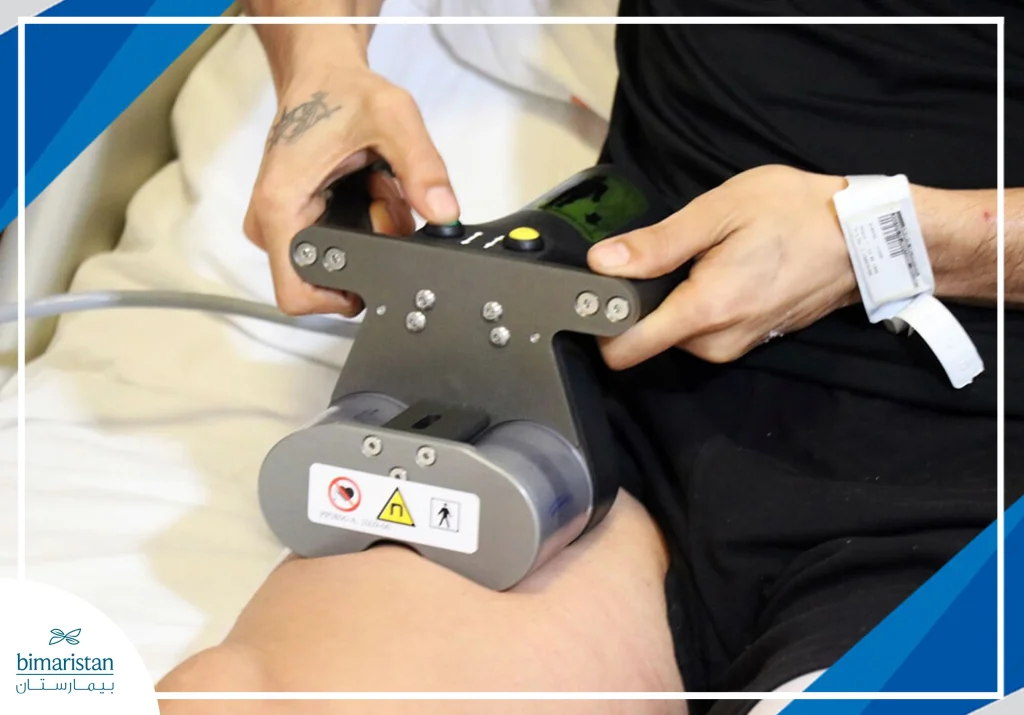
PRECICE 2 is an advanced limb lengthening system used to safely and accurately lengthen or adjust the length of the lower limbs. It is based on an internal intramedullary nail that operates using magnetic technology. The nail is inserted into the bone canal, and its length is gradually controlled using an external remote device. This method reduces the need for traditional external fixation systems, thereby decreasing pain and lowering the risk of infections as well as muscle and joint complications.
PRECICE 2 is used to treat limb length discrepancies caused by bone tumor resection, trauma, or congenital conditions. It provides high precision in achieving the required length while allowing the bone and surrounding soft tissues to adapt gradually. It also supports faster recovery and improved functional outcomes compared to conventional lengthening techniques.
Difference Between PRECICE 1 and PRECICE 2
The difference between PRECICE 1 and PRECICE 2 lies mainly in control precision and ease of use. PRECICE 1 relied on a magnetic intramedullary nail system for bone lengthening, but it had limitations in terms of the maximum achievable length and the precision of daily length adjustment. Some patients also experienced issues with nail stability, partial distraction failure, or the need for additional surgical procedures to correct bone alignment during treatment.
On the other hand, PRECICE 2 improved all of these aspects through a more advanced internal mechanism that allows highly precise control of the daily lengthening rate. This reduces complications and helps preserve joint and muscle function. It is also designed to provide greater lengthening capacity, enabling longer bone gains without repeated surgical interventions. These improvements make PRECICE 2 a safer and more effective option for limb length discrepancy following tumors, trauma, or congenital conditions.
What are the Uses of PRECICE 2 Technology?
PRECICE 2 is used in multiple clinical situations to correct bone length discrepancies and improve limb alignment after injuries or deformities. It is a precise system that allows gradual and controlled adjustment of limb length and function. Its main uses include:
- Correction of limb length discrepancy: It is used to balance leg or arm length when there is a significant difference between them.
- Bone lengthening after bone tumor surgery: It helps restore normal bone length following tumor resection or reconstructive surgery.
- Management of congenital limb deformities: It addresses congenital abnormalities that result in bone shortening or angular deformities.
- Restoration of normal length after complex fractures or trauma: It helps restore both length and function after severe fractures or bone loss.
- Correction of bone alignment deformities: It helps adjust bone positioning in cases of angular or rotational deformities.
- Treatment of growth imbalance in bones: It is used in children and adolescents with unequal or arrested bone growth.
- Adjustment after reconstructive surgery or prosthetic procedures: It improves bone length and alignment following reconstruction or limb replacement.
- Support of bone stability after limb reconstruction procedures: It provides a controlled and safe method to maintain proper bone length and alignment after surgical intervention.
Advantages of PRECICE 2 Technology
PRECICE 2 offers several advantages that make it an advanced option for treating limb-length discrepancies and bone deformities. It provides higher precision and easier monitoring of the lengthening process than traditional methods. Its main advantages include:
- Precise lengthening control: It allows accurate adjustment of the daily distraction rate, reducing the risk of irregular bone growth.
- Reduced pain: Because of the device’s internal design, there is less need for external fixation, thereby reducing postoperative pain.
- Faster recovery: Early movement and partial weight-bearing can begin within a few days, helping maintain joint flexibility and reduce muscle stiffness.
- Lower risk of infection: The absence of external pins significantly reduces the risk of infection compared with external fixation systems.
- Improved functional outcomes: Preserving joint range of motion and limb muscle function during lengthening enhances final functional results.
- Usability after previous treatments: It can be used even in cases of reconstruction following bone tumor removal or previous major surgeries.
- Easy monitoring: Lengthening can be closely monitored and adjusted when needed without additional surgical intervention.
- Reduced need for multiple surgeries: Precise planning and control minimize the need for corrective surgeries.
Studies show that PRECICE 2 performs better than traditional Ilizarov and external fixation techniques in treating limb length discrepancy and correcting deformities. It provides more accurate length restoration with fewer complications, while allowing early joint movement and faster rehabilitation. Compared to external frames, it carries a lower risk of infection and stiffness, and offers a more comfortable patient experience. Reported outcomes show high success rates, with most cases achieving the targeted limb length, making PRECICE 2 a preferred choice for both surgeons and patients.
Steps of the PRECICE 2 Procedure
The PRECICE 2 procedure requires careful planning to ensure the safe and effective correction of limb-length discrepancies and bone deformities. The focus is on preserving bone and joint integrity during lengthening while minimizing complications. The main steps include:
- Preoperative planning: Determining the required lengthening, osteotomy site, and selecting the appropriate size and specifications of the magnetic nail based on imaging and clinical evaluation.
- Patient preparation: Sterilization of the affected limb, administration of anesthesia, and proper positioning to facilitate the surgical procedure.
- Insertion of the magnetic nail: The intramedullary nail is inserted into the bone canal of the selected bone while avoiding injury to joints, vessels, or surrounding structures.
- Osteotomy procedure: The bone is carefully cut to create a controlled lengthening site while preserving surrounding soft tissue and blood supply.
- Nail fixation and alignment confirmation: The position and stability of the nail are confirmed intraoperatively using imaging.
- Gradual lengthening initiation: A few days after surgery, controlled bone lengthening begins using an external magnetic controller according to a predefined schedule.
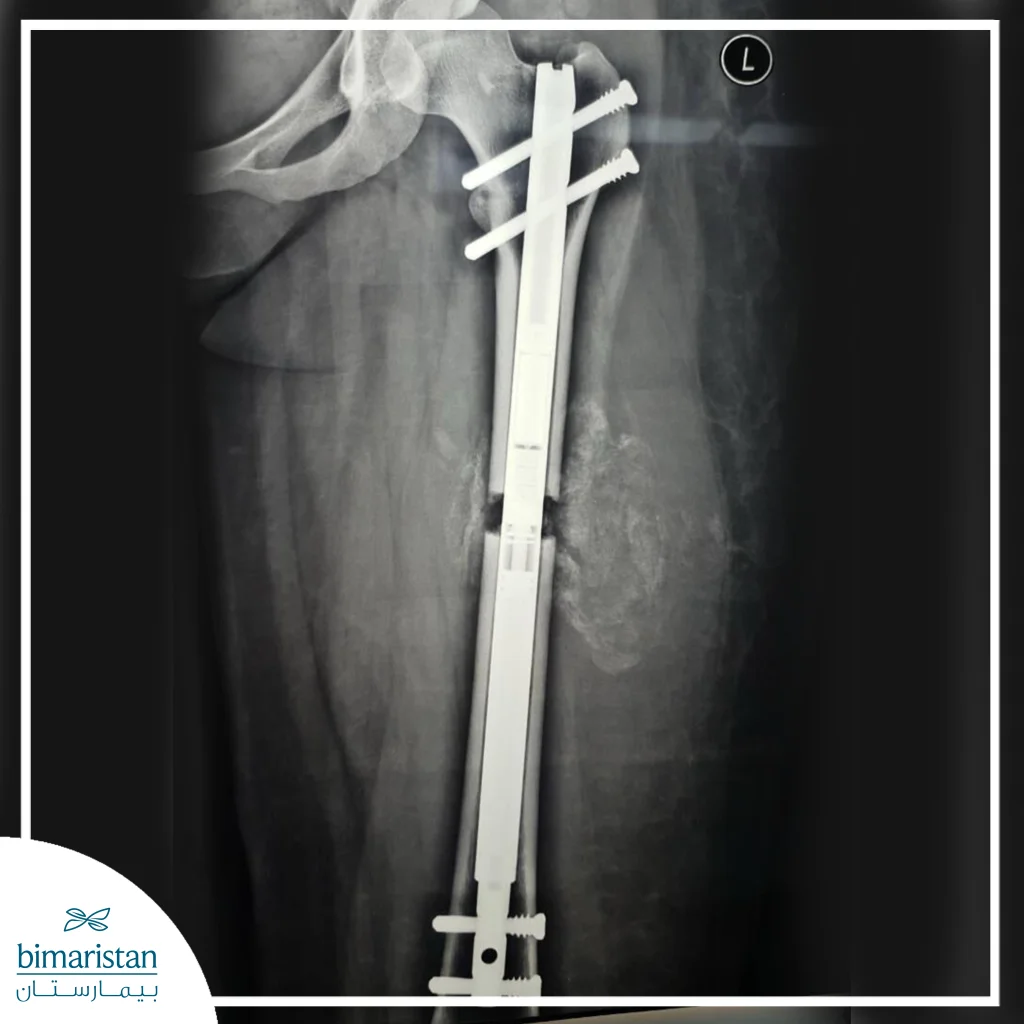
- Follow-up and radiographic monitoring: Regular imaging is performed to ensure proper bone formation and to detect any deviation or complications early.
Complications of PRECICE 2 Technology
Although PRECICE 2 is considered a safe and effective method for treating limb length discrepancy and bone deformities, certain complications may still occur, either during the surgical procedure or during the lengthening phase. Understanding these complications is important for early management and prevention. The main complications include:
- Delayed bone healing: New bone formation at the lengthening site may be slow, requiring adjustment of the distraction rate or close radiographic monitoring.
- Joint stiffness: The lengthening process may affect the knee or ankle joint, leading to stiffness that requires intensive physiotherapy.
- Bone fracture or crack: This may occur due to excessive mechanical stress during lengthening or after nail removal.
- Magnetic nail complications: Such as sudden shortening of the nail or failure to achieve the planned distraction, which may require close monitoring or surgical intervention.
- Loss of alignment: Bone deviation during lengthening can lead to limb malalignment and may require correction.
- Soft tissue complications: Pain, swelling, or pressure on surrounding nerves and muscles may occur during the lengthening phase.
- Risk of infection: Although internal fixation reduces the risk of infection compared with external fixators, surgical site infection remains a possible complication.
- Final limb length discrepancy: In some cases, the desired length is not fully achieved, resulting in a mild residual difference.
Recovery and Rehabilitation After Surgery
The recovery and rehabilitation phase after limb lengthening with PRECICE 2 is a critical stage for ensuring full functional restoration and minimizing complications. Early mobilization is usually started after surgery, with partial weight-bearing allowed on the treated limb along with daily physiotherapy sessions to maintain joint mobility and prevent stiffness. During the lengthening phase, new bone formation is regularly monitored with radiographic imaging, and the distraction rate is adjusted as needed. After completion of lengthening and once bone stability is achieved, weight-bearing is gradually increased, while physiotherapy continues to strengthen muscles and improve balance. Strict adherence to the rehabilitation plan ensures safe restoration of limb length and function.
Comparison of PRECICE 2 Surgery Cost in Turkey and Europe
The cost of limb lengthening surgery using PRECICE 2 varies depending on included services. In Turkey, the price is usually around 56,000 USD when the surgery alone is included, without hotel accommodation, while it may reach 68,000 USD if a 3-month hotel stay is included in the package.
| Country | Approximate Cost (USD) |
|---|---|
| Turkey | 56,000 – 68,000 |
| Germany | 60,000 – 80,000 |
| France | 60,000 – 80,000 |
| United Kingdom | 75,000 – 120,000 |
| Spain | 60,000 – 85,000 |
Why Turkey is the Best Choice for PRECICE 2 Surgery
Turkey is one of the leading destinations for PRECICE 2 limb lengthening surgery, offering high-quality medical care at relatively lower costs than in Europe and the United States. In addition to experienced surgeons and specialized centers, Turkey offers a comprehensive treatment experience for international patients. Its main advantages include:
- Lower cost compared to other countries: Prices are significantly lower than in Germany, France, the United States, and Spain, making treatment more accessible.
- High surgical expertise: Turkish orthopedic surgeons have extensive experience in PRECICE 2 procedures and complex limb reconstruction surgeries.
- Advanced hospitals and technology: Medical centers are equipped with modern devices and advanced surgical technologies.
- Comprehensive international patient services: accommodation, translation, and medical transport for foreign patients.
- Faster recovery and integrated rehabilitation: Rehabilitation programs are designed to accelerate return to normal life.
- High success rates: Clinical outcomes show achievement of targeted limb length with reduced complication rates.
- Strategic geographic location: Easy access from Europe and the Middle East, reducing travel burden for patients.
- Postoperative follow-up care: Continuous monitoring ensures stable results and rapid management of any complications.
For more information about PRECICE 2 limb-lengthening surgery and integrated medical services, contact the Piemaristan Center for a direct consultation with specialized experts.
In conclusion, PRECICE 2 is an advanced and safe solution for correcting limb-length discrepancies and treating bone deformities. It has proven effective in achieving precise results while preserving joint mobility and reducing complications compared to traditional methods such as Ilizarov or LON techniques. Its advantages include precise control of bone length, easier rehabilitation, and a lower risk of infection due to its internal magnetic system, making it a preferred option for patients seeking functional and structural limb restoration.
Studies and high success rates demonstrate stable long-term outcomes with shorter recovery periods compared to traditional approaches. Turkey stands out as an ideal destination for this procedure due to its reasonable costs, specialized medical expertise, and modern, well-equipped hospitals. These factors together provide patients with a comprehensive treatment experience, including surgery, rehabilitation, and close follow-up, ultimately improving overall outcomes and patient satisfaction.
sources:
- Campanacci, L., Cevolani, L., Focaccia, M., Di Gennaro, G. L., Dozza, F., Staals, E., Zuccheri, F., Bianchi, G., Donati, D. M., & Manfrini, M. (2023). Lengthening patients previously treated for massive lower limb reconstruction for bone tumors with the PRECICE 2 nail. Children (Basel), 10(11), 1772.
- Nasto, L. A., Coppa, V., Riganti, S., Ruzzini, L., Manfrini, M., Campanacci, L., Palmacci, O., & Boero, S. (2020). Clinical results and complication rates of lower limb lengthening in paediatric patients using the PRECICE 2 intramedullary magnetic nail: A multicentre study. Journal of Pediatric Orthopaedics B, 29(6), 611–617.
- M. J., Alshoaibi, F. A., Alshuaibi, A. A., Almohammadi, A. F., Almaghrabi, H. A., Alsaady, A. M., & Alsayyad, J. M.** (2025). Results of lower limb bone lengthening by using motorized and magnet‑driven intramedullary nails to treat limb length discrepancy. Cureus, 17(1), e77212.