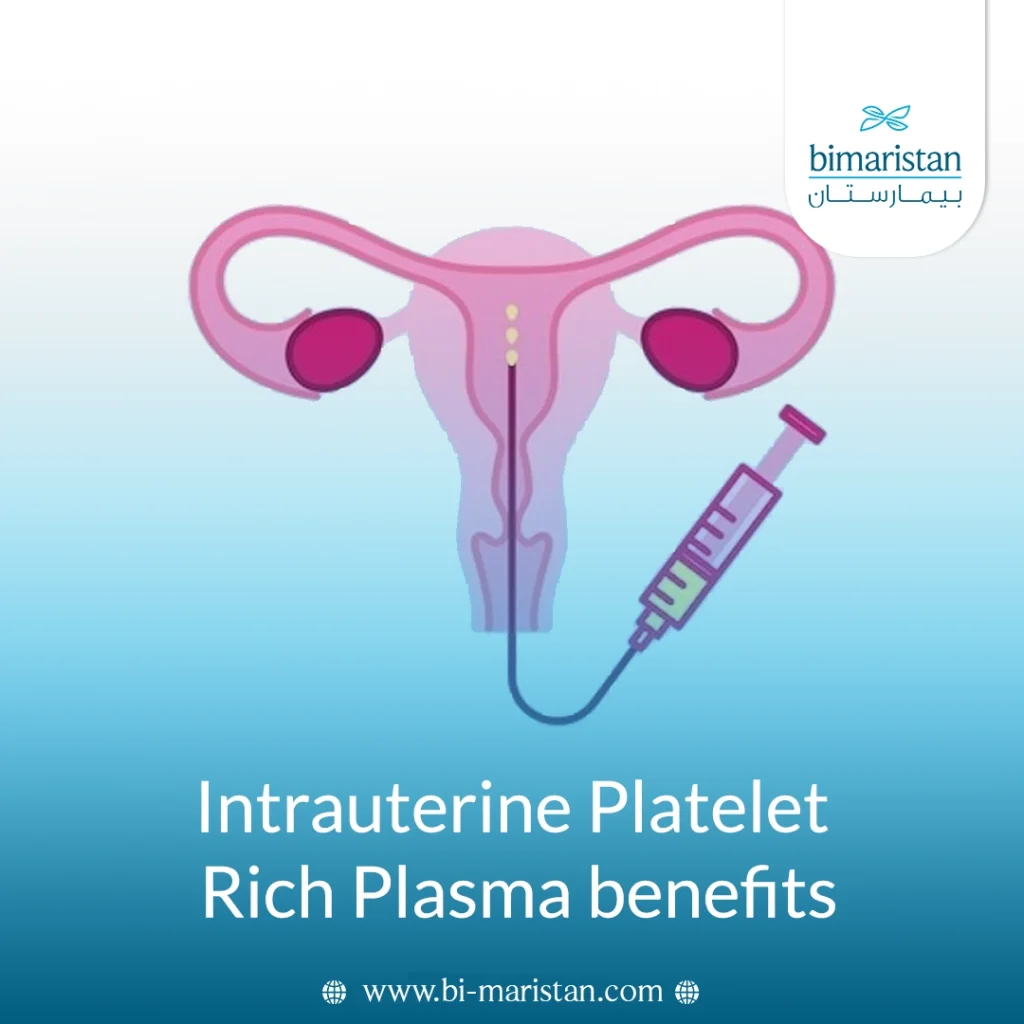
Modern reproductive treatments have seen remarkable advancements in recent years, particularly in the areas of improving female fertility and treating endometrial disorders. Among the techniques that have garnered increasing attention is intrauterine PRP, because intrauterine PRP benefits in improving endometrial thickness and increasing the chances of implantation have been proven. This method relies on using components from the patient’s own blood to stimulate tissue regeneration and improve the uterine environment. This technique is increasingly being used as a supportive option in cases of a thin endometrium or after repeated failed attempts at assisted reproduction.
What are intrauterine PRP injections?
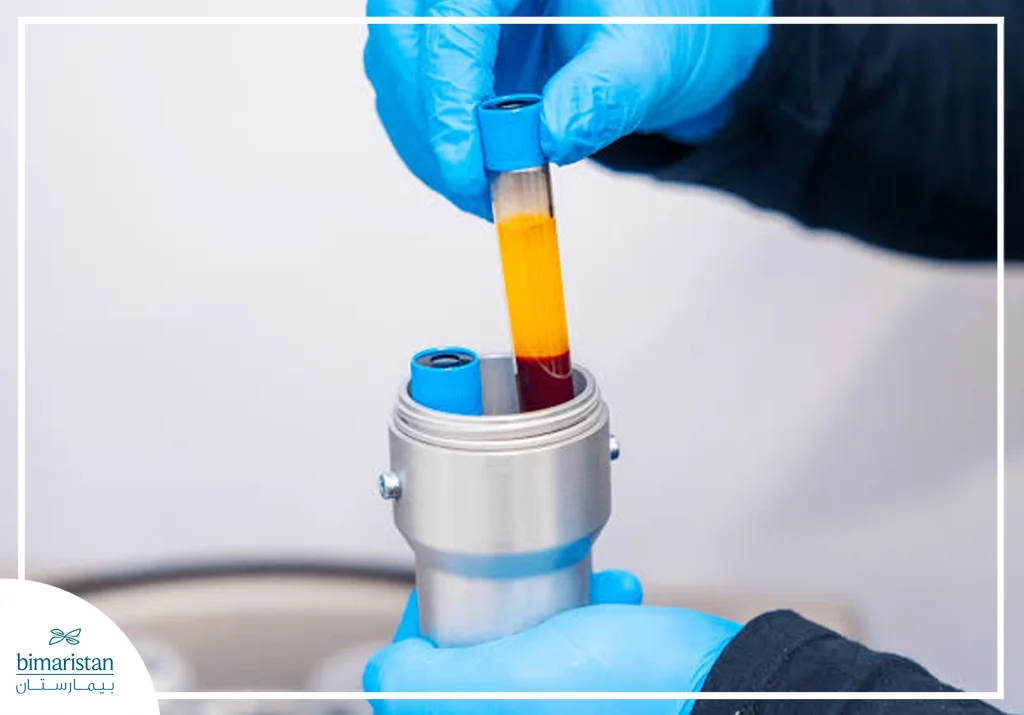
intrauterine PRP injection is a medical procedure that uses platelet-rich plasma (PRP), a concentrated component of blood that contains growth factors and bioactive proteins that aid in tissue repair and regeneration. This plasma is obtained by drawing a small amount of the patient’s blood, which is then centrifuged to separate its components and extract the platelet-rich fraction. This plasma is then injected directly into the uterine cavity to improve endometrial quality and enhance its ability to receive an embryo.
How do intrauterine PRP injections improve uterine health?
-Intrauterine PRP works through multiple biological mechanisms that directly affect the endometrium. It stimulates cell division and regenerates the inner lining of the uterus, leading to increased endometrial thickness and improved quality. It also helps improve blood flow within the uterine microvasculature, which is a key factor in successful implantation. In addition, the plasma contains factors that reduce local inflammation, creating a more stable environment that is better prepared to receive the embryo in assisted reproduction procedures.
Intrauterine PRP Benefits and Conditions for Which They Are Used
Platelet-rich plasma (PRP) injections are a technique used to improve the uterine environment and support fertility, particularly in women who suffer from endometrial issues or recurrent pregnancy loss. The procedure works by promoting cellular regeneration and improving the endometrium’s readiness to receive an embryo, making it a supportive option in some cases of delayed conception. Key benefits and situations in which it is used:
- Improving Endometrial Thickness in Women with Thin Endometrium
- Increasing the Chances of Embryo Implantation in In Vitro Fertilization (IVF) Cases
- Management of Recurrent Implantation Failure Despite Good-Quality Embryos
- Improving the Endometrium’s Response to Hormonal Therapies
- Treatment for Recurrent Miscarriages Associated with Endometriosis
- Improving the Intrauterine Environment in Cases of Unexplained Delayed Conception
- Reducing local inflammation within the endometrium
How is a plasma injection into the uterus performed?
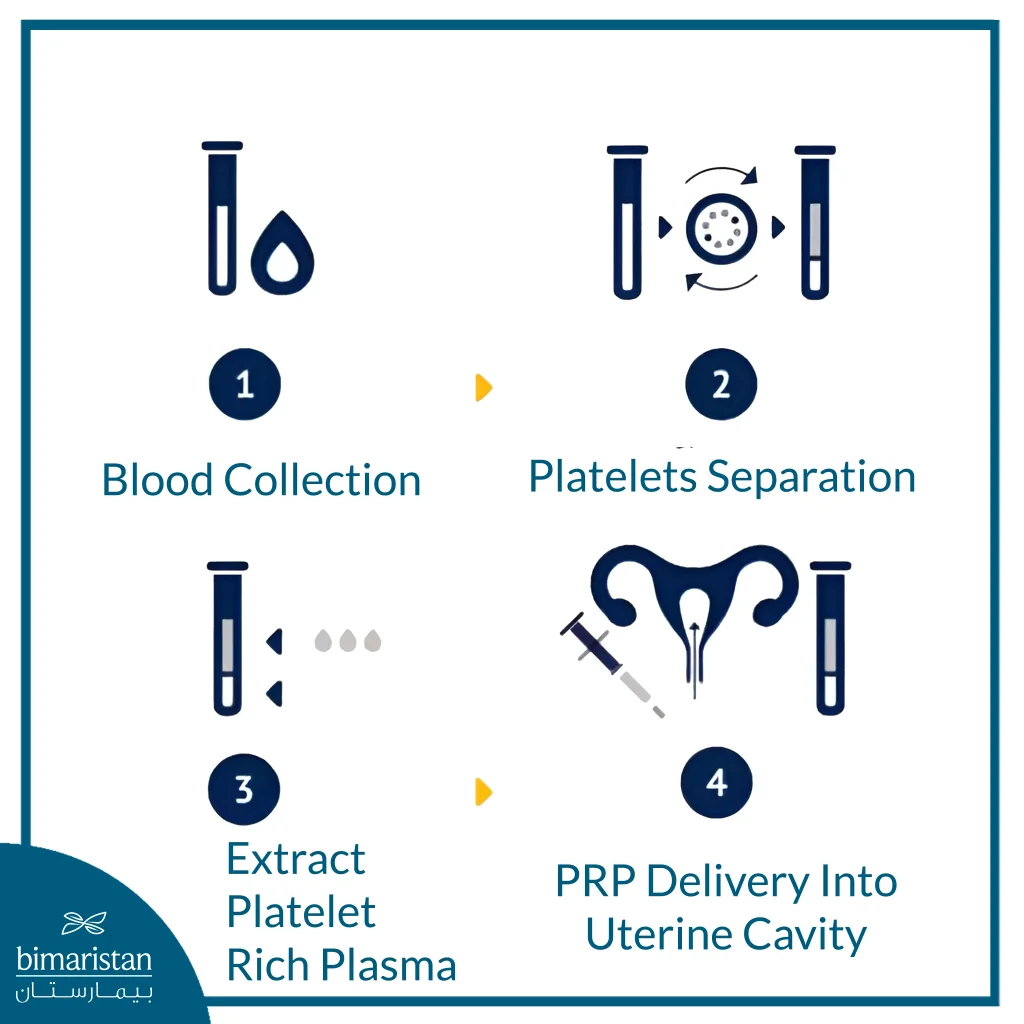
The procedure is performed according to precise medical protocols designed to prepare platelet-rich plasma and then inject it into the uterus safely and quickly; it usually does not require general anesthesia. Steps of the procedure:
- A small amount of blood is drawn from the patient
- Place the sample in a centrifuge to separate the blood components
- Platelet-Rich Plasma (PRP) Extraction
- Preparation of plasma under sterile conditions for use
- Insertion of a thin catheter through the cervix
- Precise Intrauterine Plasma Injection
- Monitor the patient for a short time after the procedure to ensure her condition is stable
How long does an intrauterine plasma injection procedure take?
The session usually lasts 15 to 30 minutes, and the patient can resume her normal activities the same day without needing a long recovery period.
Can it be used with in vitro fertilization (IVF)? Are there alternatives to plasma injections?
Yes, It is often used as an adjunctive treatment before or during IVF cycles to improve the chances of successful implantation. There are alternatives to plasma injections, including hormonal therapies to improve the endometrium or other treatments depending on the cause of the problem, such as adhesions or hormonal imbalances.
Is a plasma injection into the uterus safe?
This technique is considered relatively safe because it uses the patient’s own blood, which significantly reduces the risk of an allergic reaction or rejection of the injected material. However, some mild and temporary symptoms may occur, such as mild uterine cramps or a feeling of discomfort for a few hours after the procedure. Safety is greatly enhanced when the procedure is performed at a specialized medical center in accordance with strict sterile protocols and following a prior evaluation to ensure the treatment is appropriate.
Expected Results After Plasma Injection into the Uterus
Results vary from patient to patient depending on the underlying condition of the uterus and the cause of the problem. In some cases, an improvement in endometrial thickness may be observed. This may lead to an increased chance of pregnancy, especially in cases of assisted reproduction. However, results are not guaranteed, as the effectiveness of the treatment depends on several factors, including age, embryo quality, and overall reproductive system health.
When do the results of a plasma injection into the uterus become apparent?
Results often begin to appear within one to two menstrual cycles, as the endometrium thickens and becomes ready for implantation.
Why is Turkey the best choice for uterine plasma injections?
Turkey is considered one of the leading medical destinations for modern fertility treatments, including intrauterine plasma injections, thanks to significant advancements in reproductive medicine and the adoption of modern treatment protocols that prioritize precision and results. It also combines a high level of medical expertise with affordable costs compared to many European countries, making it a practical choice for many patients seeking effective and reliable treatment. Key features:
- We offer specialists in fertility and infertility with extensive experience
- Use of the latest medical technologies in the preparation and injection of plasma
- Medical care that meets European standards
- Lower medical costs compared to Europe and the United States
- Centers specializing in assisted reproduction and gynecology
- A supportive medical environment with close monitoring before and after the procedure
Why is the Bimaristan Center the best choice?
The Bimaristan Center is a medical center specializing in fertility services and assisted reproductive technologies. It relies on a thorough evaluation of each case to develop a personalized treatment plan that maximizes the chances of conception. The center also places great emphasis on the diagnosis and follow-up phases to ensure the best possible outcomes for every patient. Key features:
- A thorough medical evaluation of endometriosis before starting treatment
- Treatment plans tailored to each patient based on her condition
- Supervised by physicians specializing in fertility and assisted reproduction
- Medical Follow-up Before and After Plasma Injection
- Use of modern, approved treatment protocols
- A structured therapeutic environment focused on the quality of outcomes
In conclusion, intrauterine plasma injection is a promising adjunctive technique for treating endometrial issues and improving fertility, especially in women with thin endometrium or recurrent implantation failure. Although results vary depending on health status and individual factors, this procedure offers an additional treatment option that can help improve the chances of pregnancy when used as part of a comprehensive medical plan and under the supervision of a fertility specialist.
Sources:
- National Library of Medicine. (n.d.). Studies on platelet-rich plasma and the endometrium. Retrieved June 28, 2026,
- Johns Hopkins Medicine. (n.d.). Platelet-rich plasma (PRP) treatment. Retrieved June 28, 2026, from Johns Hopkins Medicine – PRP treatment Karadbhajne P, Dzoagbe HY, More A. Platelet-Rich Plasma (PRP) for Endometrial Treatment: Efficacy and Safety in Assisted Reproductive Technology—A Comprehensive Review. Cureus. May 6, 2024;16(5):e59728. doi: 10.7759/cureus.59728. PMID: 38841044; PMCID: PMC11151180.