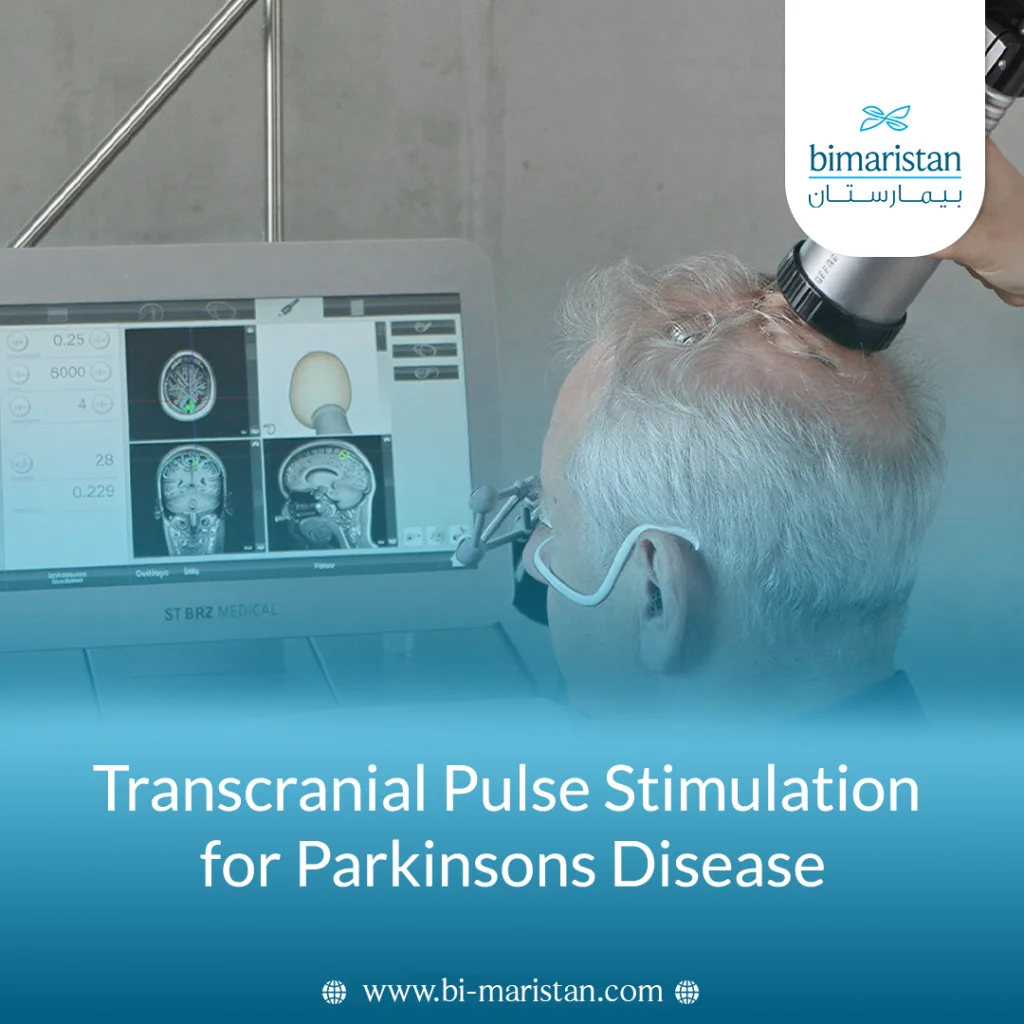


Parkinson’s disease is one of the most common neurodegenerative disorders, affecting more than 10 million people worldwide, with a marked increase in incidence with advancing age. As treatment options have evolved, transcranial pulse stimulation for Parkinson’s disease has emerged as a modern approach aimed at regulating electrical activity in the brain. This technique involves delivering precise electrical pulses to specific areas responsible for controlling movement. Studies have shown that this approach can significantly reduce symptoms and improve functional performance in patients.
What is Transcranial Pulse Stimulation for Parkinson’s Disease?
Transcranial pulse stimulation for Parkinson’s disease is a modern non-surgical neurostimulation technique; it involves delivering short, high-precision mechanical pulses to the brain using focused sound waves. This technique directly affects nerve cells without causing a noticeable thermal effect, making it a relatively safe option compared to some other stimulation methods.
The mechanism of this treatment is based on mechanotransduction, whereby the pulses activate pressure-sensitive ion channels within neurons, triggering a series of biochemical reactions in the brain. This may be associated with increased secretion of neurotrophic factors and improved connectivity between brain networks, which may have a positive effect on both motor and non-motor symptoms in patients with Parkinson’s disease.
Although the use of transcranial pulse stimulation for Parkinson’s disease is still in the research phase, preliminary results suggest that it may improve certain symptoms, such as tremors and movement disorders, especially when used as an adjunct to traditional drug therapies.
How does transcranial pulse stimulation for Parkinson’s disease work?
Transcranial pulse stimulation for Parkinson’s disease involves sending very short electrical pulses in the form of shock waves precisely directed toward specific areas of the brain, where these pulses can penetrate several centimeters deep into the neural tissue without affecting only the cortical surface. These pulses are typically directed at areas responsible for controlling movement, such as the motor cortex or associated networks.
These pulses stimulate pressure-sensitive ion channels within neurons, causing changes in the cells’ electrical activity and triggering new nerve signals. This process also triggers a series of biological reactions that may increase the release of neurotransmitters and growth factors—such as dopamine and neurotrophic factors—which play a pivotal role in improving motor function.
On the other hand, research suggests that this type of stimulation can improve connectivity between different neural networks within the brain, particularly those associated with motor circuits such as the corticobasal ganglionic circuit. This effect may explain the noticeable improvement in some symptoms of Parkinson’s disease, such as tremors and bradykinesia, following stimulation sessions.
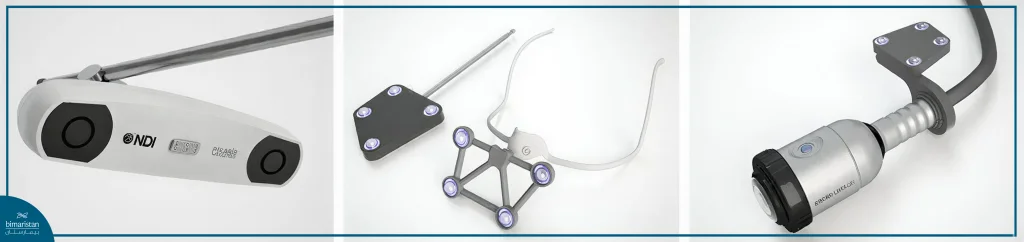
The Benefits of transcranial pulse stimulation for Parkinson’s disease
Transcranial pulse stimulation for Parkinson’s disease is a modern technique that has shown promising results in improving symptoms associated with the disease, especially when used as an adjunct therapy alongside conventional medications. Its effectiveness relies on modulating neural activity in the networks responsible for movement, which may directly impact patients’ motor function and quality of life, although current evidence is still in its early stages. The most notable potential benefits of this treatment include the following:
- Reducing the Severity of Tremors: Studies have shown a significant reduction in the amplitude of tremors following stimulation sessions, with the effect potentially persisting for some time after the session ends.
- Improvement in overall motor function: Improvements were observed in motor parameters such as bradykinesia and rigidity, along with a reduction in disease assessment scores such as the UPDRS.
- Enhancing the effectiveness of drug therapy: It can be used as an adjunctive therapy without the need to discontinue medications, which helps achieve better outcomes in patients who do not respond adequately to drug therapy alone.
- A non-surgical and relatively safe procedure: It does not require any surgical intervention or the implantation of devices inside the body, and in most cases, only mild and temporary side effects have been reported.
- Potential to improve certain non-motor symptoms: Some data suggest it may have a positive effect on mood or cognitive function, although further studies are needed to confirm this.
Based on these findings, this type of treatment is considered a promising option among modern treatment strategies, especially for patients seeking additional solutions to improve their symptoms without resorting to surgery.
Potential Risks and Side Effects
Although transcranial pulse stimulation for Parkinson’s disease is classified as a relatively safe non-surgical treatment, it is not without certain risks and side effects that must be taken into account, especially given the limited number of long-term studies and the fact that it is currently used as an adjunctive treatment rather than a definitive alternative to standard therapies. It is therefore important to evaluate each case individually before starting treatment to ensure the best balance between benefits and risks. The most notable risks and potential side effects include the following:
- Temporary headache: This is one of the most common symptoms following sessions; it is usually mild and resolves on its own within a short period of time.
- Discomfort or pain on the scalp: Some patients may experience a mild sensation of pressure or discomfort in the area where the device is applied, which does not require medical intervention.
- Temporary fatigue or exhaustion: This may occur after the session as a result of the treatment’s effect on nervous system activity, but it is usually temporary.
- Mild dizziness: A limited number of cases of mild dizziness have been reported, which quickly subsides after the session ends.
- Uncertainty regarding long-term effects: Because the technology is relatively new, data on long-term safety remain limited, necessitating close follow-up of patients.
Accordingly, it is recommended that this treatment be administered at specialized centers under close medical supervision, with ongoing monitoring to detect any unexpected effects and ensure patient safety.
The Difference Between Transcranial Pulse Stimulation for Parkinson’s Disease and Other Neurological Treatments
Transcranial pulse stimulation for Parkinson’s disease is one of the latest neurostimulation techniques and is characterized by a mechanism of action that is relatively different from that of other techniques, whether non-surgical or surgical. The main differences lie in the type of energy used, the depth of the effect within the brain, the level of therapeutic intervention, and the extent to which its effectiveness has been clinically proven. The key differences can be summarized as follows:
- Transcranial Pulse Stimulation (TPS) vs. Transcranial Magnetic Stimulation (TMS):
- TPS relies on mechanical (shock) waves that directly affect neurons through biomechanical transduction, while TMS relies on magnetic fields that generate electrical currents within the brain.
- TPS is characterized by its ability to reach deeper regions with greater precision, whereas the effects of TMS are often limited to the superficial cerebral cortex.
- Furthermore, the effects of TPS are associated with biological changes (such as neurotrophic factors), whereas TMS focuses more on modulating the immediate electrical activity of neural networks.
- Transcranial Pulse Stimulation (TPS) vs. Transcranial Direct Current Stimulation (tDCS):
- tDCS uses weak electrical currents applied across the scalp to modulate neuronal excitation, but it is less precise in targeting and weaker in effect.
- In contrast, TPS provides more focused and profound stimulation, with broader biological effects that include improved blood flow and enhanced neural connectivity.
- Transcranial Pulse Stimulation (TPS) vs. Deep Brain Stimulation (DBS):
- DBS is considered the most effective treatment for advanced cases, but it is a surgical procedure that requires the implantation of electrodes inside the brain.
- TPS is completely non-surgical and does not require the implantation of any devices, which reduces surgical risks and recovery time.
- In contrast, TPS remains less well-established in terms of long-term effectiveness compared to DBS, and is currently used as an adjunctive treatment rather than a primary alternative.
- In terms of the level of scientific evidence:
- Technologies such as DBS are strongly supported by large-scale clinical studies.
- As for TPS, despite its promising results in improving motor symptoms such as tremor and reducing UPDRS scores, the evidence remains limited and is based on small or preliminary studies.
Accordingly, pulsed stimulation can be considered a modern option that combines relative safety with the ability to reach deep within the brain; however, it is still in the clinical development phase and is currently used as part of an integrated treatment plan rather than as a substitute for established treatments.
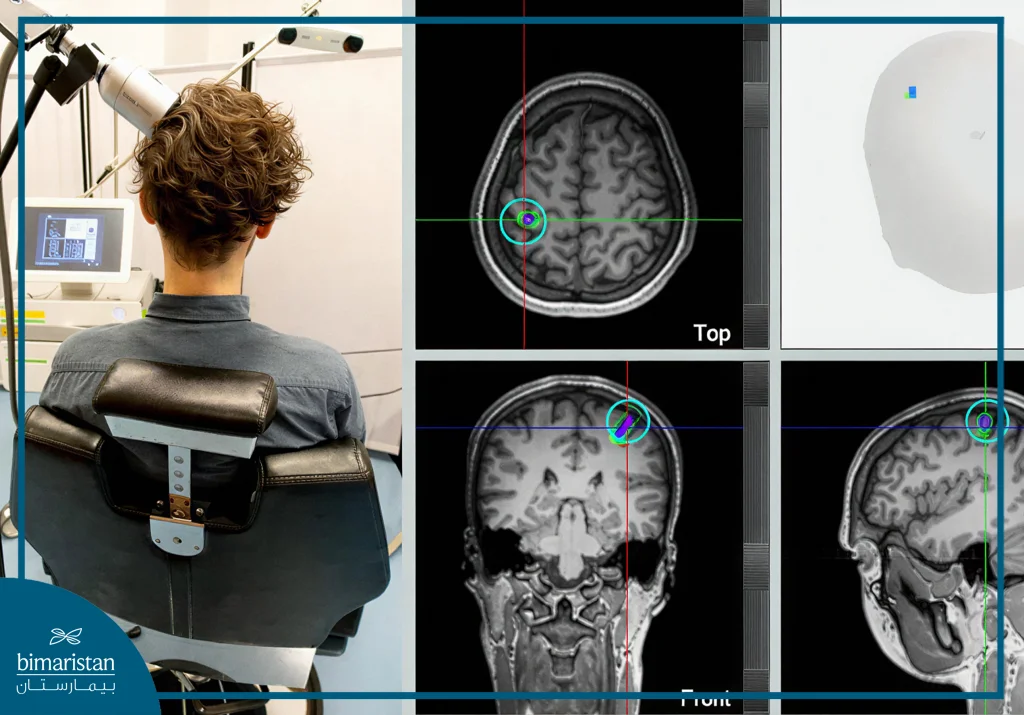
Treatment Outcomes and Success Rates
Current data suggest that transcranial pulse stimulation for Parkinson’s disease may lead to a marked improvement in motor symptoms, with studies showing a reduction in tremor severity and an improvement in motor performance according to validated assessment scales such as the UPDRS following treatment sessions. Some studies have also shown that this improvement may persist for a short time after the session, reflecting a direct effect on movement-related neural activity.
In other studies, a clear improvement in motor symptoms was observed when stimulation was used as an adjunctive therapy, with UPDRS scores decreasing significantly after a series of sessions compared to pre-treatment values. However, these results remain preliminary and are based on small or short-term studies, meaning that the exact success rate remains undetermined and larger clinical trials are needed to confirm long-term efficacy.
In conclusion, transcranial pulse stimulation for Parkinson’s disease represents a quantum leap in the management of cases that do not respond adequately to traditional drug therapy. With continuous advances in neurostimulation technologies, outcomes have become more precise and safer, thereby enhancing the prospects for improving patients’ quality of life. Choosing the right medical center plays a pivotal role in the success of this type of precision treatment. In this context, the Bimaristan Medical Center offers advanced solutions based on the latest technologies under the supervision of a team of elite specialists, making it a trusted choice for patients seeking comprehensive care.
Sources:
- Chen, X., You, J., Ma, H., Zhou, M., & Huang, C. (2024). Transcranial pulse stimulation in Alzheimer’s disease.
- Cheung, T., Li, T. M. H., Ho, Y. S., Kranz, G., Fong, K. N. K., Leung, S. F., Lam, S. C., Yeung, W. F., Lam, J. Y. T., Fong, K. H., Beisteiner, R., Xiang, Y. T., & Cheng, C. P. W. (2023). Effects of transcranial pulse stimulation (TPS) on adults with symptoms of depression: A pilot randomized controlled trial.
- Fong, T. K. H., Cheung, T., Ngan, S. T. J., Tong, K., Lui, W. Y. V., Chan, W. C., Wong, C. S. M., & Cheng, C. P. W. (2023). Transcranial pulse stimulation in the treatment of mild neurocognitive disorders.
- Manganotti, P., et al. (2024). Effect of a single session of transcranial pulse stimulation (TPS) on resting tremor in patients with Parkinson’s disease.