Facial features and a smile play a crucial role in self-confidence and effective communication. However, some individuals may face structural or functional issues that affect their daily lives, such as difficulty chewing, speaking, or breathing. This is where specialized medical intervention becomes essential to restore balance and harmony to the face and jaws.
Deciding to undergo a complex medical procedure requires extensive research and careful consideration. This comprehensive guide provides a detailed, step-by-step overview of everything related to jaw surgery, from the indications and reasons for the procedure to the preparations and steps of the surgery, the recovery phase, and the recommended diet.
What is jaw surgery?
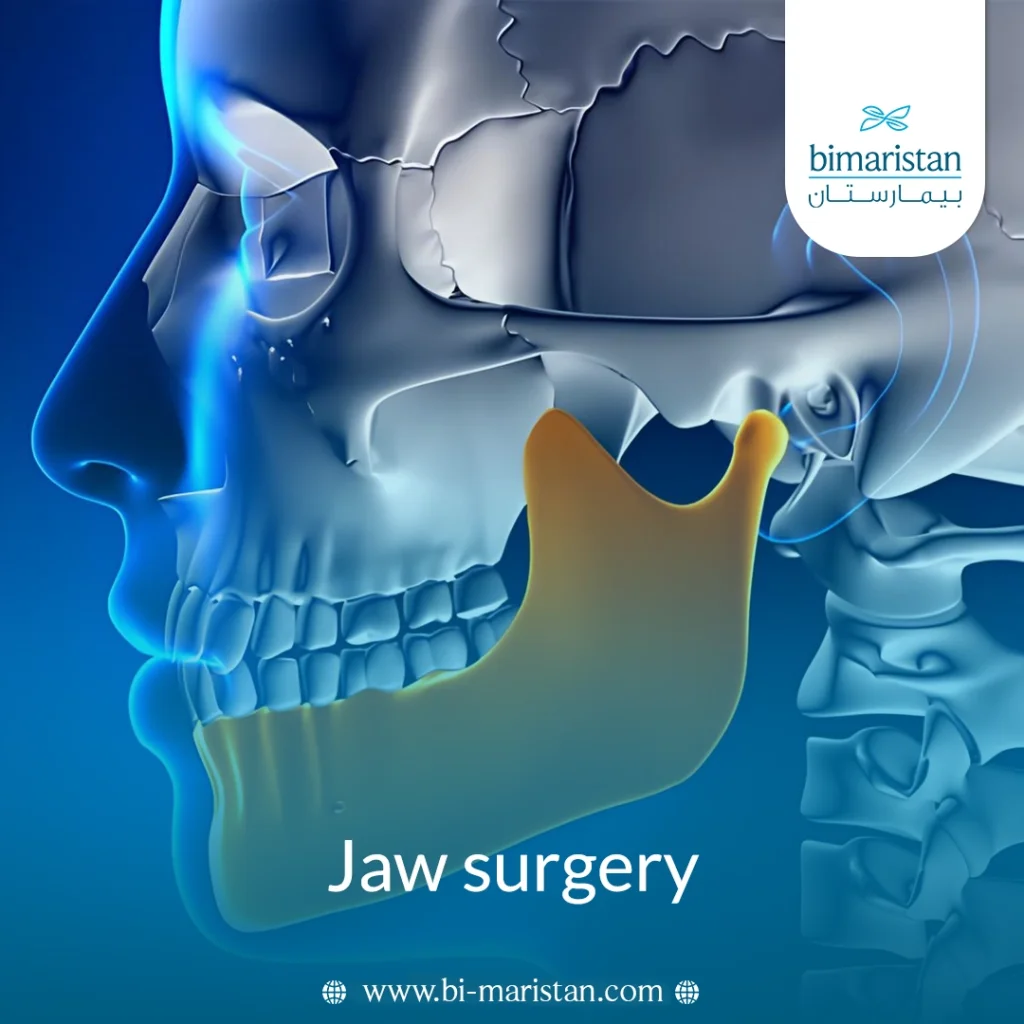
Jaw surgery, medically known as orthognathic surgery, is a specialized surgical procedure performed by a maxillofacial surgeon in close collaboration with an orthodontist. The main purpose of this surgery is to correct jawbone irregularities and realign the jaws and teeth for better functionality.
Jaw surgery is important not only for its functional benefits but also for enhancing the overall appearance of the face. By improving jaw function, the surgery contributes to a more harmonious and aesthetically pleasing facial structure. In essence, it reconstructs the facial skeleton to ensure both efficient function and a more balanced look.
Medical and cosmetic reasons: When do you need jaw surgery?
This procedure is often resorted to when orthodontics alone is insufficient to resolve the issue. The problem is primarily related to the size or position of the jawbone, not just the alignment of the teeth. Some of the most prominent reasons for surgical intervention include:
- Facial asymmetry: such as a tilt of the jaw to one side, or a prominent chin that is not in harmony with the rest of the facial features.
- Speech and pronunciation problems: Gaps between the front teeth or a receding jaw significantly affect the articulation of letters and the clarity of speech.
- Difficulty chewing and swallowing: Misaligned jaws make chewing food difficult and painful, which can lead to digestive problems over time.
- Chronic pain in the temporomandibular joint: Muscular and structural imbalances cause persistent pain in the jaw joint, chronic headaches, and tinnitus.
- Excessive tooth wear: When teeth do not fit together properly, enormous pressure is placed on certain parts of the teeth, leading to enamel erosion and premature tooth breakage.
- Treatment of congenital or acquired jaw deformities: whether caused by genetic factors from birth or by facial injuries resulting in malunion.
- Obstructive sleep apnea syndrome: In some cases, severe retrusion of the lower jaw can narrow the airway during sleep. Surgery offers a definitive solution by advancing the jaw and widening the airway.
Types of jaw deformities that require surgical intervention
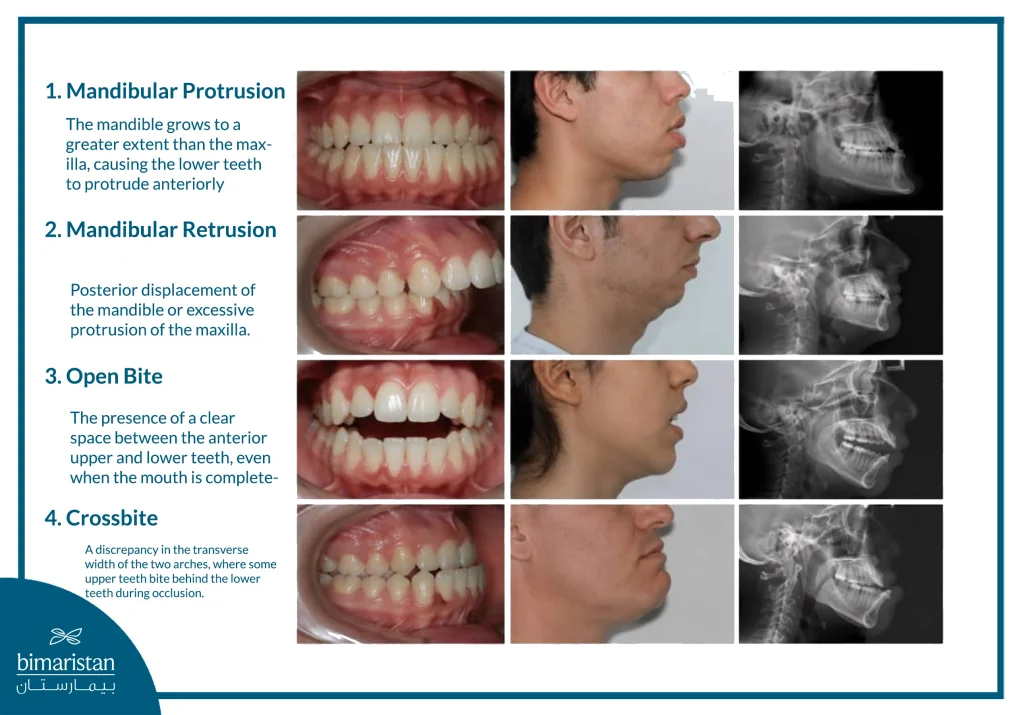
Maxillofacial clinics diagnose a wide variety of conditions. The following table lists the most common jaw deformities that require surgical intervention:
| Type of malformation (Condition) | Medical description and physical appearance | Functional impact |
| Mandibular protrusion | The lower jaw grows more than the upper jaw, causing the lower teeth to protrude in front of the upper teeth when the mouth is closed | Difficulty chewing food at the front of the mouth, a “protruding chin,” and speech problems |
| Mandibular retrusion | The lower jaw is set back, or the upper jaw protrudes excessively | A lack of a well-defined chin, risk of sleep apnea, and gum infections |
| Open bite | There is a noticeable gap between the upper and lower front teeth, even when the mouth is completely closed | Extreme difficulty chewing, obvious problems pronouncing letters, and constant mouth breathing |
| Reverse bite | The jaws are not wide enough, so that some of the upper teeth get behind the lower teeth when biting | Unbalanced chewing, severe pain in the jaw joint, and uneven tooth wear |
Multidisciplinary medical team
The success of jaw surgery does not depend on a single person; it results from the collaboration of a comprehensive medical team. This team typically consists of:
- Orthodontist: This specialist moves the teeth into their correct positions before and after surgery to ensure they align properly when the surgeon repositions the bones.
- Oral and maxillofacial surgeon: A specialist with expertise in both dentistry and medicine who performs surgical incisions and bone adjustments.
- Anesthesiologist: To ensure the patient’s condition remains stable during surgery, which may last several hours.
- Speech and language therapist: (in some cases) to help the patient adapt to the new jaw position and get rid of old verbal habits.
Preoperative preparation steps
Many people believe surgery is the first step, but in reality, preparing for jaw surgery requires a long commitment and patience from the patient.
1. Assessment and planning phase (initial consultations)
The journey begins with a visit to an oral and maxillofacial surgeon and an orthodontist. During this stage, the team takes complete impressions of the teeth (plaster casts or 3D scans), along with photographs of the face from multiple angles and advanced X-ray imaging (such as CBCT scans). This data is then entered into specialized computer programs that simulate the surgical procedure and predict the final result, allowing both the doctor and the patient to visualize the expected change before any action is taken.
2. The preparatory phase of orthodontic treatment
Before undergoing surgery, the patient must wear braces (usually for 12 to 18 months). The goal of this orthodontic treatment is not to immediately improve the appearance of the teeth, but rather to position each tooth at the angle and location that will fit the new skeletal structure after surgery. The patient may notice that their bite has worsened during this phase; this is normal and temporary, as the teeth are being prepared for their future position in the jaw.
3. Final medical examinations
A few weeks before the surgery, the patient will be asked to undergo comprehensive blood tests, an electrocardiogram, and a chest X-ray to ensure that the body can tolerate general anesthesia. The patient is strictly prohibited from smoking, and certain blood-thinning medications must be discontinued.
Surgery day: procedures and steps in detail
Jaw surgery is performed under general anesthesia in a fully equipped hospital and lasts anywhere from one hour to several hours, depending on whether the surgery involves one jaw or both.
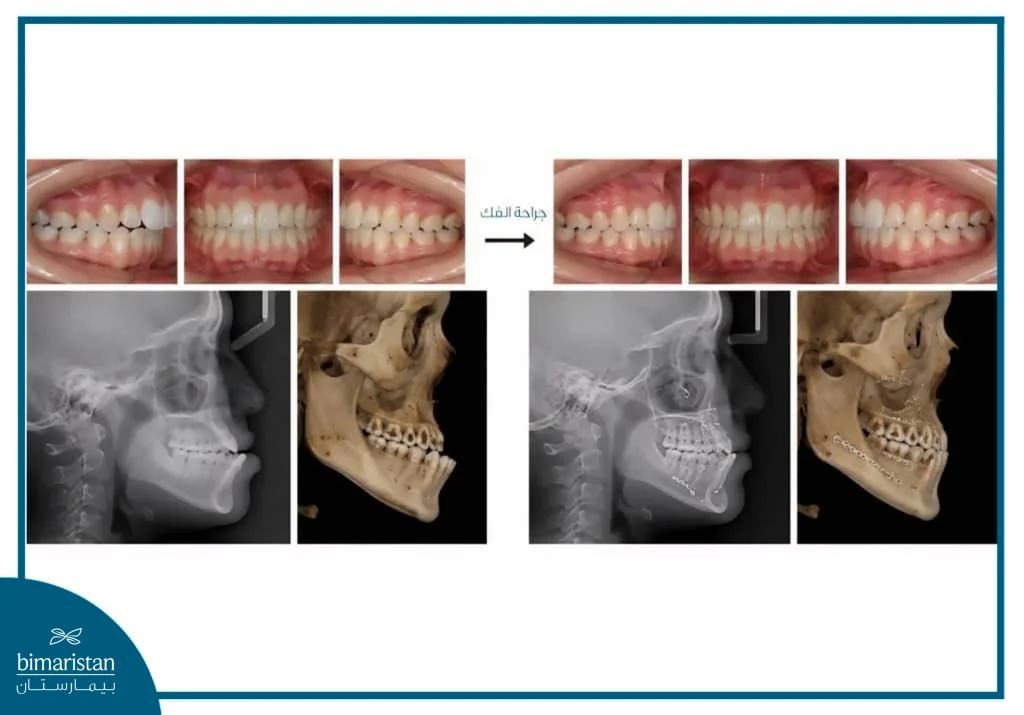
- Surgical incisions: One of the most important features of this procedure is that the incisions are made entirely inside the mouth. The surgeon makes incisions in the gums and internal tissues to access the jawbone. This means there are no visible scars on the patient’s face or around the outside of the mouth (except for very small, millimeter-sized incisions in the neck in extremely rare cases).
- Bone cutting and reshaping: Using highly precise surgical instruments (such as micro-saws or laser/ultrasonic cutting devices), the surgeon cuts the jawbone according to the predetermined plan.
- Jaw repositioning: The separated bone segments are moved into their new positions (either forward, backward, upward, or downward).
- Fixation: Once the jaw is in the correct position, it is secured using small metal plates and screws made of titanium, a material that is completely safe and biocompatible with the human body. These plates become part of the bone and do not need to be removed later.
- Closing the Wound: Internal incisions are closed using absorbable sutures that dissolve on their own within a few weeks.
Recovery timeline
Recovering from jaw surgery is a process that requires mental resilience and support from family and friends. Swelling and bruising are a natural part of the healing process. Here is a timeline of what to expect:
The first three days
- Facial swelling peaks on the third day
- Numbness in the lips and chin caused by nerve stretching during the procedure
- Difficulty speaking and communicating, and total dependence on clear liquids
- Staying in the hospital for one or two days for observation and to receive intravenous fluids and medications
Weeks 1-2
- Continue on a strictly liquid diet (strained soups, juices, milk)
- The swelling begins to subside gradually, and the color of the bruises changes (to yellow or green) before they disappear
- Energy slowly returns, and the patient can begin light walking indoors to improve circulation
Weeks 3-6
- The jawbones begin to fuse together
- The doctor allows the patient to switch to a very soft diet consisting of foods that do not require vigorous chewing
- Most patients can return to work, school, or college if their job does not require physical exertion
From 6 months to 1 year (complete healing)
- Residual swelling, which is invisible to others but palpable to the patient, disappears
- Touch returns to the lips and chin gradually as the nerves recover
- Bone healing is 100% complete
Diet after jaw surgery
Diet is one of the biggest challenges patients face, as chewing is strictly prohibited to protect the newly fixed bones. To make this phase easier, the following table explains how to gradually resume eating:
| Time Period | Permitted food types | Examples of meals |
| Week 1–2 | Clear liquids only (containing no particles) | Chicken broth (strained), clear fruit juices (apple, grape), water, milk, liquid protein shake |
| Week 3–4 | Thick, pureed liquids (can be drunk from a cup) | Smooth, well-blended lentil soup, low-fat yogurt, smoothies (seedless), and very runny mashed potatoes |
| Weeks 5–6 | Soft foods that do not require chewing (they are mashed with the tongue and the roof of the mouth) | Scrambled eggs, very well-cooked pasta, tender fish, boiled and mashed vegetables, and oatmeal with milk |
| After Week 8+ | A gradual return to a normal diet, as directed by a doctor | Chicken cut into very small pieces, soft fruits (Avoid nuts and hard foods for several more months) |
Tips for speeding up recovery and reducing complications
To ensure a smooth and speedy recovery, the following guidelines must be strictly followed:
- Drink plenty of water: Staying hydrated helps speed tissue and bone healing.
- Avoid physical exertion: Vigorous exercise or heavy weightlifting is strictly prohibited for 6 to 8 weeks, as high blood pressure may cause bleeding at the surgical sites.
- Cold and warm compresses: Use ice packs during the first 48 hours to reduce swelling. After the third day, you can switch to warm compresses to stimulate blood circulation and help the bruise heal.
- Sleeping position: Sleep in a semi-sitting position (elevating your head at a 45-degree angle using two or three pillows) during the first few weeks. This is crucial to reduce fluid retention in the face and alleviate swelling.
- Strict oral hygiene: Cracks inside the mouth are susceptible to bacteria. A medicated mouthwash prescribed by a doctor should be used very gently (without vigorous rinsing) after every meal to keep the cracks clean and prevent infection.
Potential risks and complications
Like any major surgical procedure, jaw surgery carries certain risks that patients should be aware of, although the incidence of these risks is low when the procedure is performed by an experienced surgeon:
- Excessive bleeding: This is rare but possible in the first few days.
- Infection (inflammation): This is caused by sores inside the mouth. It can be prevented by taking antibiotics regularly and paying close attention to oral hygiene.
- Improper bone healing: This may occur if the patient chews too early or smokes, which may require minor surgical intervention for correction.
- Numbness and changes in sensation: The most common complaint. Because the surgery is performed close to the facial nerves (especially the inferior alveolar nerve), the patient may experience numbness in the lower lip and chin. This numbness usually resolves within a few months, but in very rare cases, it may persist for a long time or remain partially permanent.
Psychological impact and facial changes following surgery
The psychological aspect cannot be overlooked when discussing jaw surgery. In addition to the tremendous functional improvement in chewing and breathing, the patient undergoes a noticeable transformation in their facial shape. In the first few weeks, severe swelling may cause “mirror shock” (difficulty accepting their new appearance). This is a very natural and temporary psychological reaction. Once the swelling subsides and harmonious facial features begin to emerge, the patient’s psychological state shifts dramatically toward positivity. Most patients report a tremendous boost in self-confidence, satisfaction with their appearance, and the ability to smile freely without embarrassment, leading them to affirm that the final result was well worth all the pain, discomfort, and effort.
The cost of jaw surgery in Turkey
Given the financial importance of planning this procedure, the table below compares the average costs of jaw surgery at several leading medical destinations worldwide.
| Country | Estimated cost in U.S. dollars |
| Turkey | $12,000–$20,000 |
| Germany | $15,000 – $22,000 |
| France | $15,000 – $25,000 |
| Britain | $22,000 – $45,000 |
| USA | $20,000 – $50,000 |
In conclusion, jaw surgery represents a radical turning point that boosts self-confidence and ends the functional and aesthetic suffering associated with jaw deformities. Making this decision may feel easier and more reassuring when choosing the right medical destination; Turkey stands out as one of the world’s leading destinations for medical tourism and maxillofacial surgery. Turkish clinics and hospitals bring together a select group of highly skilled, internationally accredited surgeons and use the latest simulation and 3D surgical technologies.
In addition, they offer comprehensive care programs at competitive, affordable prices compared to European or American countries, without compromising the quality of medical care. Choosing to undergo jaw surgery in Turkey not only guarantees precise medical and cosmetic results, but also offers the opportunity to spend the recovery period in a comfortable and attractive tourist destination, which positively impacts the patient’s psychological well-being and speeds their return to normal life with a harmonious, healthy smile.
Sources:
- University Hospitals Bristol NHS Foundation Trust. (n.d.). Orthognathic (jaw) surgery
- University Hospitals of North Midlands NHS Trust. (n.d.). Orthognathic surgery
- Van Sickels, J. E. (2014). Complications of orthognathic surgery. Oral and Maxillofacial Surgery Clinics of North America, 26(1), 65–75