
Neck pain with hand numbness can stem from minor muscle strain or poor posture, but it can also indicate nerve irritation or compression in the neck, especially if the pain extends to the shoulder and arm or is accompanied by tingling and weakness in the hand. Numbness may also result from nerve compression in the wrist or elbow. Therefore, you can’t determine the cause based on pain location alone.
Focusing on the affected fingers, symptom duration, the movements that worsen them, and the presence of additional signs, such as a weak grip or loss of balance, can help diagnose the issue and choose the right treatment. In this article, we will discuss the most common causes of neck pain with hand numbness, how to diagnose and treat it, and the signs that require a prompt visit to the doctor.
Can neck problems cause numbness in the hand?
Yes, neck pain with hand numbness can occur when nerve roots emerging from the cervical vertebrae are irritated or compressed, a condition known as cervical radiculopathy. This may result from a herniated disc, cervical spondylosis, or narrowed neural foramina (the openings through which nerves pass). The pain typically originates in the neck and radiates to the shoulder or arm, and may be accompanied by tingling or numbness in specific fingers, as well as occasional hand grip weakness.
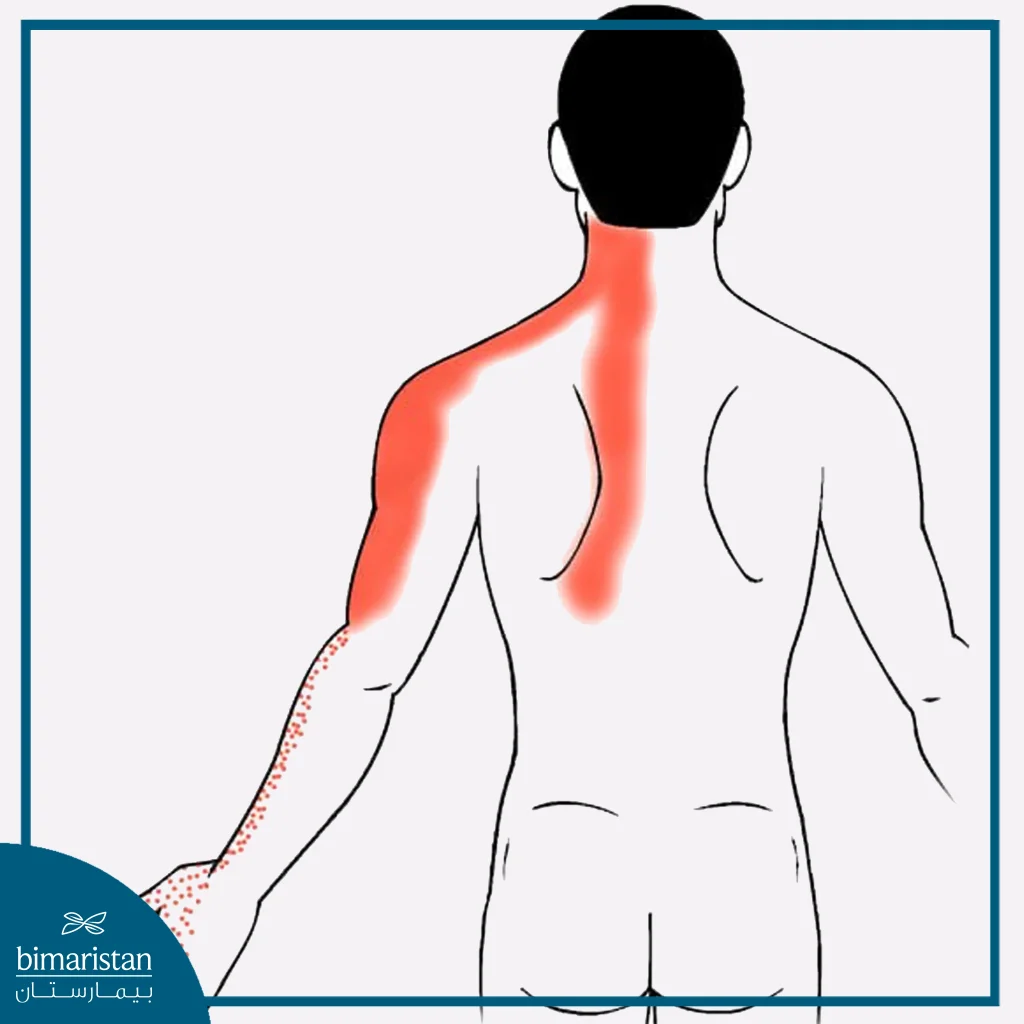
The location of numbness can vary based on which nerve is affected. Numbness in the hand isn’t always caused by issues in the neck; it can also result from nerve compression in the elbow or wrist, such as in cases of carpal tunnel syndrome. Therefore, identifying the cause depends on the pattern of symptoms and a neurological examination. This assessment may also require imaging or Electromyography (EMG).
Symptoms of neck pain with hand numbness
Symptoms vary depending on the affected nerve’s location and the degree of pressure; they may be limited to the neck and hand or extend along the shoulder and arm. The most common associated symptoms include:
- Neck pain or stiffness that worsens with movement or prolonged static positioning
- Pain radiating from the neck to the shoulder and arm, potentially extending to the hand and fingers
- Sensation of tingling, numbness, or burning in parts of the hand or specific fingers
- Sharp or electric-shock-like pain traveling along the nerve pathway
- Weakened grip or difficulty holding objects and performing fine motor tasks
- Weakness in arm or shoulder muscles in more severe cases
- Reduced sensation of touch or temperature in the affected area
- Headaches originating from the back of the neck in some cases
- Exacerbation of symptoms when tilting or rotating the head, and sometimes when coughing or sneezing
Symptoms may appear in one or both hands, and the distribution of numbness across the fingers helps identify the nerve or nerve root that is likely affected.
Causes of neck pain with hand numbness
Compression of the nerves emerging from the cervical spine is one of the most common causes of neck pain with hand numbness, but numbness may also result from nerve compression in the shoulder, elbow, or wrist. The most common causes include:
- Cervical disc herniation: A disc protrusion between the neck vertebrae can press on a nerve root, causing pain that spreads to the shoulder and arm, with hand numbness or weakness.
- Cervical spondylosis: Degenerative changes cause narrowing of the spaces through which nerves pass, and it is more common with age or repetitive use of the neck.
- Cervical radiculopathy: occurs when one of the nerve roots is irritated or compressed due to a herniated disc, bone spur, or inflammation, and the fingers affected by numbness vary depending on the affected root.
- Cervical spinal stenosis: Severe stenosis may compress the spinal cord, causing numbness and weakness in the hands and difficulty with fine movements, and may be associated with gait disturbance or loss of balance.
- Neck muscle strain and poor body posture: Sitting for long periods in front of a computer or using a phone with your head bent can cause neck tension and pain and may further irritate pre-existing nerves.
- Neck injuries: Traffic accidents, falls, or sudden movements may damage muscles, ligaments, or spinal discs, sometimes accompanied by prolonged pain and numbness in the arm or hand.
- Carpal tunnel syndrome: It results from compression of the median nerve in the wrist and causes numbness in the thumb, index finger, and middle finger. It may coincide with neck pain, even when the numbness doesn’t come from the vertebrae.
- Ulnar nerve compression: It often occurs at the elbow and causes tingling and numbness in the little finger and half of the ring finger, especially when the elbow is kept bent for a long time.
- Thoracic outlet syndrome: It arises from compression of nerves or blood vessels between the neck and shoulder and may cause neck and shoulder pain with numbness in the arm and hand.
- Peripheral neuropathy: It may be associated with diabetes, vitamin B12 deficiency, thyroid disorders, and some medications. It usually results in recurring or persistent numbness in the hands and may coincide with neck pain.
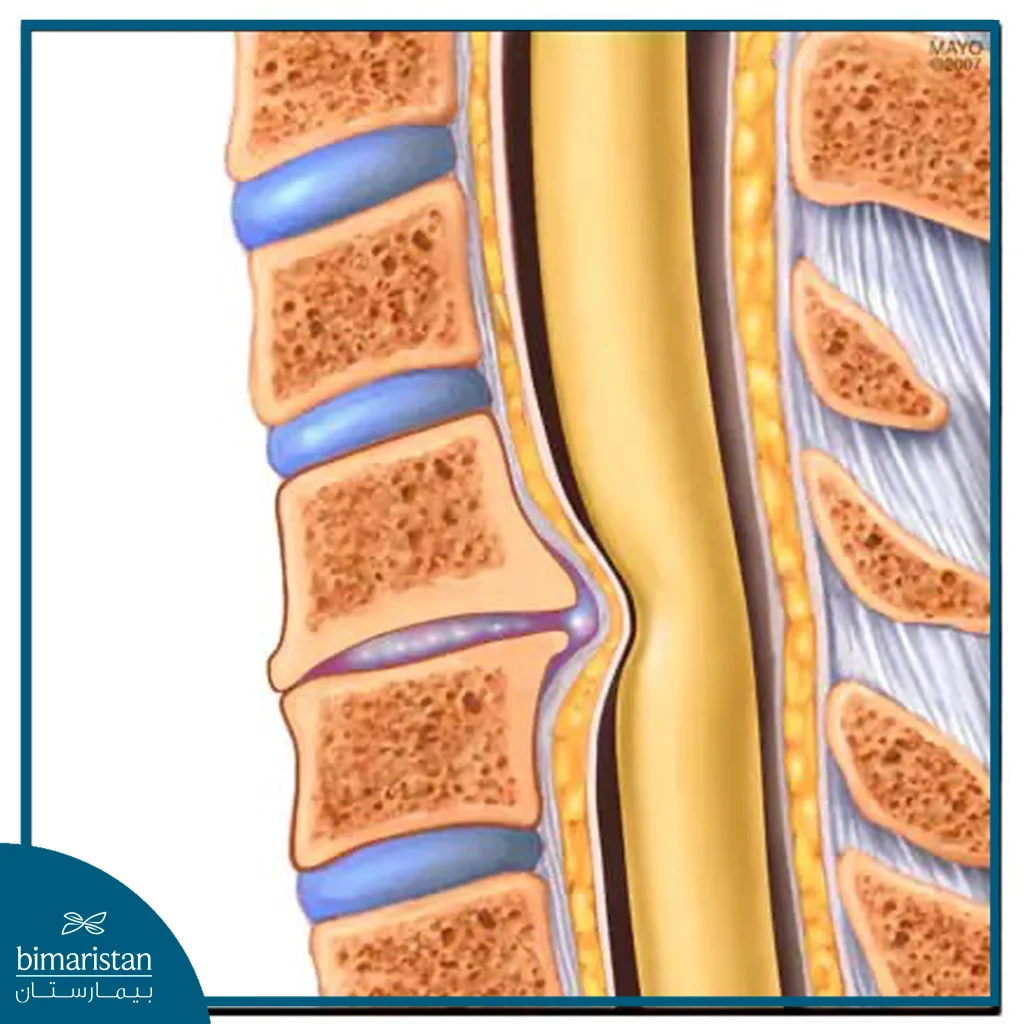
More than one problem may be present at the same time, such as compression of a nerve root in the neck combined with compression of the median nerve at the wrist, so determining the cause requires a thorough clinical and neurological examination.
What does the location of numbness in the hand indicate?
The distribution of numbness across the fingers helps predict the affected nerve or nerve root, but it is insufficient on its own to confirm the diagnosis because sensory areas overlap between nerves.
| Location of numbness | Possible nerve or nerve root | Likely cause |
|---|---|---|
| Thumb and outer side of the forearm | C6 cervical nerve root or median nerve | C6 nerve root compression or carpal tunnel syndrome |
| Index finger | C6-C7 nerve roots or median nerve | Cervical spine disorder or median nerve compression |
| Middle finger | C7 cervical nerve root or median nerve | C7 nerve root compression or carpal tunnel syndrome |
| Ring finger and little finger | C8 cervical nerve root or ulnar nerve | C8 nerve root compression or ulnar nerve entrapment at the elbow or wrist |
| Back of the hand near the thumb | Radial nerve | Radial nerve compression or injury |
| Entire hand | More than one nerve root or peripheral nerve | Cervical spinal stenosis, peripheral neuropathy, or circulatory problems |
When is neck pain with hand numbness dangerous?
Neck pain with hand numbness requires urgent medical evaluation if it appears suddenly, worsens gradually, or is accompanied by signs of severe pressure on the nerves or spinal cord. The most notable warning signs include:
- Noticeable or progressive weakness in the arm or hand
- Dropping objects, or difficulty writing or buttoning clothes
- Numbness in both hands, or numbness extending to the legs
- Difficulty walking, or loss of balance and motor coordination
- Loss of bladder or bowel control
- Onset of symptoms following a car accident, a fall, or a direct injury to the neck
- Severe pain that does not improve or wakes the patient from sleep
- Fever, night sweats, or unexplained weight loss
- History of cancer, immune deficiency, or a recent infection
Call an ambulance immediately if numbness begins suddenly and is accompanied by facial drooping, slurred speech, or weakness on one side of the body, as these may be signs of a stroke. Pain radiating to the arm, along with chest pain, shortness of breath, sweating, or nausea, also requires emergency care to rule out a heart-related problem.
How is the cause of neck pain with hand numbness diagnosed?
The diagnosis begins by asking when the symptoms first appeared, how the pain has progressed, which fingers are affected, and what movements or positions increase or relieve the numbness. The doctor also asks about previous injuries, chronic conditions, and associated symptoms such as hand weakness or balance problems. The evaluation typically includes the following:
Clinical and neurological examination: Assesses neck mobility and muscle strength in the shoulders, arms, and hands, while testing sensation and reflexes to identify the specific nerve root or nerve likely affected.
X-rays: Reveal vertebral alignment, degenerative changes, and bone spurs, though they do not clearly show nerves or spinal discs.
Magnetic Resonance Imaging (MRI): Particularly useful when a herniated disc or compression of nerve roots or the spinal cord is suspected, due to its ability to visualize soft tissues in detail.
Computed Tomography (CT) scan: Provides clearer bone detail; it may be used if bony stenosis or a fracture is suspected, or if an MRI cannot be performed.
Electromyography (EMG) and nerve conduction studies: Measures the speed of nerve signal transmission and muscle activity, helping to distinguish between nerve compression in the neck and compression at the elbow or wrist.
Laboratory tests: May be ordered if diabetes, vitamin B12 deficiency, thyroid disorders, or inflammatory diseases are suspected.
Treatment for neck pain with hand numbness
Treatment for neck pain with hand numbness depends on the cause, the degree of nerve compression, and the presence of muscle weakness or signs of spinal cord involvement. Many cases of nerve root irritation improve with conservative treatment, while cases accompanied by severe compression or progressive weakness require specialized intervention.
Conservative treatment
- Avoid movements and activities that aggravate the pain, while maintaining light activity rather than prolonged rest
- Adjust your sitting posture and raise the computer screen to eye level
- Use cold compresses during the acute phase, or warm ones to relieve muscle stiffness
- Avoid lifting heavy weights and making sudden neck movements
- Use a neck brace for a short period only if recommended by a doctor, as prolonged use may weaken the muscles
Medications
A doctor may recommend painkillers or non-steroidal anti-inflammatory drugs (NSAIDs), and sometimes muscle relaxants or medications for nerve pain if burning sensations and numbness persist; the choice of medication depends on the patient’s health condition, so long-term use without medical supervision should be avoided.
Physical therapy
Physical therapy aims to improve neck mobility, strengthen neck muscles, and correct posture; it may include gentle range-of-motion exercises, shoulder strengthening, and nerve gliding exercises. Exercises must be selected based on the underlying cause, as certain movements could increase nerve compression rather than relieve it.
Therapeutic injections
Cortisone injections around the nerve root or into the epidural space may be used when severe pain persists despite conservative treatment. These injections may temporarily relieve inflammation and pain, but they do not always address the underlying cause of the compression.
Surgical treatment
Surgery is considered if symptoms persist despite non-surgical treatment, or in cases of progressive muscle weakness, spinal cord compression, or loss of normal hand function. The procedure aims to relieve pressure on the nerve or spinal cord and may involve discectomy, widening of the nerve pathway, or spinal stabilization, depending on the location and severity of the condition.
However, if numbness is caused by carpal tunnel syndrome, ulnar nerve compression, or a systemic condition such as diabetes or vitamin B12 deficiency, treatment targets the underlying cause rather than focusing solely on the neck.
In conclusion, neck pain with hand numbness may result from a minor muscle or posture-related issue or from nerve compression in the neck or upper extremity. Early diagnosis helps select the right treatment and reduces the risk of permanent nerve damage, especially when there is hand weakness or a balance disorder. At Bimaristan Medical Center, you can see specialist doctors and undergo the necessary evaluations to determine the cause of your symptoms and develop a treatment plan tailored to your situation.
Sources: