
Gastric sleeve in Turkey is a common procedure aimed at treating obesity and reducing weight for a large portion of patients without strict dieting and strenuous exercises.
Gastric sleevectomy is one of the best and most prevalent obesity surgeries due to its remarkable results and low risk. It is performed using a laparoscope without the need for large surgical incisions, minimizing risks to your life. Additionally, the cost of stomach sleeve surgery in Istanbul is significantly lower compared to neighboring countries.
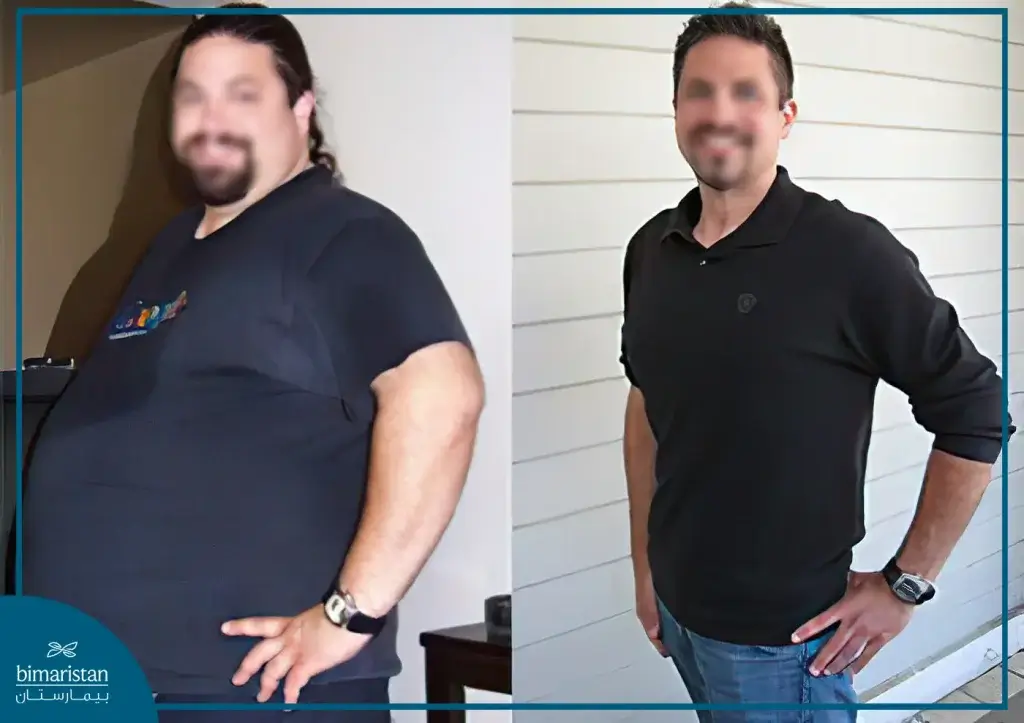
Achieving your ideal weight enhances both your physical and mental health. Recent studies have linked obesity to an increased risk of diabetes, heart disease, depression, and low self-esteem. Fortunately, you can lose approximately 50% of your excess weight through sleeve surgery in Turkey at a reasonable price. What are you waiting for?
What is gastric sleeve in Turkey?
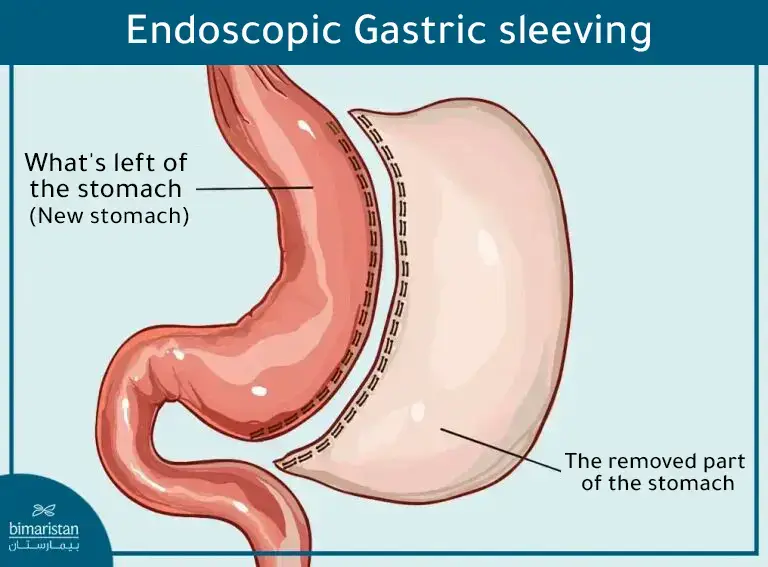
Sleeve gastronomy involves reducing the size of your natural stomach so that it fills quickly with food. This makes you feel full earlier and aids in weight loss with less effort.
The sleeve operation restricts the stomach’s capacity without affecting the absorption mechanism of nutrients, as in procedures like gastric bypass and some other obesity surgeries, which alter the natural intestinal route to induce calorie malabsorption.
The human stomach contains cells that secrete the hormone “Ghrelin” which is responsible for appetite and hunger. By reducing the size of the stomach through sleeve surgery, the secretion of this hormone decreases, reducing appetite and thereby contributing to weight loss.
Stomach reduction surgery in Turkey is performed at a rate exceeding 40,000 operations annually. However, what are the conditions for undergoing this distinguished procedure, and does it suit all individuals suffering from obesity?
Conditions for sleeve surgery
The patient’s Body Mass Index (BMI) must exceed 40 to qualify for stomach sleeve surgery, meaning the current weight exceeds the normal range by about 40 kg. Stomach sleeve procedure may also be accepted for those suffering from obesity-related health complications such as high blood pressure, diabetes, or sleep apnea, even if the BMI is less than 40.
Preferred conditions include:
- The patient is motivated and capable of adhering to a healthy lifestyle after surgical sleeve.
- The ability to visit the doctor regularly after sleeve procedure.
- Absence of diseases or issues that impede the surgery.
If a problem prevents you from undergoing sleeve surgery or if you do not wish to undergo a surgical procedure with some risks, you can try a gastric balloon capsule, which helps with weight loss without surgery.
Types of sleeve operations in Turkey
Weight loss sleeve in Turkey can be performed through two methods:
Laparoscopic sleeve gastrectomy
Laparoscopic sleeve gastrectomy has become the preferred option for sleeve surgery due to its minimally invasive nature and low risk compared to traditional open surgery. Through a few minor surgical incisions around the abdomen, the surgeon can insert surgical tools and the laparoscope, reducing bleeding and pain, with a lower risk of surgery-related complications such as infection and delayed wound healing.
Cost of Stomach Sleeve Surgery in Turkey 2024
Turkey is known for its low treatment costs and distinguished medical services. The price of stomach sleeve surgery in Turkey starts at just $2000 US dollars, much lower than in any European country or the US.
You can contact us for more details about prices and to guide you to the best centers and surgeons in Turkey for obesity surgeries. Bimaristan Center’s team consists of Arab and Turkish doctors, along with nutrition specialists, who assist patients step by step in obesity treatment and weight loss while ensuring travel arrangements and accommodation in Turkey.
In conclusion, gastric sleeve surgery in Turkey is currently one of the best surgical options for treating obesity. This procedure is low-risk, produces remarkable weight loss results, and is relatively low-cost compared to other obesity surgeries.
Read more about: Best methods to treat obesity in Turkey in 2024.
Is there a risk in gastric sleeve surgery?
Gastric sleeve surgery (Sleeve Gastrectomy) is a surgical procedure aimed at reducing the size of the stomach by removing a large part of it, which leads to a decrease in the capacity to eat and weight loss. Generally, gastric sleeve surgery is considered safe and effective in treating severe obesity and related health problems.
However, like any surgery, it may carry some potential risks and side effects.
What is the rate of weight loss after gastric sleeve surgery?
Weight loss after gastric sleeve surgery is generally noticeable. In the first few months after surgery, the rate of weight loss can be higher. Patients can expect to lose between 50% to 70% of their excess body weight within 12 to 18 months after the surgery. Over time, the rate of weight loss may slow down and stabilize with the maintenance of stable weight. It should be understood that weight loss after surgery varies from person to person.
How long does it take for the stomach to heal after sleeve gastrectomy?
After sleeve gastrectomy, the stomach can take about 6 to 8 weeks to heal. However, this is an approximate time and may vary from person to person.
During the stomach’s healing period, it is usually recommended that the patient follow a special diet and avoid consuming solid or heavy foods. The patient is advised to consume fluids and soft foods such as soups, broths, and blended juices. Small meals and slow eating are also important during the healing period.
Nutrition after gastric sleeve surgery
After gastric sleeve surgery, it is usually recommended to follow a special diet plan to ease the stomach and promote proper healing. Here are some general guidelines for eating after gastric sleeve surgery:
Liquids: In the first few weeks after surgery, the diet plan focuses on consuming liquids to avoid dehydration and stomach irritation.
Soft foods: After about two weeks, soft and mashed foods are gradually introduced into the diet. These include soups, blended juices, yogurt, boiled eggs, finely minced meats, and mashed fruits and vegetables.
It is also advised to divide meals into small portions and eat slowly. This helps avoid feeling too full quickly and facilitates food digestion.
Over time, the range of acceptable foods can be expanded, and a balanced and varied diet can gradually be resumed. You should consult your healthcare team to receive personalized guidance and recommendations based on your condition and progress in the stomach’s healing process.
The difference between gastric sleeve and gastric bypass
Gastric sleeve and gastric bypass are similar procedures aimed at reducing the stomach size to limit food intake and consequently lose excess weight.
How to choose the best doctor for gastric sleeve surgery in Turkey
To determine the best doctor for gastric sleeve surgery in Turkey, you can follow these steps:
Research and gather information:
Research doctors specializing in obesity surgery and gastric sleeve in Turkey. You can check hospital and medical center websites and read patient reviews to benefit from their experiences.
Experience and specialization:
You can check the background of the candidate doctors and verify their specialization and experience in gastric sleeve surgery. You can also check their medical education, certifications, and potential qualifications.
Personal consultation:
Schedule a personal consultation with the candidate’s doctors. During the consultation, ask important questions and inquiries about the procedure, expected results, risks, and possible complications. Listen to the doctor’s recommendations and your confidence and comfort with them.
Search for specialized medical centers:
Look for well-known and specialized centers for obesity surgery and gastric sleeve in Turkey. You can search online or consult local doctors or recommended hospitals.
When searching for distinguished doctors and specialized hospitals for gastric sleeve surgery in Turkey, our Bimaristan hospital stands out as one of the best-trusted and well-known medical centers in this field. Bimaristan is distinguished by a team of outstanding and professional doctors with extensive experience in obesity surgery and gastric sleeve surgery.
Bimaristan is an advanced medical center with advanced technologies to successfully perform surgical procedures. In addition, our center provides a safe and comfortable environment for patients, where they receive comprehensive care and individual attention from a dedicated healthcare team.
References: