
Knee cartilage surgery is performed when the meniscus is severely damaged or torn, and conservative treatments are ineffective in relieving the symptoms of the injury.
Repairing knee cartilage tears aims to alleviate severe pain and limited mobility in patients without requiring a total knee joint replacement. This surgery can be performed using several techniques, with knee arthroscopy being one of the most notable due to its minimally invasive and low-risk nature.
Turkey has succeeded in providing the latest methods and techniques for knee cartilage (meniscus) repair arthroscopically. This procedure is characterized by its ease of performance and quick recovery afterward. Additionally, knee cartilage surgery cost in Turkey is much lower than in other countries despite its high efficiency. Follow along to learn everything you need to know about meniscus tear treatment.
Overview of knee cartilage repair surgery
The human knee contains two crescent-shaped pieces of cartilage called meniscus. The meniscus facilitates joint movement by acting as a lubricating cushion between the leg and thigh bones, absorbing shock and protecting the joint from injury.
In cases of injuries affecting the knee, Meniscus tears are common. The most common injury affecting the meniscus is seen in athletes, especially football and basketball players, due to their higher susceptibility to injuries. However, certain diseases can weaken and wear down the cartilage, making it more prone to tearing and rupturing.
Several non-surgical methods are used to treat mild to moderate knee cartilage tears, such as exercise, physical therapy, anti-inflammatory medications, and applying ice to the knee. However, these treatments may be ineffective in severe cartilage tears, where a surgical procedure for torn meniscus is needed to repair the injury and alleviate pain while improving mobility.
A surgeon may employ a modern technique known as knee arthroscopy, which provides a clear view of the knee joint and its components and allows for the diagnosis of meniscal problems in their early stages and the identification of any damage or minor wear and tear on the cartilage.
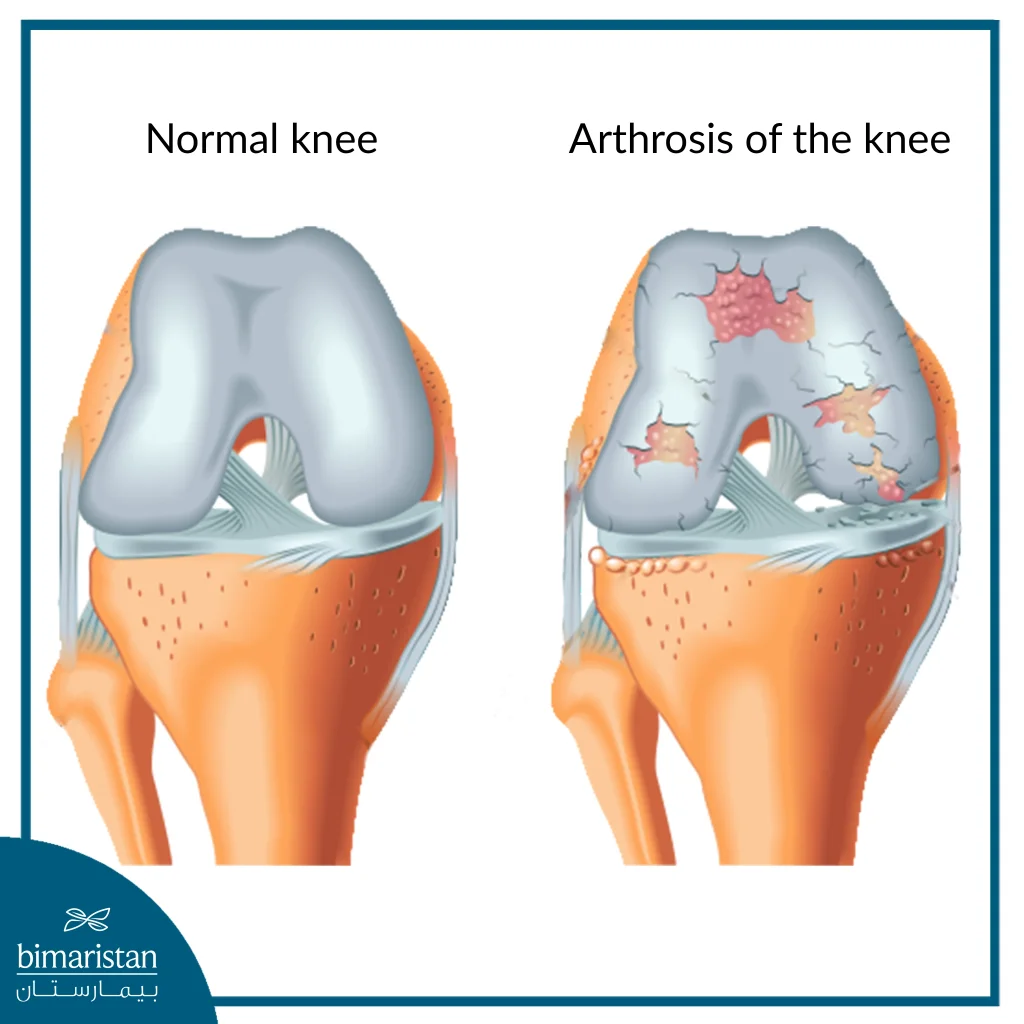
When is kneecap cartilage replacement performed?
A surgeon typically performs knee cartilage surgery when the cartilage injury becomes severe, significantly affecting the patient’s quality of life despite less invasive treatment options failing to improve symptoms. Conditions that damage cartilage and make it more susceptible to injury and tearing include osteoarthritis, which often affects older adults.
The most common cause of meniscal injury is sports-related injuries resulting from sudden changes in movement direction or heavy weightlifting, among other strenuous athletic activities that significantly strain the cartilage.
Types of knee cartilage surgery
Several techniques are available for repairing torn meniscus, and the choice of method depends on factors such as the degree and size of the cartilage tear and the patient’s overall health.
Surgery can be performed using one of these techniques:
Arthroscopic knee cartilage surgery
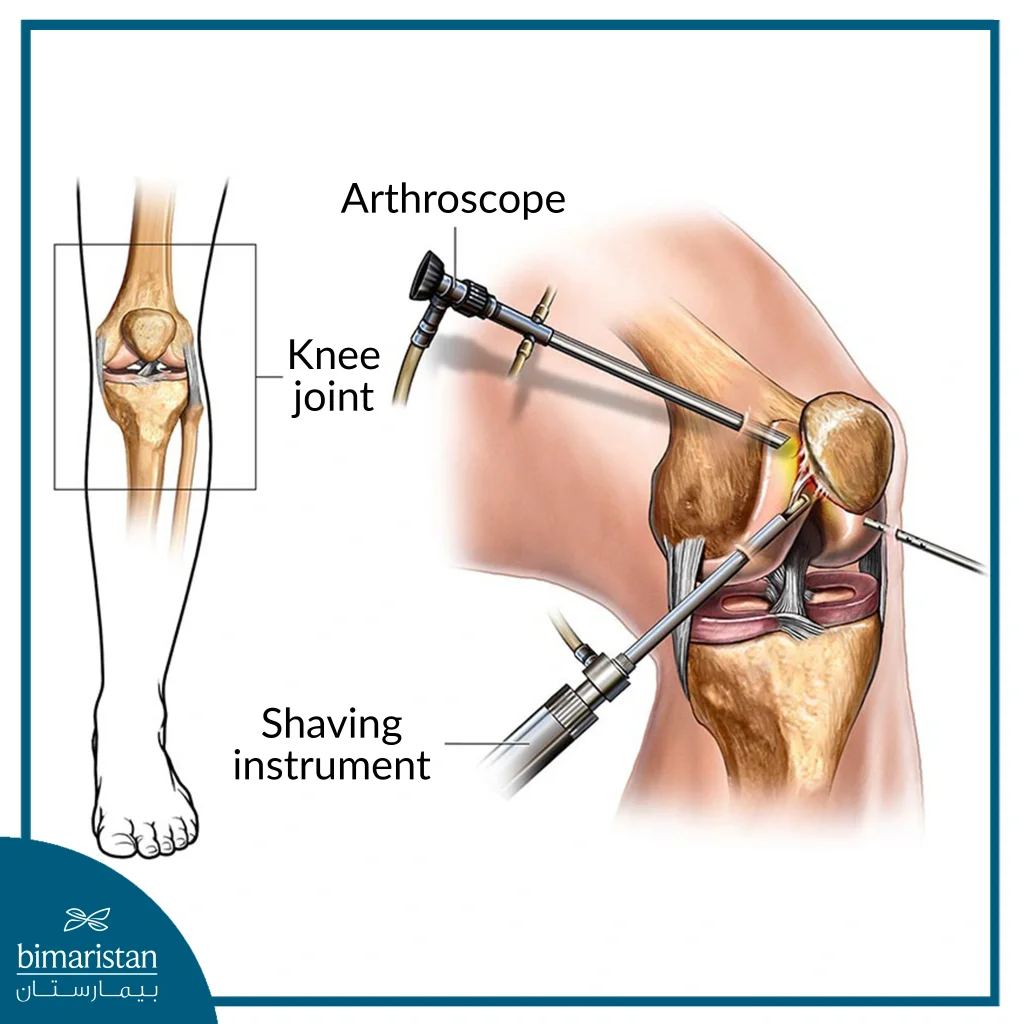
Arthroscopy is one of the best surgical techniques used in most knee surgeries due to its minimally invasive nature. It requires small incisions and a short recovery period. Typically, patients can leave the hospital on the same day as the procedure.
During knee arthroscopy, the surgeon makes small incisions through which a camera is inserted. This allows the surgeon to have a clear view of the joint and diagnose its diseases. Arthroscopy is also used to treat and perform various knee surgeries using surgical tools inserted through previously made incisions.
The surgical technique for knee arthroscopy varies depending on the severity of the cartilage tear. One of the most essential methods used in arthroscopic knee cartilage surgery is:
Knee cartilage surgery via removal of part of the cartilage
In mild cases of cartilage tear, the surgeon may only need to remove and smooth out the torn parts of the knee joint cartilage, preserving the healthy cartilage. This method is characterized by its effective results in alleviating symptoms of meniscus tears, allowing the patient to return to their daily activities after some time. However, the role of arthroscopic surgery is limited to symptom relief and does not address the root problem, often being combined with another treatment method.
Knee cartilage surgery via making precise holes in the cartilage
The main reason for the slow healing and recovery of torn cartilage is the lack of blood vessels in the cartilage tissue, which prevents the necessary blood and proteins from reaching the damaged cartilage to facilitate healing. It is possible to increase blood flow to the cartilage through surgery, involving the creation of small holes in the bones surrounding the cartilage to allow bone marrow components to reach the cartilage surface. This speeds up healing and forms new cartilage to replace the damaged part and perform its function.
Patients must strictly adhere to the recovery procedures specified by the specialist after knee cartilage surgery with precise holes, such as using crutches, avoiding activities that put pressure on the knee, and other measures.
Knee cartilage transplant via cartilage cell transplantation
This procedure is recommended for younger patients and individuals with high mobility, such as athletes with minor cartilage tears less than 2 cm in size. Its aim is to prevent the progression of cartilage degeneration and stimulate the growth of a new cartilage surface at the site of the damaged surface. It may help avoid or delay the need for total knee joint replacement surgery.
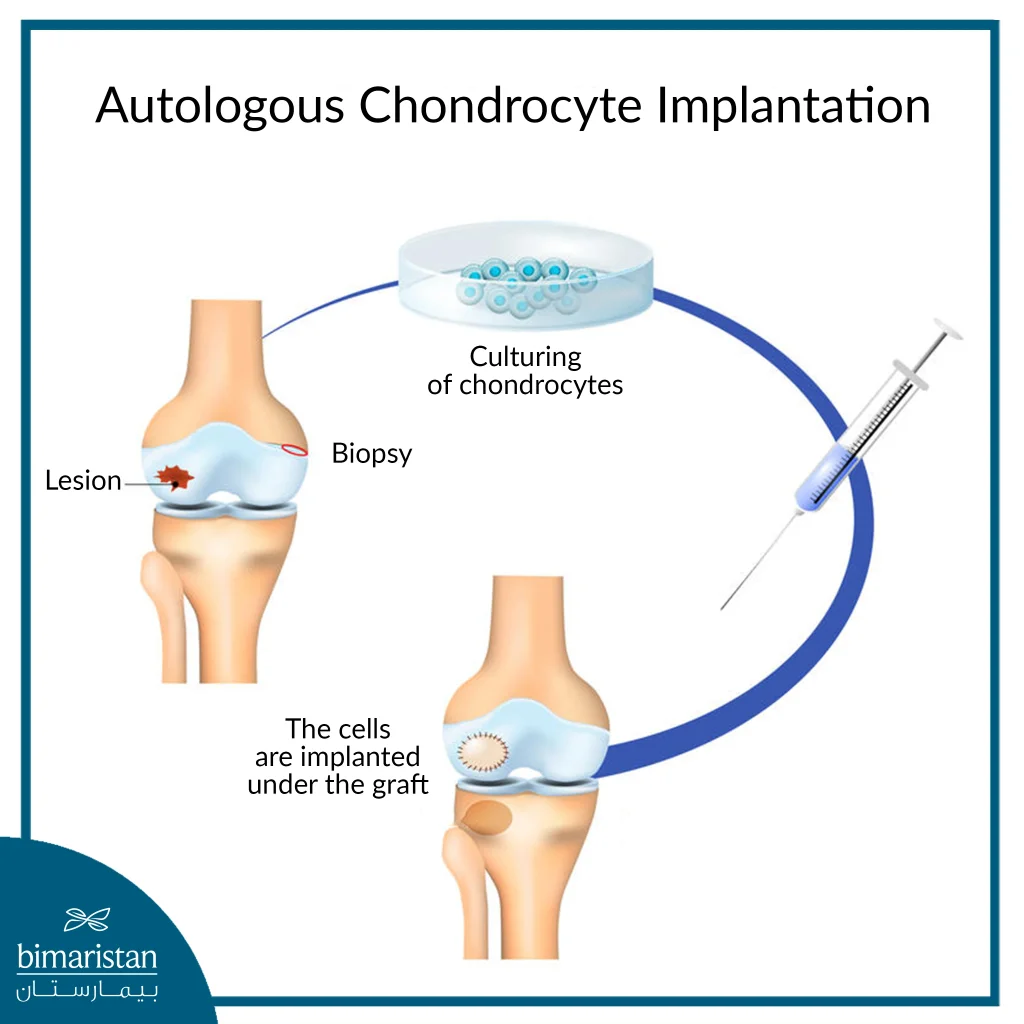
This surgery involves two stages. In the first stage, the joint surgeon removes a biopsy of the injured knee cartilage using knee arthroscopy. This sample is then sent to the laboratory to stimulate the growth of millions of cartilage cells. Afterward, the sample is returned to the surgeon for use in the next stage.
In the second stage, an open surgery incision is made to transplant the previous sample into the area of the cartilage injury. The transplanted cells mature and grow over time, forming new tissue to fill the damaged and injured parts. Cartilage restoration in the transplant area may take up to a year and a half.
Knee Cartilage Surgery through Autograft Implantation
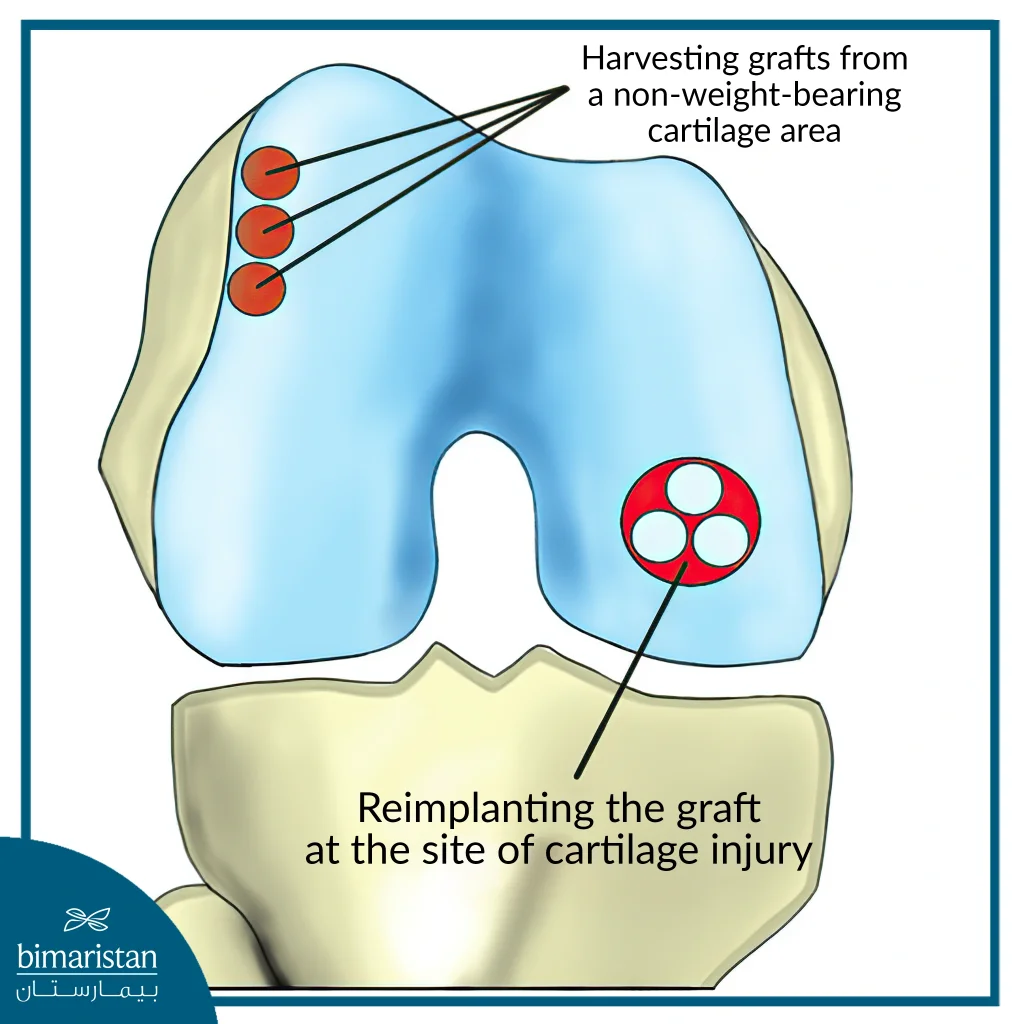
Autograft implantation surgery is performed for knee cartilage tear treatment and is carried out by extracting a healthy cartilage portion from the patient’s own knee. This graft should not bear the body’s weight during walking and movement. Later, this graft is re-implanted in the area of the meniscus tear.
Knee cartilage surgery with donor graft
This procedure is less standard than the previous surgeries and is used for severe injuries to the knee cartilage. The idea behind the method is to obtain a cartilage plug from a deceased donor’s body and implant it in the area of the torn meniscus.
Knee cartilage surgery with open surgery
Open surgery for knee cartilage has become less common, mainly due to the emergence of more modern and less invasive techniques, such as advanced knee arthroscopy.
This surgery is reserved for complex cases where multiple joint injuries are present and difficult to repair without extensive surgical incisions or in cases requiring grafts and other procedures that necessitate open surgery.
Tips after knee cartilage operation
Every patient who undergoes fixing knee cartilage in Turkey should follow their doctor’s instructions carefully. The post-operative period is sensitive and may pass quickly, allowing the patient to return to their routine activities, or it may be prolonged, hindering the patient’s ability to resume normal life activities.
We cannot determine a fixed recovery period for all patients because each person’s circumstances differ due to various factors, including the degree of knee cartilage tear that necessitated the surgery. However, typically, the average time needed for a person to fully recover from the surgery and return to all their previous activities ranges from 3 to 6 months.
Some tips that can help speed up and facilitate the recovery process:
Physical therapy after knee cartilage surgery
Physical therapy is essential as it facilitates the recovery and healing of the cartilage so that the person can quickly return to daily activities, such as walking, climbing stairs, and household chores. Exercises also maintain the strength and flexibility of the knee muscles to prevent muscle atrophy and prevent the formation of blood clots due to the stagnation caused by prolonged bed rest after knee cartilage repair.
A physical therapy expert will teach you exercises designed to improve and restore your natural range of motion while reducing the pain you may feel after surgery. Additionally, these exercises improve blood flow to your knee and prevent you from engaging in activities that could harm and delay the healing and recovery of your meniscal cartilage.
Success rate of knee cartilage surgery
Meniscus tear treatment is associated with satisfactory results in most cases, mainly when performed using the latest techniques under the supervision of an experienced doctor. Statistics have indicated a success rate ranging from 70 to 90%, and a study has added that 15% of people who underwent cartilage cell implantation surgery suffered from excessive cell growth in the cartilage, leading to knee pain and discomfort.
These success rates vary depending on factors such as the person’s age, their health status before surgery, and the surgery method. Knee arthroscopy has higher success rates with fewer complications, making it the preferred choice for knee surgeries.
Complications of knee cartilage surgery
No medical intervention is without the risk of some side effects, even if rare. The less invasive the surgery, the lower the risk of complications. Therefore, knee arthroscopy is less risky than open cartilage surgery, making arthroscopy the preferred option for knee surgeries.
The most critical potential complications of the surgery are:
- Infection around the surgical wound area
- Injury to neighboring nerves near the surgical site
- Severe bleeding or formation of blood clots
- Stiffness and rigidity in the knee joint
- Failure to achieve the desired outcome from the surgery
Knee cartilage surgery cost in Turkey 2024
The cost varies according to many factors, such as the method of surgery, the severity of the cartilage tear, and the nature of the surgical procedure. However, the cost of knee cartilage surgery in Turkey usually ranges from 2200 to 4500 US dollars and may exceed that in more complicated operations for cartilage reconstruction. You can contact us for more details on prices and guidance to the best-specialized surgeons in Turkey.
In conclusion, knee cartilage surgery has different types and methods. It can be performed arthroscopically or through traditional surgery, both aimed at repairing torn and injured meniscal cartilage. Both alleviate symptoms and improve the patient’s quality of life. Additionally, they help delay and avoid the need for full knee joint replacement surgery.
References: