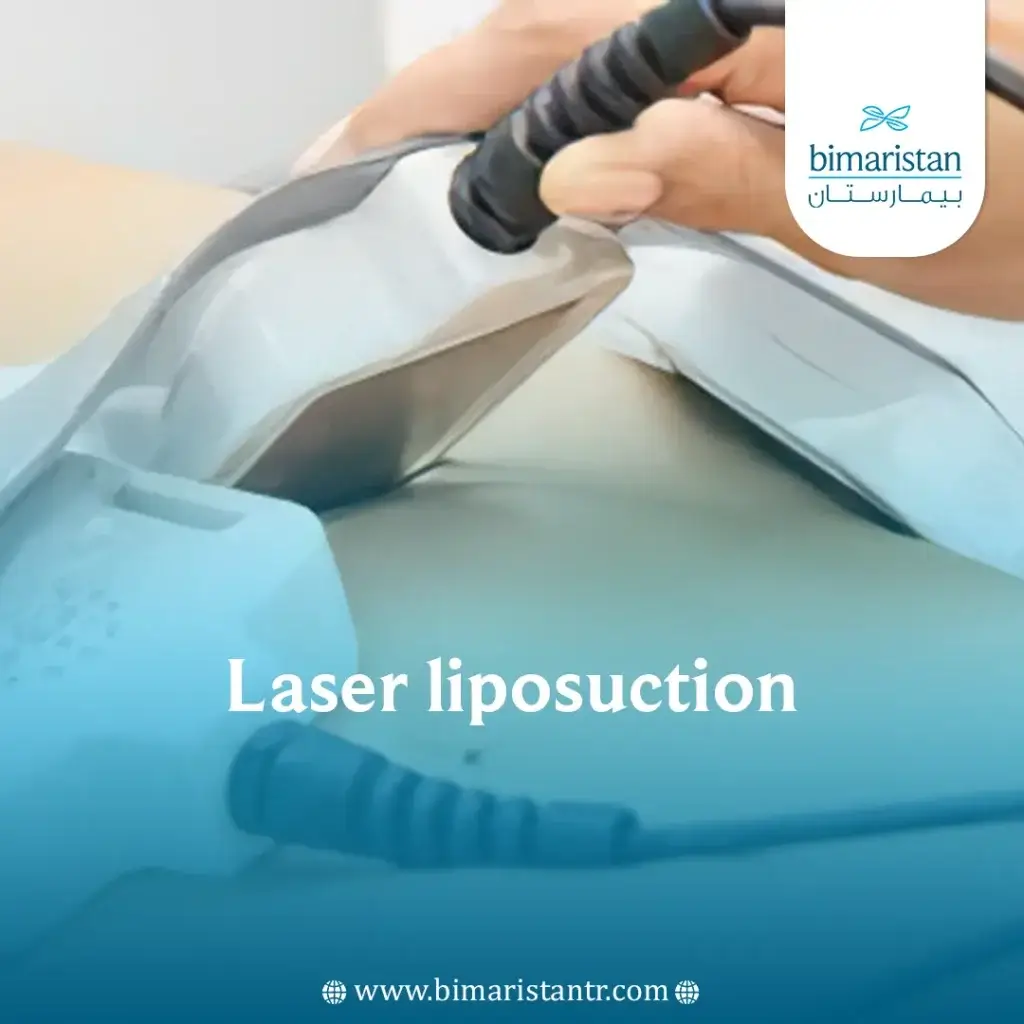
Laser liposuction is a common cosmetic procedure that targets fat in specific body areas. It helps improve the body’s appearance and gives it tight skin free of surgical scars associated with traditional surgeries. Follow us in this article to learn about the technique of this procedure, its most important features, and the appropriate candidate for it.
What is laser liposuction?
Laser liposuction is a minimally invasive cosmetic or therapeutic procedure that uses laser energy to heat fat cells and permanently remove them from different areas of the body. The procedure reduces the risk of sagging skin afterward.
Laser lipolysis is a safer, shorter-recovery method for reducing fat compared to traditional surgical procedures.
Targeted Body Areas for Laser Liposuction
Laser liposuction is a great method for targeting small pockets of excess fat in a wide range of areas, especially trouble spots that traditionally resist diet and exercise.
Common treatment areas include:
- Abdomen
- Buttocks
- Thighs
- Knees
- Upper arms
- Neck
- Back
Laser liposuction can also tighten skin in areas that don’t necessarily require fat removal, such as the neck, arms, and knees.
How to Laser Liposuction
There are two types of laser lipolysis to choose from:
Non-surgical laser lipolysis
Laser liposuction can be performed in a doctor’s office and takes about half an hour to an hour, depending on the treated area.
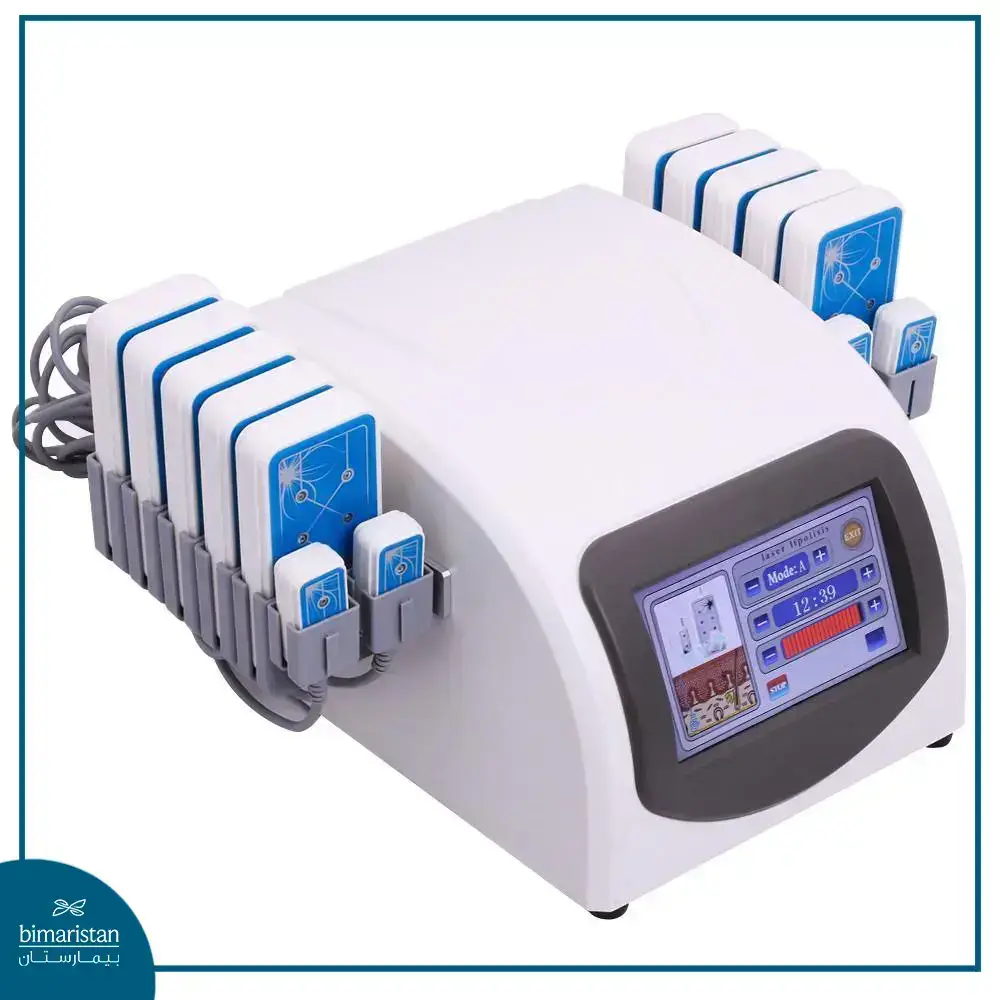
The doctor attaches the laser tools to the area to be treated and then calibrates the laser beams to a specific wavelength.
Although the device has soothing cooling features, heat penetrates the patient’s skin and heats the fat cells underneath.
The heat damages the membranes of the fat cells, which begin to die. The dissolved fat tissue is gradually removed through the lymphatic system.
In this procedure, the patient is not exposed to any anesthesia and can return to regular activity immediately after the session.
For most people, one session of laser lipolysis is sufficient to achieve the desired results from sculpting. However, since the 25-minute session destroys and removes only about 24% of the fat cells in the targeted area, some people choose two or three treatment sessions to achieve satisfactory results.
Minimally invasive laser lipolysis
In minimally invasive laser liposuction, the doctor uses a local anesthetic in the desired area. At the same time, the patient remains awake during the session, which may last from 30 minutes to three hours.
Once the skin is numb, the doctor makes a small incision and inserts the laser into the subcutaneous fatty tissue, which melts the fat cells.
Once the fat is liquefied, the doctor uses a narrow tube measuring 1 mm to suction the fat out of the body.
Most patients can resume their activities after a day or two after the procedure, but they should expect some swelling for several weeks after the procedure. Therefore, it is suggested that they wear compression garments after the session to reduce possible swelling.
Benefits and harms of laser liposuction
Benefits of laser liposuction
- Uniform skin shrinkage: the tissue shrinking effect prevents sagging and peripheral deformities after liposuction.
- Recovery time after the procedure is minimal
- Laser liposuction can be performed on any area of the body
- Possibility of precise revision of unsatisfactory results in previous liposuction treatments
Risks of laser lipolysis
The risks are usually minimal, and complications associated with the procedure are uncommon. In the case of non-surgical liposuction, the patient may temporarily face the following:
- Redness
- Swelling
- Hardness
As for the treatment of liposuction with minimally invasive laser, we may notice some side effects such as:
- Formation of a hematoma (blood collection under the skin)
- The occurrence of scarring
- Redness and swelling
- Infection at the site of the incisions that were made
Conditions for the laser liposuction procedure
Good candidates for the laser lipolysis procedure include people who:
- Are in good general health
- Have realistic expectations about the results
- Non-smokers or those who have quit smoking weeks before the treatment
People with the following conditions should avoid laser lipolysis:
- Pregnancy
- Diabetes
- Multiple sclerosis
- Abnormal tissue growth
- Using a pacemaker or defibrillator
- Having heart or liver disease, subject to special consultation
The difference between laser liposuction and regular liposuction
Both procedures are capable of removing stubborn fat from almost head to toe, but some more obvious differences between traditional liposuction and Laser liposuction must be considered, including:
- Anesthesia: While traditional liposuction often requires general anesthesia, laser liposuction can be performed under local anesthesia, significantly reducing the surgery’s risks.
- Incisions: The fat is removed using laser energy, which makes fat removal much easier. Therefore, the incisions are smaller than those for traditional liposuction, resulting in less visible scarring.
- Procedure time: While liposuction takes approximately 3 hours, laser liposuction takes about half an hour to an hour per session.
- Recovery time: Patients who undergo laser liposuction enjoy a shorter and more comfortable recovery than those who choose traditional liposuction.
Difference between Laser and Vaser Liposuction
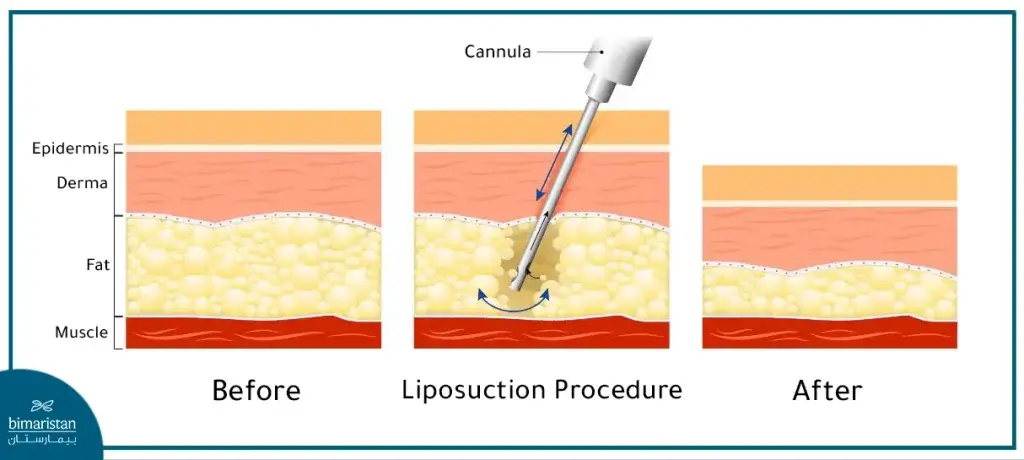
Both laser and Vaser liposuction are effective and largely safe procedures. The main difference lies in the mechanism of the two procedures.
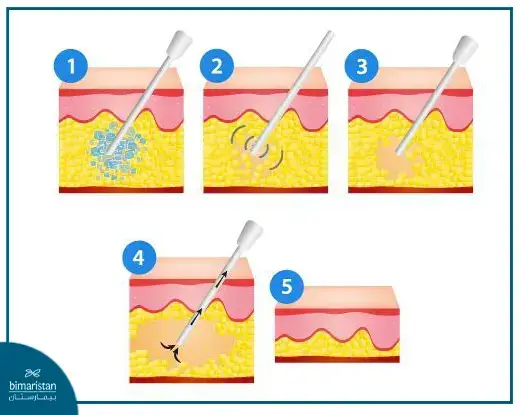
Vaser liposuction uses two basic steps to remove fat cells from specific parts of the body:
- Emulsification: In this step, the doctor injects a unique saline solution into the area to be treated. This solution anesthetizes the area and expands the fat cells. This stage is important in preserving other healthy tissues and facilitating fat-removal.
- Ultrasound: After the fat cell emulsification process is successful, an ultrasound probe is inserted under the skin. This probe acts as a vacuum that suctions out the emulsified cells.
Laser liposuction costs in Turkey
Choosing a qualified surgeon and a reliable center plays a major role in obtaining satisfactory results that please the patient. In Turkey, this can be done at costs that are commensurate with the quality of the experience.
There is no specific price for laser liposuction, as the cost depends on the area of the body being treated. Still, liposuction prices in Turkey range around $3,000, taking into account the procedure mechanism followed.
Laser liposuction is not a means of losing weight for people who suffer from extreme obesity. This procedure aims to improve body proportions and overall visual appearance. It helps remove stubborn fat pockets in different areas of the body while tightening the skin and soft tissues.
Resources: