
.floating_btn{ display:none !important; } .println-contact-form-button-element{ display:none !important; }
Nasal fractures are among the most common facial injuries due to the central and exposed position of the nose on the face. They often result from direct hits during falls, car accidents, physical fights, or contact sports. This injury involves cracks or breaks in the nasal bones or cartilage and can sometimes result in a deviated septum, leading to breathing problems and changes in appearance. Without proper treatment, complications may develop. Treatment options range from using ice for swelling to surgery for severe cases.
The severity of a nasal fracture can vary, from mild cases with just swelling and nosebleeds to more serious breaks that cause the nose to look crooked or block one side. Common symptoms include sharp pain, swelling, nosebleeds, and bruising around the eyes. Since ignoring a broken nose can lead to long-term breathing issues or cosmetic concerns, obtaining an early diagnosis and proper treatment is crucial.
In this article, we discuss the primary causes of a broken nose, its associated symptoms, the diagnostic process employed by doctors, and the various treatment options available, ranging from simple home care to medical procedures.
When is a nasal fracture treated?
When exposed to a direct injury to the nose, the appearance of a set of symptoms may indicate the presence of a nasal fracture. This condition requires immediate medical intervention, especially if accompanied by warning signs of serious complications. Among the most prominent of these symptoms is persistent pain in the nose for more than three days, which indicates an apparent injury to the bony or cartilaginous structure of the nose. Similarly, hearing a popping sound when touching the nose suggests movement of the broken bone fragments, necessitating urgent radiographic examination.
Swelling of the nose and the surrounding area, along with the appearance of bruises around the nose or under the eyes (raccoon sign), are common clinical signs of a nasal fracture. Additionally, blockage of the nasal airway and difficulty breathing through the nose may result from a deviated nasal septum or the formation of a hematoma inside the nasal cavity, which can lead to complications such as infection or cartilage necrosis.
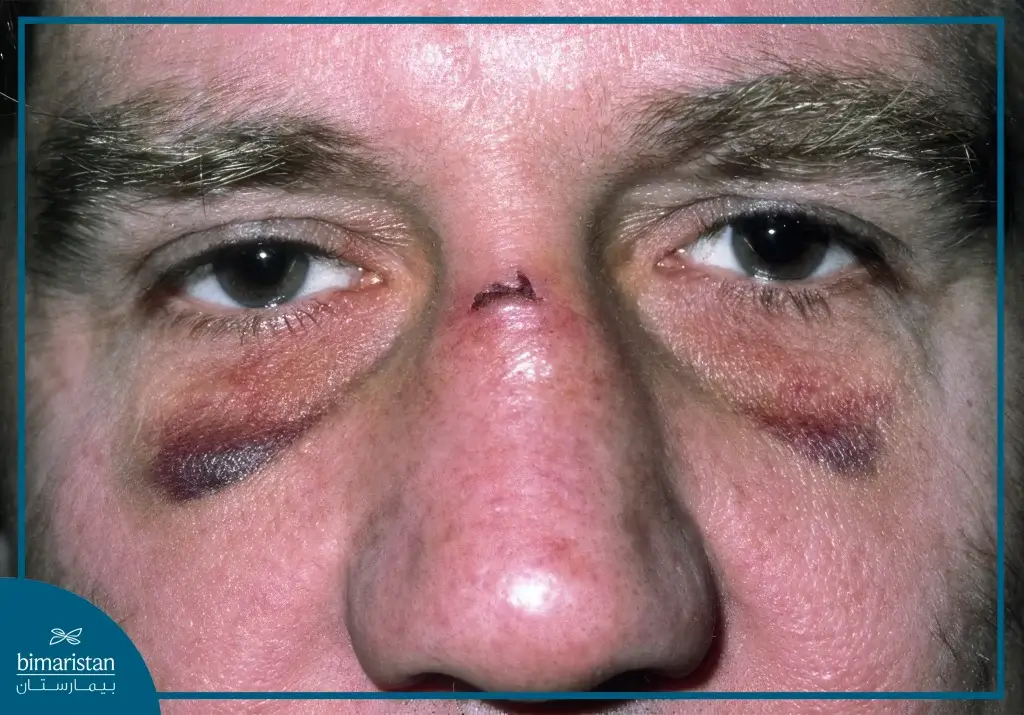
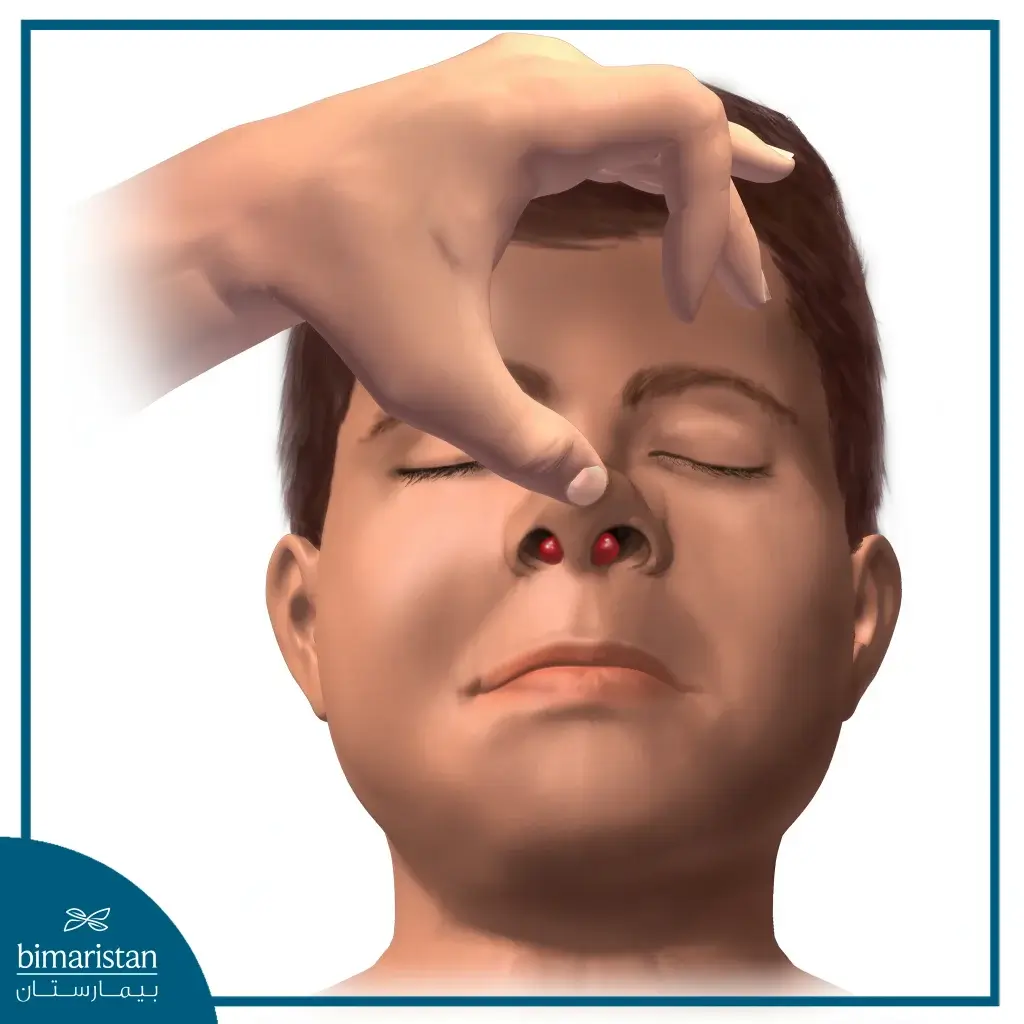
Persistent nosebleeds (epistaxis) are concerning when they last more than 15 minutes, as they may indicate damage to the blood vessels inside the nasal cavity or the formation of a septal hematoma, which appears as a grape-like mass inside the nostril and must be drained immediately to avoid erosion of the nasal septum or abscess formation.
Among the more serious signs that require urgent medical attention is the leakage of clear, watery fluid from the nose, which may indicate cerebrospinal fluid (CSF) leakage due to a skull base fracture. This condition carries a significant risk of bacteria entering the brain, potentially causing life-threatening meningitis.
In addition to the above, some indicators suggest a deep injury beyond a simple nasal fracture, such as:
- Accompanied by head or neck injuries, severe pain, vomiting, or loss of consciousness.
- A noticeable change in the shape of the nose without significant swelling, such as deviation from the midline or twisting.
- Worsening difficulty breathing over time, indicating potential septal deviation progression or an internal mechanical obstruction.
In less severe cases, the swelling that occurs immediately after the injury may hide a mild fracture or slight deviation of the nasal septum. Therefore, it is advisable to wait a few days until the swelling subsides, then carefully examine the nose in front of a mirror. Suppose any deviation in the external shape or the nasal line is observed. In that case, it is essential to consult a specialist to confirm the diagnosis and develop an appropriate treatment plan, which may range from external stabilization to corrective surgical intervention, as we will see.
Complications of nasal fractures
Nasal fractures can lead to serious complications if left untreated, including:
- Deviated nasal septum: Occurs when the bony-cartilaginous wall separating the nostrils shifts from its normal position, leading to breathing difficulties and an increased risk of chronic sinus infections.
- Septal hematoma: A blood clot between the cartilage and mucous membrane of the nasal septum, which may lead to cartilage necrosis (tissue death due to lack of blood supply), permanent nasal deformity (such as a “saddle nose” due to collapse of the nasal bridge), or abscess formation or perforation of the nasal septum.
- Nasal cartilage fracture: In severe injuries, such as those resulting from car accidents or high-impact sports, the cartilage may be damaged along with the bones, making surgical reconstruction more challenging.
- Associated neck and head injuries: Due to the nose’s proximity to the skull and eyes, fractures may accompany facial bone injuries (such as the jaw or eye socket) or cervical spine injuries.
- Other rare complications include bacterial cartilage infection and loss of smell.
Symptoms of nasal fractures
Symptoms of a nasal fracture usually appear immediately after a direct injury and include:
- Pain and swelling: Severe pain occurs when touching or moving the nose, accompanied by rapid swelling in the nose and surrounding areas, such as the forehead or cheeks, resulting from tissue inflammation and ruptured blood vessels.
- Bleeding (epistaxis): Heavy nosebleeds due to torn capillaries in the mucous membrane, which may last up to 10 minutes.
- Visible deformity: Crooked or misaligned nose due to broken nasal bones or displaced cartilage, possibly accompanied by a cracking sound when touched due to friction of shattered fragments.
- Bruising (ecchymosis): Blue or purple bruises around the nose and eyes, appearing 24-48 hours after injury due to subcutaneous bleeding.
- Difficulty breathing: Blockage of one or both nostrils due to a deviated septum or swelling from a hematoma.
- Abnormal nasal discharge, and in some cases, numbness in the face (due to nerve injury) or reduced sense of smell.
Diagnosis of nasal fractures: medical protocols and specialized examinations
Diagnosis of nasal fractures begins with a comprehensive clinical examination, starting with a detailed medical history. The doctor will inquire about the circumstances and nature of the injury, whether it resulted from direct trauma or a traffic accident, and will also gather information about any previous nasal injuries or surgeries that may affect current treatment options. During the external examination, the doctor assesses any visible deformities in the nasal structure, such as misalignment or swelling, while gently palpating to detect localized pain or cracking sounds that indicate friction from bone fragments. The stability of the bones is also evaluated.
A nasal speculum is used to examine the internal nasal cavity carefully, assess the position of the nasal septum, and check for signs of deviation. The doctor also looks for a septal hematoma, which appears as a swollen, purplish mass. The examination also assesses the degree of nasal passage obstruction and the presence of blood-tinged discharge.
In cases that require further evaluation, imaging tests may be utilized. Although traditional X-rays are not very useful in the routine diagnosis of nasal fractures due to their limited ability to visualize cartilage, they may be helpful if associated facial bone injuries are suspected. Computed tomography (CT) scans are the preferred option for complex cases. They provide highly detailed images with millimeter precision, making them indispensable for assessing comminuted fractures or injuries involving the jaw and sinuses.
In some exceptional cases, the patient may be referred to an ENT specialist or a plastic surgeon, especially if there is a significant nasal deformity, severe airway obstruction, or suspicion of a septal hematoma that requires urgent intervention to prevent serious complications, such as cartilage necrosis. Additional tests, such as nasal endoscopy or MRI, may be recommended to assess deep tissue or vascular injuries in rare cases.
Early and accurate diagnosis is crucial for successful treatment, as intervention in the acute phase (within one to two weeks of injury) yields the best functional and cosmetic outcomes. Early detection of a septal hematoma is a top priority, as neglecting it can lead to permanent complications such as nasal deformity or septal perforation.
Treatment of nasal fractures in mild injuries
Mild injuries are those that do not cause noticeable deformities or changes in the shape of the nose. In these cases, conservative treatment is the preferred option, generally avoiding surgical intervention.
Conservative treatment focuses on relieving symptoms such as swelling and pain. Cold compresses can be applied to the nose to reduce swelling, along with rest and pain relievers prescribed by the doctor. Elevating the head while sleeping can also help minimize fluid accumulation in the nasal area.
For nosebleeds, the patient should lean forward to avoid swallowing blood. In cases of severe bleeding, gentle pressure, such as pinching, may be necessary to stop it. If blood accumulates and forms a hematoma, drainage with a needle or a small surgical incision may be required.
If apparent fluid leaks from the nose (possible CSF leakage), medical attention is urgent to prevent meningitis. The patient should rest with their head elevated at a 30-degree angle.
Treatment of nasal fractures in severe injuries
Severe injuries cause obvious deformities and require immediate medical intervention. Depending on the complexity of the injury, treatment may involve closed (manual) reduction or open (surgical) reduction.
Closed reduction (manual realignment)
Closed reduction is a non-surgical method to reposition broken bones. It is often attempted even if surgery might be needed later, as it can make future procedures easier.
The optimal time for closed reduction is 7–10 days after the fracture, allowing initial swelling to subside. Delaying beyond two weeks makes realignment harder due to bone healing.
Closed reduction can be performed in cases of lateral nasal fractures, whether unilateral or bilateral, as well as in cases of nasal septum fractures that cause mild nasal deviation less than half its width. This procedure is performed using local or general anesthesia based on the physician’s assessment of the patient and the severity of the injury. Closed reduction typically takes between 15 and 20 minutes to complete.
Closed reduction mechanism
The fundamental principle of closed reduction is applying force in the opposite direction of the fracture to limit its displacement. In the case of a lateral fracture, a lifting tool is placed on the affected side of the nasal cavity, and a finger is placed on the opposite side of the healthy side. The fracture is then corrected using the tool.
Closed reduction can also be performed by inserting Walsham forceps into the nasal cavity and rotating them laterally to apply outward pressure to the broken bone.
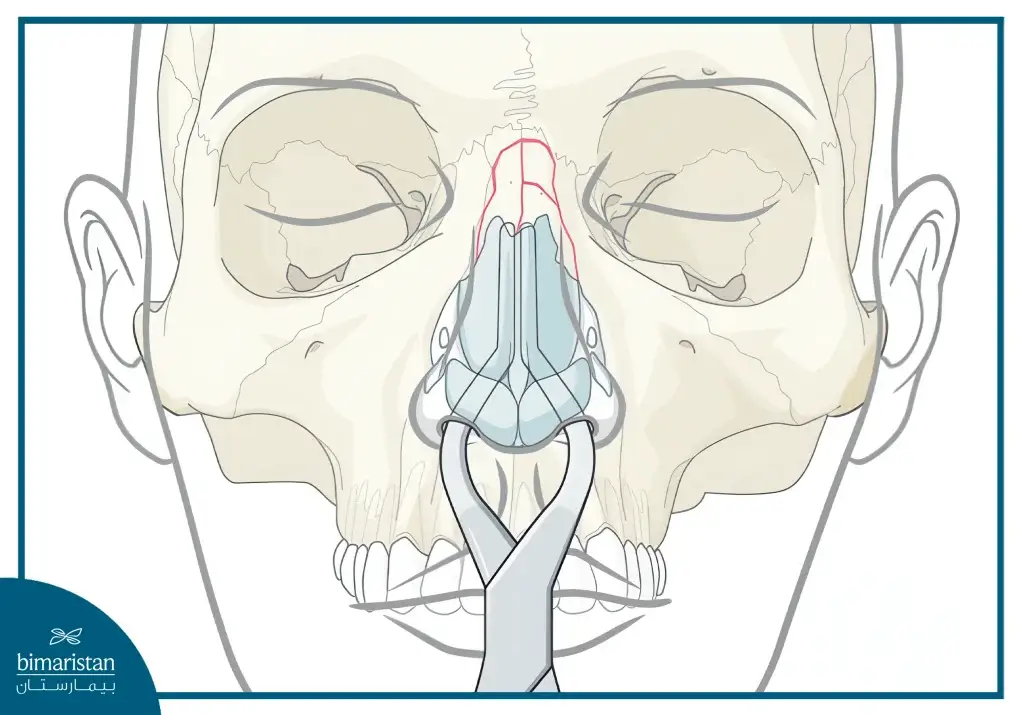
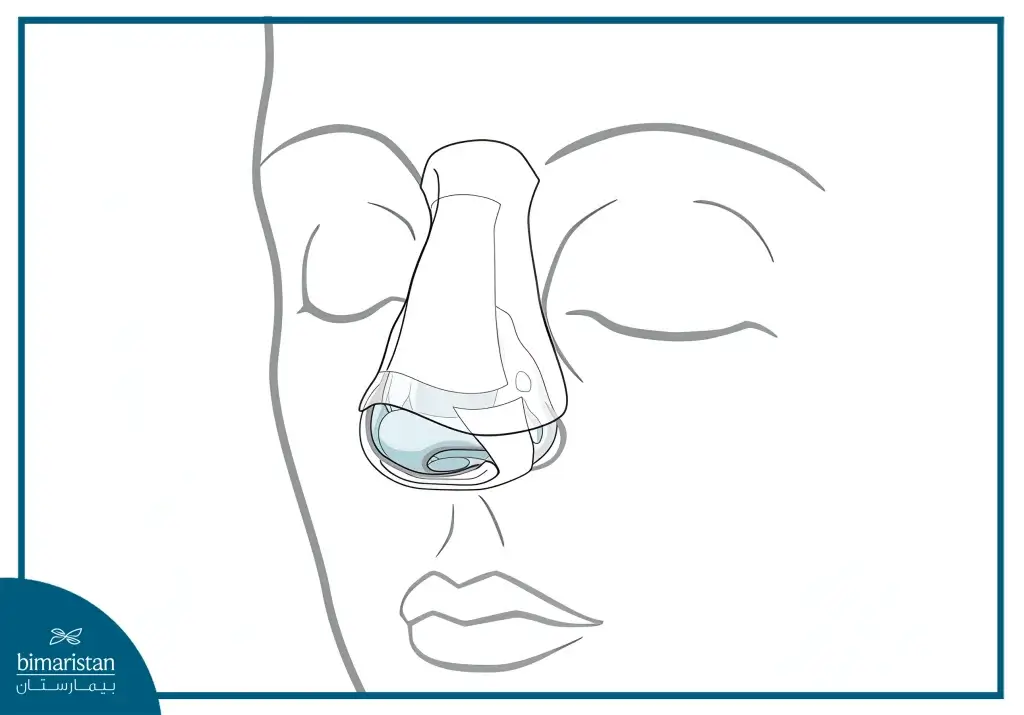
In cases of central fractures, it may be necessary to move the anterior projections of the upper jaw due to the fracture. In this case, the nasal bone is lifted using a lever to reposition the projections back to their normal position. Afterward, pressure is applied using the thumb and index finger to realign the bones. Once the procedure is complete, a nasal splint is applied for one week to ensure the stability of the realigned bones.
Surgical (open) reduction for nasal fractures
Surgical reduction is the preferred option when non-surgical methods cannot provide a solution, such as in cases of comminuted fractures or those causing airway obstruction after closed reduction. Surgeons also opt for surgical intervention in cases with delayed diagnosis, typically after two weeks from the injury, when closed reduction becomes difficult.
The surgery can be performed at any time, but delaying it for 1 to 3 weeks is preferred to allow swelling and bruising around the nose to subside.
Surgical preparation
The patient is prepared for surgery through a series of laboratory tests, including a complete blood count and a coagulation time test. To minimize the risk of bleeding, blood thinners, such as aspirin, should be discontinued for two weeks before and after the surgery. Smoking should be stopped, and eating should be avoided for eight hours before surgery.
Nasal fracture surgery procedures
The surgical procedure for nasal fractures varies depending on the type of injury:
- Septoplasty: This surgery is performed when the nasal septum is fractured. An incision is made inside the nostril to lift the lining covering the septum. The bones and cartilage are then reorganized, and the deviated septum is repositioned to its normal position. The procedure is performed under local or general anesthesia and typically lasts 1 to 1.5 hours, depending on the severity of the nasal obstruction.
- Rhinoplasty: In cases where the fracture affects the external appearance of the nose, rhinoplasty may be performed to reshape the bones and cartilage. The procedure can be performed through an internal incision or a small incision at the base of the nose, between the nostrils. In some cases, bone or cartilage grafts from other body areas may be required to compensate for the loss. This surgery is typically done under local or general anesthesia and takes about 1.5 to 3 hours.
Prevention of surgical complications
After nasal surgery, patients may experience symptoms such as pain, bleeding, and nasal congestion. Some complications can be prevented by resting in bed with the head elevated by 30 degrees during sleep or while lying down, which helps reduce swelling and improves healing.
It is also recommended that pain relievers be taken as prescribed by the doctor and cold compresses applied to the nose to alleviate congestion. In most cases, these symptoms subside within two weeks after the surgery.
Patients should avoid direct pressure on the nose and prolonged exposure to the sun. Daily activities can be resumed after two days; however, contact sports or activities that expose the nose to physical impact should be avoided for 3 to 6 weeks to ensure full recovery and prevent further injury.
In conclusion, nasal fracture treatment varies depending on the severity of the injury. In mild cases, treatment may be limited to rest, pain relievers, and cold compresses. In more severe cases, specialized medical interventions, such as closed reduction or open surgery, may be required based on the physician’s evaluation. Early treatment in all cases is crucial to maintaining nasal function and preventing potential complications.
In this context, Bimaristan Medical Center in Turkey is one of the leading medical institutions with extensive experience in managing all types of nasal fractures. Thanks to the expertise of its specialized medical team and the use of the latest medical technologies, Bimaristan provides the most effective treatments with the highest level of care, ensuring a quick and safe recovery for its patients. Whether the fracture is complex or straightforward, Bimaristan remains the ideal choice for comprehensive and professional medical care.
References:
- OPEN ACCESS ATLAS OF OTOLARYNGOLOGY, HEAD & NECK OPERATIVE SURGERY
- Nasal fractures (broken nose).Royal Berkshire NHS Foundation Trust
- Nasal Fracture POST-OP INSTRUCTIONS. Ear, Nose & Throat Consultants
- Broken Nose (Nasal fracture) Advice for patients. NHS Trust
- Emergency Department Advice Sheet – Nasal Fracture