
Chronic pain is one of the most common issues that can affect patients’ daily quality of life. Chronic pain lasts for more than three months and can lead to physical and mental deterioration. Chronic pain physiotherapy is an effective and safe treatment option that can help relieve pain and improve mobility.
What is chronic pain?
Chronic pain is pain that lasts for more than three months and is different from acute pain, which appears suddenly and usually disappears after a short period of time. Chronic pain can be caused by several health conditions, such as back pain, neck pain, and arthritis, as these conditions affect a person’s ability to perform daily activities and cause a deterioration in quality of life.
The role of chronic pain physiotherapy in relieving persistent pain
Chronic pain physiotherapy helps control pain through multiple techniques such as enhancing circulation, increasing flexibility, and reducing inflammation. Compared to traditional pharmaceutical treatments, chronic pain physiotherapy is a significantly safer option as it reduces dependence on painkillers, enhances the body’s ability to heal, and improves overall health and physical function.
Physical therapy techniques used in chronic pain conditions
Chronic pain physiotherapy techniques include several effective methods, such as:
- Strengthening and stretching exercises: They aim to increase muscle strength and flexibility.
- Manual Therapy: Helps improve joint and soft tissue mobility.
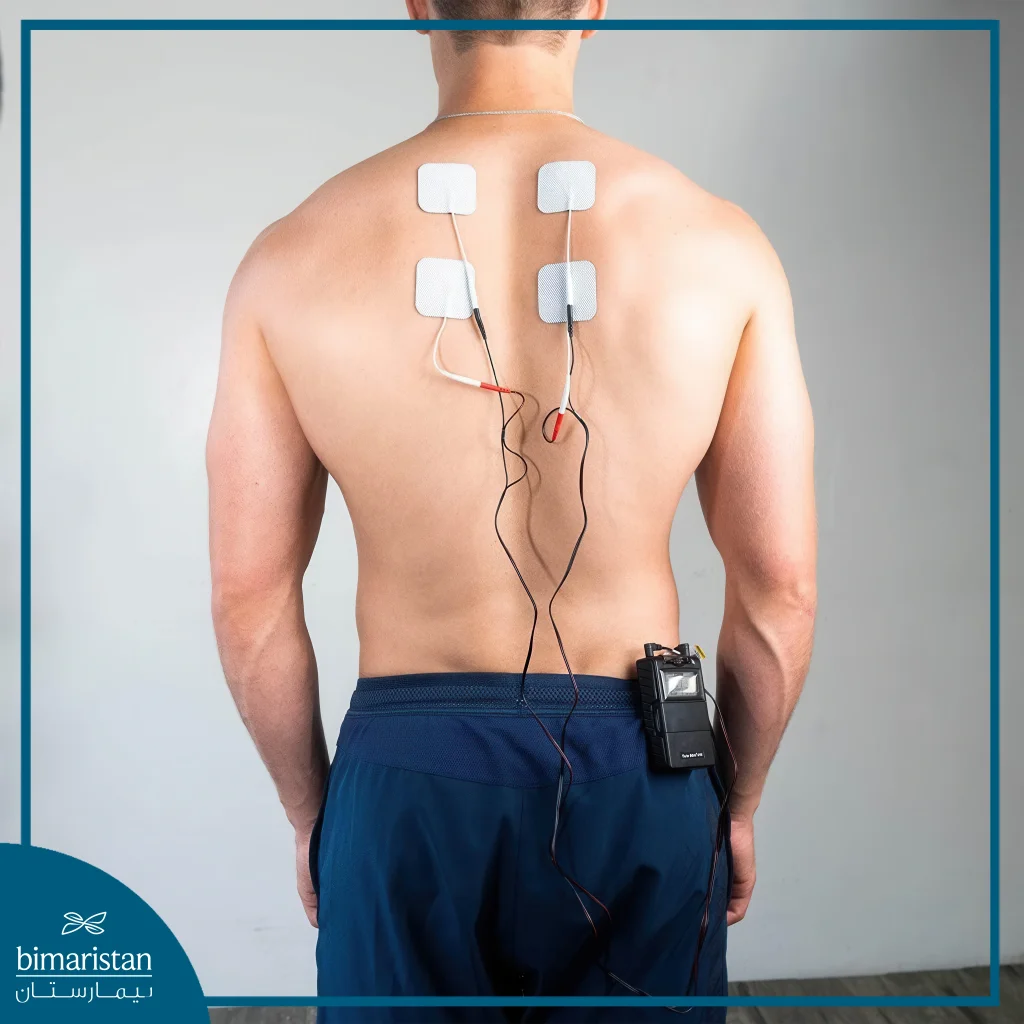
- Transcutaneous electrical nerve stimulation (TENS): Used to relieve pain by sending electrical impulses.
- Heat and cold therapy: Used to reduce inflammation and improve circulation.
- Use ultrasound machines: To stimulate healing and reduce pain.
Conditions that can be treated with physical therapy
Chronic pain physiotherapy can be effective in treating a variety of conditions, including:
- Neck and back pain
- Arthritis
- Fibromyalgia
- Postoperative pain
- Chronic herniated disc
Benefits of chronic pain physiotherapy
The benefits of chronic pain physiotherapy are numerous, including
- Reduce reliance on painkillers: This helps avoid potential side effects.
- Improved mobility: making it easier to return to daily activities.
- Support mental health: By improving overall well-being and reducing depression.
- Preventing the condition from worsening: By providing an ongoing treatment plan.
When should I see a physical therapist?
There are some indications that you should consult a physical therapist, such as persistent chronic pain or worsening symptoms. It is important to get an accurate medical diagnosis to determine the root cause of the pain. Individualized treatment plans can include customized exercises and a healthy lifestyle to help manage the pain.
Chronic pain physiotherapy is an effective and safe option to improve the quality of life for individuals with persistent pain. It can help relieve pain and restore mobility through a variety of techniques. Don’t hesitate to consult with a physical therapist to explore your options and get your life back to normal.
Sources: