
Rehabilitation after brain surgery is a vital phase following complex procedures performed to treat conditions like tumors, epilepsy, infections, and congenital abnormalities. Once surgery is complete, initiating rehabilitation is essential to help restore the patient’s physical and psychological functions. In this article, we explore the importance of rehabilitation, its key stages, therapeutic techniques, and the crucial support provided by family and community throughout the recovery journey.
What is brain surgery?
Brain surgery is an advanced medical procedure performed to treat a variety of neurological disorders such as tumors, epilepsy, and head injuries. The process begins with a thorough evaluation of the patient, which includes clinical tests and medical imaging, such as magnetic resonance imaging (MRI) or computed tomography (CT) scans, to determine the nature and location of the condition.
Surgery is performed under general anesthesia as surgeons open the skull to access the brain tissue. Standard procedures include removing tumors, repairing damaged tissue, or treating blood vessel disorders. After the operation is completed, the patient is transferred to the intensive care unit (ICU) to monitor their condition and stabilize their vital functions.
The recovery period usually requires a comprehensive rehabilitation program that includes physical therapy and psychotherapy to ensure that motor and cognitive functions are restored.
Rehabilitation goals after brain surgery
The goals of rehabilitation after brain surgery are numerous and include:
- Restoring motor functions: The goal is to improve mobility and balance, as physical therapy helps patients regain the ability to walk independently if they have limb weakness after surgery.
- Psychological and emotional support: Helping the patient deal with psychological changes that may occur after surgery, such as depression and anxiety, this process can include sessions with a psychotherapist to support the patient emotionally.
- Enhance cognitive functions: Boost memory, concentration, and decision-making by engaging a therapist in memory games or mental exercises to improve brain activity.
Types of brain surgery
The types and reasons for brain surgery vary widely, including:
- Tumor resection: A procedure used to remove tumors, whether cancerous or benign, from the brain. The success of the procedure depends on the location and size of the tumor, and modern imaging techniques are used to pinpoint its exact location.
- Surgery for epilepsy: It is used to treat cases of epilepsy that do not respond to drug therapy. It involves removing the tissue responsible for the seizures, which is identified through an electroencephalography (EEG) study.
- Vascular surgery: Performed to treat vascular issues in the brain, such as aneurysms. Procedures include repairing blood vessels to prevent bleeding or strokes.
- Head injury surgery: Used to treat injuries resulting from accidents, such as fractures or bleeding inside the skull. It aims to relieve pressure on the brain and repair damaged tissue.
- Deep brain stimulation: Used to treat movement disorders such as Parkinson’s disease. Electrical devices are implanted in certain areas of the brain to stimulate neural activity, which helps improve movement and reduce symptoms.
- Functional surgery: It is used to treat disorders such as chronic pain or depression. It involves modifying the electrical activity in certain areas of the brain to improve neurological function.
- Robotic surgery: Robotic surgery is used for delicate operations where the surgical instruments are controlled by a robotic system, providing greater precision and minimizing the risks associated with conventional surgery.
Stages of rehabilitation after brain surgery
Rehabilitation after brain surgery is divided into several phases to ensure maximum benefit for the patient
Early-stage rehabilitation after brain surgery
The patient’s general health status is assessed at this stage, and the initial therapeutic intervention is initiated, which includes:
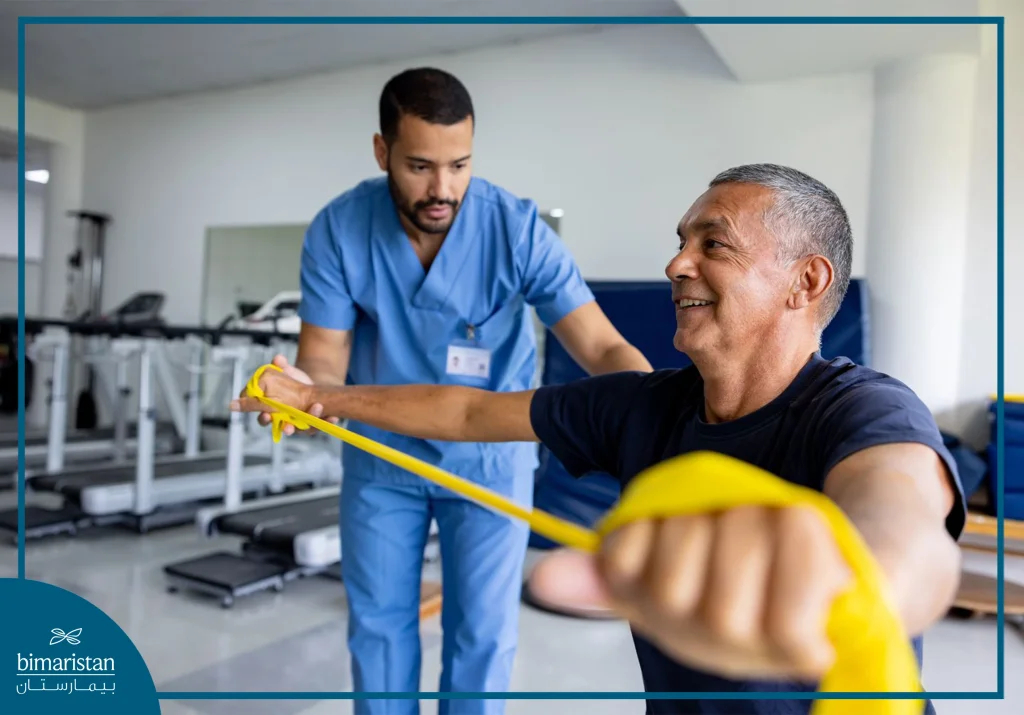
- Initial interventions: Physical therapy and occupational therapy, where the patient starts practicing simple exercises to improve mobility. The patient may start with simple exercises to move the arms and legs.
- Initial assessment: This includes assessment of motor, cognitive, and psychological functions, where doctors and therapists identify the patient’s strengths and weaknesses.
The intermediate stage of rehabilitation after brain surgery
This stage involves developing customized treatment plans, such as:
- Life skills training: Helps patients regain the ability to perform daily activities such as eating, bathing, and dressing. This may include the use of assistive devices such as wheelchairs or special eating utensils.
- Developing treatment plans: Rehabilitation programs are designed based on the patient’s specific needs, such as incorporating exercises to improve balance for patients who have difficulty with balance.
Advanced rehabilitation after brain surgery
This phase focuses on optimizing job performance:
- Preparing to return to normal life: Supporting a patient in returning to work or school can greatly enhance their self-confidence. This might involve training on managing social or professional situations.
- Enhancing overall function: This involves advanced exercises that improve mobility and interaction with the environment, such as practicing stair climbing or participating in simple sports activities.
Rehabilitation techniques and methods after brain surgery
Rehabilitation techniques encompass several areas:
- Physiotherapy: Used to improve mobility and balance. Muscle-strengthening exercises or manual therapy techniques may be used to improve mobility.
- Occupational therapy: Focuses on restoring daily skills, such as teaching patients how to use eating utensils properly or how to dress with the help of a therapist.
- Psychotherapy: Provides psychological support to the patient to help them overcome anxiety and depression. These sessions can include techniques such as cognitive behavioral therapy.

Using technology in rehabilitation
- Assistive technology: Such as therapeutic programs that use artificial intelligence to improve performance and wearable devices. Sensors can be used to monitor movement and provide immediate feedback to the patient.
- Virtual therapy: Virtual reality can be used in rehabilitation to enhance motor and cognitive interaction, as patients can practice exercises in a safe virtual environment, which helps them improve coordination and balance.
The role of family and community in rehabilitation after brain surgery
Family and community play a significant role in the rehabilitation process, as emotional support from the family is a key element in the success of the rehabilitation process. The presence of family members during therapy sessions can help enhance the patient’s sense of safety and support. Social support also has a significant impact on the rehabilitation process through:
- Support groups: Support groups can provide a positive environment for sharing and learning from the experiences of others, such as patients sharing their experiences in support groups, which enhances their sense of belonging.
- Connecting with others: Building a support network of friends and family can help encourage patients to participate in social activities, which can enhance their mental state.
Tips for patients and their families
To ensure the success of the rehabilitation process, the following tips can be followed:
- Communicate with doctors and therapists: Maintaining an open dialogue with the medical team is essential to understand the process and maximize its benefits. The patient and family should ask questions and discuss concerns.
- Adapting to changes: The patient and family should work together to develop coping strategies for life after surgery, such as learning how to use assistive devices effectively.
- Proper nutrition: Diet plays a big role in the recovery process. Foods rich in omega-3 fatty acids, such as fish, are good for brain health.
Challenges and obstacles for rehabilitation after brain surgery
Rehabilitation after brain surgery faces many challenges, including:
- Psychological challenges: Depression and anxiety can negatively affect the patient’s progress. The patient may feel frustrated by the slow pace of recovery, which will affect their motivation to participate in treatment sessions.
- Physical challenges: Pain or impaired mobility may require adjustments in treatment plans. If the patient is experiencing severe pain, the therapist may need to modify the exercises to avoid aggravating the pain.
Rehabilitation after brain surgery is an important process that aims to restore the patient’s physical and psychological functions. With proper support and personalized treatment plans, patients can return to their normal lives. Understanding the importance of rehabilitation and cooperation between the patient, family, and medical team is key to the success of this process.
Sources: