
Weak sperm is one of the leading causes of delayed fertility in men, as this condition compromises sperm quality and its ability to fertilize an egg. Studies indicate that nearly 40% of infertility cases stem from male factor issues, with weak sperm being the most significant contributor. This condition may result from hormonal imbalances, lifestyle habits, environmental exposures, or genetic predispositions. In this article, we will explore the causes of weak sperm, cutting-edge diagnostic techniques, effective treatment options, and expert recommendations backed by the latest scientific research.
What is weak sperm?
Weak sperm refers to a defect in one or more of the sperm’s physiological characteristics, which reduces their effectiveness in reaching and fertilizing an egg:
- Number: Sperm count below 15 million/ml.
- Mobility: The ability of sperm to move forward is reduced by less than 32%.
- Morphological abnormalities: When the percentage of normal sperm is less than 4%.
Having a defect in one or more of these traits does not always mean infertility, but it does decrease the chances of a normal pregnancy.
Causes of weak sperm
The causes of weak sperm can be divided into several categories
Hormonal reasons
- Testosterone deficiency: Testosterone deficiency has a significant and direct impact on the function of the Sertoli and Leydig cells, which are primarily responsible for sperm production.
- Hypopituitarism: Hypopituitarism causes a lack of secretion of both LH and FSH, which affects the stimulation of sperm production.
- Thyroid disorders: Hypo- or hyperthyroidism affects the hypothalamic-pituitary-testicular axis negatively, causing weak sperm.
- Elevated prolactin: Inhibits the release of GnRH from the hypothalamus and leads to low libido and reduced fertility.
High temperature
- Localized heat: High temperatures disrupt spermatogenesis due to their direct effect on Sertoli cells and testicular structure. Studies have shown that chronically elevated testicular temperatures above 35°C can lead to a decrease in sperm count and quality.
- Excessive use of saunas and jacuzzis: Studies have shown that frequent bathing in hot water, more than 40°C, significantly reduces sperm production within a few weeks.
- Placing the laptop on the thighs: This is one of the most common habits that raises the temperature of the scrotum, especially when using the device for long periods of time without an insulating barrier.
- Working in hot environments: Such as bakeries, steel mills, or workers exposed to industrial ovens.
Pharmacological reasons
- Radiation and chemotherapy: One of the most toxic to sperm, these treatments lead to permanent or temporary destruction of testicular tissue.
- Anabolic steroids: Like synthetic testosterone, they inhibit the hypothalamic-pituitary-testicular axis, reducing or stopping sperm production.
- Antidepressants: Like SSRIs, they may affect ejaculation and motility and may cause retrograde ejaculation in some cases.
- Medications for high blood pressure and epilepsy: Such as spironolactone and valproate, may have a negative effect on testicular function.
- Vitamins and supplements in excessive doses: Extremely high doses of zinc or vitamin A can have a negative effect and cause poor sperm count.
Exposure to chemicals and environmental toxins
- Insecticides and fungicides: Some substances cause reduced semen quality and increased sperm abnormalities.
- Heavy metals: Lead, cadmium, arsenic, and mercury all affect sex cells and increase the oxidation process.
- Industrial pollutants: Like dioxins and PCBs, these pollutants accumulate in fatty tissue and significantly affect sex hormones.
- Occupational exposure: In chemical industries such as paint and battery manufacturing.
Lifestyle reasons
- Smoking: Increases free radicals that affect the integrity of intracytoplasmic DNA.
- Alcohol: Suppresses the liver’s function in balancing sex hormones.
- Obesity: Leads to insulin resistance and testosterone disruption.
- Psychological stress: Affects the hypothalamic-pituitary-testicular axis and reduces fertility.
Diseases of the reproductive system
- Varicocele: Varicocele is the most common cause of testicular hyperthermia and damage to cellular function.
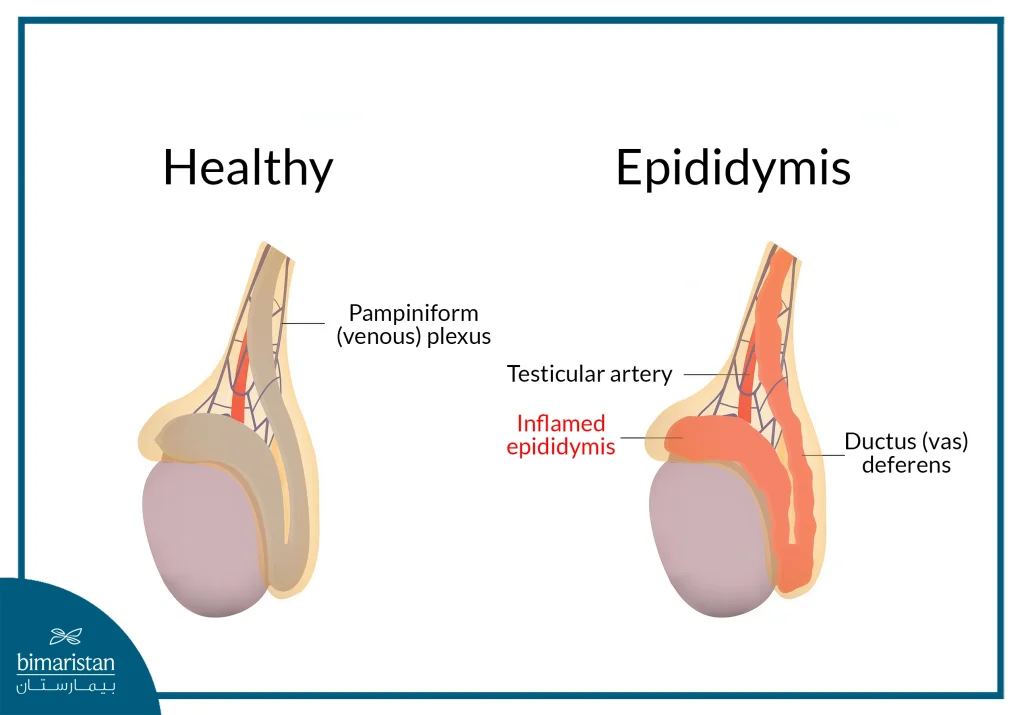
- Infections: Such as epididymitis, prostatitis, or testicular inflammation.
- Clogged ducts: Lead to the absence of sperm, even though sperm production is normal.
When should I see a doctor?
- A delayed pregnancy for more than 12 months without using contraception
- Symptoms such as testicular pain, swelling, or erectile dysfunction
- History of pelvic or testicular surgery
- When there are chronic diseases such as diabetes or sexually transmitted diseases
Methods for diagnosing weak sperm
Diagnosing weak sperm requires a range of advanced diagnostic methods, including the following:
Semen analysis
It is the primary means of assessing male fertility. The sample is collected after a period of sexual abstinence of 2-7 days, and the analysis must be repeated twice with an interval of at least two weeks to obtain accurate results. Size, total sperm count, density (number/ml), motility (progressive and non-progressive), shape, viscosity, pH, and WBC count are evaluated. It is based on the World Health Organization (WHO 2021) standards.
Hormonal analyzes
To assess the function of the hypothalamic-pituitary-testicular axis, several tests are performed, such as:
- FSH and LH: High FSH with low sperm count indicates primary testicular failure.
- Total and free testosterone: To detect androgen deficiency.
- Prolactin: High levels may indicate a pituitary tumor and affect libido.
- TSH and T4: To assess thyroid function, as both hypo- and hyperthyroidism may affect fertility.
Sperm DNA fragmentation analysis
It is used to assess the integrity of the genetic material (DNA) within the sperm and is helpful in the following cases:
- Failure of ICSI despite normal sperm
- Frequent miscarriages
- Occupational exposure to toxins or excessive smoking
testicular echocardiography
It is used to detect:
- Varicoceles, where the diameter of the veins is measured and venous reflux is assessed
- Tumors or masses inside the testicle
- Blockage of the epididymis or spermatic cord
- Undescended or retracted testicle
Additional lab tests
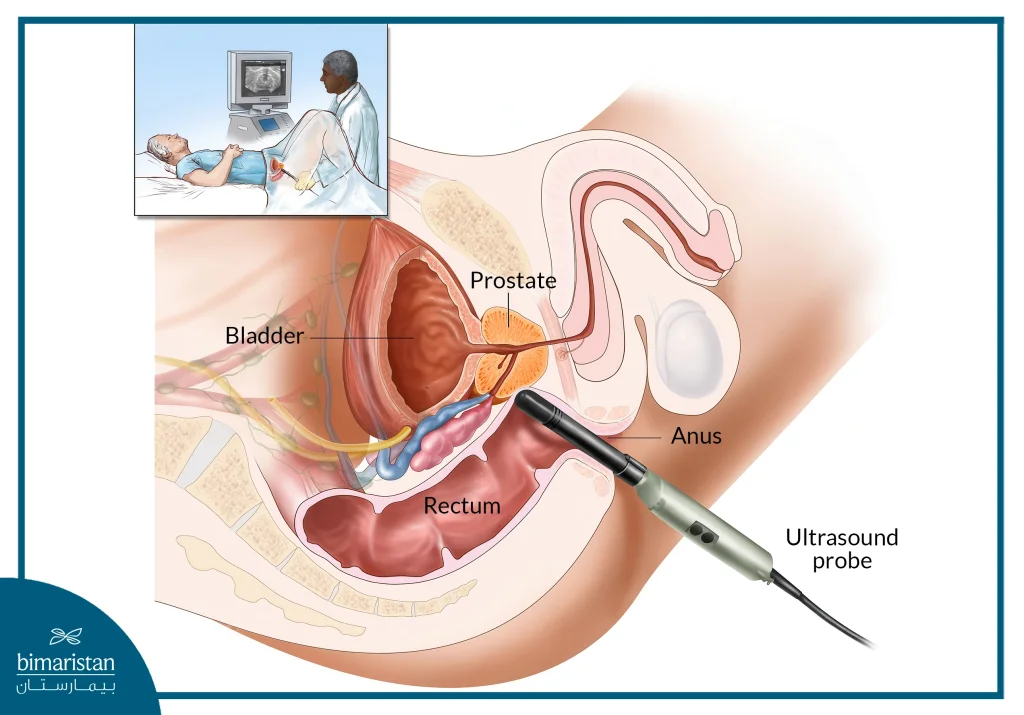
- Transrectal echo: Transrectal echo is used to evaluate the prostate and seminal vesicles and is helpful in cases of suspected ejaculatory duct obstruction or congenital cysts.
- Genetic tests: such as Y chromosome deletion analysis, CFTR analysis, and karyotype.
- Bacterial semen analysis: To detect the presence of chronic infections.
- Anti-sperm antibody tests: These are used when autoimmunity to sperm is suspected.
- Microbiome tests: Performed in some advanced centers to assess the microbial balance in semen
Treatment for weak sperm
The treatment plan for weak sperm is based on the underlying cause and includes several treatment approaches.
Drug therapy for weak sperm
The treatment plan for weak sperm is based on the underlying cause and includes several treatment approaches:
- Antioxidants: Used to minimize free radical damage that affects the integrity of sperm DNA. They include essential vitamins and minerals such as vitamin C, vitamin E, selenium, zinc, and carnitine, as studies have shown that these compounds have a noticeable effect on sperm motility and shape after using them for at least 3 months.
- Hormone steroids: FSH is used in cases of hypothalamic-pituitary-testicular axis insufficiency and is administered under medical supervision and according to precise schedules. The most important of these steroids:
- Clomiphene citrate: Stimulates the production of reproductive hormones by inhibiting negative feedback and is used orally.
- HCG: Stimulates Leydig cells to produce testosterone.
- Synthetic FSH: Stimulates Sertoli cells to support spermatogenesis and is used by injection.
- Treatment of infections with appropriate antibiotics: Semen or urine is cultured to identify the germ and choose the proper antibiotic. Used in cases of epididymitis, prostatitis, and chronic urethritis.
- Nano-supplements: Like nano-selenium, they have better absorption and higher efficacy in reaching testicular tissue. Animal and human trials have shown significant improvement in fertility indicators and reduced DNA fragmentation.
- Specific immunotherapies: Like steroids, these are used in the presence of anti-sperm antibodies that interfere with motility or fertilization. The treatment is short-term and closely monitored due to significant side effects.
Surgical treatment for low sperm count
- Varicocelectomy: Varicocelectomy is a microsurgical or laparoscopic procedure to treat blood reflux in the veins of the spermatic cord. It is the most common procedure to treat male infertility, and studies show that sperm quality improves after surgery within 3-6 months, with natural pregnancy rates after the procedure increasing significantly, especially in moderate and severe cases.
- Clearing obstructions in the sperm transport ducts: This includes procedures such as vasovasostomy (reconnecting the vas deferens) and clearing the ejaculatory ducts. These interventions are used in cases of congenital or acquired blockages caused by infections or previous surgeries. If surgery fails, sperm may be retrieved directly from the testicle.
Assisted Reproductive Technologies (ART)
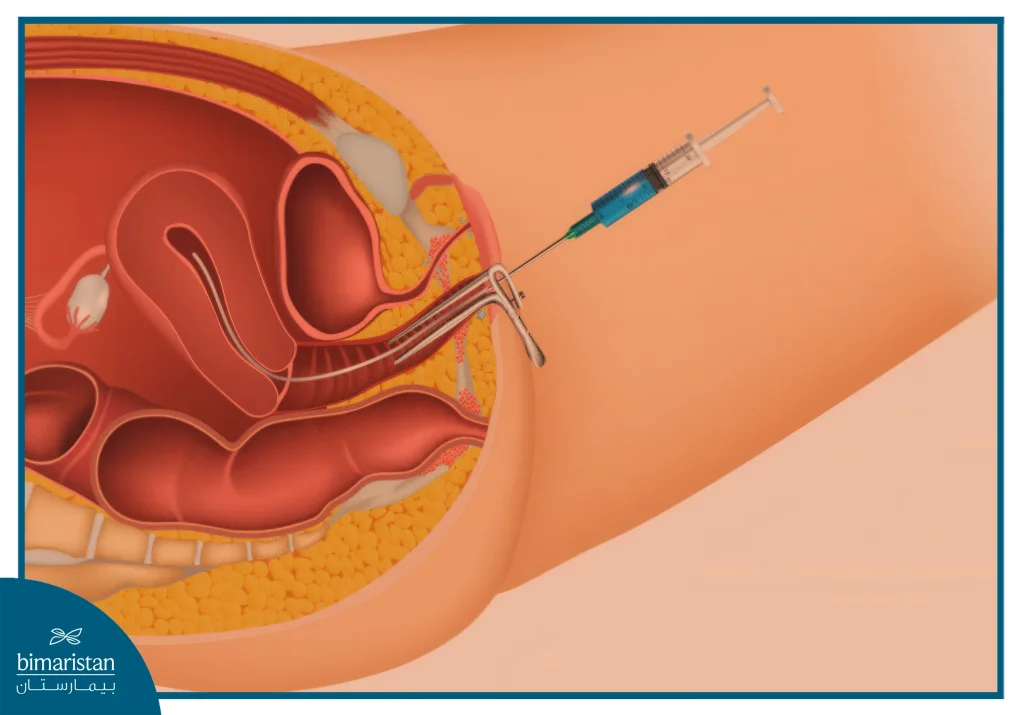
- Intrauterine insemination (IUI): Used in cases of normal or near-normal sperm count with a slight abnormality in motility or shape, active sperm are separated from the semen and injected directly into the uterus at the time of ovulation. The chances of a successful pregnancy are higher when combined with the wife’s ovulation stimulation.
- Intracytoplasmic sperm injection (ICSI): ICSI is the best option for severe cases of infertility where a single sperm is selected and then injected directly into the egg’s cytoplasm. ICSI is also used in cases of DNA fragmentation. The quality of the sperm determines success rates, the age of the wife, and the number of eggs.
Evidence-based recommendations for optimizing fertility
- Healthy lifestyle: A healthy lifestyle has a significant impact on sperm health, so you should maintain an ideal weight, exercise, sleep well, and avoid stress.
- A diet rich in antioxidants: Like the Mediterranean diet.
- Avoid harmful factors: Excessive heat, alcohol, smoking, and environmental pollutants have been linked to poor sperm count.
- Periodic medical follow-up: For early detection and rapid intervention.
Weak sperm is not the end of the road; it is a manageable condition in most cases with proper diagnosis and timely intervention. With the advancement of modern diagnostic tools and effective treatment options, male fertility can be greatly enhanced. Maintaining a healthy lifestyle and following medical guidance improves the likelihood of achieving natural or assisted conception.
Sources: