
Varicocele treatment plays an important role in treating infertility and improving fertility in a large number of men, as varicoceles in the testes account for more than 40% of male infertility cases.
Varicocele removal surgery or varicocelectomy has increased the chances of conception in infertile men by more than 70% compared to before the surgery. This makes varicocele surgery one of the most frequently performed procedures to treat male infertility.
Varicocele is a common issue affecting men worldwide. Statistical studies indicate that 15% of males will suffer from varicocele. Fortunately, varicocele can be treated and eliminated through surgery that aims to remove and cut the enlarged veins. Currently, advanced minimally invasive techniques are available in Turkey for performing varicocele surgery with a low risk of side effects. Continue reading to learn everything you need to know about varicocele surgery.
What is varicocele?
To understand how varicocele affects a man’s reproductive ability, we must first understand what varicocele is.
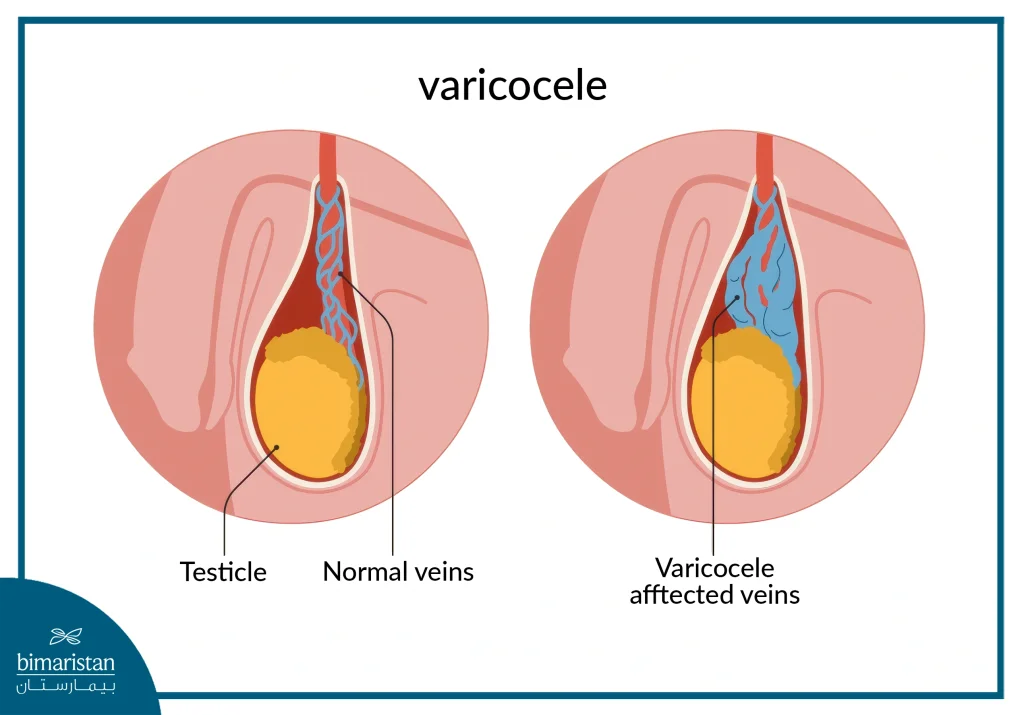
“varicocele” refers to the enlargement or swelling of the blood veins in the scrotum (the fleshy sac containing the testes).
Scrotal veins transport blood from the testes to the heart and help regulate the testes’ temperature. Sperm production requires a temperature 3 degrees lower than the normal body temperature. When a varicose in scrotum occurs, the mechanism of temperature regulation is disrupted, making the production of high-quality sperm difficult and leading to infertility.
When is Varicocele Surgery Performed?
Initially, varicocele surgery is not performed on all individuals with varicoceles. The surgery is reserved for cases that exhibit symptoms. Many men may have varicoceles without experiencing any varicocele symptoms or fertility issues, and they may not even be aware of their condition.
Surgery becomes necessary when a man experiences symptoms due to the varicocele, such as varicocele pain or discomfort around the groin area, or it may be one of the causus of infertility in men. Varicoceles can also affect the production of testosterone, leading to various bothersome symptoms for men.
In cases where varicoceles occur at an early age, they can cause delayed puberty in adolescents. In such instances, surgical intervention is indicated to ensure normal puberty and the maturation of the reproductive organs.
How is Varicocele Surgery Performed in Turkey?
Currently, there are several methods for performing varicocele surgery. It can be done using laparoscopic surgery, which is a low-risk procedure that does not require large surgical incisions, and the recovery time is relatively short.
Varicocele surgery can also be performed using a surgical microscope. Let’s discuss the details of the different types of varicocele surgeries:
Laparoscopic Varicocele Surgery
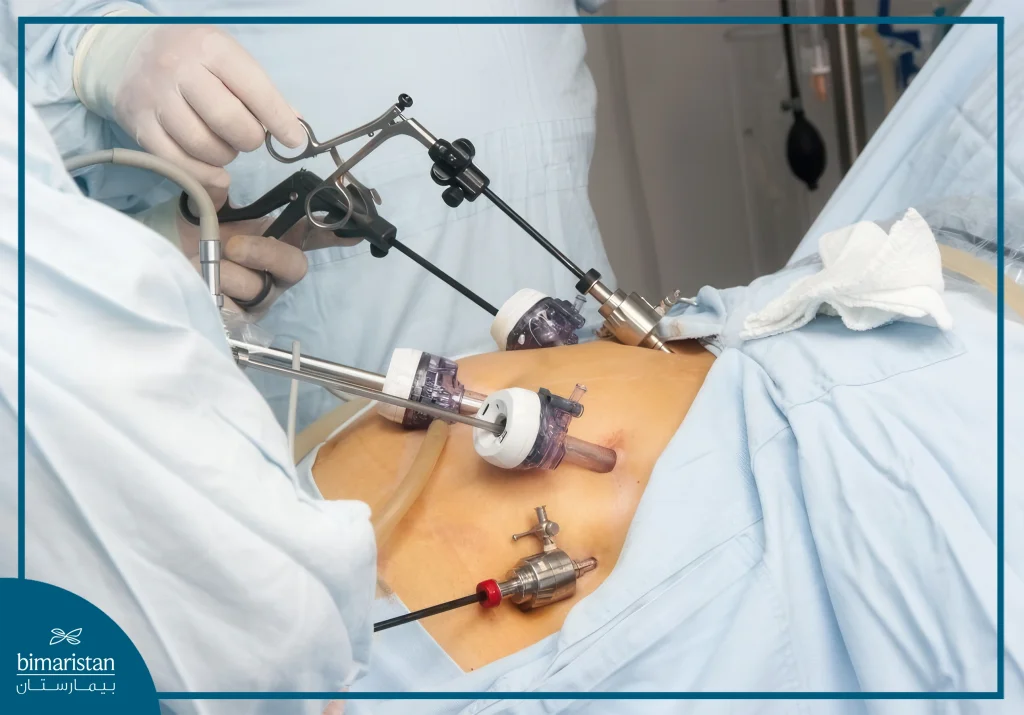
In this type of surgery, varicoceles are treated using a specialized laparoscope equipped with a camera, which allows the surgeon to get a clear view of the varicocele. The surgeon makes a small incision in the abdominal area to insert the laparoscope and guide it precisely through a video monitor to the location of the varicocele.
Using surgical instruments, the surgeon cuts the dilated veins (varicoceles) and seals the ends of the cut veins using small clips or thermal coagulation. After completing the procedure, the surgical instruments and laparoscope are removed, and the small incision is closed.
This procedure is characterized by being low-risk and minimally invasive compared to traditional open surgery. Additionally, it is performed quickly, typically taking about 40 minutes on average. The patient recovers rapidly and can resume daily activities without needing a prolonged rest period after the surgery.
Microscopic Varicocele Surgery
In this type of varicocele surgery, the surgeon makes a 1 cm incision above the scrotum. With the assistance of a microscope, the surgeon ties the small dilated veins together, ensuring to avoid damaging the vas deferens (the sperm-carrying tube), the testicular artery, lymphatic vessels, and other important structures surrounding the testicles.
This procedure can be performed in the physician’s office or a hospital. Typically, microscopic varicocele surgery takes 2 to 3 hours, and the patient can return home on the same day the surgery is performed.
Open Surgery for Varicocele
During open surgery for varicocele, the surgeon makes a wide incision to visualize and manually remove the varicose veins, tying the ends together afterward. This surgery can be performed using several techniques:
Inguinal Ligation
In this type of surgical intervention, the surgeon accesses the varicocele through the inguinal canal located in the groin near the lower abdomen. The varicocele is then excised and tied off.
Subinguinal Ligation
The surgeon reaches the varicocele through the thigh below the inguinal ligament, ties the varicocele, and reconnects the vein ends.
Retroperitoneal High Ligation
An incision is made in the retroperitoneal area (a transparent watery membrane in the abdomen), and the varicocele is treated and tied off as in the previous methods.
Despite the different surgical techniques, the goal remains to treat and remove the varicocele. The surgeon performing the procedure chooses the appropriate method.
Varicocele Embolization
This procedure is not very common but may be used in some cases. Treating varicocele via embolization involves redirecting blood flow away from the dilated veins (varicoceles) to prevent further expansion and worsening of symptoms.
An interventional radiologist may use various methods to induce clot formation in the dilated testicular veins, such as thermal ablation via the femoral vessels.
Preoperative Tips for Varicocele Surgery
After being recommended for varicocele surgery, following the instructions and tips provided by your doctor before the procedure is essential. These include:
- Inform Your Doctor About All Medications and Supplements: Your doctor may ask you to adjust or stop certain medications.
- Fasting Before the Procedure: You will be instructed to stop eating or drinking for a period before the surgery, usually 12 hours. Adhering to your doctor’s instructions is crucial to avoid any side effects during the surgery.
- Understand the Nature of the Surgery: Ensure you fully understand the procedure and inquire about preoperative preparation and postoperative recovery.
- Preoperative Showering: Taking a shower before the surgery can help reduce the risk of infection. However, avoid using chemical deodorants and other skin-irritating substances. Consult your doctor, who may recommend a special soap for showering before the surgery.
- Arrangements for Post-Surgery Transport: Have a family member accompany you to drive you home after the procedure, as you might not be able to drive due to the effects of anesthesia.
Post-Varicocele Surgery Care
After the surgery, you will be moved to the recovery room until the anesthesia wears off. Typically, you will stay in the hospital for about two to three hours before being discharged and allowed to go home.
Recovery and healing after varicocele surgery generally do not require much time. After three days of rest, you can usually resume your regular daily activities, but it is advisable to avoid lifting heavy weights for three to four weeks after the surgery.
You may experience pain in the lower abdomen around the groin area for 3 to 6 weeks after the surgery. Additionally, swelling and redness around the scrotum may last for about 3 to 4 weeks before subsiding independently.
Your specialist may prescribe pain medications to alleviate the discomfort you might feel during the recovery phase. Applying ice can help reduce swelling around the groin area (consult your doctor for instructions on how to do this properly).
Refrain from engaging in sexual intercourse for at least two weeks after varicocele surgery. The duration may vary depending on the type of surgery performed; using a laparoscope typically requires a shorter recovery period than open surgery. Avoid strenuous activities that increase abdominal pressure, such as lifting heavy objects or swimming, for a period your specialist determines. Additionally, to prevent constipation during this period, consume a fiber-rich diet or take stool softeners as advised by your doctor.
You should not bathe immediately after the surgery to avoid exposing the scrotum to water, which could hinder the healing of the surgical incision. If you notice any signs of the surgical wound reopening, consult your doctor immediately.
To assess the effectiveness of varicocele surgery in improving fertility and treating infertility, you will be asked to undergo a semen analysis approximately six months after the surgery. This is to check for improvements in the quality and characteristics of the semen compared to a sample taken before the surgery.
Success Rate of Varicocele Surgery
Many studies have been conducted on the effectiveness of varicocele surgery in treating male infertility and improving fertility in infertile men. According to statistical studies, semen analysis results for patients who underwent the surgery showed a significant improvement in semen quality and characteristics in 60 to 80% of patients. Additionally, the chances of conception increased by approximately 20 to 60% for those who underwent varicocele surgery.
Other studies have investigated the benefits of varicocele surgery in treating cases of azoospermia (zero sperm count in men). These studies found that varicocelectomy had some benefits in increasing the chances of conception in about 20% of these patients.
The success rate of the surgery in treating and removing varicoceles ranges from 90 to 99%. However, it is not necessarily guaranteed that the surgery will cure infertility. Always remember that pregnancy and infertility recovery are ultimately in God Almighty’s hands.
Risks of Varicocele Surgery
No medical procedure is completely free of potential risks or side effects, even if they are extremely rare. Regarding varicocele surgery, some possible complications include:
- Anesthesia-related problems
- Infection at the surgical site
- Bruising and swelling around the surgical area
- Bleeding and the formation of a hematoma
- Hydrocele formation (fluid accumulation around the testicle)
- Injury to the testicular artery
- Recurrence of varicoceles after a period of time
- Lack of improvement following the surgery
These complications can be minimized when the surgery is performed under the supervision of an experienced doctor. Contact us to find the best urology surgeons with significant expertise in Turkey.
When Do Results of Varicocele Surgery Appear?
The timing of results after varicocele surgery depends on several factors, including:
Type of Surgery:
- Open Surgery: Signs of improvement and recovery may take 3 to 6 weeks.
- Laparoscopic Surgery: Improvement may be seen within 2 to 4 weeks.
- Percutaneous Surgery: Improvement may be seen within 1 to 2 days.
Sperm Health:
- Improvement in sperm quality: This may take 3 to 6 months after surgery.
- Improvement in chances of conception: This may take 9 to 12 months after surgery.
Individual Factors:
- Age: Younger patients may see faster results.
- Overall Health: Chronic illnesses may affect the speed of recovery.
- The severity of Varicocele: Severe cases may take longer to show improvement.
Generally, you may notice some improvements in symptoms, such as pain and swelling, immediately after the surgery. However, results related to sperm quality and fertility may not be evident for several months.
Cost of Varicocele Surgery in Turkey
The cost of varicocele surgery in Turkey varies depending on the nature of the procedure and the method used. The price for open surgery differs from laparoscopic surgery and catheter-based procedures. On average, the cost of varicocele surgery in Turkey starts from 1500 USD, which is relatively low compared to other countries. Fill out the form and contact us to determine the appropriate technique for your surgery and get an accurate price.
Turkey is a leading country in medical tourism due to its advanced medical practices and lower treatment costs. You can contact our medical team to guide you to the best treatment centers in Turkey.
In conclusion, varicocele surgery is one of the most important and common surgical procedures for treating male infertility. This surgery can be performed using various methods, with laparoscopic surgery being minimally invasive and low-risk. It has high success rates, a low risk of complications, and a short recovery time. This procedure has proven effective in treating infertility in a significant number of men.
Resources: