Esophagobronchial fistula is a rare medical condition defined by an abnormal connection between the esophagus and the bronchi. This condition allows digestive contents to leak into the respiratory system, potentially leading to serious health risks. Accurate diagnosis and strategic treatment planning are crucial for mitigating complications and enhancing the patient’s quality of life. Effective management of esophagobronchial fistula depends on a comprehensive medical assessment that informs the selection of customized treatment approaches based on the patient’s health profile and the specific type of fistula.
Therapeutic options for esophagobronchial fistula continue to advance, encompassing both minimally invasive and surgical techniques designed to seal the abnormal passage between the esophagus and bronchi. Timely diagnosis and individualized care planning are crucial for achieving optimal outcomes and reducing risk in this rare disorder. Specialized medical centers offer targeted care for esophagobronchial fistula, supported by close monitoring to ensure the highest standards of recovery.
What is an esophagobronchial fistula?
An esophagobronchial fistula is a rare medical condition classified as an anatomical esophageal disease, as it is an abnormal opening between the esophagus and the bronchus that interferes with normal esophageal function. It leads to the passage of digestive contents into the respiratory tract. This type of fistula is a critical condition that requires careful medical evaluation to determine its exact location and size, which is necessary to plan appropriate treatment and minimize potential risks.
The management of esophagobronchial fistula relies on the use of advanced imaging and endoscopic techniques to accurately assess the condition, as well as careful follow-up to ensure no complications occur. Modern medical approaches are evolving to include surgical and endoscopic options that aim to permanently close the abnormal connection between the esophagus and the bronchi. Early diagnosis and individualized treatment planning are crucial to achieving optimal results and enhancing the quality of life for patients, while providing a specialized and integrated medical environment to monitor cases before and after treatment.
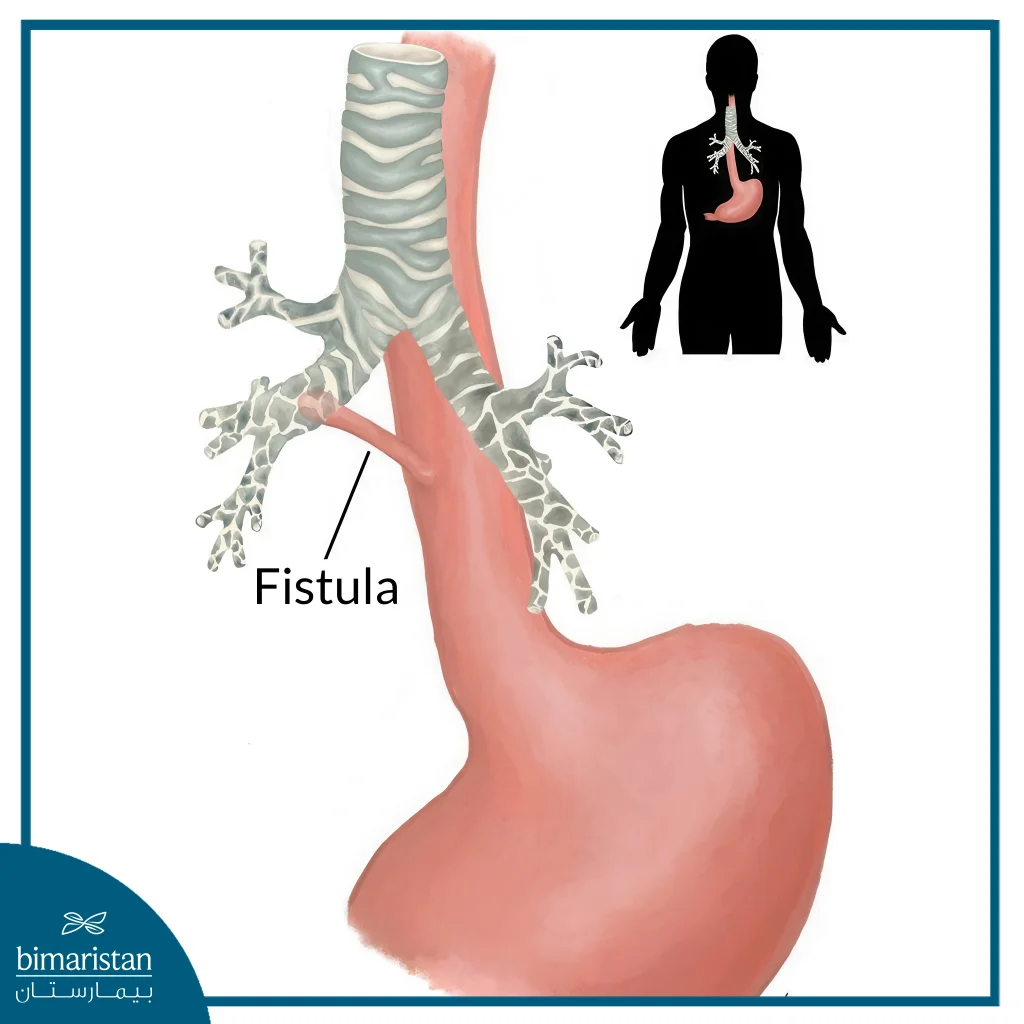
Causes of esophagobronchial fistula
Esophagobronchial fistula is caused by factors that lead to the formation of an abnormal connection between the esophagus and the bronchi. Understanding these causes helps doctors to choose the best treatment method for each case:
- Congenital diseases: Some babies may be born with an abnormal connection between the esophagus and the bronchi, which is the most common cause of pediatric fistulas.
- Surgical complications: Previous operations on the esophagus or lung can sometimes lead to fistula formation as a result of tissue damage or abnormal healing.
- Inflammatory disorders or infection: Chronic inflammation in the esophagus or airways may cause erosion of the tissue wall, leading to fistula formation.
- Tumors: Tumor growth in the esophagus or lung can compress tissue and lead to the formation of an abnormal connection between the esophagus and the bronchi.
- Therapeutic radiation: Treating tumors with radiation can sometimes lead to weakening of the surrounding tissue and the appearance of a secondary fistula.
- Traumatic injuries or accidents: Direct trauma to the chest or neck may cause a tear in the esophagus or trachea, leading to the formation of a fistula.
- In cases of hiatal hernia, the risk of forming an esophagobronchial fistula is heightened due to increased pressure on the esophagus. Therefore, it is crucial to evaluate the esophagus and examine the lower esophageal sphincter.
Symptoms of esophagobronchial fistula
Esophagobronchial fistula presents a set of symptoms that vary in severity depending on the size and location of the fistula. Early recognition of these signs is crucial for facilitating diagnosis and determining the appropriate treatment plan for each patient. Among the most important common symptoms of esophagobronchial fistula:
- Persistent coughing while swallowing: Caused by the passage of food or liquids from the esophagus into the airways, triggering a cough reflex to protect the respiratory tract.
- Choking or difficulty swallowing: An esophagobronchial fistula can cause swallowing difficulties, similar to dysphagia, but the fistula is caused by an abnormal opening between the esophagus and the bronchi, making surgical or endoscopic intervention necessary to restore normal swallowing function.
- Recurrent lung infections: The leakage of esophageal contents into the lungs leads to frequent lower respiratory tract infections.
- Nausea or vomiting: Some patients may experience food and fluid backing up into the mouth after swallowing, especially in people with large fistulas.
- Shortness of breath: The connection between the esophagus and the bronchus affects the respiratory system and may cause difficulty breathing, especially during meals or sleep.
Diagnosis of esophagobronchial fistula
The diagnosis of esophagobronchial fistula requires thorough assessment to identify the precise location and size of the abnormal tract between the esophagus and bronchi. Early and accurate detection is crucial for selecting the appropriate treatment and minimizing risks, such as respiratory compromise or recurrent pulmonary infections. Physicians utilize a variety of advanced diagnostic tools to visualize the esophagobronchial fistula clearly and evaluate its effect on adjacent anatomical structures.
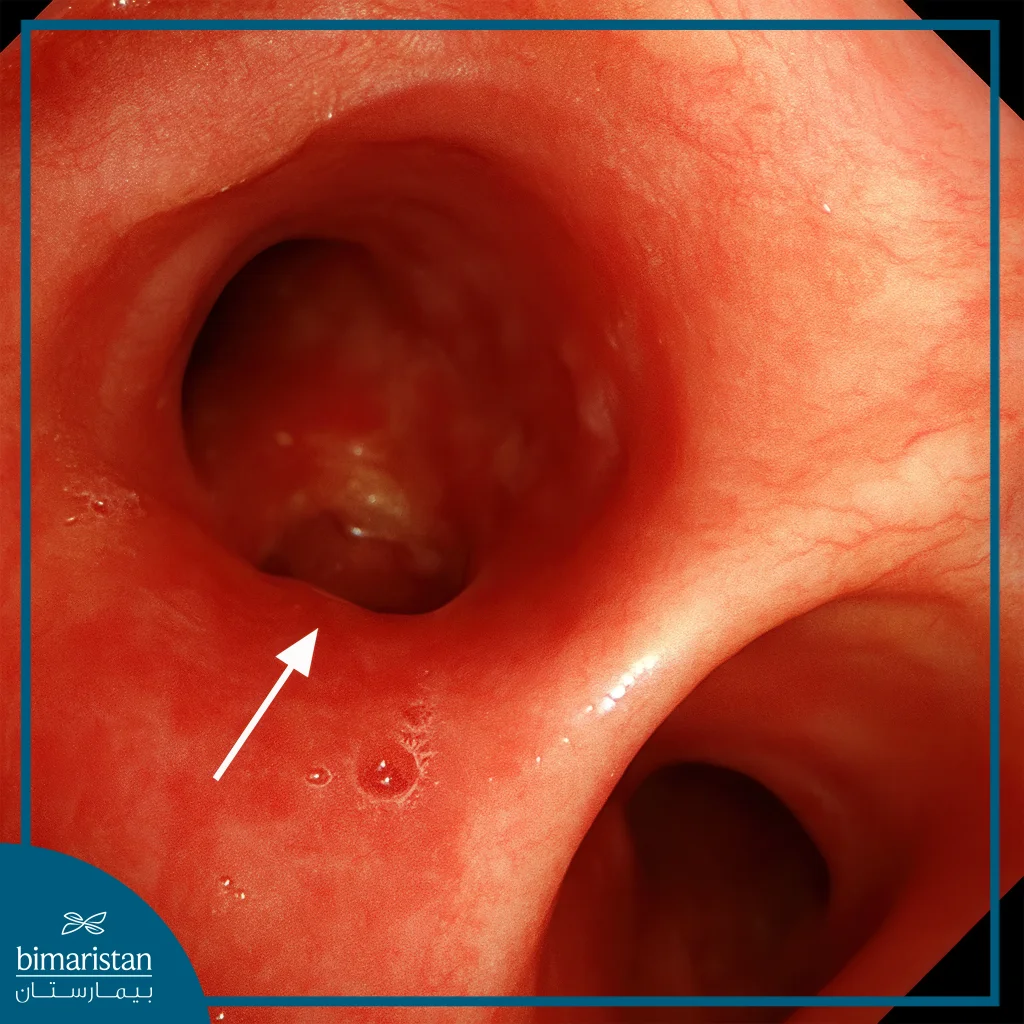
Endoscopy
Endoscopy is one of the most basic methods of diagnosing esophagobronchial fistula, where the doctor inserts a thin tube with a camera through the mouth to access the esophagus and bronchial tree. This allows the doctor to see the exact location of the fistula, estimate its size, and take tissue samples if necessary to analyze pathological changes.
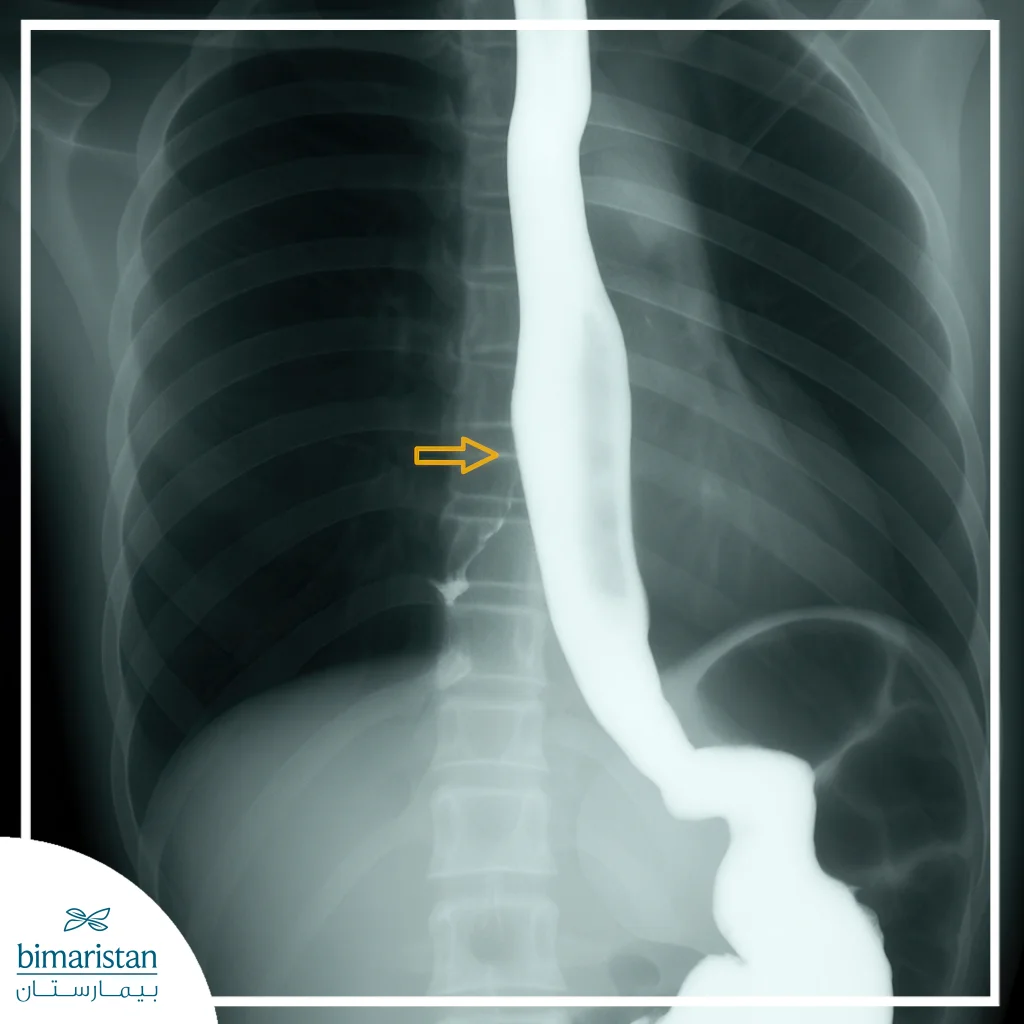
Barium Swallow
This technique is used to visualize the esophagus after swallowing a barium-containing substance, allowing the doctor to see any leakage of the substance into the airways. This method is effective for determining the size and shape of the fistula and helps in planning the appropriate surgical or endoscopic treatment.
Computerized Tomography (CT Scan)
Computed tomography (CT) is used to evaluate the fistula and surrounding organs with high accuracy, especially in complex cases or in the presence of possible tumors. CT provides us with three-dimensional information that enables the doctor to develop an accurate treatment plan, whether surgical or non-surgical.
Functional and respiratory tests
In some cases, doctors may use tests to assess respiratory and pulmonary function, especially if the fistula is causing frequent respiratory complications. These tests help assess the impact of the fistula on breathing and guide appropriate treatment.
Treatment methods for esophagobronchial fistula
The treatment of esophagobronchial fistula depends on the size of the fistula, its location, and the patient’s overall health status. The primary goal is to close the abnormal connection between the esophagus and the bronchus and prevent complications. Treatment methods are mainly divided into three categories:
Endoscopic Treatment
ُEndoscopy is used to close the fistula using specialized instruments such as staples or clips, or by installing metal or plastic stents to cover the opening. This method is suitable for small cases or for patients who are unable to undergo open surgery, and is characterized by a shorter recovery period compared to conventional surgery.
Surgical Treatment
This approach is used for large or complex cases. It involves directly suturing the fistula, using a muscle flap to reinforce the walls of the esophagus or bronchus, or performing a resection of part of the esophagus or bronchus followed by reconstruction. The goal of this type of treatment is to achieve a permanent closure of the fistula while ensuring the normal function of both the esophagus and the respiratory tract.
Supportive/Nutritional Care
It includes feeding support via nasogastric tube or parenteral nutrition to minimize the passage of food during the recovery period, as well as respiratory physical therapy to enhance lung function and minimize complications.
Surgical treatment steps for esophagobronchial fistula
Surgical treatment of esophagobronchial fistula aims to permanently close the opening between the esophagus and the bronchus, prevent the leakage of food or fluids into the lungs, and restore normal digestive and respiratory function. The choice of the type of surgery depends on the size of the fistula, its location, and the patient’s health condition:
- Preoperative Preparation: Before surgery, the medical team ensures that the patient’s overall condition is stable. This involves treating any pulmonary infections, assessing vital signs, and providing nutritional support through a nasogastric tube or intravenous (IV) line. Proper preparation is crucial to minimize risks, regardless of whether the surgery is endoscopic or open.
- Surgical planning: Endoscopy and CT scans are used to determine the exact size and location of the fistula. Planning helps in choosing the type of surgery
- Minimally invasive surgery: This surgery is performed through small incisions using a laparoscope and fine instruments. It is suitable for small or medium-sized fistulas.
- Open surgery: This surgery requires a large incision in the chest or abdomen to directly access the fistula. It is used for large or complex cases.
- Close Fistula
- Direct suture: Used for small fistulas, whether endoscopic or open, using fine sutures to close the opening and prevent leakage.
- Muscle flap: Added to strengthen the esophageal or bronchial wall in large or complex cases, using either endoscopic or open surgery.
- Partial resection and reconstruction: Used in very large cases or when there is extensive tissue damage, it is often performed using open surgery to remove the affected portion and reconstruct the esophagus or bronchus.
- Checking for successful closure: After the procedure, the doctor will use endoscopy or radiology to make sure there are no leaks and that the esophagus and bronchi are intact before resuming normal feeding.
- Post-operative care: This includes gradual continuation of nutrition, respiratory physical therapy to enhance lung function, and regular check-ups to ensure the fistula has healed, whether the operation was endoscopic or open.
Complications of esophagobronchial fistula surgery
Surgery to treat an esophagobronchial fistula is effective, but it may involve certain risks and complications. It is crucial for the patient to understand these potential complications and how to manage them to ensure a safe recovery. Some of the most significant complications associated with esophagobronchial fistula surgery include:
- Infection: Infection may occur at the incision site or inside the chest after surgery. It can cause high fever, redness, or swelling in the incision area, and may require antibiotics or additional procedures to prevent the infection from spreading.
- Leakage from the fistula after closure: In some cases, the fistula may not close completely after the procedure, causing food or fluid to leak into the lungs, sometimes leading to pulmonary infections or other complications. Leakage is usually detected by radiology or endoscopy after the operation.
- Breathing and lung issues: These complications include reduced lung expansion due to surgery and fluid or air accumulation in the chest (pneumothorax), and you may need temporary respiratory support or lung physiotherapy sessions to improve lung function.
- Damage to surrounding nerves or muscles: During surgery, nerves or muscles near the esophagus or trachea may be affected, sometimes resulting in temporary impaired swallowing or voice changes. These issues often improve gradually with physical therapy and medical follow-up.
- Bleeding: Internal bleeding can occur during or after surgery and may require a blood transfusion or additional surgical procedures to stop the bleeding and stabilize the patient.
- Chronic scarring or inflammation: In some cases, scars can form within the esophagus or bronchi that affect the passage of food or air and may require long-term follow-up or additional medical intervention.
Follow-up after esophagobronchial fistula surgery
Follow-up after surgery is a crucial step in ensuring the patient’s complete recovery and preventing potential complications. After the operation, the patient remains under the observation of the medical team to ensure that the fistula is healed correctly and that there is no leakage from the esophagus or bronchi. Lung function is monitored regularly, and the patient is given instructions on the feeding schedule, starting with light liquids and ending with regular food as recommended by the doctor.
The follow-up program includes periodic endoscopic or radiological examinations to ensure the integrity of the esophagus and bronchi. Any signs of infection, breathing issues, or difficulty swallowing are monitored with rapid medical intervention when needed. Additionally, the program includes respiratory physiotherapy sessions to enhance lung function and reduce the likelihood of complications, thereby improving quality of life and facilitating a faster return to normal daily activities.
Advantages of esophagobronchial fistula treatment in Turkey
Turkey is one of the leading destinations for esophagobronchial fistula treatment, offering a combination of high medical expertise and modern technologies to provide comprehensive care. The treatment there allows patients to obtain effective results while minimizing recovery time, one of the main advantages of esophagobronchial fistula treatment in Turkey:
- Advanced surgical techniques: Turkish hospitals utilize the latest surgical and endoscopic equipment, enabling high precision during procedures and minimizing complications and recovery time compared to traditional options.
- Multidisciplinary care: The care team includes thoracic surgeons, gastroenterologists, anesthesiologists, physiotherapists, and nutritionists, ensuring a comprehensive evaluation of the patient before, during, and after surgery.
- Careful follow-up after surgery: The centers offer comprehensive follow-up programs that include regular check-ups, nutritional support, and respiratory physical therapy, to ensure the fistula heals safely and improves the patient’s quality of life.
- Affordable cost of treatment: Turkey offers high-quality medical services at a lower cost compared to European or American countries, making it an attractive option for patients seeking advanced care and reliable results.
The treatment of esophagobronchial fistula relies on a comprehensive approach that integrates precise diagnosis, collaborative medical expertise, and advanced surgical and endoscopic interventions. Management typically involves preoperative planning, fistula closure using direct suturing or muscle flap techniques, and partial resection when indicated, followed by meticulous post-operative monitoring to support full recovery and restore normal esophageal and bronchial function. Treatment in Turkey offers cutting-edge medical technologies and a skilled, multidisciplinary team, delivering holistic care throughout the surgical journey —before, during, and after the procedure—resulting in shorter recovery times and a marked improvement in patient quality of life.
Sources:
- Ohtsuka, T., Kato, D., Tsukamoto, Y., Shibazaki, T., Nakada, T., Yabe, M., & Hirano, J. (2022). Esophagobronchial fistula successfully managed with a self-expandable metallic stent followed by fixation using a silicon Y stent. Thoracic Cancer, 13(20), 2908-2910.
- Sato, S., Sato, T., & Sato, Y. (2023). Esophagobronchial fistula as the initial manifestation of an esophageal carcinoma. Journal of Obstetrics and Gynecology Sciences, 66(5), 1234-1236.