
Artificial bladder implantation after cancer is a cutting-edge solution for individuals who have undergone cystectomy due to bladder malignancy. Thanks to advancements in regenerative medicine and biomaterial engineering, patients can now benefit from a safe and functional bladder substitute that replicates natural urinary function, eliminating the conventional reliance on intestinal segments.
What is bladder cancer?
Bladder cancer is a common type of cancer (bladder cancer is the fourth most common cancer in males) that begins in the lining of a small, hollow organ in the lower abdomen called the bladder, which stores urine. Bladder cancer occurs when specific cells in the tissue lining the bladder mutate or change, creating abnormal cells that multiply and cause tumors in the bladder. If left untreated, the cancer grows and progresses through the bladder walls to nearby lymph nodes and then to other parts of the body, including the bones, lungs, or liver.
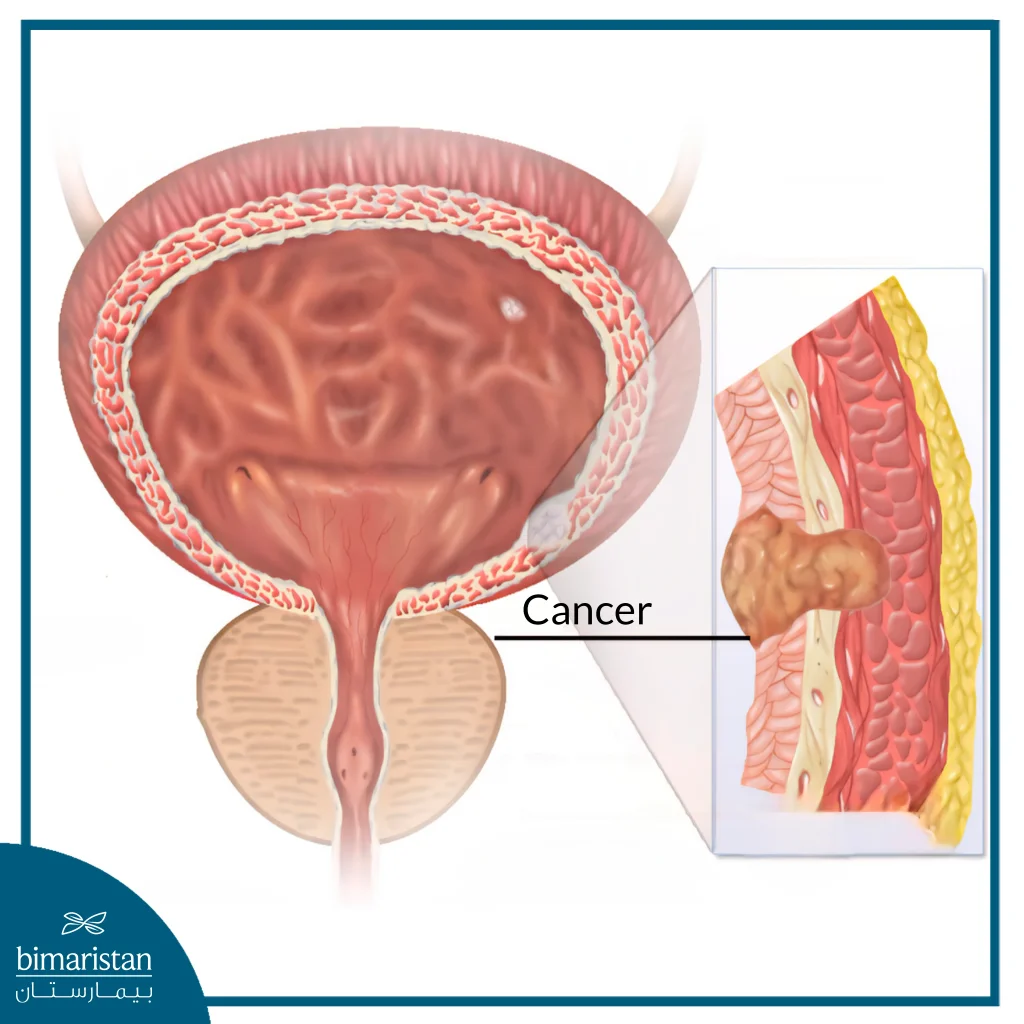
Types of bladder cancer
There are several types of bladder cancer, depending on which cells are affected:
- Transitional cell carcinoma: This type of cancer is also known as uterine bladder cancer. It is the most common type of bladder cancer. It appears in the epithelial cells that line the inside of the bladder. These abnormal epithelial cells spread to deeper layers in the bladder or through the bladder wall to the fatty tissue that surrounds the bladder.
- Squamous cell carcinoma: Occurs in the thin, flat cells that line the bladder (squamous cells) and is caused by prolonged inflammation or irritation of the bladder or prolonged use of a urinary catheter.
- Adenocarcinoma: A very rare type of bladder cancer that occurs in the cells that make up the mucus-secreting glands in the bladder.
- Sarcoma: Known as soft tissue cancer. It occurs in the muscle cells of the bladder.
Causes of bladder cancer
Factors and causes that may increase your risk of bladder cancer include:
- Smoking: The most significant causative factor in bladder cancer because it causes a buildup of harmful chemicals in the urine that damage the lining of the bladder, increasing the likelihood of cancer.
- Exposure to chemicals: Being around certain chemicals, such as arsenic and chemicals used in the manufacture of dyes, rubber, leather, textiles, and paint products, increases the risk of bladder cancer.
- Chronic cystitis: The risk of bladder squamous cell carcinoma may increase with chronic or recurrent urinary tract infections or inflammation (cystitis), such as may occur with long-term use of a urinary catheter.
- Chemotherapy: Some chemotherapy drugs (such as cyclophosphamide) also increase the risk of bladder cancer.
- A personal or family history of cancer: Patients with previous bladder cancer have an increased risk of developing new or recurrent bladder tumors. A family history of bladder cancer can also increase the risk of bladder cancer.
- Diet: Eating meals high in fried meats and animal fats can increase the risk of bladder cancer.
- Gender: Men have a three times higher risk of bladder cancer than women.
- Previous exposure to radiation is the second most common risk factor (for example, as treatment for cervical cancer, prostate cancer, or rectal cancer)
Symptoms of bladder cancer
- Frequent urination
- Pain during urination
- Lumbago
- Blood in the urine (hematuria)
- Difficulty urinating
- Persistent bladder infection
What is an artificial bladder implantation?
An artificial bladder implantation is the process of completely replacing the natural urinary bladder with an artificial bladder made of alu-plastic. These artificial bladders are divided into two main types based on their ability to expand:
| Type of artificial bladder | Characteristics | Technical features |
|---|---|---|
| Intelligent Bladder System (ABS) | Fully planted | -Contains electromagnetic sensors – Equipped with valves that prevent urine reflux – Sends real-time bladder status data to the patient – Contains algorithms to calculate urine volume |
| Mechatronic bladder (AMB) / variable size (expandable) bladder | Flexible reservoir system that expands and contracts Resembles a natural bladder | – Sends alarms when full – Automatically empties urine after receiving a remote signal – Contains additional components such as valves and hydraulic structures – Regulates urine pressure during filling and emptying – Designed to be implanted inside the body after size and weight optimization |
| Fixed-size seconds | Simple solid-walled tank | – Non-stretchable – Urine fills inside and drains away by gravity. |
This is the difference between a natural and an artificial bladder:
The normal bladder is characterized by its ability to expand and contract dynamically, allowing for low-pressure urine storage and precise control of urination through complex neuromuscular mechanisms.
Artificial bladder: It works similarly, but urination is controlled by gravity or by hydraulic valves and structures, with the potential for rejection due to the nature of the artificial material and the surrounding bio-environment.
An artificial bladder implant after cancer is an important option if treatment requires a cystectomy. This option enables the replacement of normal bladder function, aiming to provide an integrated urine storage and drainage system.
Why is artificial bladder implantation after cancer used?
Artificial bladder implantation after cancer is an advanced therapeutic approach commonly considered following radical cystectomy, typically performed to manage advanced bladder cancer. This procedure leads to the complete removal of the native bladder, necessitating its replacement with an artificial device designed to store and expel urine efficiently. Artificial bladder implantation offers a viable alternative for patients in whom intestinal segments cannot be used for reconstruction due to gastrointestinal complications, chronic illnesses, or overall frailty. It is also indicated for individuals with irreversible urinary retention, intractable urinary incontinence, or congenital and neurological disorders impairing bladder function, as the implant is engineered to replicate the natural bladder’s role and restore urinary control.
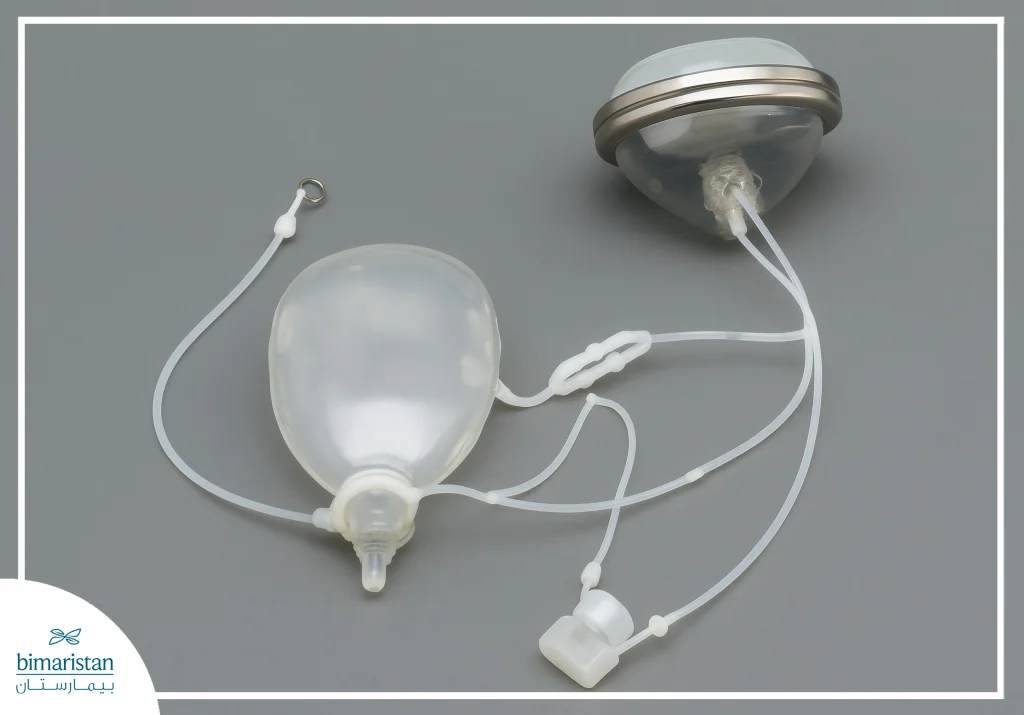
How to get an artificial bladder implantation after cancer
- Pre-planning and evaluation: The patient’s condition is thoroughly evaluated, with a focus on kidney function, ureter condition, and the absence of active infections. The type of artificial bladder (fixed-size or mechatronic) is then selected based on the patient’s clinical condition and needs.
- Preparation for surgery: Sterilize the entire surgical area. Prepare all devices and systems that will be implanted, including the artificial reservoir, valves, and sensors.
- Surgical incision and removal of the normal bladder: The natural bladder is completely removed, and the kidneys and ureters must be monitored and protected during the procedure.
- Installing the artificial bladder: Implanting the artificial reservoir in an appropriate location within the abdominal cavity. Connecting the ureters to the artificial bladder through check valves that prevent urine reflux, and installing the urethral valve that controls the emptying process.
- Test the function inside the body: Make sure all connections are tightly sealed to prevent urine leakage, monitor the pressure and flow inside the device to ensure the valves are working properly, and make sure the sensor and control system are functioning correctly.
- Wound closure and follow-up: Carefully close the incision while ensuring there is no leakage, and connect the wireless data transmission system for patient access to urine volume data and device alerts. Follow up after bladder implantation to monitor for any complications such as infections or voiding issues.
- Training and adaptation: Teaching the patient how to monitor the status of the device and react to alerts, and explaining how to use the remote control to control the emptying process (in the case of smart and mechatronic models).
Benefits of an artificial bladder implantation after cancer
- Restore normal urinary function: Artificial bladder implantation after cancer treatment is crucial in restoring normal urinary function, as it provides a replacement for the surgically removed natural bladder, enabling the patient to store and drain urine in a more natural and effective manner.
- Improving quality of life after cancer treatment: By minimizing dependence on external urinary bag or complex prosthetic surgeries, which reflects positively on the patient’s psychosocial well-being.
Risks and complications of an artificial bladder implantation after cancer
Artificial bladder implantation after cancer has risks, including:
- General Surgical Risks
- Bleeding
- Wound infections
- Risks associated with anesthesia
- Artificial Bladder Risks
- Poor healing at the connection points between the artificial bladder and the ureters or urethra
- Urinary leakage
- Urethral obstruction
Artificial bladder implantation after cancer has various complications, including:
- Infection: This is caused by the introduction of a foreign body into the body during the procedure, leading to infections in the urinary system or around the artificial bladder.
- Hydronephrosis: This is caused by a blockage of the urinary tract due to a valve issue or a narrowing of the connection, which can progress to kidney failure if left untreated.
- Problems controlling urination: Difficulty emptying the bladder completely or leaking urine.
- Calcification and mineral deposition: Caused by the accumulation of ions in urine on the surface of the artificial bladder, which can lead to stone formation or blockage.
- Papilloma formation: This is caused by the use of tubes or artificial materials inside the ureter or urethra, causing frequent blockages.
- Erectile dysfunction: A large percentage of men experience erectile dysfunction after surgery, while women may experience issues with sexual desire or sensitivity.
Recovery period after artificial bladder implantation after cancer
The recovery period after artificial bladder implantation for cancer typically ranges from 6 to 12 months, with full rehabilitation potentially extending into the second year. Throughout this phase, the patient is required to follow several essential procedures to support recovery:
- Wound and suture care: Keep the incision clean, do not shower until after 24-48 hours, and dry the wound thoroughly.
- Catheter and urine management: Urinary catheters remain in place for months and then are gradually removed.
- Light physical activity: Avoid heavy lifting or direct pressure on the surgical area for 6 weeks to 3 months.
- Ongoing laboratory follow-up: To evaluate the performance of the new bladder and prevent complications.
- Regular visits to the doctor: After 2-4 weeks, then every few months, then annually for life.
Other alternatives to artificial bladder Implantation after cancer
There are many alternatives to the artificial bladder, and the following table shows the most important differences between these technologies
| Criterion | Ileal Conduit | Reconstructed bladder (Neobladder) | Alloplastic Bladder |
|---|---|---|---|
| Functionality | Good at draining urine but needs a permanent external bag | It mimics normal urination, but there may be issues with urination | The bladder is similar to a normal bladder in terms of how it stores and drains urine |
| Patient comfort | Less comfortable due to the need to permanently carry an external bag | Higher comfort with better quality of life, as it allows transurethral urination | It aims to provide similar comfort to a natural bladder, but has not been widely used |
| Possible complications | Skin infections, urine leakage, urinary tract infections | Urinary retention, lack of urinary control, urinary tract infections | Calcification issues, infections, and kidney failure |
| Complexity of surgery | Simpler compared to a reconstructed bladder | More complex, requiring high skill | Advanced technologies that require future developments and expertise |
| Convenient for patients | Suitable for all patients, especially the elderly or those with complex conditions | Suitable for younger and relatively healthy patients | Suitable for all patients |
Comparison table between artificial bladder and other alternatives
In conclusion, artificial bladder implantation after cancer marks a significant advancement in managing radical cystectomy cases, offering a modern alternative that maintains urinary function and enhances quality of life. While this technique remains in the developmental phase, ongoing progress holds promise for patients seeking innovative options following bladder cancer therapy.
Sources:
- Pane, S., Mazzocchi, T., Iacovacci, V., Ricotti, L., & Menciassi, A. (2021). Smart implantable artificial bladder: An integrated design for organ replacement. IEEE Transactions on Biomedical Engineering, 68(7), 2088-2097.
- National Cancer Institute. (2023, February 16). What is bladder cancer? National Cancer Institute.