
Septal deviation is a common problem in most people to varying degrees; a patient with severe septal deviation can correct the deviation by performing septal deviation surgery in Turkey.
Overview
What is the septal deviation?
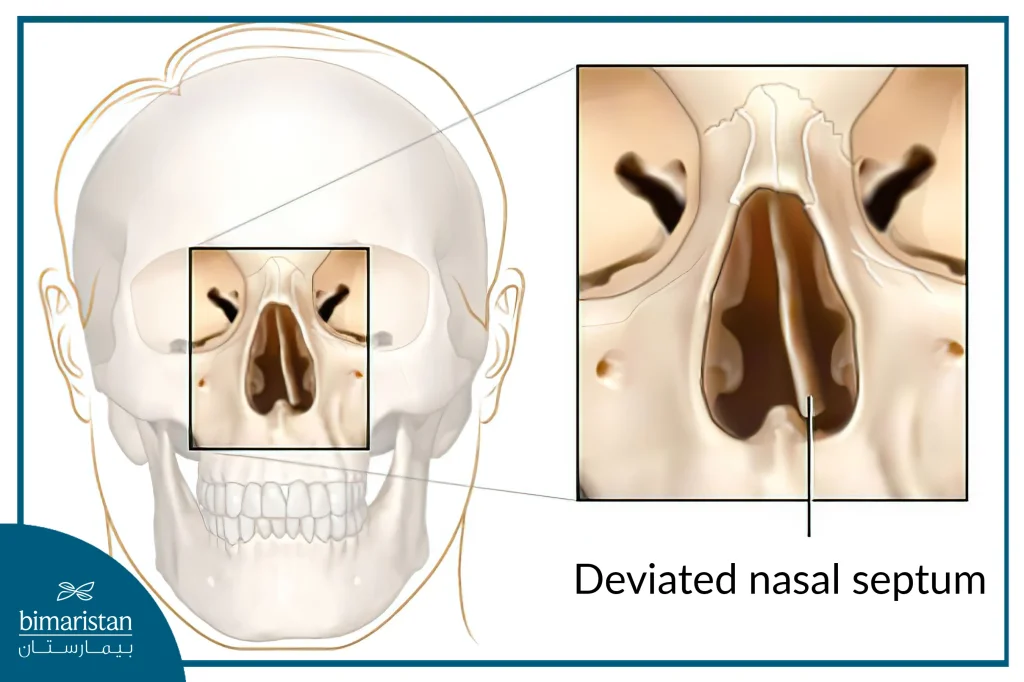
The nasal septum (septum) is a group of bones and cartilage on the midline that divides the nasal cavity into two symmetrical parts in the normal state and is covered by skin rich in blood supply.
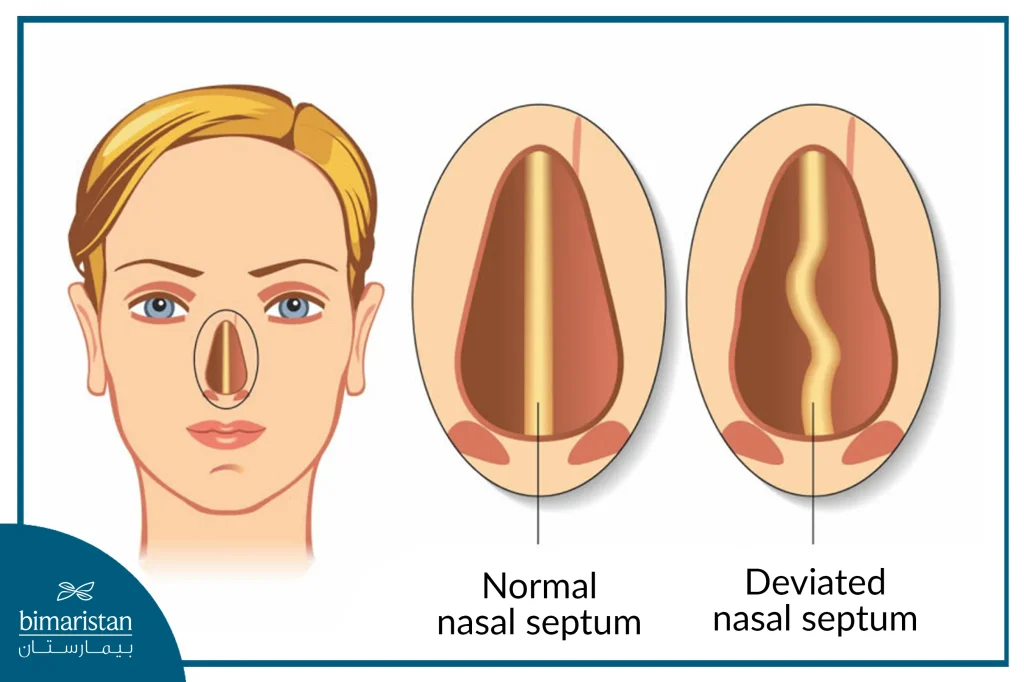
Septal deviation occurs when the nasal septum is curved or displaced from the midline to one side, causing breathing difficulties for the patient.
The prevalence of septal deviation
The deviation of the nasal septum from the midline is very common, as many people suffer from nasal septal deviation and its problems. Studies indicate that only 20% of people have a flat nasal septum located on the midline, while 80% have a nasal septum that is deviated to a certain degree.
Despite the high incidence of septal deviation, most people are unaware of it and do not need treatment. Still, some cases are severe and cause major respiratory problems for the patient, making him need treatment.
Causes of septal deviation
A deviation of the nasal septum may be congenital, meaning that a person is born with this condition, or it may be the result of a direct injury or bruise to the nose; people are usually exposed to these injuries from sports that require physical contact, fighting, car accidents, or when falling from high places.
A deviation of the nose may also result from a defect in the normal growth process of the nasal septum. As the nose grows, the nasal septum also grows, and it may grow to one side instead of growing on the midline, which is the most common cause of septal deviation in most cases.
Septal deviation symptoms
Most people with septal deviation have a slight deviation in the nasal septum without accompanying symptoms.
However, the displacement of the nasal septum to one side makes one nostril large and easy to breathe through and dry at the expense of the other, which becomes narrow and causes congestion and difficulty breathing and frequent attacks of sinusitis and other recurring symptoms such as:
- Blockage of the nostril in which the narrowing occurred or both nostrils
- Epistaxis (nosebleeds)
- Posterior nasal discharge
- Facial pain or headache
- Loud breathing and snoring during sleep
- Sleep apnea syndrome may occur
Septal deviation diagnosis
A deviated nasal septum is diagnosed by clinical history. The patient talked about the complaint that brought him to the clinic, and the doctor asked some questions about sleep, snoring, and breathing problems.
Then the doctor begins a clinical examination of the nasal cavity using a medical endoscope (a long tube with a bright light at the end). He examines the position of the nasal septum, the degree of its deviation, and the effect of the deviation on the size of the nasal opening.
Septoplasty Treatment in Turkey
Most people do not show symptoms and do not need treatment, and in some mild cases, symptoms can improve with medication, such as decongestants, antihistamines, nasal sprays, and antibiotics.
In cases of severe septal deviation and if medications fail to improve symptoms, surgery can be resorted to, and septoplasty can be performed to correct septum deviation.
Septoplasty surgery
Septoplasty surgery, or “septoplasty,” is a surgical procedure performed in outpatient clinics to correct the deviation and straighten the nasal septum and nostrils, improving airflow and breathing.
Many people undergo septoplasty surgery worldwide, and studies have proven its high success rate and efficiency in treating chronic sinusitis due to septum deviation.
Preparations before septoplasty surgery
It is best to choose the appropriate age for the operation and not to perform septoplasty surgery for those under the age of fifteen until the nose has stopped growing.
The patient must stop taking some medications, such as aspirin and ibuprofen, two weeks before the operation and not return to them until two weeks after the operation because these medications increase the risk of bleeding. The patient must also stop smoking because it negatively affects the healing process.
The septoplasty procedure is performed under general or local anesthesia and takes 30 to 90 minutes. The patient can return home on the same day.
How to perform a septoplasty
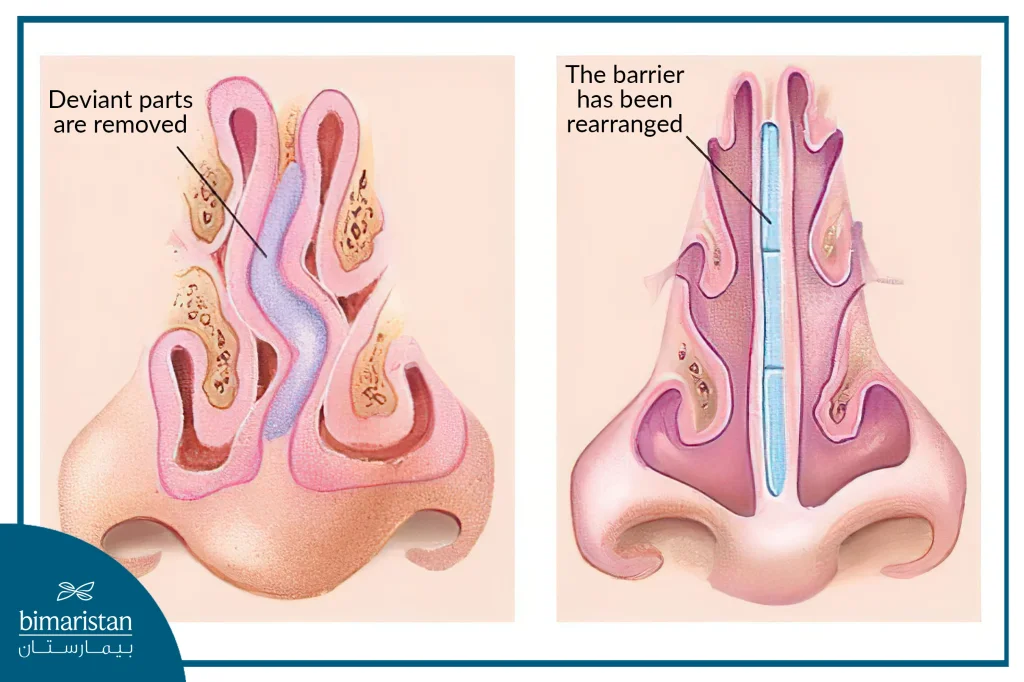
The surgeon cuts the nasal septum and changes the shape of the cartilage and internal bones as required. This straightens the nasal septum and opens the nasal passage for air to pass through.
The doctor may place silicone splints in each nostril to support the nasal septum and hold it in place until it heals in place, then the surgical incision is closed with surgical stitches.
Sometimes, a septoplasty can be combined with a rhinoplasty to change the shape of the patient’s nose and give it the appearance he wants.
Newer procedures are available that use balloon septoplasty techniques to avoid actual surgery, and in less severe cases, this procedure can be performed in the doctor’s office.
Risks of Septoplasty
No surgery is risk-free, and the doctor must balance the risk of symptoms caused by septoplasty with the risk of surgery.
Septoplasty is common and safe, and its side effects are rare. Complications of septoplasty include:
- Change in the shape of the nose
- Infection
- Severe bleeding
- Nasal septum perforation
- Weak sense of smell
- Hematoma on the nasal septum
The most important advice after septoplasty
After septoplasty, the patient will feel mild to moderate pain in his nose, which will appear swollen and bruised for several weeks. Breathing through the nose will be uncomfortable or impossible during this period.
The doctor will prescribe some medications to help the patient avoid infection and relieve the patient’s pain after the operation. It is necessary to take all the medications prescribed by the doctor.
The patient should also avoid disturbing his nose during healing; the nasal septum becomes fixed in place after about three to six months; during this period, the patient should avoid any trauma to the nose as much as possible.
The patient can help recovery after the operation by following the following steps:
- Avoid blowing his nose hard (blowing is blowing air out of the nose)
- Use pillows to raise the head while sleeping
- Avoid strenuous exercises that increase the heart rate and raise blood pressure
- Wear clothes that button in the front instead of the patient turning his head
Bimaristan Medical Center is your first choice for treatment in Turkey.
We guide you to the best expert specialists in all departments.
We facilitate the language of communication between you and everyone through specialized Arab doctors who will help you communicate with your doctor.
We help you secure appropriate treatment and high-quality service in Turkey’s most modern hospitals and medical centers.
We provide our services extensively and accurately.
We accompany you step by step towards recovery.
Free consultations around the clock.
Do not hesitate to contact us; Bimaristan Center is your family in Turkey.
Sources:
- Mount Sinai
- American Society Of Plastic Surgeons