
Chronic cystitis in women negatively affects daily activities, necessitating precise diagnosis and treatment to alleviate symptoms and improve quality of life.
Chronic cystitis is a long-term inflammation often caused by urinary tract bacteria. It is more common in women and challenging to treat, but its symptoms can be significantly managed.
Causes of Chronic Cystitis in Women
Chronic cystitis in women is common due to the short and wide urethra, which opens into an area that is constantly exposed to potential contaminants. Here are the primary causes:
- Recurrent urinary tract infections (often bacterial)
- Hormonal changes, such as decreased estrogen levels after menopause
- Immune system disorders, such as diabetes
- Bladder dysfunction, such as overactive bladder and neurogenic bladder
- Radiation therapy to the pelvic area
- Chemical irritants, such as dyes, cleaning products, and certain medications like Cyclophosphamide
Symptoms of Chronic Cystitis in Women
Symptoms of chronic cystitis in women can vary widely from one patient to another and from time to time, depending on the underlying cause. Common symptoms include:
- Pain and pressure in the bladder and pelvic area
- Burning pain during urination and intercourse
- Frequent and urgent need to urinate
- Slight fever
- Hematuria (red blood cells in the urine) or cloudy urine (presence of bacteria or white blood cells)
Diagnosis of Chronic Cystitis in Women
Chronic cystitis in women cannot be confirmed through a single test. Instead, it involves a combination of procedures to rule out bladder cancer and other urinary tract infections:
- Medical history: Assessing the patient’s medical history and symptoms, such as pain and urination patterns
- Physical examination: Including a pelvic exam to detect any masses or pinpoint the location of pain
- Urinalysis: Collecting a midstream urine sample after cleaning the genital area, checking for white or red blood cells, and bacteria
- Visual examination: Inspecting the urine’s color and clarity, as cloudy urine may indicate infection
- Chemical analysis: Measuring urine pH (an alkaline pH above 7.5 may indicate urea-splitting bacteria) and testing for blood cells, sugar, and protein in the urine
- Microscopic examination: Detecting abnormal cells, bacteria, or parasites under a microscope
- Ultrasound: Determining the bladder’s shape, size, and any changes
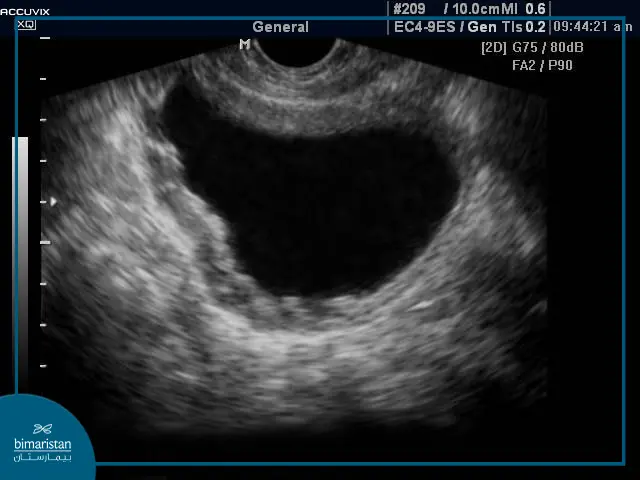
- Cystoscopy: Using a flexible or rigid scope to examine the bladder wall
- Voiding cystourethrogram: Imaging the bladder and urethra during urination to detect structural abnormalities
Treatment of Chronic Cystitis in Women in Turkey
Due to the absence of a known and definitive cure, treating chronic cystitis in women depends on the case’s characteristics, severity, and accompanying symptoms. Treatment may involve several steps:
Medications for Chronic Cystitis in Women
Drug treatment includes various medications, some of which are safe over-the-counter, while others require a prescription due to potential risks if misused. Key medications include:
- Pain relievers like paracetamol and ibuprofen
- Antidepressants such as amitriptyline and gabapentin if pain persists
- Tolterodine and mirabegron to reduce urinary urgency
- Pentosan polysulfate sodium for pain resistant to other treatments

In some cases, substances may be injected or instilled directly into the bladder via a catheter, such as:
- Local anesthetics like lidocaine to relieve pain
- Steroids to reduce swelling and inflammation
- Antibiotics for bacterial infections
- Hyaluronic acid to help repair the bladder lining
Additional Procedures in the treatment of chronic cystitis in women
While medications often improve symptoms, other methods may be needed to alleviate symptoms and improve quality of life, including:
- Physical therapy: Strengthening pelvic muscles, improving bladder control, and reducing pain
- Transcutaneous electrical nerve stimulation (TENS): Using a small device on the skin to send electrical signals to control pain
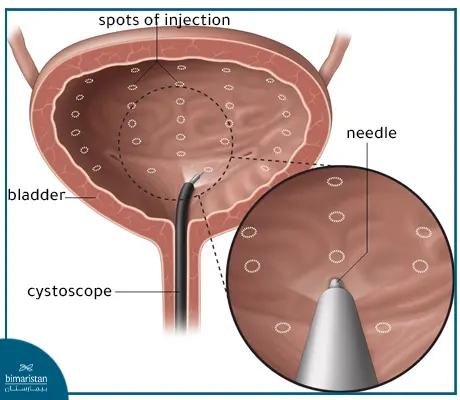
- Botulinum toxin (Botox) injections into the bladder wall to reduce urgency and significantly decrease pain
- Bladder removal: In rare cases, when no other treatments are effective
Prevention of Chronic Cystitis in Women
Adopting preventive measures and lifestyle changes can maintain bladder health and reduce the risk of chronic cystitis, including:
- Drinking adequate water
- Avoiding excessive caffeine, alcohol, and smoking
- Not delaying urination
- Avoiding constipation
- Maintaining pelvic hygiene to prevent infections
- Regular exercise
Complications of Chronic Cystitis in Women
Chronic cystitis in women can lead to various complications affecting quality of life and patient behavior, including:
- Inability to perform daily functions due to pain and frequent urination
- Sexual dysfunction due to pain
- Sleep disorders, anxiety, and depression
- Issues with self-esteem and social embarrassment
- Strained personal relationships
In conclusion, chronic cystitis in women is a challenging and painful condition; advanced knowledge, innovative technology, and collaboration between patients and doctors can improve the quality of life for affected women. Through awareness and appropriate preventive measures, we can help reduce the prevalence of this chronic disease and alleviate the suffering of women worldwide.
Sources: