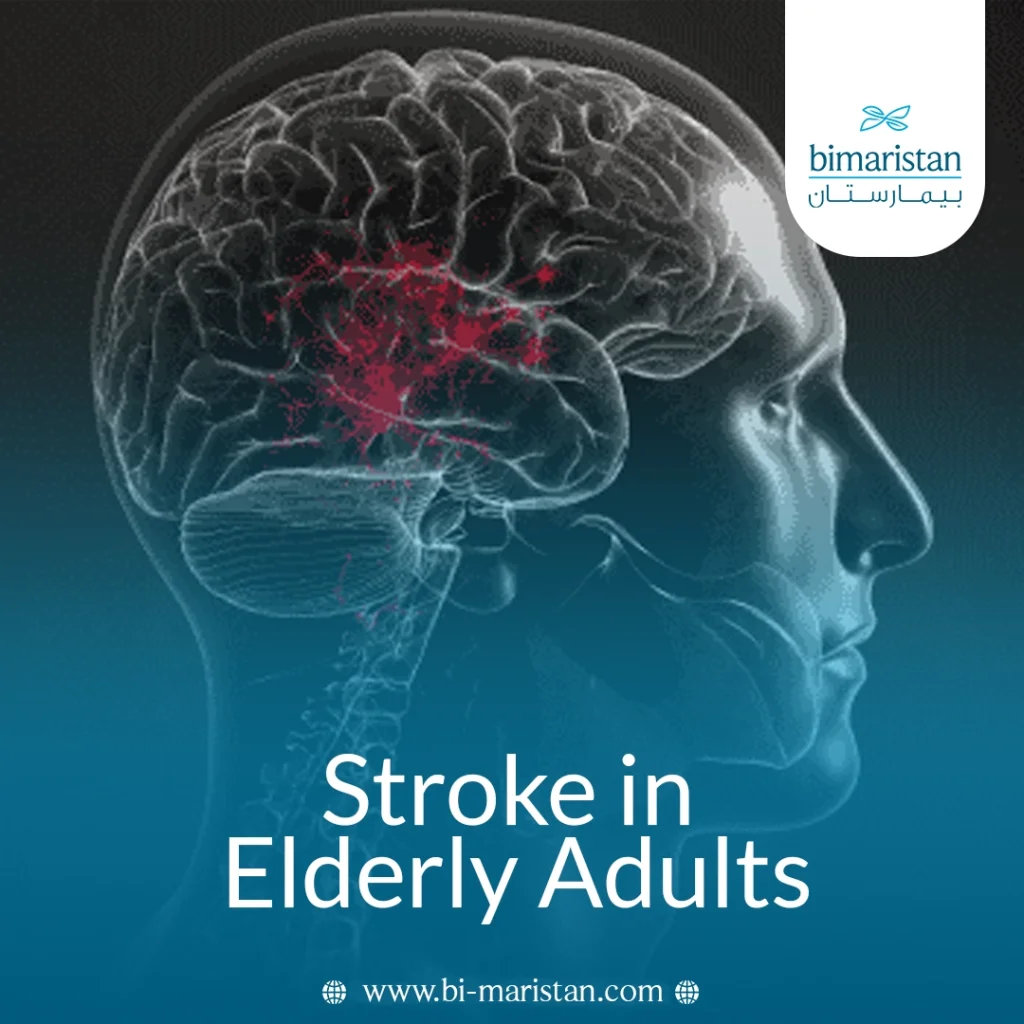
Stroke in elderly adults poses a major health challenge, ranking as the second leading cause of death worldwide among people over the age of 60; statistics indicate that approximately 25% of patients suffer from permanent disabilities following a stroke. The risk increases with chronic conditions such as diabetes and high blood pressure, making early detection and prevention critically important.
What is a stroke in elderly adults?
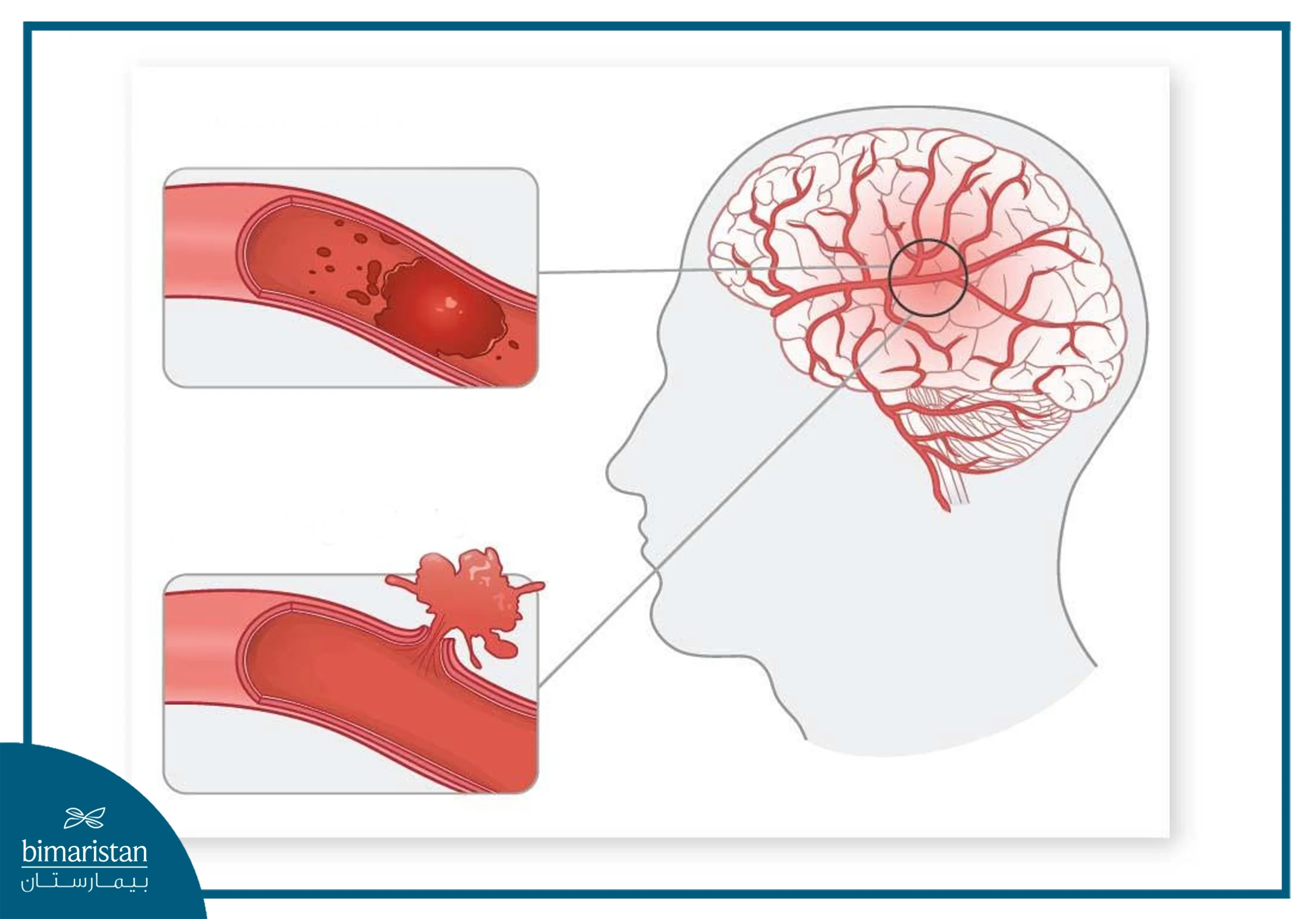
Under normal circumstances and in healthy individuals, the arteries supply the brain with sufficient oxygen-rich blood so that nerve cells can function properly and a person can live independently without problems. When there is a shortage of oxygen supply to the brain, nerve cells begin to suffer and may survive for a short period without oxygen (a few minutes) before dying. Once nerve cells are damaged, it is impossible to restore them to life or replace them. A stroke occurs when a blood clot blocks a blood vessel supplying the brain, cutting off blood flow to brain cells and causing them to die. If the blockage persists for a long time, the patient may die.
Causes of Stroke in Elderly Adults
The main cause of stroke in elderly adults is the formation of a blood clot that blocks an artery supplying the brain. The causes of this clot vary; cerebrovascular diseases are the most significant, along with several other factors.
Atherosclerosis
As with heart attacks, atherosclerosis is one of the leading causes of stroke in elderly adults. This condition causes fatty plaques to build up on the walls of blood vessels, leading to narrowing or complete blockage of the artery, which results in stroke symptoms.
The cause of this disease is not yet fully understood, but a number of risk factors have been identified, including smoking, obesity, a sedentary lifestyle, high blood lipid levels, excessive alcohol consumption, and diabetes.
High blood pressure
High blood pressure is a common condition that increases the risk of sudden stroke in elderly adults, especially when it is not well controlled with the necessary medications. Therefore, treatment for high blood pressure should not be neglected, as it can lead to various complications, including stroke.
Atrial fibrillation
Atrial fibrillation is a common heart rhythm disorder among elderly adults, in which the heart muscle beats out of sync between its two chambers (the ventricles and the atria), leading to blood clot formation in the heart. These clots can travel to the brain via the bloodstream, causing a sudden stroke.
Unhealthy lifestyle
Weight gain and smoking, combined with an unhealthy diet high in fat, may increase the risk of stroke in elderly adults, who are more susceptible to stroke than younger people.
Symptoms of a stroke in elderly adults
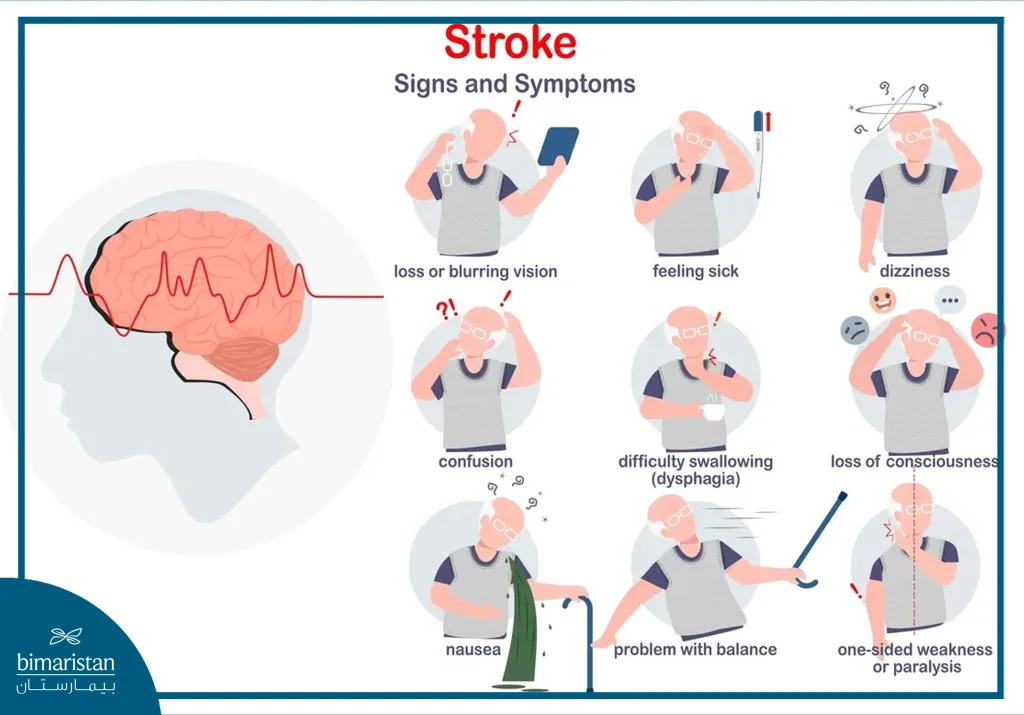
When a person suffers a stroke, they usually experience one of the following symptoms:
- A sudden feeling of numbness and muscle weakness in the face, arm, or leg (usually on one side of the body)
- Confusion and difficulty speaking or understanding spoken language
- Vision problems in one or both eyes (blurred vision, impaired vision, and possibly blindness)
- A severe headache that came on suddenly for no apparent reason
- Difficulty walking and maintaining balance
- Nausea and vomiting
A patient with a stroke may experience one or more of these symptoms, which are characterized by their sudden onset without warning. It is helpful to remember when the stroke symptoms first appeared, as this may assist in determining an appropriate treatment plan at the hospital.
Diagnosis of a Stroke
As soon as the patient arrives at the hospital, emergency physicians assess the patient’s condition, vital signs, and symptoms, and then begin tests as quickly as possible. The tests include head imaging, neurological and physical examinations, and others.
Axial CT scan of the head
This test helps determine the type of stroke the patient is experiencing, as cerebral hemorrhage appears on an axial CT scan as a white density. If no hemorrhage is visible, the patient is likely suffering from an ischemic stroke (ischemia). In elderly adults, ischemic stroke is considered less serious than hemorrhage, as cerebral hemorrhage is more difficult to treat than ischemic stroke.
Neurological and Physical Examination
Routine tests performed on stroke patients include listening to the heartbeat and measuring blood pressure, as well as a neurological examination that assesses cognitive function in elderly adults, limb mobility, the five senses, and memory.
Brain MRI
Magnetic resonance imaging (MRI) is effective in detecting both hemorrhagic and ischemic strokes in elderly adults. This technology uses a magnetic field and radio waves to produce clear images of brain tissue and identify abnormal changes in the brain.
How to Treat a Stroke in Adults
When a patient with stroke symptoms arrives at the hospital, the medical team first uses brain imaging to determine whether the stroke is caused by bleeding in the brain or by a blood clot. If doctors confirm the presence of a blood clot in the brain, they immediately treat it with various methods, such as administering clot-dissolving medications intravenously or, in some cases, taking the patient to the operating room.
Intravenous injection of a clot-dissolving medication
This treatment method is effective only if administered within approximately the first 5 hours of symptom onset; the earlier treatment begins, the more effective it is in treating a stroke. In this method, the doctor administers a medication that dissolves the blood clot, restoring normal blood flow to the brain. This medication, alteplase, is administered via intravenous injection. It is considered the gold standard for treating strokes when diagnosed quickly in elderly adults, as rapidly dissolving the clot can prevent damage to brain tissue that causes moderate to severe complications and disabilities in elderly adults.
Rehabilitation for Stroke Patients
Stroke is a major cause of disability among elderly adults, whether it involves motor impairments (paralysis) or neurological impairments (speech difficulties, memory loss). Therefore, special attention must be given to post-stroke rehabilitation in elderly adults. This rehabilitation process may take months or even years, so the patient and their caregivers must be patient and provide emotional support during this phase.
Preventing a stroke before it happens
It is sometimes difficult to treat a stroke and prevent its complications when elderly adults are affected; therefore, prevention is more important than treatment and can be achieved through the following:
- Controlling High Blood Pressure
- A healthy diet low in fat and salt
- Taking Care of Your Heart
- Avoid smoking and alcohol
- Exercise regularly and maintain a healthy weight
- Monitoring blood cholesterol levels regularly
In conclusion, stroke in elderly adults is a serious condition that requires special attention, as it can change a patient’s life forever. Each of us must be aware of the symptoms of a stroke so that we can detect it as quickly as possible. The earlier the stroke treatment begins, the greater the chances of the patient surviving serious stroke complications. Strokes can occur for various reasons, and by avoiding these causes, we can prevent strokes as much as possible.
Sources: