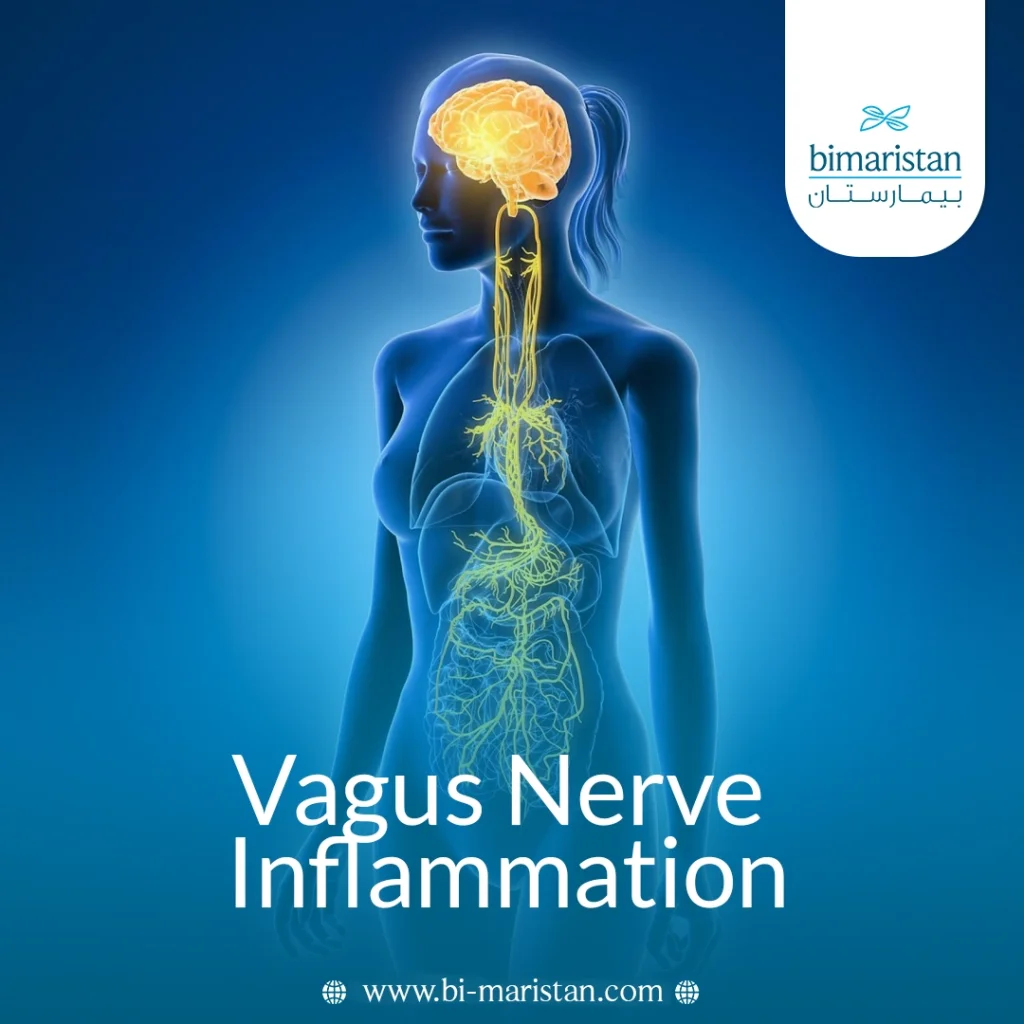
Vagus nerve inflammation is considered a relatively rare neurological disorder; however, its impact can be far-reaching given the vagus nerve’s role in regulating cardiac, gastrointestinal, and respiratory functions. Statistics show that vagus nerve disorders contribute to a significant percentage of vasovagal syncope cases, representing about 20–30% of non-cardiac syncope causes. Dysfunction of this nerve is also associated with cardiac arrhythmias and gastrointestinal problems in a subset of patients. Therefore, vagus nerve inflammation stands out as a condition that requires careful evaluation to determine the cause and develop an appropriate treatment plan.
What is vagus nerve inflammation?
Vagus nerve inflammation is a condition in which irritation or inflammatory damage occurs to the vagus nerve, one of the most important cranial nerves, which is responsible for transmitting signals between the brain and several vital organs such as the heart, lungs, and digestive system. This nerve plays a key role in regulating involuntary functions such as heartbeat, blood pressure, stomach movement, and breathing. Therefore, any inflammation affecting it may lead to a clear disruption in these functions.
Vagus nerve inflammation can cause a variety of symptoms, including fainting, bradycardia, digestive disorders, or difficulty swallowing, depending on the severity of the inflammation and the location of the affected nerve fibers. The inflammation differs from simple dysfunction, as it is associated with a true inflammatory process that requires a thorough medical evaluation to determine the cause and develop an appropriate treatment plan.
Causes of vagus nerve inflammation
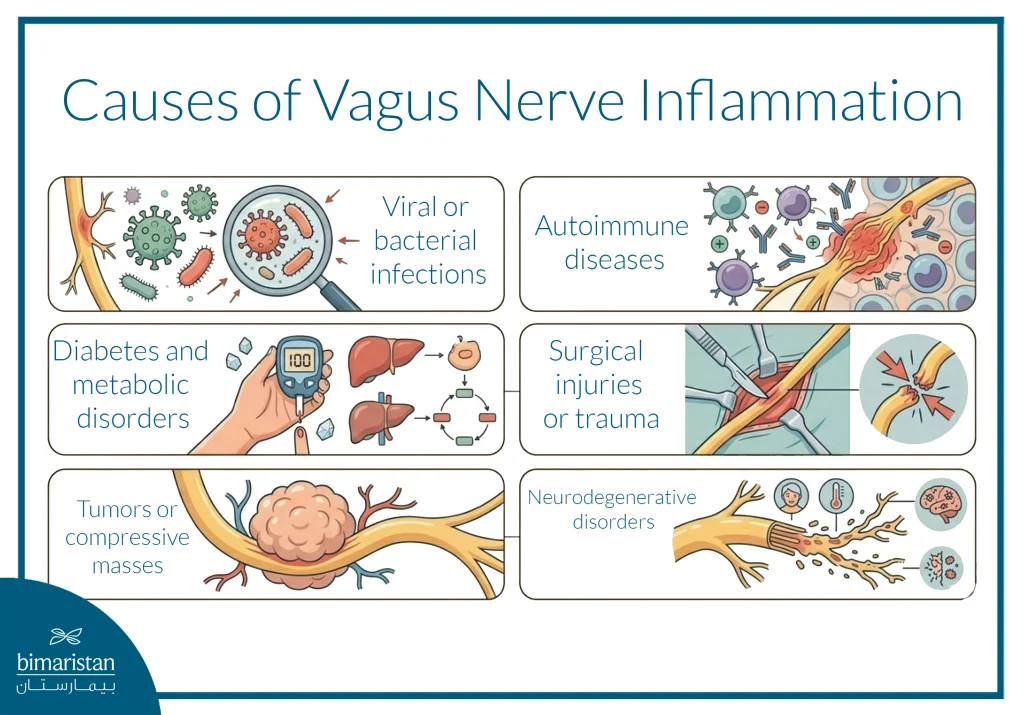
Vagus nerve inflammation has multiple causes due to its considerable length and its impact on several body systems; inflammation may result from infectious, immune, metabolic, or traumatic factors. Accurately identifying the cause is an essential step in selecting the appropriate treatment and reducing the risk of complications. The most common causes include the following:
- Viral or bacterial infections: Certain viruses or bacteria may directly cause inflammation of nerve fibers, particularly following respiratory or gastrointestinal infections, resulting in temporary or permanent disruption of nerve function.
- Autoimmune diseases: In some cases, the immune system mistakenly attacks nerve tissue, leading to inflammation of the cranial nerves, including the vagus nerve, as occurs in certain immune-mediated neuropathies.
- Diabetes and metabolic disorders: Chronic hyperglycemia causes gradual damage to the peripheral and autonomic nerves; the vagus nerve may be affected as part of what is known as diabetic neuropathy.
- Surgical injuries or trauma: The vagus nerve may be stretched, compressed, or partially cut during neck or thoracic surgeries, leading to secondary inflammation or obvious dysfunction.
- Tumors or compressive masses: Tumors in the neck, chest, or base of the skull may compress the nerve pathway, causing inflammation or nerve irritation as a result of continuous compression.
- Neurodegenerative disorders: In some chronic neurological diseases, there may be a gradual decline in vagus nerve function as a result of degenerative changes affecting the nerve fibers.
Symptoms of vagus nerve inflammation
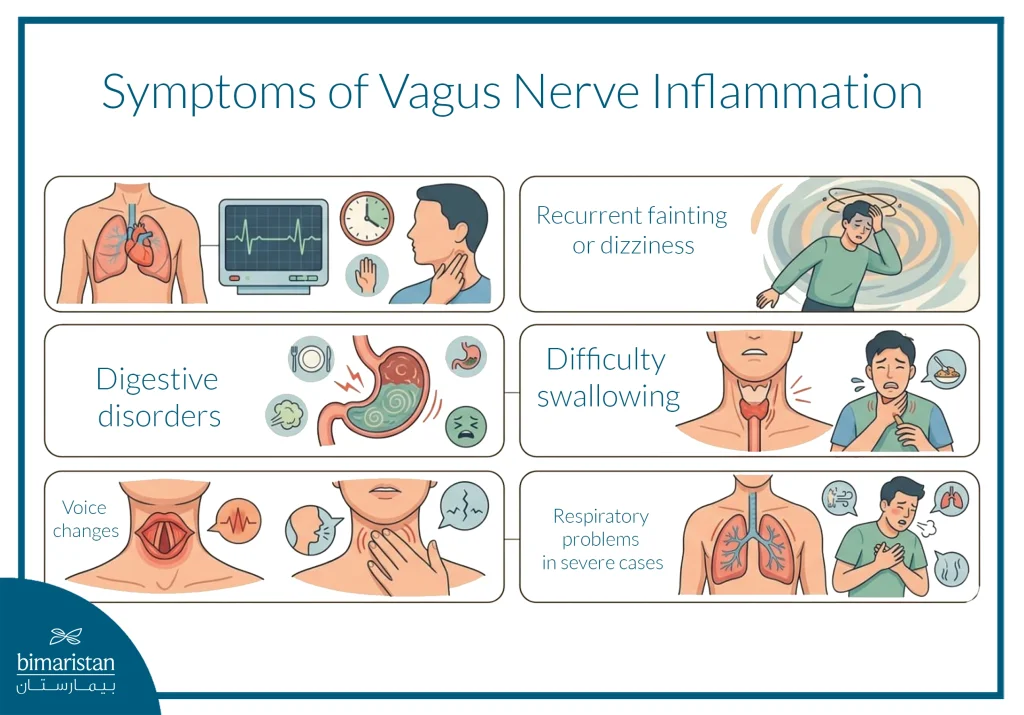
The symptoms of vagus nerve inflammation can vary based on the severity of the inflammation and the specific areas impacted by the affected nerve fibers. Given the vagus nerve’s role in regulating functions such as heart rate, digestion, respiration, and voice, symptoms may affect multiple systems in the body. These symptoms can develop either gradually or suddenly. The most common symptoms include:
- Slow heart rate (Bradycardia): Resulting from increased parasympathetic activity or a disturbance in the nerve signals that regulate heart rhythm.
- Fainting or recurrent dizziness: caused by a sudden drop in blood pressure or neurovascular dysfunction.
- Digestive disturbances: such as nausea, bloating, delayed gastric emptying, or a feeling of early fullness resulting from impaired gastric and intestinal motility.
- Difficulty swallowing (dysphagia): caused by impaired neural coordination of the muscles responsible for swallowing.
- Hoarseness or a change in voice pitch: This is because the vagus nerve supplies the vocal cords via the recurrent laryngeal nerve.
- Respiratory disturbances in severe cases: These are particularly common if the nerve signals regulating the airway are affected.
Not all symptoms may appear in the same patient, and they may overlap with other neurological or cardiac conditions, which necessitates a thorough clinical assessment to reach the correct diagnosis.
How is vagus nerve inflammation diagnosed?
The diagnosis of vagus nerve inflammation relies on a thorough clinical evaluation supported by functional and imaging tests, as there is no single specific test that can directly confirm the condition. The goal of diagnosis is to demonstrate impaired nerve function, identify the underlying cause, and rule out other cardiac or neurological disorders. The diagnostic steps include the following:
- Taking a detailed medical history: The focus is on the nature of symptoms such as fainting, bradycardia, digestive disturbances, or hoarseness, including when they first appeared and what triggers them.
- Neurological and cardiac clinical examination: to assess vital signs, heart rhythm, swallowing and voice functions, and to explore any indications of autonomic neurological dysfunction.
- Electrocardiogram (ECG): To detect bradycardia or arrhythmias associated with the vagus nerve’s effect on the sinoatrial node.
- Autonomic nervous system tests: such as the Tilt Table Test to assess the neurovascular response in cases of fainting.
- Magnetic Resonance Imaging (MRI): To rule out the presence of tumors or lesions compressing the nerve pathway in the brain, neck, or chest.
- Blood tests: To check for infections, immune disorders, or diabetes as possible causes.
Differential diagnosis is an essential step, as primary cardiac causes or central nervous system disorders must be ruled out before confirming that the symptoms are due to vagus nerve inflammation.
Treatment of vagus nerve inflammation
Treatment for vagus nerve inflammation varies depending on the underlying cause, the severity of the symptoms, and how much vital functions are affected. There is no standardized treatment protocol applicable to all cases; instead, the treatment plan is tailored based on clinical evaluations and diagnostic findings. The focus is on addressing the underlying cause and minimizing complications.
Drug therapy for vagus nerve inflammation
Drug therapy is used when inflammation is caused by an infection, an immune disorder, or a dysfunction in the heart’s rhythm. The plan may include anti-inflammatories or immunosuppressants in immune conditions, antibiotics when an infection is confirmed, heart rhythm regulators in case of symptomatic bradycardia, and drugs to improve gastric motility in case of marked slow gastric emptying.
Addressing the root cause
Controlling the underlying cause is a crucial step in treating vagus nerve inflammation. In cases of diabetes, controlling blood sugar levels helps limit the progression of neuropathy. If the cause is a tumor or a compressive mass, surgical intervention may be required to relieve pressure on the nerve. In cases of surgical injury, management depends on follow-up and neurological rehabilitation, depending on the severity of the damage.
Supportive therapy and lifestyle modifications
Behavioral modifications can help alleviate symptoms, especially in cases of vasovagal syncope. It may be advisable to increase fluid intake, avoid standing up suddenly, and eat small, frequent meals to reduce stomach upset. Neurological rehabilitation sessions may also be used to improve autonomic control in some chronic cases.
Advanced interventions
In severe cases involving dangerous bradycardia or recurrent syncope that does not respond to medication, a pacemaker implant may be recommended. This decision is made following a thorough specialist evaluation to ensure that the symptoms are indeed caused by a vagus nerve dysfunction and not by an underlying cardiac condition.
Complications of vagus nerve inflammation
Vagus nerve inflammation can lead to multiple complications if diagnosis is neglected or treatment is delayed, given its pivotal role in regulating the autonomic functions of the heart, digestive system, and respiratory system. The severity of complications varies depending on the degree and duration of the inflammation, as well as its underlying cause. The most notable complications include the following:
- Cardiac arrhythmias: such as severe bradycardia, which may lead to recurrent dizziness or loss of consciousness and, in advanced cases, may require specialized medical intervention.
- Recurrent fainting: a result of autonomic nervous system dysfunction, which increases the risk of falls and traumatic injuries.
- Chronic delayed gastric emptying (gastric stasis): This causes persistent nausea, vomiting, loss of appetite, and malnutrition in long-term cases.
- Difficulty swallowing and feeding problems: due to poor coordination of the swallowing muscles, which may lead to weight loss or the risk of food entering the airway.
- Rare respiratory disorders: In severe cases where the neural control of the airway is affected.
- Secondary psychological effects: Chronic symptoms such as fainting or persistent digestive problems may lead to anxiety or a decline in quality of life.
The risk of complications increases in the presence of concomitant chronic conditions such as diabetes or heart disease; therefore, early intervention and regular follow-up are essential for limiting the progression of the condition.
| Aspect | Vagus nerve inflammation | Vagus nerve dysfunction | Diabetic neuropathy |
|---|---|---|---|
| Nature of the problem | An inflammatory process directly affecting the nerve | A regulatory disturbance without true inflammation | Progressive nerve damage due to high blood sugar |
| Main cause | Infection, autoimmune disease, injury, or tumor pressure | Imbalance of the autonomic nervous system | Chronic diabetes |
| Symptom onset | Often acute or subacute | May be sudden and temporary | Gradual and chronic |
| Scope of impact | May be localized to the vagus nerve | Temporary functional effect on its activity | Involves multiple autonomic and peripheral nerves |
| Diagnostic findings | May not show signs of inflammation or a clear cause | Often structurally normal on tests | Evidence of neuropathy with a history of diabetes |
| Treatment | Addressing the cause + anti‑inflammatory medications when needed | Lifestyle modification + medications regulating blood pressure or heart rate | Blood sugar control + nerve‑supportive therapy |
| Prognosis | Improves with treatment of the underlying cause | Generally benign and manageable | Depends on glycemic control |
Vagus nerve inflammation is a complex condition that requires a comprehensive understanding of the nerve’s functions and its effects on various systems within the body. Treatment depends on identifying the underlying cause and the severity of symptoms, focusing on medication or interventional procedures as necessary. Early diagnosis is crucial, as it can reduce complications and significantly improve quality of life. Bimaristan Medical Center is dedicated to providing thorough neurological evaluations and modern treatment options, supervised by a team of elite specialists to ensure optimal treatment outcomes.
Sources: