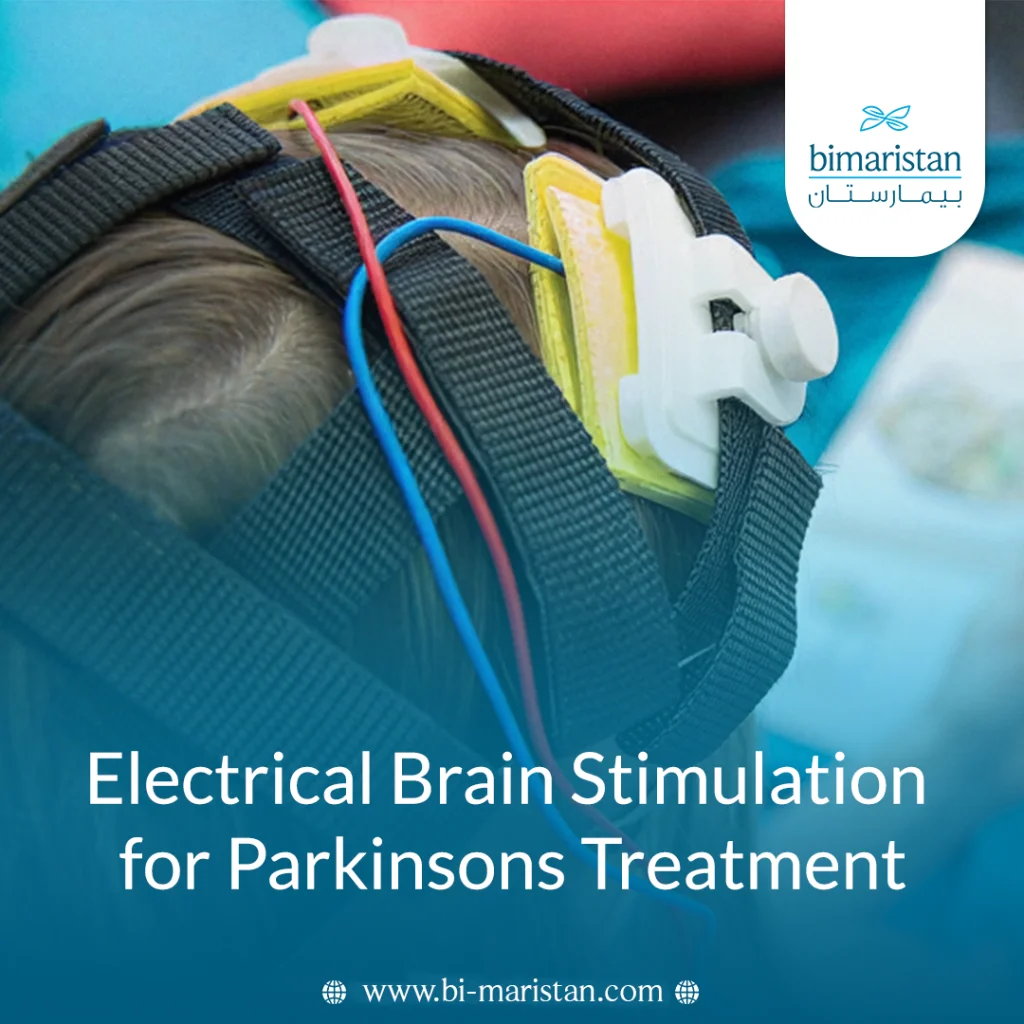
Parkinson’s disease is one of the most common neurodegenerative disorders, affecting more than 10 million people worldwide and leading to progressive motor impairments that impact quality of life. In this context, electrical brain stimulation for Parkinson’s disease has emerged as an advanced treatment option for patients who do not respond adequately to conventional medications. This technique involves delivering electrical impulses to specific areas of the brain to regulate abnormal neural activity. Studies have shown that this technique can improve motor symptoms by up to 50–60% in suitable patients, and it also helps reduce medication doses and improve the ability to perform daily activities for extended periods.
What is electrical brain stimulation for Parkinson’s disease?
Electrical brain stimulation is a neuromodulation technique that involves sending controlled electrical currents to specific areas of the brain to modulate abnormal neural activity associated with Parkinson’s disease. This technique influences neural networks, particularly within the circuits responsible for movement control, thereby helping to restore the functional balance of these signals. Studies have shown that disturbances in neural oscillations—such as an increase in theta waves and a decrease in beta waves—play a pivotal role in the onset of motor symptoms in patients.
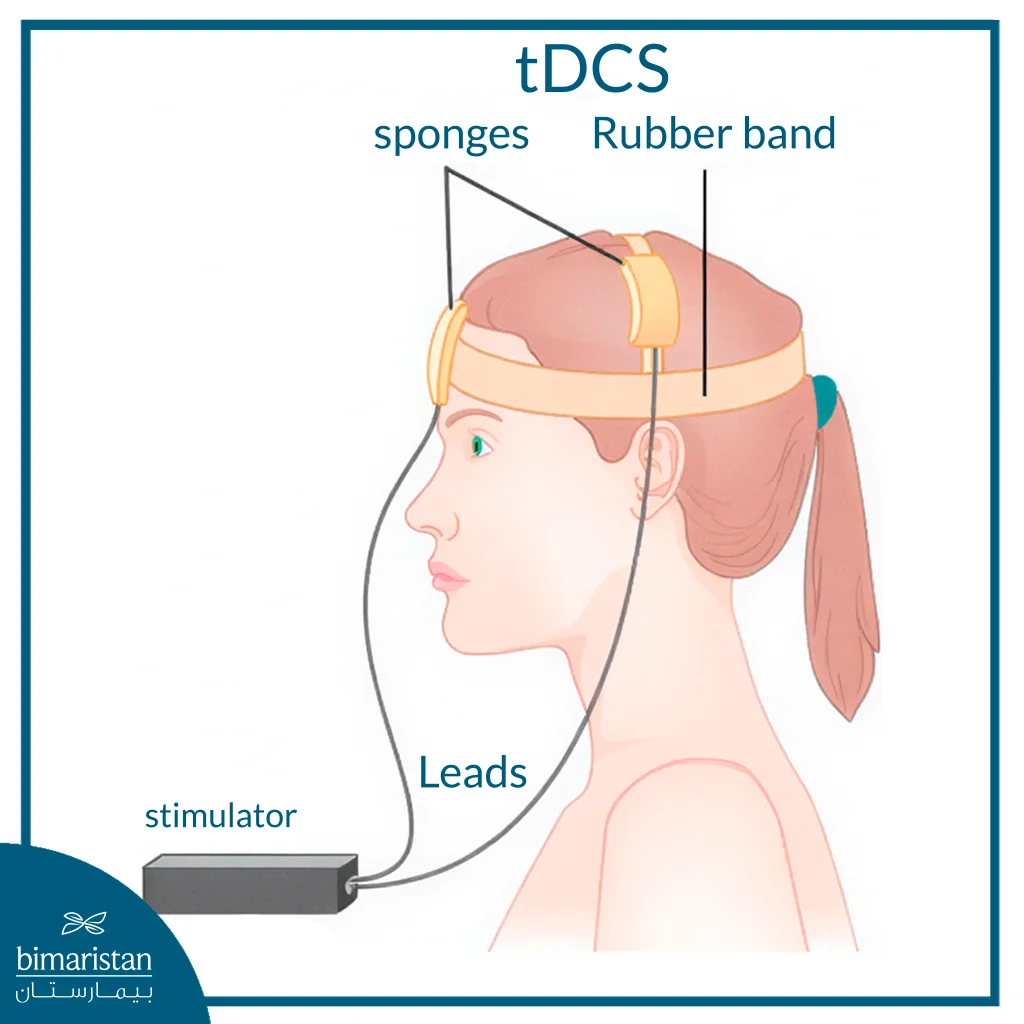
Electrical brain stimulation methods include several non-surgical techniques, such as transcranial direct current stimulation (tDCS) and transcranial alternating current stimulation (tACS), in which a weak electrical current is applied via electrodes placed on the scalp, These currents also modify the excitability of neurons; a positive current can increase neural activity, while a negative current contributes to its inhibition, thereby supporting improvements in patients’ motor and cognitive functions.
How Does Electrical Brain Stimulation for Parkinson’s Disease Work?
Electrical brain stimulation helps improve the motor symptoms of Parkinson’s disease by modulating abnormal electrical activity in the brain, particularly within networks associated with movement, such as the basal ganglia and the motor cortex. This neurological imbalance disrupts the balance between inhibitory and excitatory signals, which manifests as tremors, slowness of movement, and muscle rigidity. Electrotherapeutic techniques for Parkinson’s disease work to reorganize these signals and improve the efficiency of neural communication, leading to a noticeable improvement in motor function. To illustrate the benefits more precisely, the effect of this technique on the main symptoms can be summarized as follows:
- Reducing Tremors: Electrical stimulation helps reduce the abnormal theta wave activity associated with tremors, leading to a significant reduction in their severity.
- Improvement of Bradykinesia: It increases beta wave activity in the brain, which is associated with improved movement speed and motor response.
- Reducing Muscle Stiffness (Rigidity): It helps restore balance within neural circuits, thereby reducing stiffness and improving muscle flexibility.
- Improved Balance and Gait: Studies have shown that electrical stimulation can improve gait and balance and reduce the risk of falls in patients.
- Reduced reliance on medication: As symptoms improve, the need for high doses of medication may decrease, thereby reducing their side effects.
In general, this approach represents one of the most important forms of electrical therapy for Parkinson’s disease, as it targets the functional cause of the symptoms—rather than merely alleviating them—making it a promising option among modern treatment strategies.
Who are the appropriate patients for this treatment?
Selecting the right patients is a crucial step for the success of electrical brain stimulation, as this procedure is not suitable for all people with Parkinson’s disease. The decision depends primarily on symptom severity, medication response, and a comprehensive neurological evaluation that determines how much the patient would benefit from this type of intervention. Studies have shown that electrical stimulation techniques are often used as an adjunctive option when medications become insufficient to control symptoms. Based on clinical criteria, the following groups are considered to benefit most from electrical brain stimulation for Parkinson’s disease:
- Patients who do not respond adequately to medication: particularly at stages when the effectiveness of the medication becomes limited or inconsistent.
- The presence of clear fluctuations in symptoms: such as alternating periods of improvement and sudden worsening of symptoms throughout the day.
- Side effects of medications: such as involuntary movements (dyskinesia) resulting from long-term use.
- Absence of advanced mental or psychological disorders: because certain conditions, such as dementia, may affect treatment outcomes.
- Good overall health: which allows the patient to tolerate the procedure and undergo ongoing follow-up afterward.
Ultimately, a patient’s eligibility is determined on a case-by-case basis by a specialized medical team; the goal of this assessment is to strike the best balance between the expected benefits and the potential risks.
Steps for Performing Electrical Brain Stimulation
The process of electrical brain stimulation involves several precise stages designed to ensure that the areas responsible for motor symptoms are targeted with high accuracy and to achieve the best therapeutic outcomes. This procedure is considered an advanced intervention that requires advanced planning and coordination among a specialized medical team, particularly when used as part of electrical treatment strategies for Parkinson’s disease.
- Assessment and Testing: A comprehensive neurological evaluation is performed, including a clinical examination, motor tests, and brain imaging to accurately identify the target areas.
- Identifying the target area in the brain: Specific areas, such as the basal ganglia or the motor cortex, are identified based on the type and severity of symptoms, as these areas are associated with abnormalities in neural signaling in Parkinson’s disease.
- Electrode Implantation: Microelectrodes are inserted into the brain using advanced surgical techniques, ensuring they reach the target area with high precision.
- Implantation of a subcutaneous stimulator: A small device resembling a pacemaker is implanted under the skin (usually in the chest area) and connected to the electrodes via fine wires.
- Post-operative Device Programming: After recovery, the intensity and frequency of the electrical pulses are adjusted to suit the patient’s condition, and these settings can be modified later to achieve the best therapeutic response.
The effectiveness of this process depends on careful implementation and ongoing monitoring; settings can be adjusted over time to improve outcomes and sustainably reduce symptoms.
Advantages of Electrical Brain Stimulation Compared to Drug Therapy
As Parkinson’s disease progresses, medication may become less effective or cause bothersome side effects, prompting a search for more stable treatment options. In this context, electrical brain stimulation offers an advanced alternative based on directly modulating neural activity, making it one of the most important forms of electrical therapy for Parkinson’s disease, especially in its advanced stages. Among the most notable advantages this treatment offers compared to medication are:
- Long-term improvement in symptoms: Unlike medications, whose effectiveness may diminish over time, electrical stimulation contributes to a sustained improvement in motor symptoms by directly modulating neural activity.
- Reducing the Side Effects of Medications: Medication doses can be reduced after treatment, thereby minimizing problems such as involuntary movements and disorders associated with elevated dopamine levels.
- Improved Quality of Life: Helps patients regain a greater degree of independence in daily activities, particularly as their mobility and balance improve.
- Ability to Make Ongoing Adjustments: The device’s settings can be adjusted as the condition evolves, providing a level of therapeutic flexibility not available with traditional drug therapies.
- Directly targets the root of the problem: It works by modulating neural signals within the brain, rather than through an indirect effect as with medications.
In general, this approach represents an advanced treatment option that focuses on precisely improving neurological function, rather than merely providing temporary symptom relief.
Potential Risks and Side Effects
Although electrical brain stimulation is considered a relatively safe technique, especially when performed according to strict medical protocols, like any therapeutic procedure, it may be associated with certain risks and side effects that must be taken into account. These effects vary depending on the type of technique used—whether surgical or non-surgical—within the context of electrical treatment for Parkinson’s disease. These risks can be divided into several categories:
- Risks associated with the surgical procedure (in invasive cases), such as intracerebral hemorrhage or infection, which are rare but require close monitoring.
- Local side effects: These include a slight tingling or burning sensation on the scalp during sessions, which has been reported as a common effect of tDCS.
- Temporary neurological symptoms: such as mild headaches or dizziness, which are usually transient and resolve after the session.
- Changes in mood or cognitive function: In rare cases, minor changes in mood or concentration may occur as a result of changes in neural activity.
- The need for ongoing monitoring: In some cases, the device must be recalibrated or the stimulation intensity adjusted to achieve the best balance between effectiveness and side effects.
In general, the evidence suggests that non-surgical electrical brain stimulation techniques are safe and well-tolerated by most patients, especially when medical guidelines and established treatment standards are followed.
The Difference Between Electrical Brain Stimulation and Other Electrical Treatments for Parkinson’s Disease
There are many neurostimulation techniques used in the treatment of Parkinson’s disease, and electrical brain stimulation is one of the most prominent of these options, though it is not the only one. These techniques differ in terms of their mechanism of action, degree of penetration, and targeting accuracy, which in turn affects treatment outcomes. The term “electrical therapy for Parkinson’s disease” refers to a group of these methods aimed at modulating neural activity and improving symptoms. In general, the main differences between these techniques can be summarized as follows:
| Technology | Deep Brain Stimulation (DBS) | Transcranial Direct Current Stimulation (tDCS) | Transcranial Alternating Current Stimulation (tACS) |
|---|---|---|---|
| Mechanism of Action | Sending electrical impulses directly to deep regions of the brain | Applying a weak electrical current to the scalp to modulate neural activity | Using Alternating Current to Regulate Brain Waves |
| Degree of Penetration | Surgical | Non-surgical | Non-surgical |
| Therapeutic Effect | A strong and sustained effect on motor symptoms | Moderate improvement in motor and cognitive symptoms | A targeted effect on specific patterns of neural activity |
The key differences lie in the fact that deep brain stimulation (DBS) directly targets specific areas within the brain, making it highly effective, especially in advanced cases, whereas non-surgical techniques such as tDCS and tACS rely on modulating the surface activity of the cerebral cortex, which makes them less invasive but also less effective in some cases. Consequently, the appropriate technique within the framework of electrical therapy for Parkinson’s disease is selected based on the severity of the condition, the patient’s response to treatment, and their willingness to undergo surgical or non-surgical procedures.
Deep brain stimulation represents a paradigm shift in the treatment of Parkinson’s disease, particularly in advanced stages when medication becomes less effective. Although it does not halt the progression of the disease, it provides a noticeable and sustained improvement in motor symptoms and quality of life. Selecting suitable patients and conducting a thorough evaluation prior to the procedure play a crucial role in achieving the best outcomes. In this context, the Bimaristan Medical Center stands out as one of the centers offering advanced treatment solutions in accordance with the latest medical standards, thereby enhancing patients’ chances of regaining a more stable lifestyle.
Sources:
- Liu, J., Zhu, Y., Chen, B., Meng, Q., Hu, P., Chen, X., & Bu, J. (2025). Common and specific effects of tDCS and tACS on brain oscillations and motor symptoms in Parkinson’s disease.
- Cammisuli, D. M., Cignoni, F., Ceravolo, R., Bonuccelli, U., & Castelnuovo, G. (2022). Transcranial direct current stimulation (tDCS) as a useful rehabilitation strategy to improve cognition in patients with Alzheimer’s disease and Parkinson’s disease: An updated systematic review of randomized controlled trials.
- Nguyen, T. X. D., Mai, P. T., Chang, Y. J., & Hsieh, T. H. (2024). Effects of transcranial direct current stimulation alone and in combination with rehabilitation therapies on gait and balance among individuals with Parkinson’s disease: A systematic review and meta-analysis.
- Cucca, A., Sharma, K., Agarwal, S., Feigin, A. S., & Biagioni, M. C. (2019). Tele-monitored tDCS rehabilitation: Feasibility, challenges, and future perspectives in Parkinson’s disease.