



Minimally invasive spine surgery has evolved significantly in recent decades. It is possible to treat spine issues with high precision while minimizing damage to the surrounding muscles and tissues. This technique relies on small incisions and specialized tools such as endoscopes and microscopes, compared to traditional open surgery, which requires large incisions.
Thanks to the increasing expertise of surgeons and technological advances, the results of these operations are often comparable or better than traditional surgery, with less impact on surrounding tissues and a shorter hospital stay, reflecting a paradigm shift in the treatment of spinal diseases.
What is minimally invasive spine surgery?
Minimally invasive spine surgery has evolved in recent years to become an advanced option for treating spine issues while minimizing damage to the surrounding muscles and tissues. This technique relies on small incisions and precise instruments such as endoscopes and surgical microscopes, allowing the procedure to be performed with high precision, minimizing blood loss and postoperative pain, speeding the recovery period, and enabling patients to return to their daily lives more quickly.
Surgical technique and style
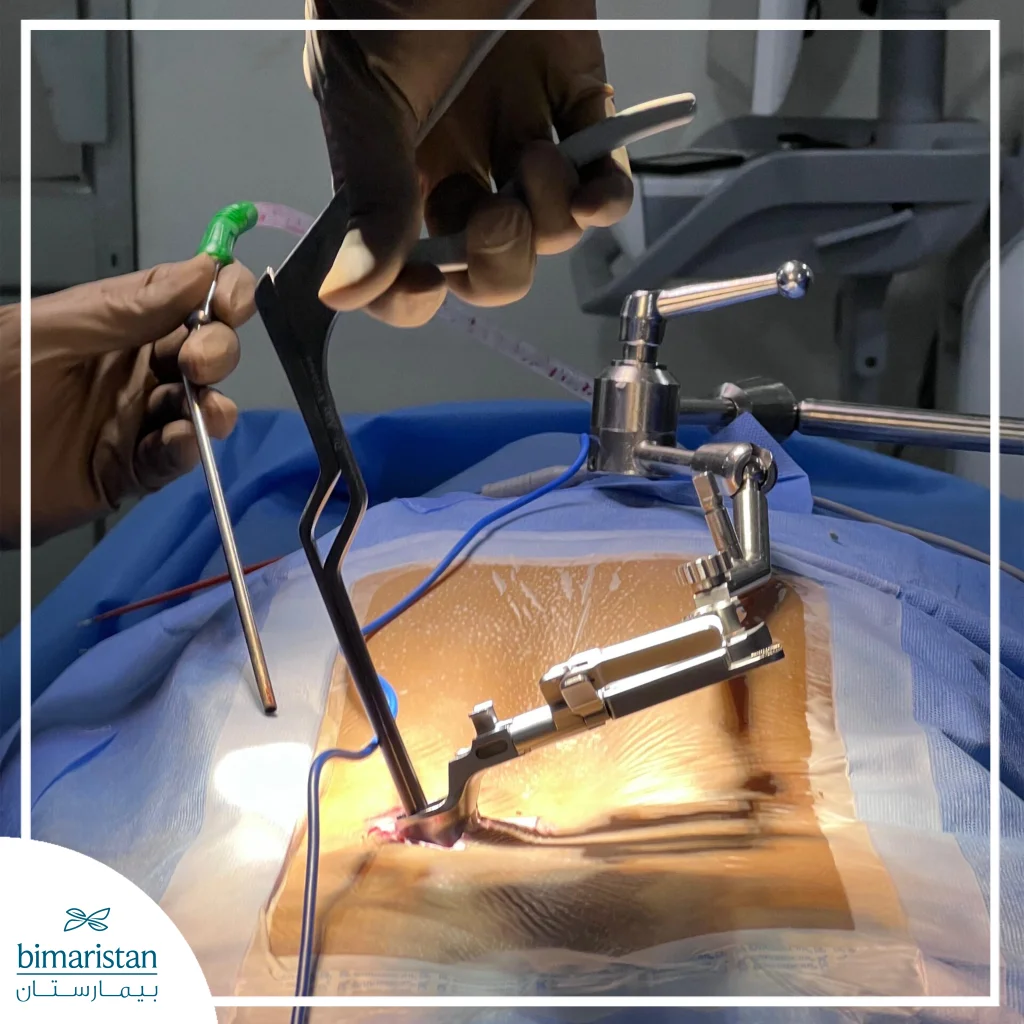
Minimally invasive spine surgery focuses on minimizing the impact on surrounding tissues, using small incisions and advanced instruments to reach the affected vertebrae precisely, rather than the large incisions in traditional surgery. This approach allows for fewer complications and faster recovery, with results often comparable or better than open surgery.
The difference between traditional surgery and minimally invasive spine surgery
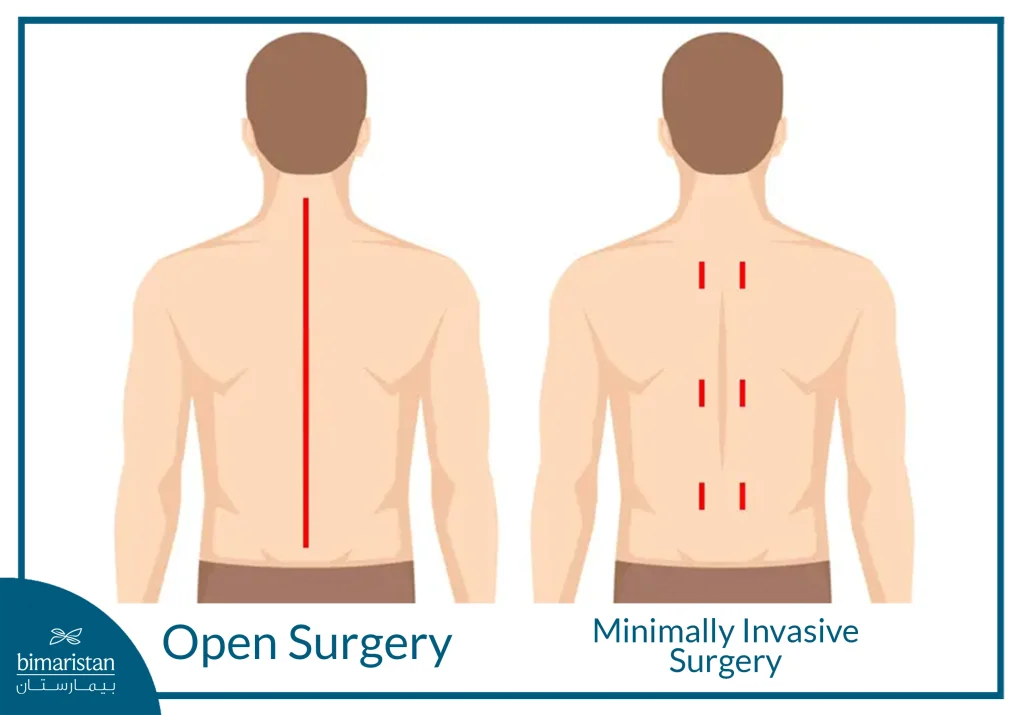
The main difference between traditional surgery and minimally invasive spine surgery lies in the size of the incision and how the surrounding tissues are handled. Traditional surgery requires large incisions to access the spine, which can lead to greater muscle damage, increased pain, and a longer recovery period.
In contrast, minimally invasive spine surgery uses small incisions and advanced instruments that allow the surgeon to treat the condition with high precision while minimizing damage to nearby tissues. This approach reduces complications, speeds up recovery, and helps patients return to their daily activities more quickly, often with results comparable to—or even better than—traditional open surgery.
Indications for minimally invasive spine surgery
Minimally invasive spine surgery is an excellent option for patients whose condition requires delicate surgical intervention while preserving the surrounding muscles and tissues, as this technique helps minimize complications and speed up recovery compared to traditional surgery:
- Herniated disc: To decompress the nerves caused by a slipped disc, reducing pain and restoring motor function without the need for a large incision.
- Tumors or inflammation: To reach affected areas with minimal damage to surrounding tissue, while removing or treating the tumor or inflammation with high precision.
- Chronic spinal pain syndrome: to relieve pressure on the nerves or stabilize the vertebrae to reduce pain and improve the patient’s quality of life.
- Spondylolisthesis: To stabilize moving vertebrae using screws or braces through small incisions, while preserving the surrounding muscles.
- Spinal canal stenosis: To widen the canal and reduce pressure on the spinal cord or nerves while minimizing damage to the surrounding muscles.
- Vertebral instability: To stabilize moving or weakened vertebrae, which protects the spinal cord and reduces pain during movement.
- Vertebral fractures: To treat fractures that threaten the stability of the spine, while minimizing bleeding and major surgery.
- A damaged disk due to degeneration: To remove the damaged portion or stabilize the vertebrae to relieve pain and restore mobility.
Types of procedures used in minimally invasive spine surgery
Minimally invasive spine surgery involves a variety of procedures designed to treat different conditions with high precision, while minimizing damage to the surrounding muscles and tissues, as these procedures vary depending on the site of injury and the type of medical issue, but they all share the main goal of improving clinical outcomes, reducing pain and recovery time, and enabling patients to return to their daily lives as soon as possible, among the most common types of surgeries that rely on this technique:
- Slipped disc removal: To remove the damaged part of the intervertebral disc that is pressing on the nerves, using a small incision and precise instruments, which helps reduce pain and speed recovery without significantly affecting the surrounding muscles.
- Nerve decompression: The spinal canal is widened, or part of the vertebra is removed to relieve pressure on the nerves, while minimizing surrounding muscle damage and blood loss.
- Stabilization of the vertebrae: Screws and braces are used to stabilize moving or weakened vertebrae, especially in cases of spondylolisthesis or spinal instability, while preserving muscle and minimizing bleeding.
- Removing tumors or treating infections: These procedures allow for high-precision access to tumors or infections, while minimizing damage to surrounding tissue and potential complications.
- Injection of vertebral support material: For the treatment of vertebral fractures, a supportive material is injected to stabilize the affected vertebra, with limited surgical intervention and little blood loss.
General steps for minimally invasive spine surgery
Before starting any procedure, a minimally invasive spine surgeon follows precise and systematic steps to ensure patient safety and achieve the best surgical results while minimizing damage to the surrounding tissues:
- Preoperative evaluation: The procedure begins with a thorough evaluation of the patient’s condition, including medical history and imaging tests such as CT or MRI scans to pinpoint the exact location of the injury. The patient’s general condition is also assessed to ensure they are ready for surgery and to minimize potential risks.
- Anesthesia and monitoring: The patient undergoes general or local anesthesia depending on the type of procedure, with vital signs continuously monitored throughout the procedure to ensure safety and comfort.
- Positioning the incision: Using precise imaging tools such as fluoroscopy or a surgical navigation system, the surgeon determines the ideal location for the small incision to reach the affected vertebra or area with minimal damage to the surrounding muscles and tissues.
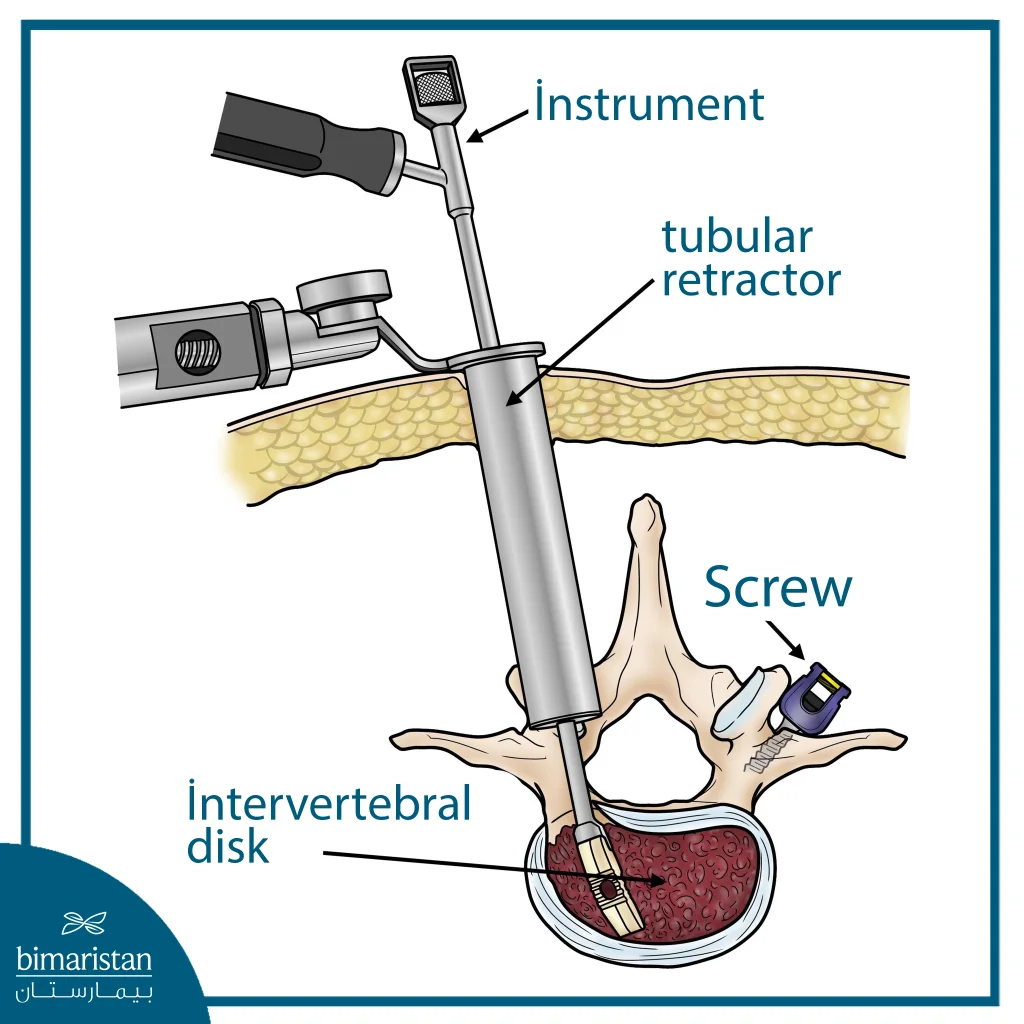
- Small incision procedure: A very small incision is made instead of the large incision used in traditional surgery, and sometimes a dilated tube is used to provide space to work inside the spine without tearing the surrounding muscles.
- Treatment: The technique depends on the type of condition, such as removing a slipped disc to relieve pressure on the nerves, widening the spinal canal, stabilizing the vertebrae with screws and stents, removing a tumor, or treating inflammation. Each step is performed with precision using endoscopes and surgical microscopes.
- Checking the results during the procedure: The surgeon reviews the affected area to make sure the nerves are decompressed or the vertebrae are properly stabilized, using advanced imaging tools to confirm accuracy and safety.
- Closing the incision: After it is determined that the surgery was successful, the small incision is closed using fine sutures or medical tape, taking care to minimize bleeding and preserve the surrounding muscles and tissues.
Advantages of minimally invasive spine surgery
Minimally invasive spine surgery offers many benefits over traditional surgery, focusing on minimizing damage to the surrounding muscles and tissues and speeding up the return to normal life. This technique helps patients achieve good results with minimal complications. The most important advantages:
- Small incisions: The small size of the incision allows for less damage to the surrounding muscles and tissues, minimizing post-operative pain and speeding recovery.
- Less blood loss: Minimally invasive surgery minimizes bleeding during the procedure, reducing the need for blood transfusions and lowering the associated risks.
- Minimize surgical complications: Reduced impact on surrounding tissues leads to a lower risk of infection and damage to muscles and nerves.
- Shorter hospital stay: Patients often require a shorter length of stay compared to traditional surgery, providing comfort and reducing costs.
- Faster return to daily activities: Minimally invasive surgery allows for faster restoration of mobility and function, with an improved quality of life for patients.
Recovery period after minimally invasive spine surgery
Minimally invasive spine surgery is characterized by a shorter recovery period compared to open surgery. Patients usually start light movement one or two days after the operation, and can return to moderate daily activities within a few weeks, while returning to heavy activities may take several months, depending on the individual case and the type of procedure. Physical therapy sessions are also recommended to enhance muscle strength and support the spine during recovery.
Minimally invasive spine surgery complications
Despite the many benefits of minimally invasive spine surgery, patients should understand the potential complications before undergoing the procedure. These complications are often less common compared to traditional surgery, but being aware of them helps to anticipate outcomes and take necessary precautions, among the most important potential complications:
- Infection: Although the incisions are few, infection may occur at the site of the procedure or within the spine, and this is usually treated with antibiotics or, in some cases, minimally invasive surgery.
- Bleeding: Limited bleeding may occur during or after the procedure, which is much less compared to traditional surgery, but in some cases, the patient may need close monitoring or a blood transfusion.
- Vertebral stabilization failure: If spinal stabilization is performed, some braces or screws may not fully stabilize, which may require follow-up or limited re-intervention.
- Temporary pain or swelling: You may experience mild pain or swelling around the incision during the first few days after the procedure, which gradually disappears with physical therapy and proper care
- Nerve injury: In some rare cases, nerves near the surgical site may be affected, resulting in temporary numbness or weakness, which often improves with time or physical therapy.
Advantages of minimally invasive spine surgery in Turkey
Turkey has become a favorite destination for many patients wishing to perform minimally invasive spine surgery, due to the availability of advanced medical centers and high surgical expertise. These centers provide patients with a combination of quality medical care and reasonable cost compared to other countries, among the most important of these advantages:
- The expertise of specialized surgeons: Turkey has an elite group of surgeons who are highly experienced in minimally invasive spine surgery techniques, ensuring accurate and safe results.
- State-of-the-art medical centers: Advanced hospitals are equipped with the latest laparoscopic and microscopic surgical equipment, minimizing complications and speeding recovery.
- Favorable cost: Turkey offers surgery at a lower cost compared to many European and American countries, while maintaining the quality of healthcare.
- Easy follow-up treatment after the operation: Hospitals provide careful follow-up programs, including physical therapy sessions, to ensure that movement and function are restored quickly and safely.
- A short and comfortable stay for patients: Minimally invasive spine surgery often requires a short hospital stay, which can be combined with tourist travel or post-operative medical rehabilitation.
Patients who wish to take advantage of these benefits can visit Bimaristan Medical Center where specialized medical teams provide state-of-the-art technology and careful follow-up during the recovery period.
Sources:
- Johns Hopkins Medicine. (n.d.). Minimally invasive spine surgery. Johns Hopkins Medicine.
- Park, J., Ham, D.-W., Kwon, B.-T., Park, S.-M., Kim, H.-J., & Yeom, J. S. (2020). Minimally invasive spine surgery: Techniques, technologies, and indications.