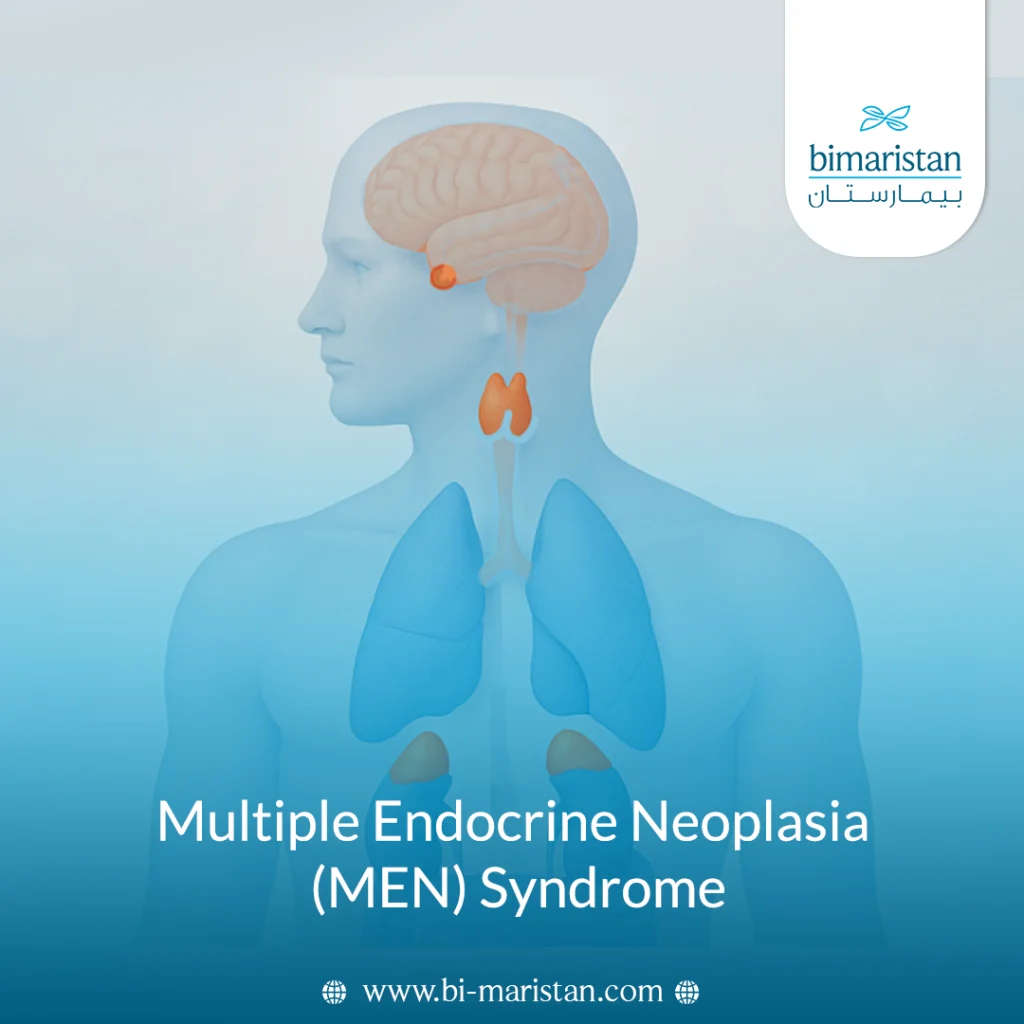
Multiple Endocrine Neoplasia (MEN) is a rare group of genetic disorders characterized by tumors developing in multiple glands of the endocrine system. These disorders can affect important glands, including the parathyroid glands, pancreas, pituitary gland, thyroid gland, and adrenal glands. The symptoms and complications associated with MEN vary depending on the specific type of syndrome and the glands that are affected.
Although rare, early detection of MEN syndromes can help monitor and treat tumors and hormonal disorders before serious complications arise. Because these conditions are genetic, genetic counseling and testing are an important part of evaluating the patient and their family members.
What is Multiple Endocrine Neoplasia (MEN)?
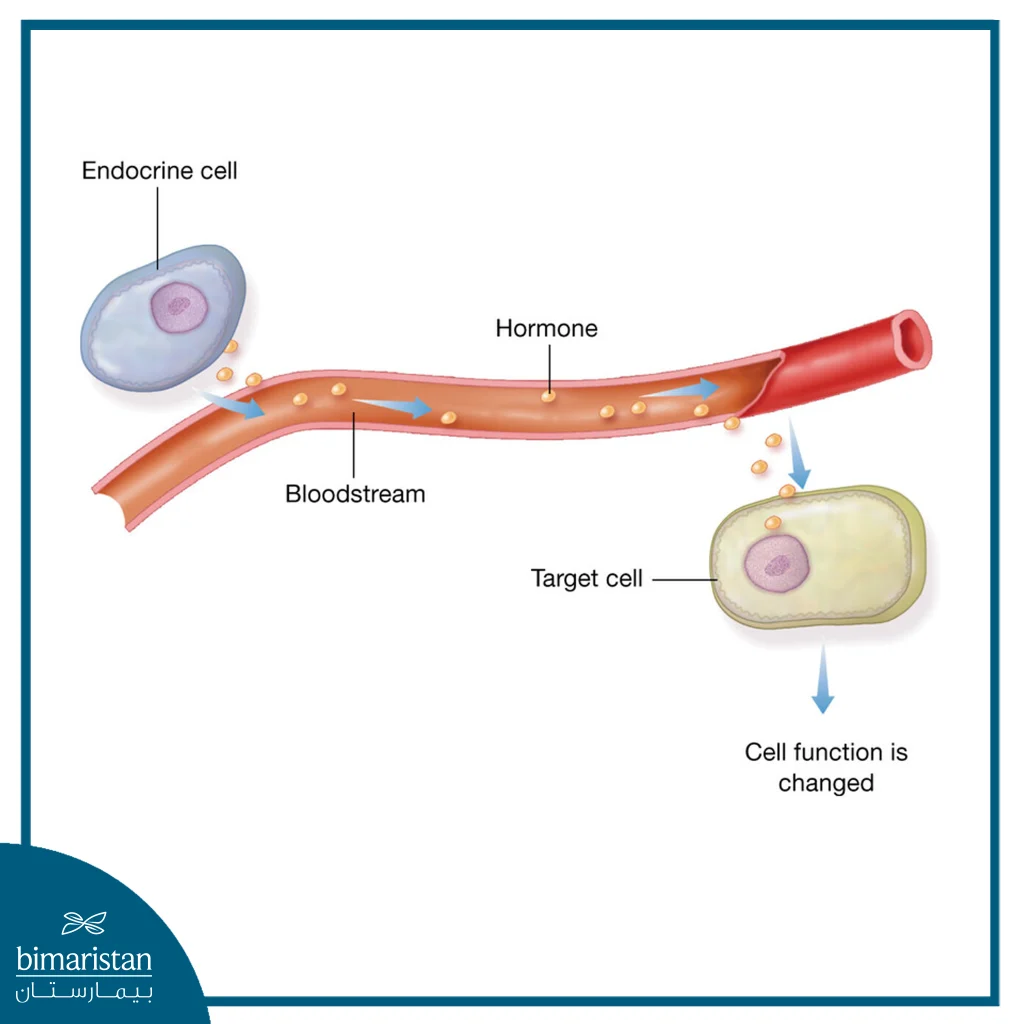
Endocrine glands, like other tissues in the body, can develop tumors. When tumors are diagnosed in more than one endocrine gland, the condition is referred to as Multiple Endocrine Neoplasia (MEN). Some of these tumors are benign, while others can be malignant. These tumors arise from uncontrolled cell growth due to genetic defects that affect cell division. In some cases, the affected gland may enlarge and become overactive, producing excessive hormone levels. This overactivity can cause various symptoms that disrupt the body’s stability. If the situation worsens, it can become life-threatening.
Types of MEN syndrome
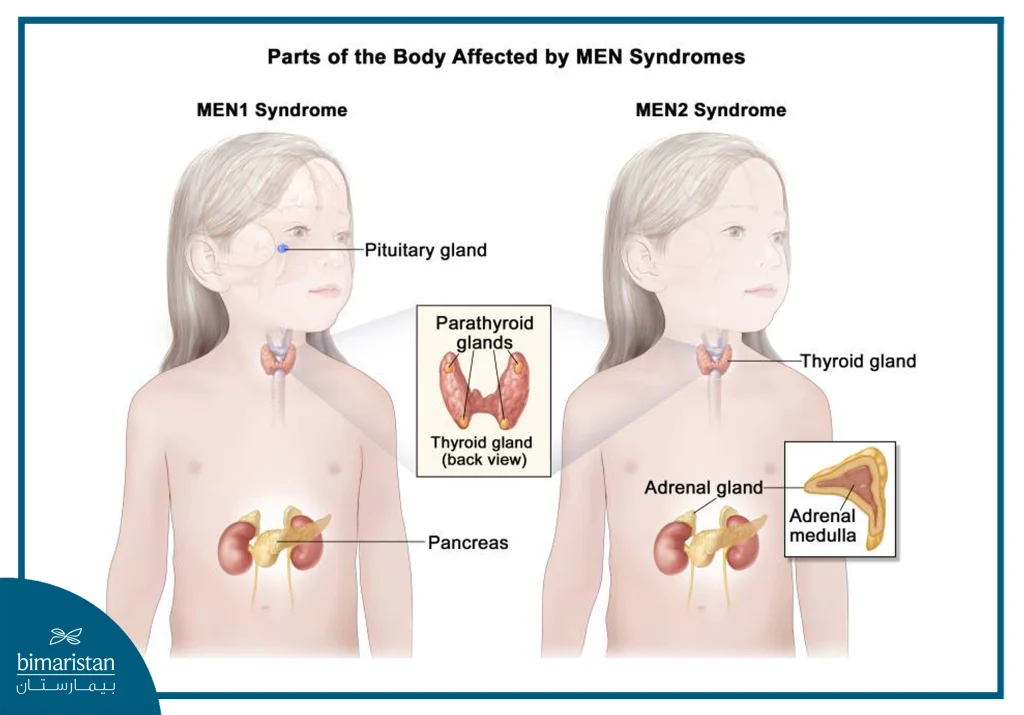
There are three main types of multiple endocrine neoplasia syndrome, and in each type, specific glands are affected while others are not. The types are as follows:
- Multiple Endocrine Neoplasia Type 1 (MEN 1), also known as Wermer syndrome, is a rare genetic condition characterized by the development of tumors primarily affecting the parathyroid glands, pancreas, gastrointestinal tract, and pituitary gland. Although most tumors associated with MEN 1 are benign, there are instances where they can be malignant and may metastasize to other organs. Additionally, tumors can arise from other tissues, including lipomas and breast tumors.
- Multiple Endocrine Neoplasia Type 2 (MEN 2): This is also a rare genetic disorder, with two subtypes, A and B, which are as follows:
- MEN 2A: Individuals with this type of MEN syndrome develop medullary thyroid carcinoma (MTC), as well as parathyroid gland tumors and pheochromocytoma of the adrenal gland.
- MEN 2B: This type is similar to the previous one in that it involves medullary thyroid carcinoma (MTC) and adrenal pheochromocytoma. However, it is notable for mucosal neuromas, a hallmark feature. Unlike the other type, it does not cause parathyroid tumors.
Causes of MEN syndrome
Multiple Endocrine Neoplasia (MEN) affects both sexes equally, and symptoms can appear at any age. Both types (MEN1 and MEN2) are caused by genetic mutations that may be inherited from one parent; the risk of affected children being born to affected parents is 50 percent. The condition can also occur spontaneously, without any parental genetic contribution, during the fetus’s development in the womb.
The first type of multiple endocrine neoplasia (MEN1) is caused by mutations in the MEN1 gene. The MEN1 gene is a tumor suppressor gene, meaning it helps prevent tumor formation by controlling cell division and instructing cells to die at the end of their natural lifespan. When tumor-suppressor genes, such as the MEN1 gene, malfunction, some cells may continue to grow and multiply abnormally, leading to tumor formation.
The second type, multiple endocrine neoplasia type 2 (MEN2), is caused by mutations in a gene called RET, which normally regulates cell proliferation and division. Mutations in the RET gene, however, lead to uncontrolled cell growth, which can cause tumors to form in certain organs and glands.
Symptoms of MEN syndrome
Every hormone in the human body has a specific function. For instance, thyroid hormones (T3 and T4) play a crucial role in stimulating metabolism, regulating catabolic and anabolic processes, and influencing heat production and energy expenditure. Each hormone maintains a specific concentration in the blood. At times, this concentration can naturally increase, a phenomenon known as a physiological increase, which usually occurs when the body has an increased demand for that hormone, such as the rise in growth hormone levels during puberty.
In contrast, a pathological increase in hormone concentration heightens its effects, causing symptoms due to overactivity. For example, the pathological overproduction of growth hormone can cause acromegaly in children. Similarly, multiple affected glands in multiple endocrine neoplasia (MEN) syndrome lead to a wide range of symptoms. Symptoms vary depending on the syndrome type and the specific tumors involved. The symptoms can be categorized as follows:
Symptoms associated with MEN 1 syndrome
- Symptoms caused by parathyroid gland disorders: These glands secrete a hormone called parathyroid hormone, which is responsible for regulating calcium levels in the blood; an imbalance in the concentration of this hormone in the blood causes:
- Joint pain
- Muscle weakness
- Fatigue
- Depression
- Loss of appetite
- Nausea and vomiting
- Constipation
- Symptoms caused by pancreatic injury: The pancreas contains several types of glandular cells, each secreting a specific hormone (alpha cells secrete glucagon, beta cells secrete insulin, and delta cells secrete somatostatin). A tumor can develop in any of these cell types, but the most common tumors affect the insulin-secreting beta cells (insulin is a hormone important for regulating blood sugar levels), and the symptoms are caused by low blood sugar, including:
- Mental confusion
- Sweating
- Hunger
- Visual disturbances
- Heart palpitations
- Symptoms resulting from gastrointestinal involvement: In 40% of cases of this type, patients develop a type of tumor called a gastrin-secreting tumor. Gastrin is a hormone secreted by G cells in the stomach that regulates its acidity, and increased secretion of this hormone, as seen in this type of syndrome, causes:
- Gastric ulcers
- Abdominal pain
- Diarrhea
- Symptoms caused by pituitary gland disorders: The pituitary gland is considered the most important endocrine gland in the human body because it regulates other endocrine glands by secreting hormones such as growth hormone and thyroid-stimulating hormone. The most common tumors affecting this gland in the context of multiple endocrine neoplasia syndrome are prolactin-secreting tumors (prolactin, the milk hormone). Increased secretion of this hormone causes:
- Menstrual irregularities
- Breast milk production in females
- Gynecomastia in males
- Infertility
- Neurological problems, particularly involving vision, caused by enlargement of the pituitary gland
Symptoms associated with MEN 2 syndrome
All individuals with this type of syndrome develop medullary thyroid carcinoma (MTC), which causes the following symptoms:
- A painful lump in the neck
- Shortness of breath
- Voice problems, such as hoarseness
- Difficulty swallowing
Other symptoms may also appear when the adrenal glands are affected by a pheochromocytoma; in this case, the symptoms result from increased secretion of adrenal medulla hormones (adrenaline and norepinephrine), which causes:
- High blood pressure
- Heart rhythm disorders
- Excessive sweating for no apparent reason
Other symptoms may also appear if other tissues or organs are affected.
Diagnosis of MEN syndrome
Diagnosing this type of syndrome relies heavily on the presentation of symptoms associated with each tumor; a diagnosis requires the presence of two or more tumors characteristic of the specific type (such as pituitary, pancreatic, or parathyroid tumors in the case of MEN 1). Diagnostic tests include the following:
- Blood tests: To measure the levels of various hormones.
- Imaging: Computed tomography (CT) or magnetic resonance imaging (MRI) can detect tumors.
- Genetic testing: To check for mutations in genes associated with this syndrome.
Treatment of MEN syndrome
Treatment varies based on affected glands and focuses on symptom management while attempting to control hormone levels, as there is no permanent cure. Each tumor is treated individually, with several treatment options available.
Surgery
Surgery is often the primary treatment option for this syndrome, especially when symptoms related to abnormal hormone levels in the blood appear. The surgical options are:
- In a parathyroidectomy for multiple endocrine neoplasia type 1 (MEN1), typically three and a half of the four parathyroid glands are removed. In some cases, all glands may be removed, with one transplanted to another location in the body.
- Surgical removal of insulin-secreting pancreatic tumors and gastrin-secreting gastrointestinal tumors when they cannot be controlled with medication.
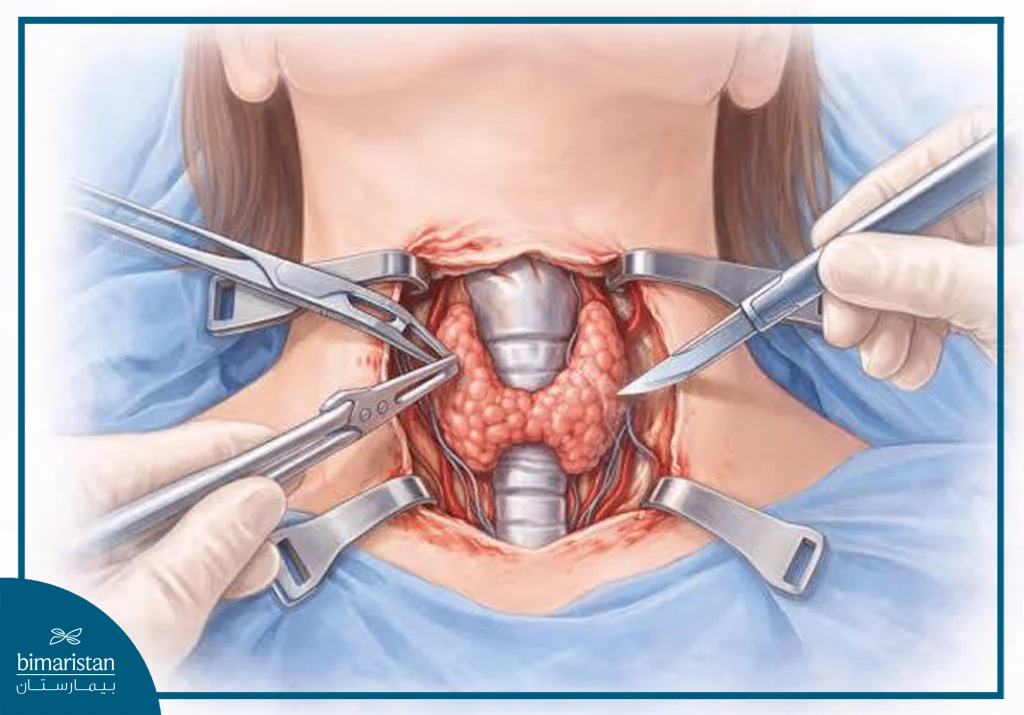
- Thyroidectomy (MEN 2): This procedure is performed when the thyroid gland is affected by medullary thyroid carcinoma (MTC) or when the syndrome is confirmed, to prevent medullary thyroid carcinoma, which is considered a rapidly spreading cancer.
- Adrenal gland removal: In this case, both glands may be removed if they are affected, but doctors strive to leave a healthy portion of the gland intact in order to maintain the body’s hormonal balance.
Other treatments
- Drug Therapy: Drug therapy aims to maintain hormonal balance, alleviate symptoms, and eliminate certain tumors or inhibit their growth.
- Radiation therapy: Doctors use this option in certain specific cases, such as pituitary tumors that cannot be surgically removed or to treat the spread of metastases throughout the body.
In conclusion, multiple endocrine neoplasia (MEN) syndrome encompasses rare genetic disorders that can affect multiple endocrine glands. Effective management requires close monitoring and a personalized treatment plan for each patient. Early diagnosis, genetic testing, and regular follow-up are essential for detecting tumors and hormonal changes at an early stage. This proactive approach allows for timely intervention and reduces the risk of complications. Thanks to advances in surgical procedures, medication therapies, and other treatment options, many issues associated with MEN syndrome can now be effectively managed, leading to an improved quality of life for patients.
Sources:
- Cancer Institute. (n.d.). Multiple endocrine neoplasia (MEN) syndromes. National Cancer Institute.
- Johns Hopkins Medicine. (2021). Multiple endocrine neoplasia (MEN). Johns Hopkins Medicine.
- Khatami, F., & Tavangar, S. M. (2018). Multiple endocrine neoplasia syndromes from genetic and epigenetic perspectives. Biomarker Insights, 13, 1–9.