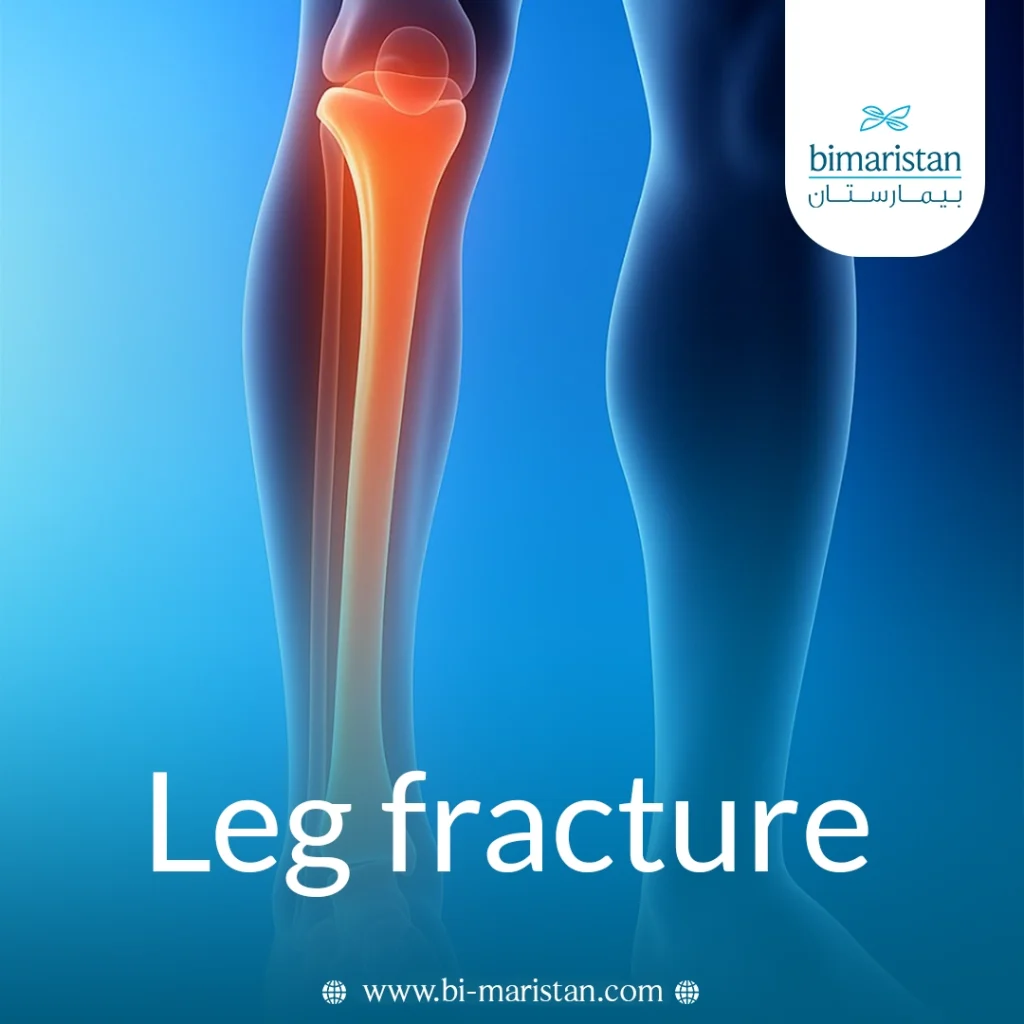



A leg fracture is a common injury that significantly impairs mobility and limits the ability to perform daily activities. These fractures often involve the tibia or fibula. They may result from direct trauma such as falls, sports injuries, or traffic collisions, as well as pathological causes like osteoporosis, which weakens bones and increases susceptibility to fracture. Research indicates that tibial fractures represent nearly 15% of lower limb fractures in adults, with risk rising among the elderly due to age‑related bone density loss.
Early diagnosis and consistent follow‑up are essential to reduce complications such as leg deformity, delayed bone healing, or nerve damage. Selecting the proper treatment approach, whether conservative or surgical, is critical for achieving full recovery and restoring normal walking ability. In complex or displaced leg fractures, surgical management improves success rates and lowers complication risks by about 85–90%, underscoring the importance of precise medical planning and specialized care.
What is a leg fracture?
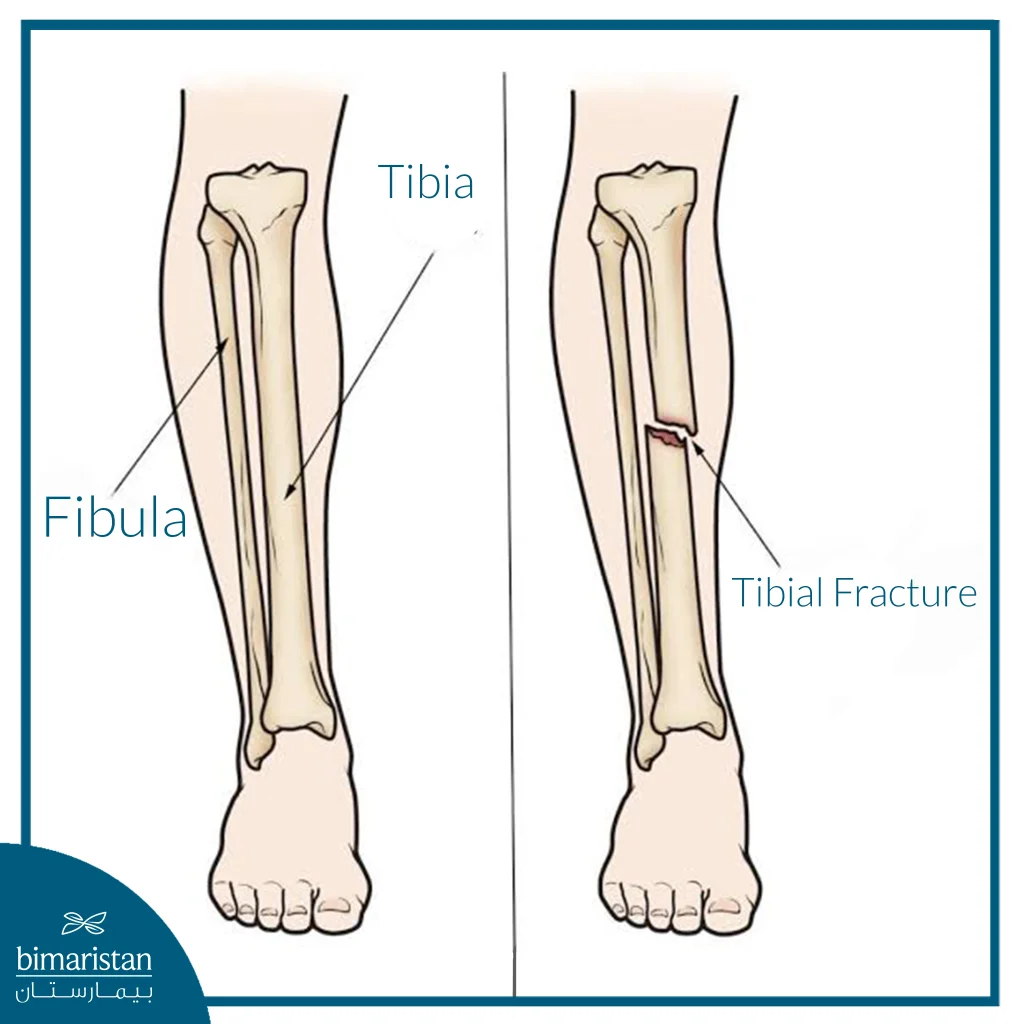
A tibia fracture is a break or crack in one of the two main leg bones, the tibia or fibula, as a result of a direct injury or severe pressure on the leg. The fracture may be simple and stable, or complex and displaced, in which case the bone may be displaced from its normal position, causing leg deformity and difficulty with movement. A leg fracture differs from other lower-limb injuries, such as knee or ankle fractures, which helps clarify the diversity of fractures, their severity, and the treatment methods for each type. Early diagnosis and choosing the appropriate treatment are essential to minimize complications and restore the ability to walk and normal movement of the entire leg.
Types of leg fractures
A leg fracture occurs as a result of direct or indirect forces that affect the leg bones. Its severity and type may vary depending on the fracture location and the nature of the injury. Understanding the type of fracture is important for determining appropriate treatment, ensuring proper healing, and minimizing potential complications. The most important of these types:
- . Tibial bone fracture: This is the most common type of leg fracture, mainly because it bears the greatest weight of the leg. The fracture can be simple and stable, or open, with the bone protruding through the skin, which increases the risk of infection and requires immediate surgical intervention to stabilize the bone.
- Fracture of the fibula: Often occurs as a result of an ankle sprain or fall. It is usually less severe than a tibia fracture and is treated conservatively if the fracture is not displaced. In contrast, displaced fractures require surgical stabilization to prevent leg deformity and balance loss.
- Compound or multiple fractures: These involve the bone breaking into several pieces, often resulting from severe accidents or traffic injuries. These fractures require delicate surgery to reassemble the bones and fix them with metal implants to ensure proper healing.
- Stress fractures: Caused by repetitive stress on the leg, common in athletes or people who constantly lift heavy loads. Often detected by advanced imaging or MRI and treated conservatively with rest and functional support.
- Open fractures: Where part of the bone is exposed outside the skin, and the potential for infection is significantly increased. It requires cleaning the wound, stabilizing the bone, and, sometimes, prolonged antibiotic use.
- Closed fractures: These fractures do not penetrate the skin, are less prone to infection, and can often be treated with a cast or internal fixation, depending on the fracture’s severity.
- Fractures involving the joint: Fractures that extend into the knee or ankle joint can affect mobility and increase the likelihood of future arthritis, often requiring delicate surgical intervention to realign the joint.
Causes of a leg fracture
A leg fracture can result from a variety of factors, including direct injuries and diseases that affect bone strength. Understanding the causes helps prevent and choose the appropriate treatment for each case. Some of the most important causes include:
- Direct injuries: Traffic accidents, falls from a height, or direct blows to the leg are the most common causes of a leg fracture.
- Sports injuries: Strong sprains or blows during sports, especially in soccer or basketball, can lead to leg fractures.
- Osteoporosis: Weak bones increase the risk of fractures even under light pressure, especially in the elderly.
- Repeated stress: Constant stress on the legs from long walks, jogging, or heavy lifting can lead to small fractures that worsen if left untreated.
- Other bone diseases: Tumors or infections that weaken bones and make them more fragile.
- Accidents at home or work: Falling or tripping while walking on slippery floors or while performing daily tasks can cause fractures.
- Nutritional imbalance or vitamin deficiency: Lack of calcium or vitamin D increases the fragility of bones and makes them more susceptible to fractures when subjected to any trauma.
Symptoms of a leg fracture
Symptoms of a leg fracture can vary based on the type and severity of the injury. However, they typically become apparent quickly after the incident, making it easier to recognize the condition and seek appropriate medical attention.
- Severe, immediate pain: The pain occurs immediately after the injury and worsens when you try to move the leg or put weight on it.
- Swelling and puffiness: Occurs around the fracture site due to fluid accumulation and inflammation, and may be visually noticeable.
- Bruising or discoloration of the skin: These appear as blue or purple spots around the fracture site as a result of bleeding blood vessels under the skin.
- Deformity or curvature of the leg: In displaced or compound fractures, the bone may appear abnormal or the leg may bend.
- Difficulty walking or lifting weight: The patient is often unable to stand or walk on the affected leg without assistance.
- Numbness or weakness in the foot or toes: As a result of compression or injury to the nerves surrounding the fracture.
- Abnormal sounds: Sometimes the patient feels a clicking or rubbing sound when moving due to the bone fragments.
Diagnosis of a leg fracture
The diagnosis of a leg fracture requires a careful evaluation that combines clinical examination and medical imaging to determine the type of fracture, its location, the degree of bone displacement, and its impact on the surrounding tissues. Accurate diagnosis depends on choosing the right tools for each case to ensure an effective treatment plan:
Clinical examination
The clinical examination includes assessing pain, swelling, bruising, and visible deformity of the leg. The doctor checks the ability to move the foot and toes to determine any effect on the surrounding nerves and muscles. Changes in skin color and temperature are also noted to assess blood flow. The clinical examination is an essential step in determining the immediate need for surgical intervention or conservative treatment and in planning appropriate imaging later.
X-rays
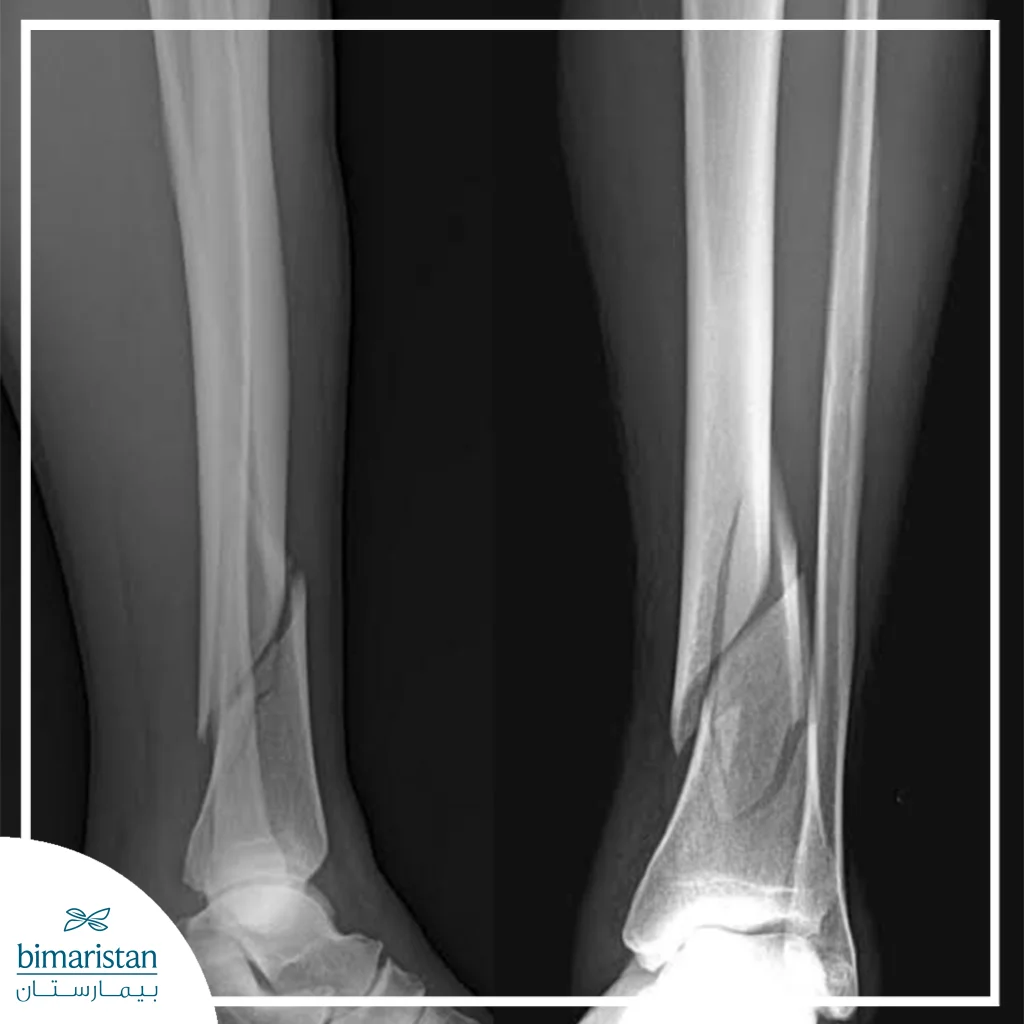
X-rays are the primary method for determining the location and nature of a fracture, providing two-dimensional images of the bone that help doctors assess the degree of displacement of bone fragments, the presence of an open or closed fracture, and the extent to which the nearby joint has been affected. X-rays are used before and after treatment to monitor healing and ensure bone stabilization during conservative treatment or after surgery.
Computed Tomography (CT)
Computed tomography provides an accurate three-dimensional image of bones and is mainly used for compound or multiple fractures, or for those involving the knee or ankle joints. This type of imaging enables the doctor to assess the degree of displacement of bone fragments, accurately plan surgery, and ensure normal bone realignment prior to fixation.
Magnetic Resonance Imaging (MRI)
MRI is utilized to detect stress fractures or small fractures that may not be visible on X-rays. It also shows the soft tissues surrounding the bone, such as muscles, tendons, and ligaments. Additionally, MRI helps assess any damage to nerves or blood vessels, making it especially useful for athletes or patients with repetitive injuries.
Additional examinations
A DEXA bone density scan is utilized to diagnose osteoporosis, which can help identify the cause of fractures and guide a preventive treatment plan. This scan is also effective in detecting microfractures or stress fractures that may not be easily visible through conventional imaging, particularly in elderly patients or those with chronic conditions affecting bone health.
How to treat a leg fracture
The treatment of a leg fracture depends on the type and severity of the fracture, its location, and the patient’s general health. The treatment aims to restore bone alignment, stabilize the bones, relieve pain, and enable the patient to regain normal leg movement. Among the most important treatment methods:
Conservative treatment
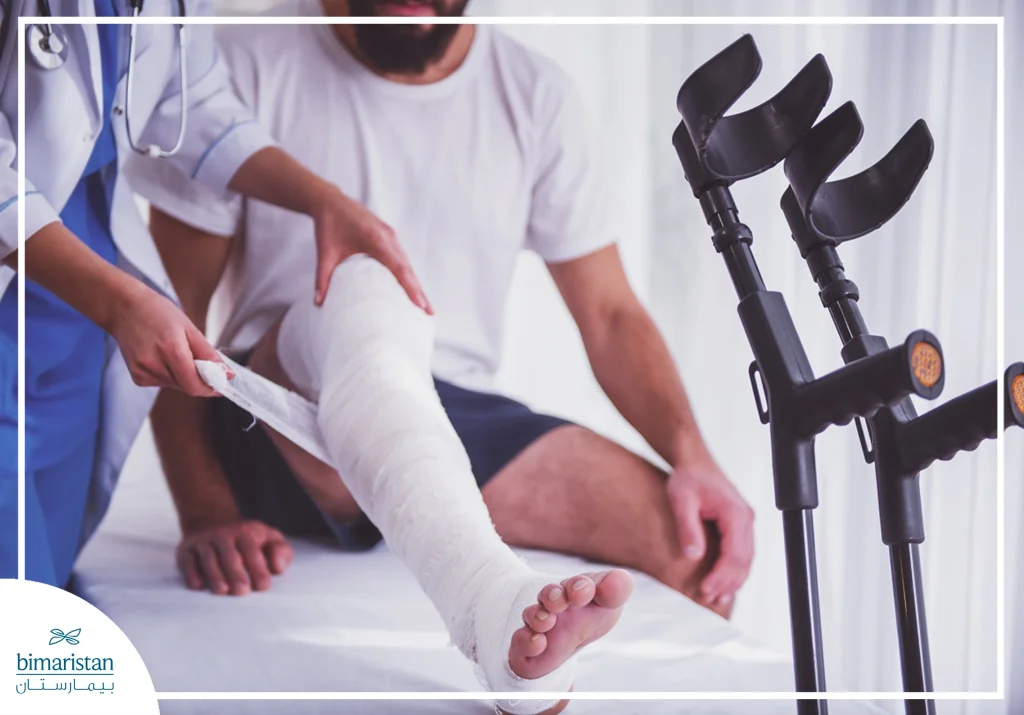
Conservative treatment is typically employed for simple or non-displaced fractures, where the bones remain in their natural alignment. This approach involves using a cast, brace, or orthopedic shoe to stabilize the leg and limit excessive movement. Conservative treatment is less invasive and is often recommended for closed fractures that do not involve the joints and do not require surgical realignment.
Drug therapy
It includes the use of painkillers, anti-inflammatories, and sometimes bone-strengthening medications such as calcium and vitamin D to promote bone healing. This type of treatment is used as a complement to conservative treatment or after surgery to relieve pain and promote healing.
Surgical treatment
Surgical treatment is preferred for complex, displaced, or open fractures that cannot be stabilized by mere alignment. The goals of surgery are to accurately reposition the bones, stabilize them with screws, metal plates, or rods inside the bone, and ensure leg stability. These are the most important steps in the surgical procedure:
- Preparation of the patient: Evaluate the general condition, perform laboratory tests, and administer appropriate anesthesia.
- Bone realignment: Repositioning pieces of bone into their natural position using precise surgical instruments.
- Fixation of the bone: Using screws, metal plates, or internal rods to stabilize the bone as it heals.
- Wound closure and care: Cleaning the wound, suturing it, and applying a bandage to minimize infection and promote healing.
- Follow-up after the operation: This includes radiographic monitoring of healing, pain assessment, and preparation for a rehabilitation program.
- Rehabilitation and physical therapy: Restore mobility, strengthen muscles, and gradually improve walking ability.
Complications of surgical treatment for a leg fracture
Despite the effectiveness of surgery in restoring leg stability and improving mobility, the procedure may be accompanied by some complications that must be carefully monitored to avoid affecting the full recovery, the most important of which are:
- Infection: It may occur at the surgical wound site or around the metallic fixation devices, requiring treatment with antibiotics and, in some cases, additional intervention to eradicate the infection.
- Delayed bone healing: In some cases, the bone may take longer to heal, prolonging the treatment period and requiring continuous radiologic follow-up.
- Failure of the bone to heal: When the bone does not heal completely, you may need additional surgery to stabilize the bone or stimulate healing.
- Moving metal objects: Screws, metal plates, or rods can move, causing pain or deformation and requiring surgical adjustment.
- Injury to nerves or blood vessels: Rare but possible, it can lead to numbness or weakness in the leg or foot if the nerves are affected.
- Stiffness or muscle weakness: After surgery, the patient may have difficulty moving the knee or ankle, requiring intensive rehabilitation.
- Persistent or chronic pain: Some patients experience long-term pain as a result of inflammation or nerve compression and require ongoing medical or physical therapy.
Advantages of a leg fracture treatment in Turkey
Turkey is a leading medical destination for leg fracture treatment, combining high surgical expertise with modern medical technologies to provide comprehensive care and excellent patient outcomes. Turkish hospitals provide an integrated treatment environment that includes accurate diagnosis, conservative or surgical treatment, and post-operative rehabilitation:
- High medical expertise: Specialized surgeons have extensive experience in treating complex leg fractures, minimizing complications, and increasing the procedure’s success rate.
- State-of-the-art hospitals: State-of-the-art radiology, CT, and MRI equipment, as well as advanced surgical stabilization tools.
- Affordable treatment cost: Turkey offers advanced medical services at competitive prices compared to European or American countries, while maintaining the quality of medical care.
- Comprehensive post-operative follow-up: Rehabilitation and physical therapy programs ensure that bones heal and mobility is fully and quickly restored.
- Comprehensive services for international patients: Including translation, accommodation, and medical transportation to facilitate a hassle-free treatment journey.
- Incorporating the latest treatment techniques: Using surgery in combination with physical therapy and nutritional support programs to enhance recovery and significantly reduce complications.
Leg fractures are critical injuries that require careful evaluation and personalized treatment based on the type, severity, and location of the fracture. Treatment aims to restore bone stability, reduce pain, and prevent long-term complications such as delayed healing or nerve issues. Surgical intervention for complex and displaced fractures increases success rates and significantly speeds recovery, while conservative treatment remains appropriate for simple and stable fractures.
Turkey offers advanced medical care for leg fractures, with highly skilled doctors, modern surgical technologies, affordable costs, and thorough post‑operative follow‑up programs. This combination makes it a preferred destination for international patients seeking safe and reliable care. Ultimately, successful recovery from a leg fracture relies on early diagnosis, appropriate treatment, strict adherence to medical follow‑up, and effective rehabilitation, all of which help restore normal leg function and reduce the risk of complications.
Sources:
- Hida, T., & Harada, A. (2013). Fall risk and fracture: Diagnosing sarcopenia and sarcopenic leg to prevent fall and fracture: Its difficulty and pitfalls. Clin Calcium, 23(5), 707-712.
- Haddad, F. S. (2010). . , Volume, .
- Hong, Y., Brueckmann, S., Kloek, C., & Finnegan, P. (2004).