
Knee osteoarthritis is one of the most common conditions linked to aging or lifestyle, and while conservative treatments help many patients, some may reach a stage where surgery becomes the only viable option. In this article, we answer the question “when does knee osteoarthritis require surgery?”, especially joint replacement, to relieve pain and restore mobility.
What is knee osteoarthritis?
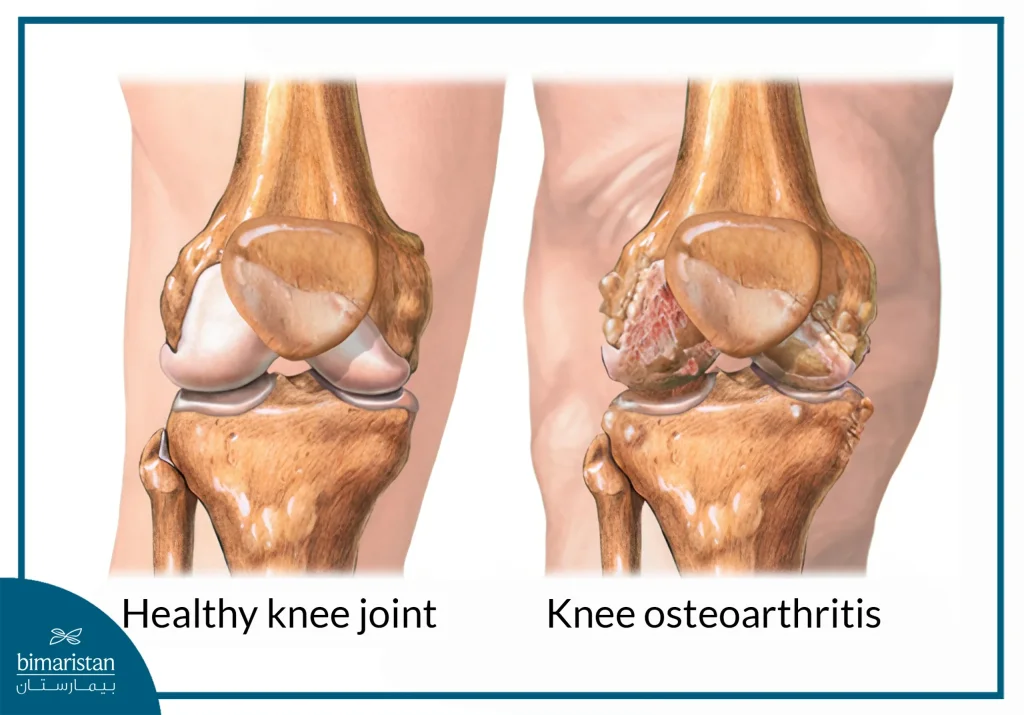
Knee osteoarthritis is a condition that occurs when the cartilage in the knee joint gradually wears down, resulting in friction between the bones. This friction leads to pain, swelling, and stiffness in the knee. Knee osteoarthritis is a degenerative joint disease primarily caused by the wear and tear that occurs over time. It is a very common condition, and the knee is one of the most vulnerable joints due to the pressure and stress it endures throughout life.
Knee pain is a chronic condition that gradually worsens over time, and there is no definitive cure. However, several treatment options help slow the progression of the disease and alleviate symptoms, but knee pain often worsens over time and can eventually lead to disability.
Stages of knee osteoarthritis
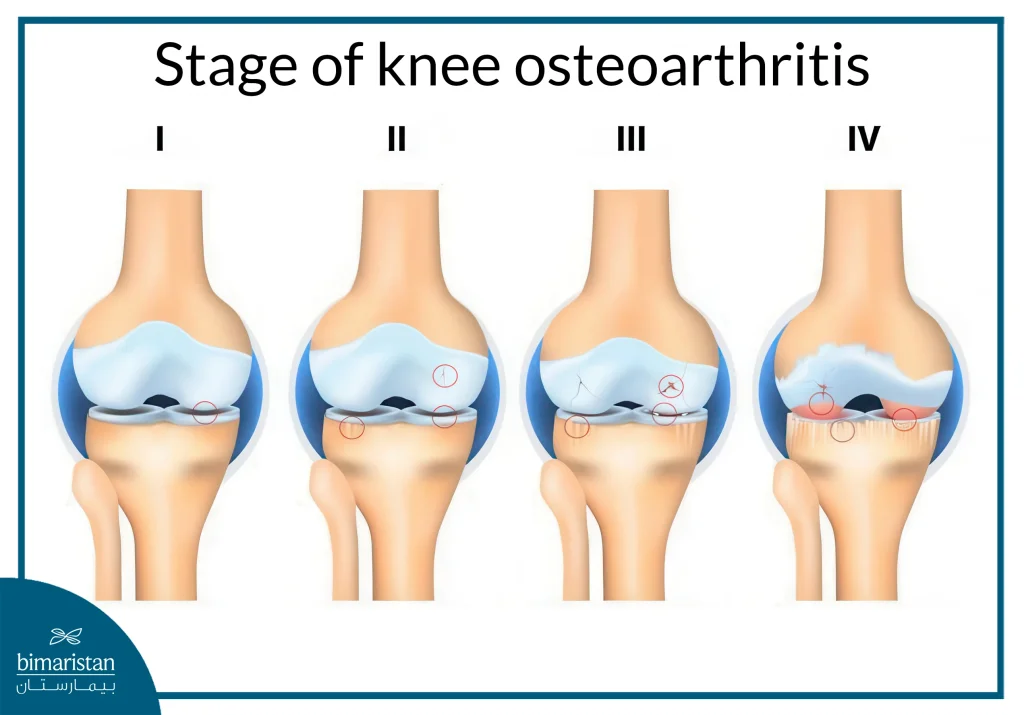
Healthcare professionals describe stages of knee osteoarthritis to help patients understand symptoms and anticipate future developments.
The first stage of knee osteoarthritis
This stage means that the patient has started to experience some wear and tear on the cartilage within the joint, and most likely, the patient will not notice any pain at this stage
Second stage of knee osteoarthritis
At this stage, the patient begins to feel pain and stiffness in the joint, but there is still enough cartilage to prevent the bones from rubbing together.
Third stage of knee osteoarthritis
At this stage, the patient experiences noticeable cartilage erosion, which causes increased pain, particularly when running, walking, squatting, or kneeling. The patient may also experience stiffness and difficulty moving the joint, especially after prolonged periods of inactivity.
Stage IV Knee Osteoarthritis
This stage indicates that the cartilage has nearly vanished, resulting in the bones rubbing against each other during movement. Consequently, the knee becomes stiff, painful, and potentially immobile, making knee replacement surgery necessary.
Causes of knee osteoarthritis
Knee osteoarthritis occurs when the cartilage that lines the ends of the bones inside the joint gradually wears away, and the condition is often associated with certain causes and risk factors, such as:
- Aging: The risk of developing knee stiffness increases the older you get.
- Excess weight: Obesity contributes to osteoarthritis in several ways. The higher the weight, the higher the risk, as excess weight puts extra pressure on weight-bearing joints such as hips and knees, and fatty tissue produces proteins that can cause harmful inflammation in or around the joints.
- Joint injuries: Injuries such as those sustained during sports or as a result of accidents can increase the risk of developing osteoarthritis, and even old injuries from years ago can increase this risk.
- Repetitive stress on the joint: If a job or sport involves repetitive stress on a particular joint, it can lead to the development of joint stiffness in that joint over time.
- Heredity: Some people inherit genetic factors that predispose them to joint osteoarthritis.
Symptoms of knee osteoarthritis that may require knee osteoarthritis surgery
Several symptoms may warrant knee osteoarthritis surgery:
- Persistent pain despite medication
- Frequent swelling
- Difficulty walking or climbing stairs
- Severe joint stiffness in the morning
- Loss of ability to perform daily activities
- Growth of bony masses known as osteophytes that cause more friction and irritation within the joint
Conservative treatments before knee osteoarthritis surgery
Knee stiffness cannot be reversed, but some conservative treatments reduce pain and help you move better, such as:
- Analgesic drugs: Paracetamol can help some people with osteoarthritis who have mild to moderate pain.
- Nonsteroidal anti-inflammatory drugs (NSAIDs): Such as ibuprofen and naproxen sodium, which relieve the pain of osteoarthritis well.
- Physiotherapy: A physical therapist can guide the patient through exercises to strengthen the muscles surrounding the joint, increase flexibility, and alleviate pain.
- Transcutaneous electrical nerve stimulation (TENS): This treatment uses a low-voltage electrical current to relieve pain and provides temporary relief for some people with knee or hip stiffness as well.
- Plasma or cortisone injections
- Using braces or crutches
- Lose weight
When does knee osteoarthritis require surgery?
Knee osteoarthritis surgery can be used in the following cases:
- Failure of non-surgical treatments
- Significant deterioration in radiographs (advanced degree of roughness)
- Pain that lasts for several months
- Significantly reduced quality of life
Types of knee surgery for osteoarthritis
There are several types of knee surgery to treat arthritis, but knee replacement surgery is the most common type of surgery to treat arthritis.
Total Knee Replacement Surgery
The surgery involves cutting off the osteoarthritis -damaged ends of the tibia and femur and covering them with prostheses, where the two artificial parts are made either from metal or a durable plastic called polyethylene, and these new surfaces move smoothly over each other forming a functional knee joint, and the partial recovery period usually takes 4 to 6 weeks, while full recovery may take a few months to a full year.
For most patients, total knee replacement surgery provides pain relief and improved joint function. However, the artificial knee is not as strong or durable as a healthy knee, and patients are strongly advised to avoid high-impact activities such as running that may accelerate the wear and tear of the new joint.
Partial Knee Replacement Surgery
Partial knee replacement surgery treats the damaged compartment of the joint due to osteoarthritis, usually the medial or lateral compartment, while preserving the healthy parts. This surgery is only appropriate for a specific group of patients. A patient may not qualify if their knee is poorly aligned, such as having legs that curve inward or outward. Additionally, those with severe knee stiffness, ligament damage, or inflammatory arthritis, such as rheumatoid arthritis, may also be ineligible.
Compared to total knee replacement surgery, partial replacement is less invasive, so it is often less painful and requires a shorter recovery time. However, partial knee replacement is less reliable than total replacement in relieving the pain of knee osteoarthritis.
Benefits of knee surgery for severe osteoarthritis
Knee surgery for osteoarthritis has many benefits, including:
- Improved mobility and walking ability
- Chronic pain relief
- Improving quality of life
- Regain the ability to walk and work
What are the risks of knee osteoarthritis surgery, and when is it not suitable?
Any surgical procedure is not without some potential complications and risks, and the patient may experience some anesthetic complications after knee surgery, such as low blood pressure or breathing difficulties. An infection may occur at the surgery site, and in rare cases, the infection may infect the artificial joint, which requires additional surgical intervention and removal of the artificial joint.
Some patients are not suitable for knee arthroplasty due to severe cardiac issues that could endanger the patient’s life or severe bone weakness.
Life after knee osteoarthritis surgery: Is it worth it?
The length of stay in the hospital after knee surgery varies according to the type of surgery and the patient’s health condition. Physical therapy should be started as soon as possible to maintain muscle strength and increase blood flow to the knee, which helps speed up recovery.
Most patients require crutches for four to five weeks, attend physical therapy sessions twice a week for two to three months, and the overall recovery period may last up to a year.
Tips for patients before deciding to undergo knee osteoarthritis surgery
The patient must understand this condition and recognize when knee osteoarthritis requires surgery to ensure their health. Additionally, they should follow the following instructions:
- Discuss options with your doctor
- Comprehensive evaluation of the general condition before knee arthroplasty surgery
- Mental and physical preparation for surgery
Determining when knee osteoarthritis requires surgery, especially joint replacement, depends on the severity of your symptoms and how much they affect your daily activities. Don’t hesitate to consult a specialized doctor to evaluate your condition and select the most suitable treatment approach for your case.
Sources: