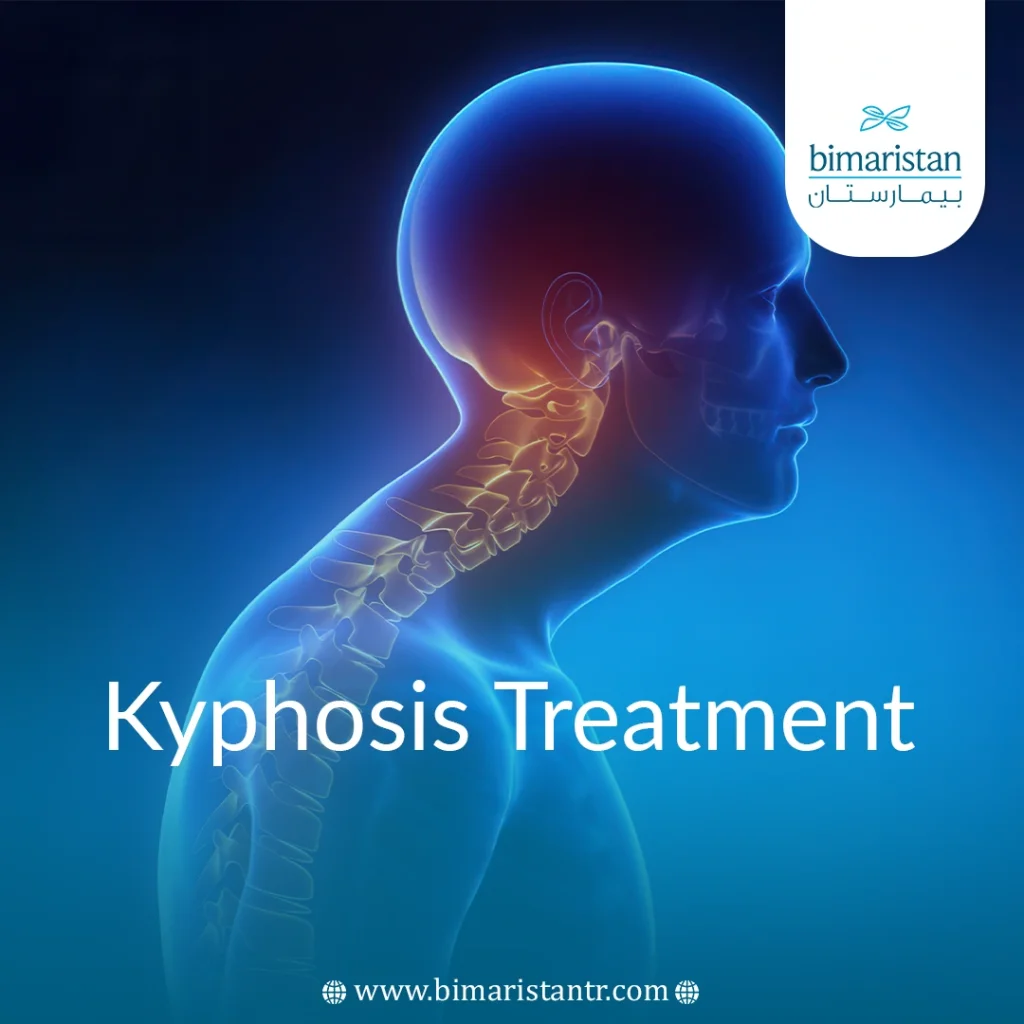


Hunchback or kyphosis is a common condition that affects the shape of the spine and the overall health of the body. The incidence of severe kyphosis in adults over 60 years old is between 20% and 40%, and can be as high as 55% in seniors over 70 years old. Women are more likely to develop it after menopause due to decreased bone density and increased risk of fractures.
Kyphosis is often caused by weak back muscles or poor posture, and can lead to chronic pain and difficulty in movement. Kyphosis treatment includes therapeutic exercises to strengthen muscles and improve daily posture, as well as physical therapy and, in some advanced cases, the use of supportive belts. Adherence to the treatment program and regular follow-up helps to improve appearance, reduce pain, and prevent future complications.
What is kyphosis?
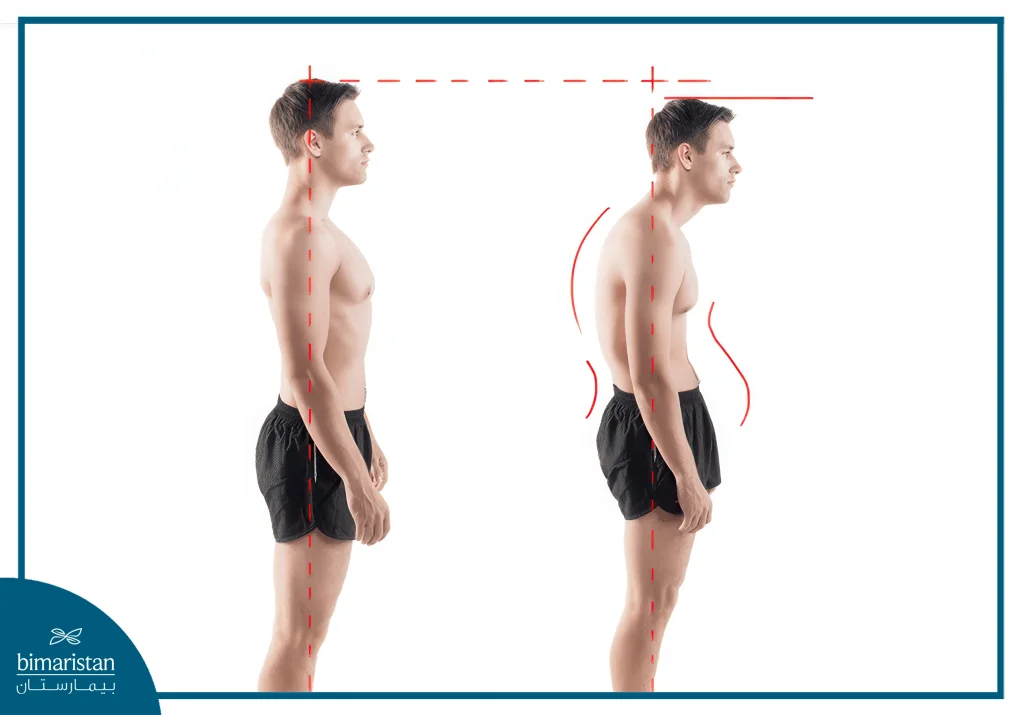
Kyphosis is a condition in which the curvature of the thoracic spine exceeds the normal limit, resulting in an excessive curvature of the upper back. A slight forward curvature of the spine is normal, but if it exceeds 40 degrees, it is called kyphosis, which can visibly change the back’s shape and cause a bulge in the upper back.
Kyphosis differs from scoliosis, which causes a lateral curvature of the spine, making it crooked. Kyphosis is often diagnosed in adolescents during a period of rapid growth, often appearing in youth, and is more common in females than in males. With age, the likelihood of developing kyphosis increases, and it is estimated that about 20% of people over the age of 60 have varying degrees of scoliosis.
Types of kyphosis
There are several types of kyphosis that differ in causes and treatment methods. Here are three main types of kyphosis:
Posture kyphosis
This type is the most common and is often seen in teenagers due to improper sitting posture or excessive bending. The kyphosis in this type is usually painless, but it can affect a person’s appearance. Long-term poor posture can cause the muscles and ligaments that support the vertebrae to tighten, resulting in a curved back.
Schwermann’s kyphosis
This type is more common in males during puberty. This type is characterized by the wedge-shaped vertebrae, which lead to excessive curvature of the spine. This type of kyphosis can cause severe pain, especially during daily activities or prolonged standing.
Congenital kyphosis
This type is the least common and occurs when there is an abnormality in the development of the spine during pregnancy. This defect causes the vertebrae to fuse together instead of separating normally, and this type often needs early surgical treatment to prevent the condition from worsening.
Causes of kyphosis
The causes of kyphosis vary depending on the type and circumstances of each case, and the most common causes of back curvature include the following:
- Compression fractures: This type occurs as a result of injury to the vertebrae, especially in the elderly, which leads to the collapse of the vertebrae and their pressure on each other. This is one of the most common causes of back curvature among adults, especially in the presence of osteoporosis.
- Degenerative arthritis: Deterioration of joint cartilage and vertebrae can occur with age, causing deformities in the spine and thus increasing curvature.
- Ankylosing spondylitis: A disease that causes inflammation in the joints between the vertebrae, leading to increased curvature of the spine.
- Muscular dystrophy: This genetic disorder leads to muscle weakness, including the muscles responsible for supporting the spine.
- Tumors in the spine: A tumor, whether benign or malignant, can put pressure on the spine and increase the curvature of the back.
Symptoms of kyphosis
Symptoms of kyphosis range from outward appearance to other physical effects. In mild cases, a noticeable hump or curvature in the upper back without pain. In more severe cases, the patient may experience additional symptoms such as:
- Pain and stiffness in the back and shoulders
- Extreme fatigue due to constant strain on the muscles
- Mild numbness and tingling in the legs due to pressure on the spinal nerves
- Shortness of breath due to the effect of curvature on the lungs and bronchi
- Problems with balance and difficulty standing upright
Diagnosis of kyphosis in Turkey
The diagnosis of kyphosis is mainly based on a physical examination of the spine, where the doctor asks the patient to do some exercises to test the balance and flexibility of the spine. One common test is to ask the patient to lie on their back on a flat surface to check for curvature.
If the spine retracts when lying down, the curvature is non-structural. If the spine remains curved, there is a structural curvature that needs to be treated. In cases of severe curvature, your doctor may recommend additional tests such as X-rays or MRIs.
Kyphosis Treatment in Turkey
Kyphosis is a common condition that ranges from mild to severe, and the way it is treated depends on the underlying cause and the progression of the condition. In most cases, kyphosis does not require surgery, especially if it is mild, but in certain cases, kyphosis treatment may be necessary to prevent the curve from worsening and relieve associated symptoms.
Postural correction and postural kyphosis treatment
When back curvature is caused by poor posture, the condition can be improved simply by correcting posture while sitting, standing, and walking. Doctors recommend training patients to maintain an upright posture, along with exercises to strengthen the back and abdominal muscles that help treat back curvature, improve alignment, and prevent the progression of curvature.
Non-surgical kyphosis treatment
There are some non-surgical ways to treat kyphosis:
Painkillers and exercise
In cases of mild to moderate back curvature, symptoms can be controlled with pain relievers such as ibuprofen or paracetamol. In addition, regular exercise that strengthens the back and core muscles, such as yoga and certain physiotherapy exercises that aim to improve the flexibility of the spine and relieve pressure on the vertebrae, is recommended.
Braces (back brace)
Braces are used in some cases, especially in adolescents who are still growing, as they help prevent back curvature from worsening during the period of bone growth. The brace is worn for a certain number of hours a day and is often effective in minimizing the progression of the curve. Although wearing braces can be uncomfortable at first, most patients get used to them after a while, especially with newer designs that offer greater comfort.
Physiotherapy
Physical therapy is an essential part of kyphosis treatment, helping to improve posture and strengthen the muscles that support the spine. Physical therapy includes stretching, posture-correcting exercises, and therapeutic techniques that help reduce pain and increase range of motion.
Medications to treat osteoporosis
In some cases, the curvature of the back may be related to osteoporosis, leading to compression fractures that exacerbate the issue. In this case, bone-strengthening medications can be used to prevent further fractures and thus minimize the progression of the curve.
Kyphosis treatment Surgery
Surgery is an effective option for hunchback treatment when non-surgical methods are insufficient to correct posture and reduce pain. The procedure aims to adjust the arc angle of the spine and stabilize the vertebrae, and is an essential part of the hunchback treatment plan for severe cases:
- Anesthesia and preparation: The medical team begins by fully anesthetizing the patient, preparing and sterilizing the surgical area, to ensure the safety of the procedure.
- Opening the surgical area: The surgeon makes an incision in the back to access the affected vertebrae, sparing the surrounding nerves and tissues to ensure the patient’s safety during hunchback treatment.
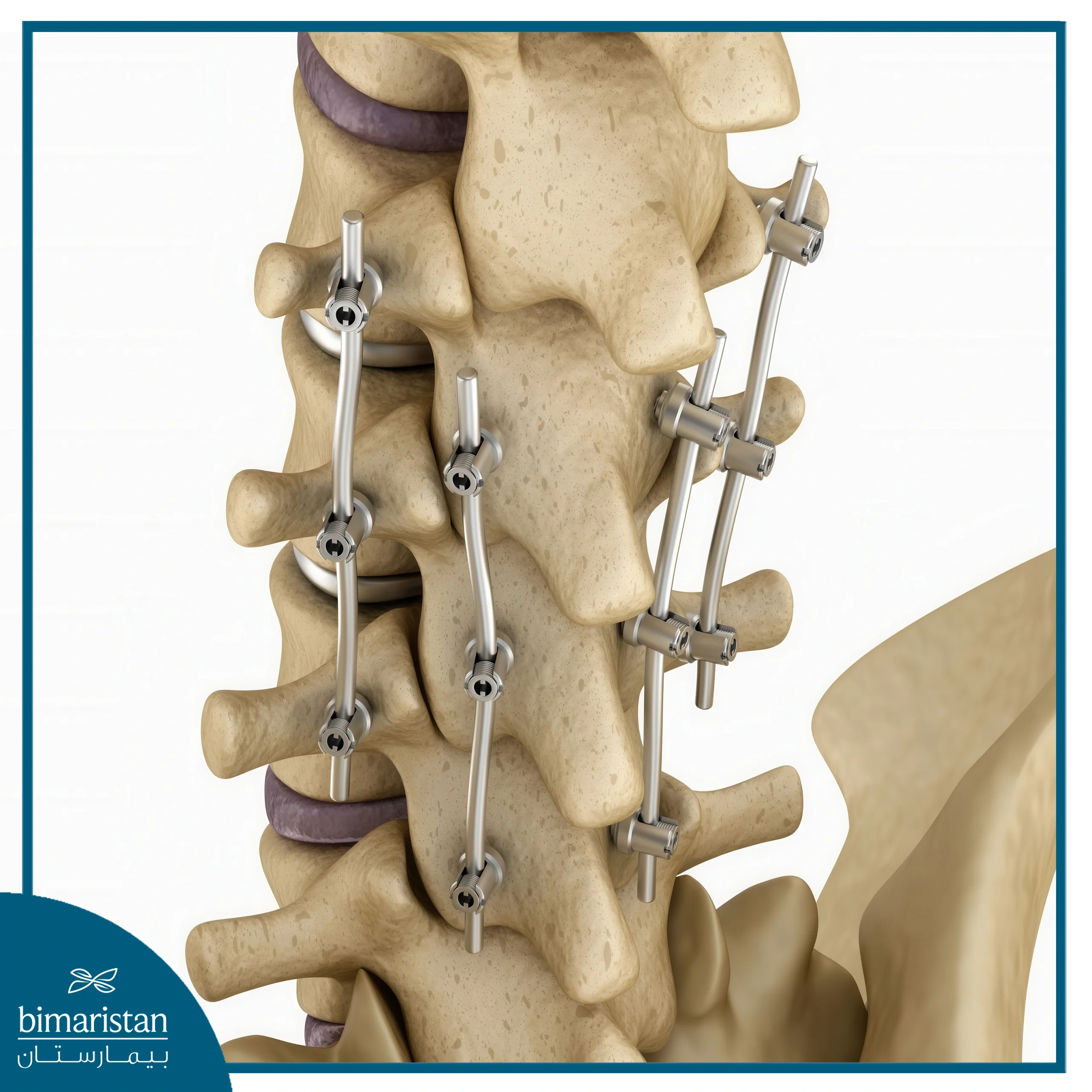
- Stabilization of the vertebrae: Metal screws and plates are used to stabilize the vertebrae in the correct position, which supports the spine and helps correct a hunchback.
- Arc angle correction: The surgeon gradually adjusts the vertebrae to reduce curvature and normalize posture, and the nerves are monitored during the procedure as part of the steps to safely treat a hunchback.
- Stability check and incision closure: After stabilization and adjustment, the spine is checked for stability, the incision is closed with stitches and bandages, and the patient is transferred to recover and follow the post-operative kyphosis treatment program.
Post-surgery for kyphosis
After kyphosis treatment surgery, the patient goes through an important recovery period that requires adherence to the doctor’s instructions and regular follow-up. Typically, the patient needs relative rest during the first few weeks, avoiding sudden movements or heavy lifting. Light therapeutic exercises will help strengthen the back and abdominal muscles and support the spine after surgery. In some cases, supportive belts are recommended to stabilize the spine and relieve pressure on the vertebrae. Adhering to the post-operative treatment plan and optimizing daily posture will help speed recovery, reduce pain, and ensure sustainable results of the surgery.
Possible complications of surgery
Despite the success of surgery in correcting kyphosis, some potential complications may occur, and it is important to recognize them in order to monitor and prevent them:
- Infection: An infection may occur at the site of the procedure, which can manifest as redness, swelling, or discharge. Following your doctor and using antibiotics when needed can minimize the risk.
- Neurological problems: These include numbness, tingling, or weakness in the limbs due to affected nerves near the spine, and often improve gradually with physical therapy.
- Dysfunctional fixation: In rare cases, the joints or screws used to stabilize the spine may partially shift, necessitating additional evaluation and possibly corrective intervention.
- Delayed bone healing: In some cases, the process of bone fusion may be delayed after stabilization, requiring regular follow-up and possibly modification of the treatment plan.
Treatment of Scheuermann’s kyphosis
The treatment of Scheuermann’s kyphosis is somewhat controversial and depends on many factors, such as the patient’s age, gender, severity of the curvature, and flexibility. If possible, the deformity is treated non-surgically. One option is splinting or bracing. Bracing aims to properly direct the growth of the vertebrae to correct the shape of the spine, and bracing is only successful in straightening the spine in patients who are still growing. This method is thought to work by decompressing the front half of the vertebra, allowing bone growth in the front to catch up with bone growth in the back.
In older patients, braces can be used to support the spine and relieve pain but will not actually change their curvature, while in younger patients, if they continue to wear the brace, the deformity is often corrected within two years, as it allows the spine to reshape and correct the growth of the spine.
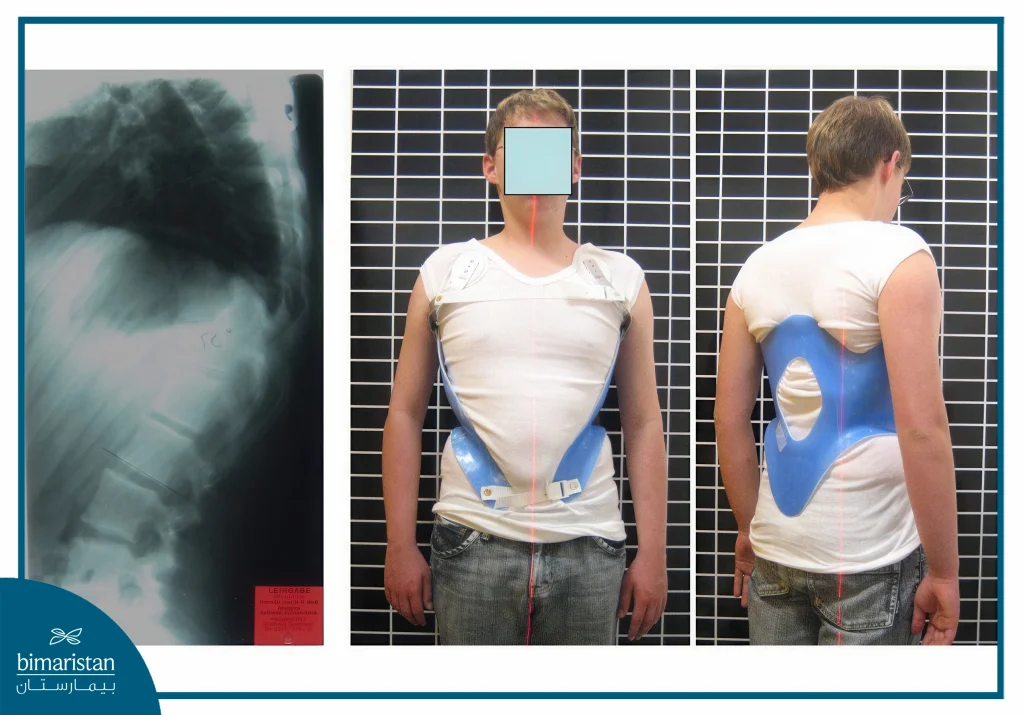
Surgery to treat Scheuermann’s kyphosis
Surgery is usually only effective if the kyphosis exceeds 75 degrees when measured by X-ray. Any angle less than 75 degrees is usually treated with orthotics; surgery is performed for cosmetic reasons, but due to the risk of surgery and its effect on the spine, it is usually not recommended.
Scheuermann kyphosis correction surgery usually consists of two spinal fusions, one at the front of the spine and one at the back of the spine, rarely only the back fusion is sufficient due to the severity of the curvature. This is an operation with many potential complications.
Preventing a curved back
To prevent back curvature from occurring or worsening, some preventive measures are recommended, such as:
- Avoid carrying heavy weights incorrectly
- Maintain good posture when sitting and standing
- Strengthen your back and abdominal muscles through exercise
- Use comfortable backpacks while carrying books and daily necessities
Kyphosis treatment includes non-surgical methods such as therapeutic exercises and physiotherapy, while severe cases require a precise surgical procedure. The development of kyphosis treatment techniques in recent years has made operations safer and more accurate, while reducing the recovery period and improving the expected results for the patient compared to the past.
Turkey has become one of the most prominent countries in performing back curvature surgery, thanks to advanced hospitals and a distinguished medical team, which provides high chances of success and careful follow-up after the operation. Adherence to the treatment plan and regular follow-up after surgery is necessary to maintain the stability of the spine and improve overall posture. Daily prevention and continuous exercises contribute to strengthening the muscles and supporting the spine, making kyphosis treatment more effective, improving the quality of life, and restoring the patient’s self-confidence.
Sources:
- National Library of Medicine. (n.d.). Kyphosis. MedlinePlus.
- Lam, J. C., & Mukhdomi, T. (2025). Kyphosis. In StatPearls . StatPearls Publishing.
- O’Donnell, J. M. (2023). Scheuermann kyphosis: current concepts and management. Journal of Clinical Medicine,