
.floating_btn{ display:none !important; } .println-contact-form-button-element{ display:none !important; }
Bone tuberculosis is considered a relatively rare form of extrapulmonary tuberculosis, yet its clinical significance remains substantial due to the serious complications that can result from delayed diagnosis and treatment. The greatest challenge lies in its symptoms being often subtle in the early stages, making early detection crucial to minimize permanent damage.
Bone tuberculosis refers to the infection of bones by Mycobacterium tuberculosis, the same bacterium responsible for pulmonary tuberculosis. Historically, the disease has been known as “Pott’s disease,” particularly when it affects the spine. Although its incidence is lower compared to pulmonary tuberculosis, bone tuberculosis continues to pose diagnostic and therapeutic challenges for healthcare providers worldwide.
Bone tuberculosis is inherently contagious and serious, but can be successfully prevented and treated with early diagnosis and appropriate therapeutic protocols.
Consulting specialists in respiratory diseases and relevant medical fields is a necessary step to ensure accurate diagnosis and the development of an effective treatment plan, particularly when symptoms such as bone deformities or neurological symptoms from nerve compression are present.
What is bone tuberculosis?
Tuberculosis is a highly contagious bacterial disease caused by Mycobacterium tuberculosis and is one of the leading causes of death worldwide, ranking among the top ten fatal diseases. Although tuberculosis primarily affects the lungs, it can spread through the circulatory and lymphatic systems to infect other organs such as the kidneys, digestive system, brain, skin, and skeletal system.
The skeletal form of this disease is known as “bone tuberculosis” or “osseous tuberculosis” and represents a type of extrapulmonary tuberculosis (EPTB). This form is characterized as a chronic disease mainly affecting bones and joints, leading to the formation of tuberculous foci, surrounding soft tissue swelling, and persistent, severe pain.
While bone tuberculosis is relatively rare, its clinical danger lies in its difficulty in early detection and the potential for permanent damage to bones and joints. The spine is the most commonly affected site; however, the infection can affect any bone in the body, including long bones and joints. The thoracic and lumbar vertebrae are particularly susceptible, leading to serious complications such as spinal deformity and compression of spinal nerves.
Classifications and types of bone tuberculosis
Bone tuberculosis encompasses a wide range of infections depending on the location within the skeletal system. It is considered one of the most common forms of extrapulmonary tuberculosis. Different patterns of the disease emerge depending on the affected organ, with varying symptoms and severity of clinical complications. These include:
- Spinal tuberculosis (Pott’s Disease): This is the most common form, accounting for about half of musculoskeletal tuberculosis cases. The infection typically begins in the anterior portion of the vertebral body. It spreads to adjacent vertebrae and intervertebral discs, leading to bone destruction, spinal deformity (such as kyphosis), and spinal cord compression.
- Tuberculous arthritis: The second most common form of bone tuberculosis, it can affect any joint, but most commonly involves large joints, such as the hip and knee. It typically begins as synovitis with joint effusion and progresses to cartilage and bone destruction.
- Extrapulmonary tuberculous Osteomyelitis: This occurs when the infection affects non-vertebral bones such as long bones (e.g., femur and tibia) and flat bones (e.g., sternum and pelvis). It often begins at the metaphysis, leading to bone destruction, cold abscess formation, and sometimes the release of bone debris.
- Less common forms include tuberculous tenosynovitis, bursitis, and myositis.
Causes of bone tuberculosis
Bone tuberculosis is relatively rare, but its prevalence has increased over recent decades, especially in developing countries with the spread of HIV/AIDS. It results from infection with Mycobacterium tuberculosis, transmitted through airborne droplets from individuals with pulmonary tuberculosis. After primary infection, the bacilli spread through the bloodstream to the bones and joints, favoring areas with a rich blood supply, such as the vertebrae and long bones, where they may remain dormant before reactivating.
Although bone tuberculosis is not transmitted directly through the air like pulmonary tuberculosis, prolonged contact with infectious fluids, such as pus, can introduce the bacteria into the bloodstream. The risk of developing the disease increases with factors such as weakened immunity (e.g., due to HIV/AIDS), malnutrition, vitamin D deficiency, head and neck malignancies, immunosuppressive therapies, or chronic illnesses like advanced renal failure and diabetes.
Children under sixteen and the elderly are more vulnerable due to weaker immune systems. Furthermore, the absence of BCG vaccination and genetic predisposition also contribute to increased susceptibility. Because the infection often progresses silently and slowly, early diagnosis and immediate treatment are critical to prevent severe skeletal complications.
Symptoms of bone tuberculosis
Bone tuberculosis may initially present without apparent symptoms, especially if the infection begins latently in the lungs and later spreads to the bones without being noticed. Symptoms typically develop gradually over months or even years, making early diagnosis particularly challenging. Early nonspecific symptoms include general fatigue, low-grade fever, night sweats, and unexplained weight loss, which are common to various forms of tuberculosis.
As the disease progresses and involves bones and joints, localized symptoms emerge, most notably chronic, persistent pain in the affected bone or joint that worsens over time.
Severe back pain is an early indicator of spinal tuberculosis, while wrist bone pain can lead to carpal tunnel syndrome. Noticeable soft tissue swelling over the infected bone often develops, sometimes accompanied by the formation of an abscess. With ongoing infection, patients experience joint stiffness, reduced range of motion, tenderness, and sometimes warmth over the affected area due to local inflammation.
If left untreated, serious life-threatening complications occur, including bone deformities (particularly spinal kyphosis), paraplegia due to spinal cord compression or cauda equina syndrome, and limb shortening in children due to damage to bone growth centers. Muscle atrophy, loss of muscle mass, and enlarged regional lymph nodes can also occur. Secondary infections, such as tuberculous meningitis and tuberculous aneurysms, though rare, represent severe complications.
Diagnosis of bone tuberculosis
The diagnosis of bone tuberculosis is a complex process that requires the concerted efforts of clinical examination, imaging studies, laboratory analyses, and histological investigations, due to the insidious nature of the disease and its slow progression.
Diagnosis usually begins with a comprehensive clinical evaluation, during which the physician obtains a detailed medical history, looking for persistent symptoms such as joint pain, swelling, stiffness, and soft tissue enlargement, while ensuring the presence of previous exposure to tuberculosis, a history of infection, or any underlying risk factors.
Following the clinical examination, imaging studies are employed as a pivotal step in diagnosis. X-rays are considered the primary tool for detecting bone changes such as erosion or deformities; however, computed tomography (CT) provides more detailed information regarding bone destruction and joint structure.
Magnetic resonance imaging (MRI) is the most sensitive in detecting early changes in both bone and surrounding soft tissues, aiding in the assessment of disease spread.
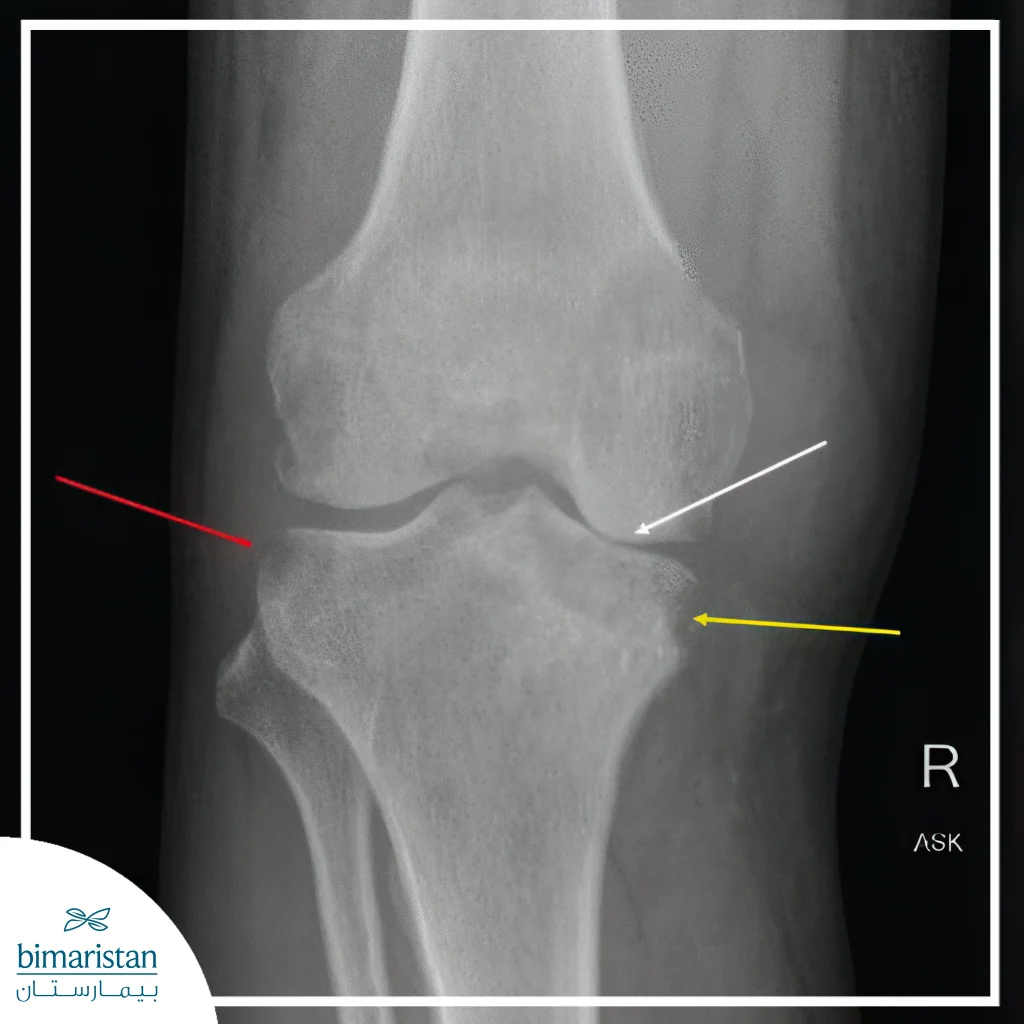
Diagnostic procedures are complemented by laboratory tests, including the tuberculin skin test (Mantoux test), where a small amount of tuberculin is injected under the skin.
The inflammatory response is monitored after 48 to 72 hours, in addition to interferon-gamma release assays (IGRAs), which are more specific in identifying tuberculosis infection by measuring the immune response. General blood tests, such as complete blood count (CBC), erythrocyte sedimentation rate (ESR), and C-reactive protein (CRP), are also conducted to detect signs of inflammation and active infection.
Microbiological tests play a crucial role in culturing blood, sputum, or various body fluids (such as pleural fluid, synovial fluid, or cerebrospinal fluid) to search for Mycobacterium tuberculosis.
Culturing pathogenic bacteria from obtained samples is considered the “gold standard” for confirming the diagnosis. If further confirmation is needed, polymerase chain reaction (PCR) can be used to detect bacterial DNA with high accuracy, even in small quantities.
In suspicious or complicated cases, a biopsy of the affected bone or joint may be performed, with histological and microbiological analysis of the sample to directly detect tuberculosis bacteria and identify the nature of tissue changes caused by the infection.
Diagnosis is concluded with the analysis of body fluids when abnormal accumulations such as pleural or synovial effusions are present, providing additional indicators of infection spread. Overall, the diagnosis of bone tuberculosis requires a multidisciplinary approach involving physicians, radiologists, and laboratory scientists to ensure diagnostic accuracy and initiate early treatment, thereby preventing serious complications and significantly improving patient outcomes.
Treatment of bone tuberculosis
The primary treatment of bone tuberculosis relies on long-term anti-tuberculosis medications, sometimes combined with surgical intervention in severe cases.
Pharmacological treatment
Treatment typically lasts from 6 to 18 months. In complex cases or infections in hard-to-reach areas, such as the spine, therapy may extend up to 24 months. Common drugs include:
- Isoniazid (INH): May cause serious liver toxicity (nausea, vomiting, abdominal pain, jaundice, dark urine) and peripheral neuropathy (tingling or numbness); thus, vitamin B6 supplementation is recommended. Rarely, it may induce psychiatric symptoms like mood swings or psychosis.
- Rifampicin (RIF): Also hepatotoxic, it induces liver enzymes, potentially reducing the effectiveness of drugs like contraceptives and antivirals. Allergic reactions, such as rashes or fever, may occur.
- Pyrazinamide (PZA): Associated with milder liver toxicity, gastrointestinal upset (nausea, loss of appetite), and joint pain due to elevated uric acid levels.
- Ethambutol (EMB): May cause optic neuropathy leading to visual changes and color vision disturbances, as well as skin rashes.
Pharmacological treatment of tuberculosis is effective, but can lead to several complications that require careful attention. Management of side effects depends on the severity of symptoms; in mild cases, adjusting the method of drug administration may be sufficient, whereas severe cases may necessitate discontinuation of the drug and consultation with a specialist.
Regular monitoring of liver and kidney function, as well as visual acuity, is essential to ensure treatment safety. Furthermore, it is crucial to educate patients about the expected side effects and the importance of reporting any new symptoms. Patients should be reassured that some effects, such as discoloration of bodily fluids with rifampicin, are typical and not a cause for concern. Overall, close monitoring and a prompt response to any complications significantly contribute to successful treatment outcomes.
Monitoring Effectiveness:
- Tracking decreases in ESR.
- Observing clinical improvement (pain relief and restored mobility).
- Imaging follow-up (X-rays or MRI) to assess healing of lesions.
Treatment of resistant or complex cases:
- Second-line drugs, such as aminoglycosides (streptomycin, amikacin), are used, although they carry risks including hearing loss, tinnitus, and kidney damage.
- Fluoroquinolones, such as levofloxacin and moxifloxacin. They may cause gastrointestinal disturbances and tendon-related problems.
- Capreomycin may also be used and has side effects similar to aminoglycosides.
- Corticosteroids may be added to reduce inflammation around the spinal cord or cardiac membranes.v
Surgical intervention
Surgical intervention becomes necessary in some instances of bone tuberculosis, such as the presence of large abscesses, nerve compression, spinal instability, or severe joint destruction. Surgery is also considered when medical treatment fails to improve the condition or adequately control pain.
The types of surgical procedures used to restore bone function and relieve symptoms include laminectomy, which aims to remove part of the bone to relieve pressure on the spinal cord. Arthrodesis may also be performed, involving the permanent fusion of the affected joint bones to improve joint stability and reduce pain. Other procedures include bone grafting, where bone segments are taken from different body parts to repair damage caused by infection. In some cases, internal fixation is also utilized through the use of metal plates and screws to support and stabilize the affected bones during the healing process.
Supportive care
Rest plays a vital role during the acute phases of the disease, relieving pressure on the affected bones. Once the condition stabilizes, gradual initiation of physical therapy is recommended to restore normal movement and prevent stiffness from developing. Nutritional support is also essential for enhancing healing, with a focus on meals rich in protein and vitamins to strengthen the immune system. Additionally, ensuring an adequate intake of vitamin D and calcium is crucial for promoting bone strength.
Continuous care also requires close medical monitoring, including regular blood tests to monitor liver function, primarily due to the side effects of certain tuberculosis medications. Periodic examinations are also conducted to ensure the efficacy of treatment and prevent relapses.
Prevention of bone tuberculosis
Since bone tuberculosis results from a chronic bacterial infection that can be transmitted from one person to another, prevention remains the cornerstone in limiting its spread, particularly among high-risk groups. The BCG (Bacillus Calmette-Guérin) vaccine is one of the most important means of protection and is usually administered to newborns in countries with a high prevalence of the disease. This vaccine provides good protection against severe forms of tuberculosis, particularly meningeal and skeletal tuberculosis in children, although its efficacy is slightly lower in adults.
In addition to vaccination, adopting preventive behaviors is necessary to limit the transmission of infections. It is advisable to avoid crowded and poorly ventilated areas, especially when active tuberculosis cases are present, and to wear medical masks when necessary. Adhering to daily hygiene habits, such as regular hand washing and covering the mouth and nose when sneezing or coughing, is also essential. Moreover, quitting smoking and reducing alcohol consumption help boost immune capacity and resistance to infection.
Early detection and continuous follow-up play a crucial role in prevention, as they involve conducting regular screenings for high-risk individuals and treating latent infections before they progress to active disease. Furthermore, full adherence to prescribed treatment regimens and doctors’ instructions contributes to complete recovery and prevents the emergence of drug-resistant strains.
In conclusion, it is worth noting that Bimaristan Hospital in Turkey is recognized as one of the leading medical centers for diagnosing and treating bone tuberculosis cases. Thanks to its specialized medical team and extensive experience, the hospital offers the latest therapeutic protocols in both medical and surgical treatment, along with rehabilitation programs and nutritional support for patients. The hospital is also distinguished by providing precise follow-up services and periodic examinations to ensure patients’ response to treatment and prevent complications. This comprehensive approach makes Bimaristan an ideal destination for patients seeking advanced and integrated medical care for bone tuberculosis.
References:
- Bones and Joints Tuberculosis. Haider Abdul-Lateef Mousa MB ChB, MSc
- Tuberculosis of the spine. A FRESH LOOK AT AN OLD DISEASE. From the University College of Medical Sciences, Delhi, India
- Spinal Tuberculosis: Diagnosis and Management. Mohammad R. Rasouli, Maryam Mirkoohi, Alexander R. Vaccaro, Kourosh Karimi Yarandi, Vafa Rahimi-Movaghar
- Spinal tuberculosis: A review. Ravindra Kumar Garg, Dilip Singh Somvanshi