
Plantar fasciitis is one of the most common causes of heel pain and typically affects people who spend long periods standing or walking; it can also affect athletes due to repeated stress on the foot.
Estimates suggest that about 10% of people may develop this condition at some point in their lives, making it a widespread health issue that affects quality of life and daily activities; therefore, patients should not ignore it and should seek treatment as soon as possible.
What is plantar fasciitis?
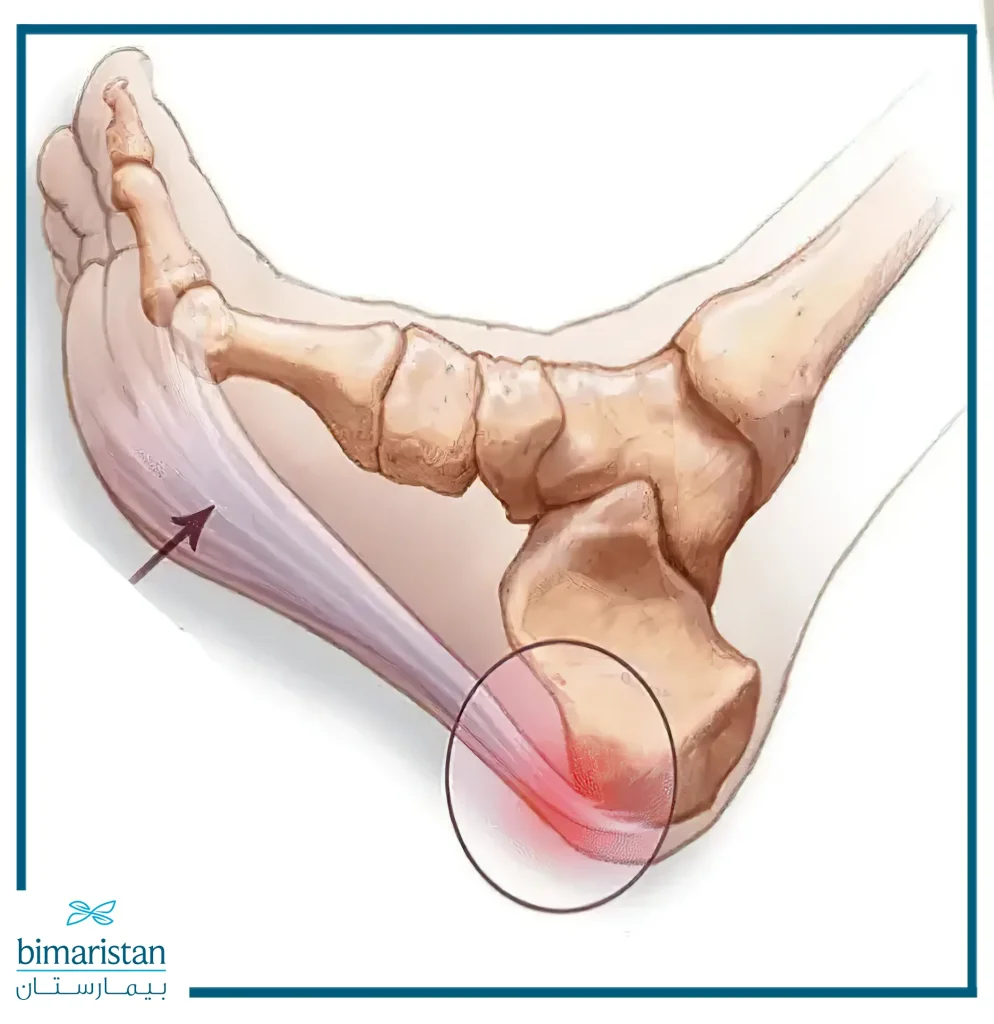
The worst kind of pain is the kind that restricts a person’s movement and prevents them from performing their daily tasks. Plantar fasciitis causes severe pain on the bottom of the foot, near the heel, preventing the patient from walking. Under the skin, the sole of the foot consists of a thick fatty pad that helps support the body’s weight, followed by the plantar fascia, which supports the foot while walking. The plantar fascia is shaped like a broad band connecting the heel to the base of the toes. This fascia is flexible and elastic, capable of withstanding the pressure applied to it (such as body weight).
it occurs as a result of excessive strain or walking in an incorrect or uncomfortable manner, leading to tears and inflammation in the plantar fascia and causing severe pain in the sole of the foot.
Symptoms of Plantar Fasciitis
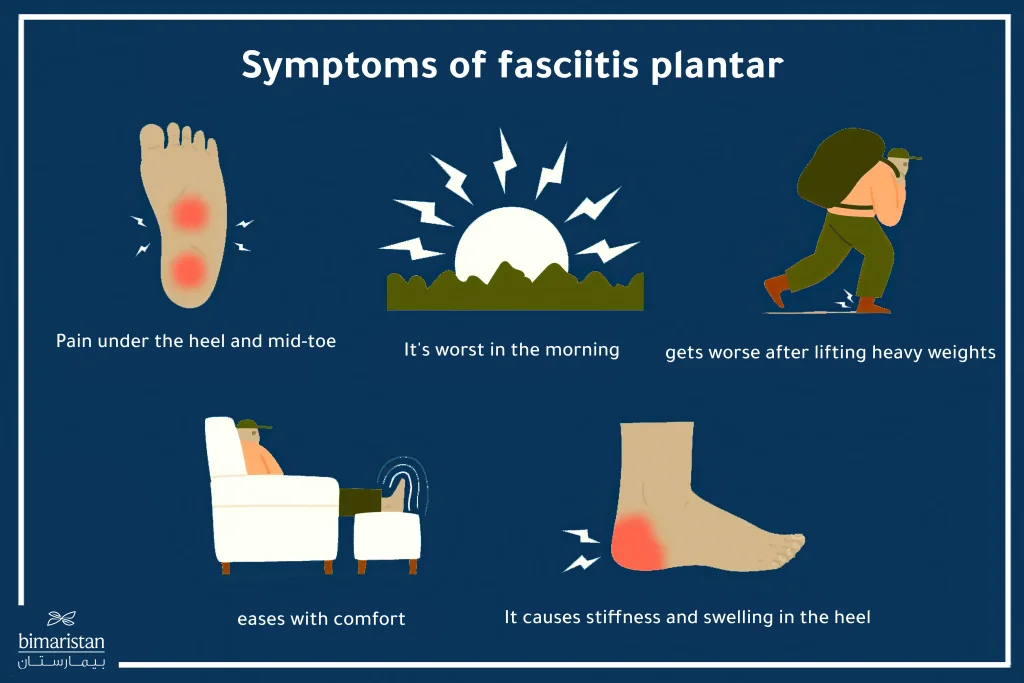
Symptoms include plantar pain, which is typically sharp in the heel area and develops gradually. It may be felt in front of the heel or in the middle of the sole, with pain extending up the heel and preventing the patient from walking. The pain of the condition is worst upon waking and with the first steps of the day, or after a long period of rest. The pain is not felt during exertion but intensifies immediately afterward when resting. It typically affects one foot, and in rare cases, both feet. Due to heel stiffness, climbing stairs becomes difficult.
Causes of Plantar Fasciitis
The main cause of pain is small tears in the supporting ligament that makes up the plantar fascia, resulting from excessive stretching and strain due to overuse. Consequently, inflammation develops at the site of these tears, causing heel pain. The presence of a bony protrusion on the foot (heel spur or calcaneal spur) has no connection to the pain of plantar fasciitis. While this was previously a common belief, it has been discovered that only a very small percentage of people with a bony protrusion in the foot experience pain, and plantar fasciitis is unrelated to it. Among the causes are the following:
- Gender: Women are more susceptible than men.
- Athletes: It is more common among them, especially marathon runners.
- Age: it is most common in people between the ages of 40 and 70.
- Weight gain: due to increased pressure on the feet and, consequently, on the heel ligament.
- Pregnancy:The condition may cause episodes of foot pain during pregnancy.
- Foot deformities: The most common conditions here are flat feet and high arches.
- Wearing shoes that are uncomfortable or do not provide arch support can place excessive pressure on the plantar fascia.
- Tight Achilles tendon: Excessive tightness can lead to plantar fasciitis.
- Occupation: Certain occupations require standing for long periods, which can lead to plantar fasciitis and heel pain due to prolonged pressure from body weight.
Diagnosis of Plantar Fasciitis
The doctor clinically diagnoses the condition by asking the patient about their symptoms and performing specific clinical examinations in the office; however, this does not preclude ordering imaging tests, such as X-rays, to rule out fractures or bone spurs, which can cause pain similar to the heel pain associated with plantar fasciitis. Sometimes we may need an ultrasound or MRI to detect thickening of the fascia and confirm the diagnosis of plantar fasciitis if we are initially unsure of the diagnosis.
Treatment of Plantar Fasciitis
Tears in the plantar fascia—which cause plantar fasciitis and heel pain—are often treated at home using conservative methods. In chronic cases, more aggressive measures may be necessary, and surgery can be performed in Turkey for cases that do not respond to conventional treatment.
Conservative treatment
This is a home treatment for plantar fasciitis that does not require a doctor; it is considered the primary treatment, whether used in combination with other treatments or on its own, and includes the following:
- Rest: This is the most important aspect of treating heel pain in patients with plantar fasciitis, as it allows the tears in the fascia or tendons to heal by reducing pressure on them. Walking and increased pressure on the area worsen the tear and cause further inflammation of the tissue in the sole of the foot.
- Medical shoes: It is very important to wear shoes with soles that support the arch of the foot, as this reduces pressure on the plantar fascia and allows it to heal.
- Braces, splints, or compression stockings: Certain braces can be worn to support the arch of the foot and relieve the patient of the pain caused by plantar fasciitis.
- Ice packs: These may help relieve heel pain caused by plantar fasciitis. Apply them 4 times a day for 15 minutes each.
- Pain relievers: The most common of these are nonsteroidal anti-inflammatory drugs (NSAIDs), such as ibuprofen.
Plantar fasciitis should heal within a few months with home remedies and rest.
Non-surgical Treatment of Plantar Fasciitis
This is the next step in treatment if conventional treatment for plantar fasciitis has failed more than once to relieve pain in the sole of the foot and alleviate the patient’s heel pain.
Physical Therapy
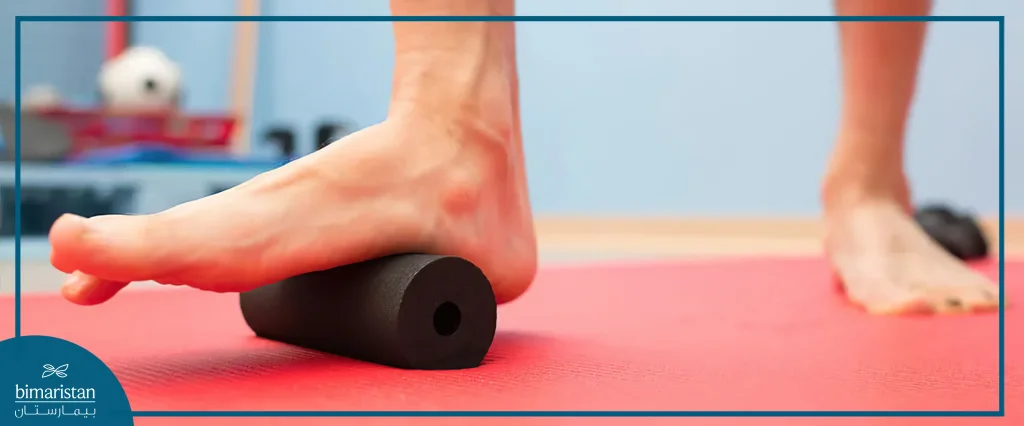
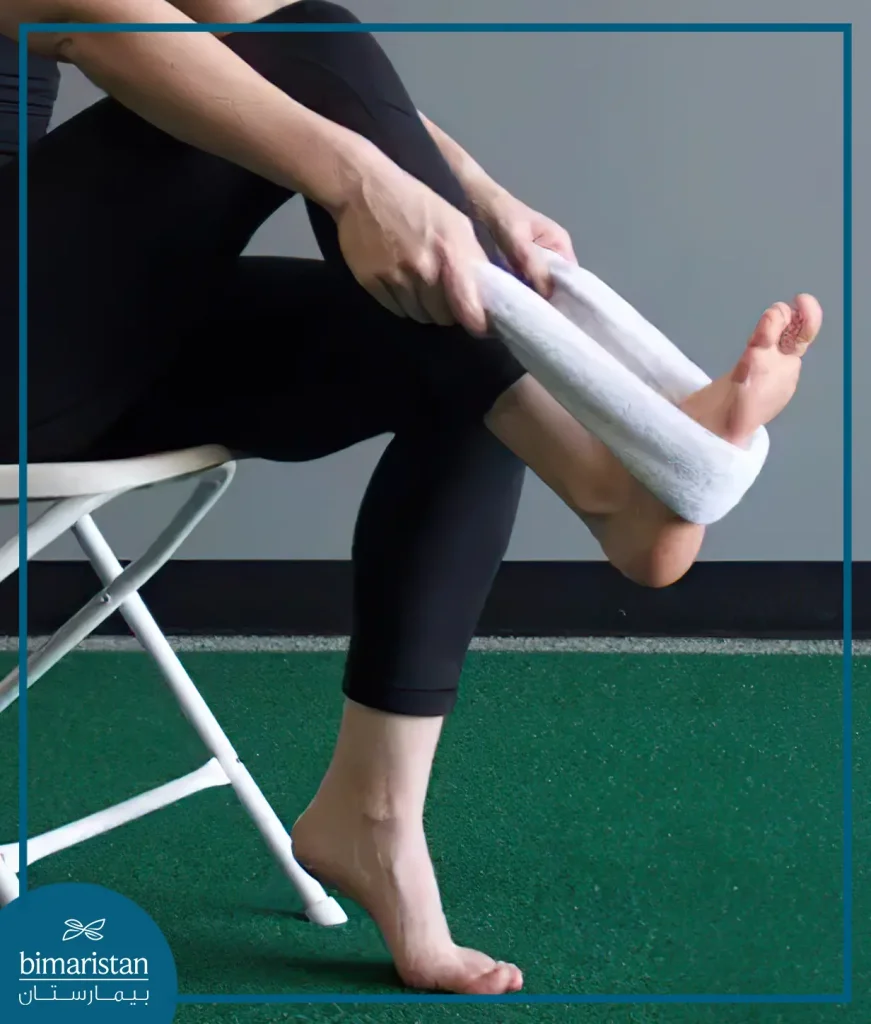
Physical therapy in Turkey involves a series of exercises supervised by specialists to relieve pain and prevent its recurrence. This is achieved by strengthening the muscles and ligaments in the leg and the sole of the foot through exercises prescribed by the doctor based on the patient’s condition. These exercises stretch the Achilles tendon, thereby reducing tension on the plantar fascia, which minimizes tears in the affected ligament and prevents the return of heel pain.
Cortisone injections for the treatment of plantar fasciitis
A cortisone injection into the site of the pain helps relieve it. The injection is guided by ultrasound to ensure it is administered in the correct location in the heel. Repeated injections are not recommended, as they may cause tears and damage to the plantar fascia.
Shockwave Therapy in Turkey
The treatment involves directing sound waves (similar to ultrasound) to stimulate cell growth and heal ligament tears in the patient’s heel, thereby providing relief from heel pain.
The doctors at Bimaristan Medical Center will determine the appropriate treatment plan for your condition based on your symptoms and their severity. Contact us to receive the best treatment for plantar fasciitis and heel pain.
Surgical Treatment for Plantar Fasciitis in Turkey
If a patient has experienced pain at the bottom of the foot near the heel due to plantar fasciitis for 6 to 12 months and has adhered to previous treatments (conventional and non-surgical), then surgery should be considered as the final solution for plantar fasciitis. There are several types of surgery available to treat heel pain in patients with plantar fasciitis, but the two most important procedures are: hamstring lengthening and plantar fascia release.
Gastrocnemius Recession
If a patient with plantar fasciitis has difficulty bending their foot in addition to heel pain, this procedure is appropriate for them. Surgical lengthening of the muscle and tendon reduces tension on the plantar fascia, thereby providing relief from pain. This procedure has proven highly successful for many patients.
Plantar Fascia Release
This procedure is performed either through open surgery or arthroscopically. During the procedure, the surgeon separates the plantar fascia from the heel bone, thereby relieving the tension on it and allowing the ligament to heal, in addition to treating the patient’s heel pain. This procedure may have side effects from cutting the fascia, so treatment will be tailored to the patient’s condition and the most appropriate procedure for them.
In conclusion, plantar fasciitis is a common medical condition among the elderly and athletes that requires careful attention and immediate treatment; choosing the right medical center in Turkey is the first step in the treatment process.
Sources: