
Tympanoplasty, or eardrum patching, is considered one of the most common surgical procedures in Turkey, and it is performed in Turkish hospitals with the best expert hands.
What is myringoplasty?
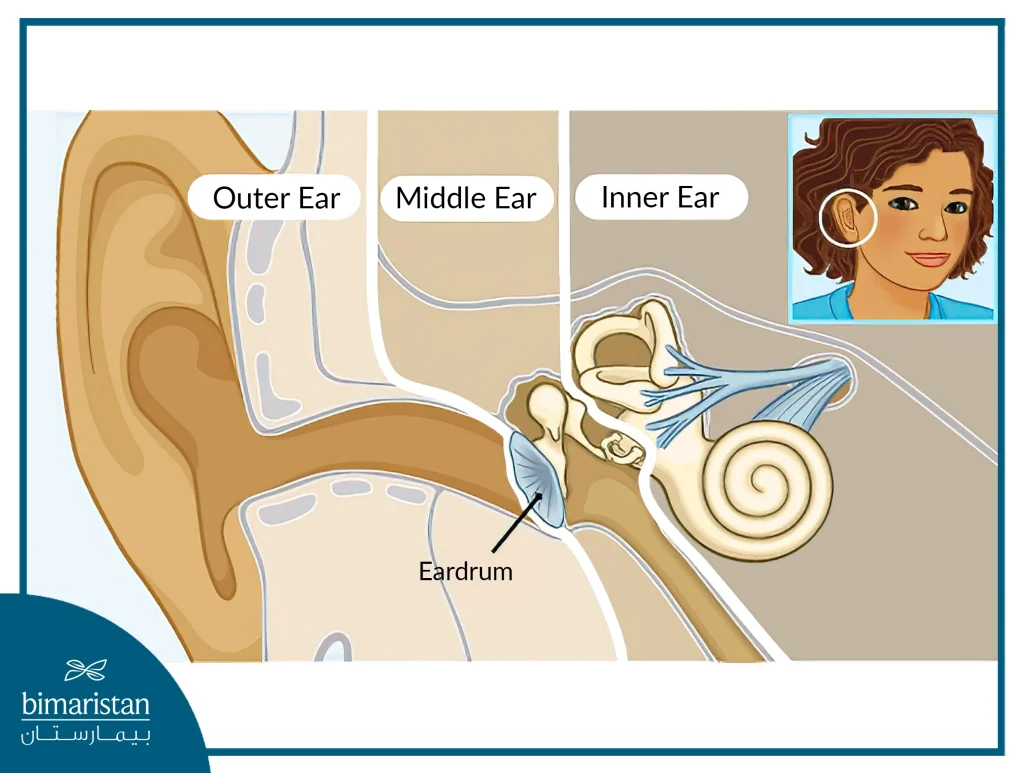
Myringoplasty is a surgical procedure to repair the eardrum (tympanic membrane). The tympanic membrane is the membrane that separates the outer ear from the middle ear. Any rupture in it due to trauma or trauma affects the quality of hearing, and the patient may have to undergo this procedure. This membrane vibrates in response to sound. With its movement, it transmits vibration to the small auditory ossicles (the malleus, anvil, and stirrups), which contributes to transmitting sound vibrations to the inner ear and improves the quality of hearing. Therefore, if it is perforated, the quality of hearing will decrease, and there will also be an impassable passage for fluids to enter the middle ear, which causes complications with unfortunate consequences.
Myringoplasty can be performed on children and adults. It repairs the hole in the eardrum and reduces the risk of further health problems such as dizziness, mastoiditis (inflammation of the bone behind the ear), and, in severe cases, permanent hearing loss.
Why is tympanoplasty performed?
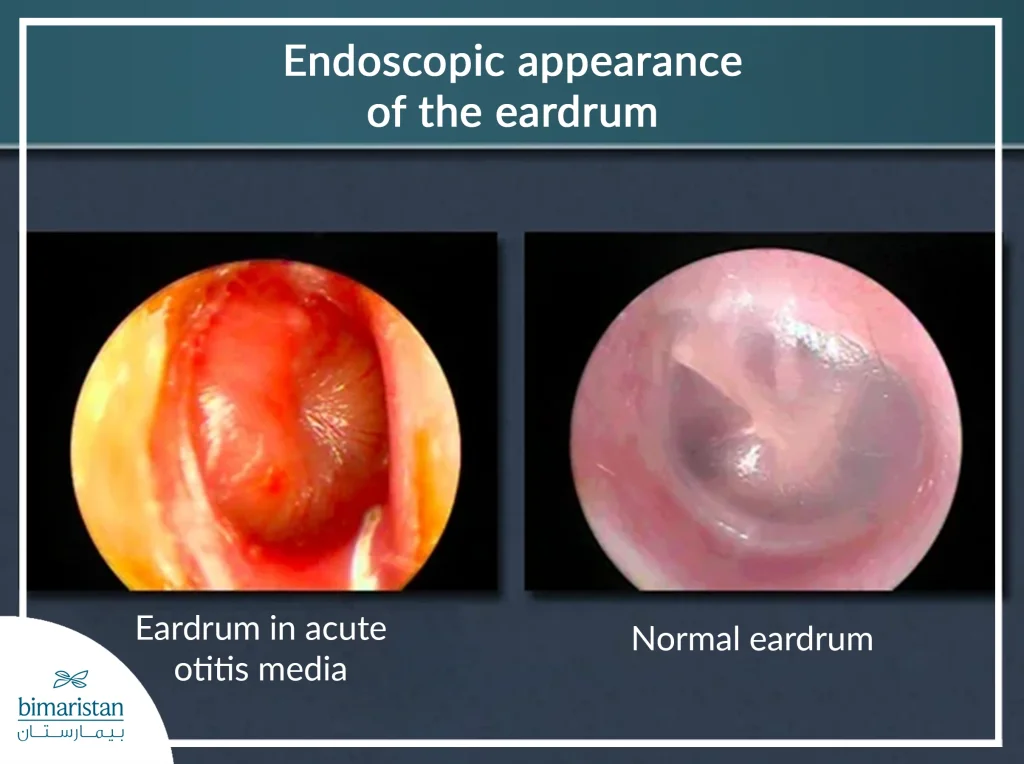
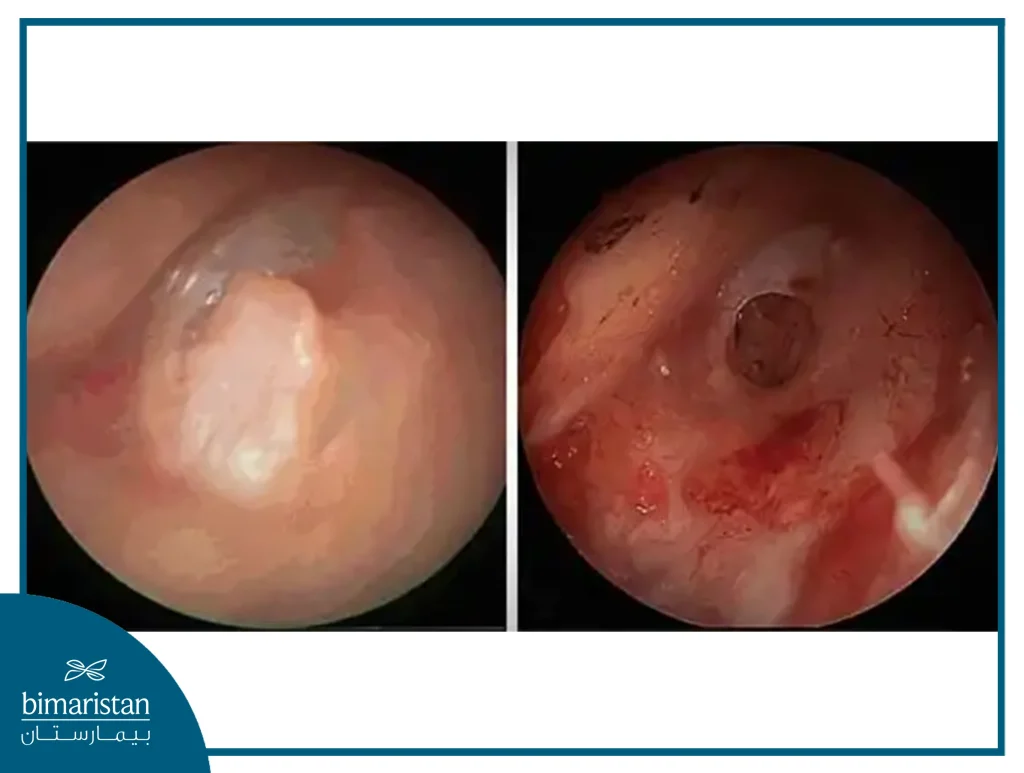
Doctors perform this procedure when the eardrum (or tympanic membrane) ruptures, forming a hole that does not close.
Tympanoplasty is performed to improve hearing and prevent water from entering the middle ear.
A hole in the eardrum occurs for several reasons, including:
- A middle ear infection that causes a rupture of the eardrum.
- An ear ventilation tube (part of the treatment for otitis media) that has fallen out or has been removed.
- Exposure to sudden loud noises.
- Severe head trauma can cause perforation of the tympanic membrane.
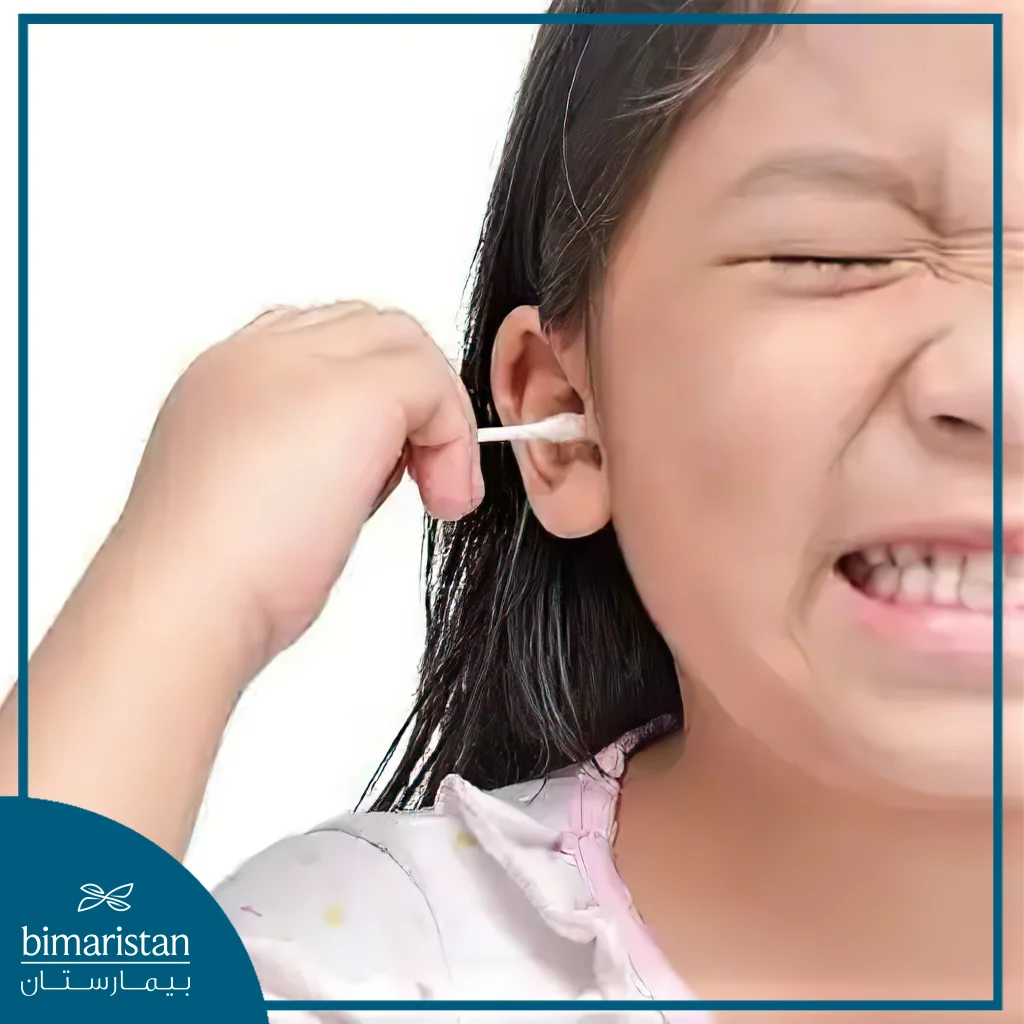
- Inserting foreign bodies into the ear, such as perforating the eardrum while cleaning the ear with cleaning sticks.
- Cholesteatoma, is a tumor inside or behind the eardrum.
Although most perforations heal spontaneously, those that persist after dry ear treatments, ear drops, or tympanoplasty should be considered for surgical repair. The eardrum can usually repair itself.
So, doctors initially closely monitor the child’s eardrum perforation (especially in the case of pediatric otitis media) instead of repairing it immediately.
They may wait years to repair a perforated eardrum in a young child. This allows the ear to grow enough to help prevent complications after surgery. We may also delay the procedure if the child has ongoing problems with ear infections.
How should we prepare for tympanoplasty?
Before this procedure, the child will undergo a hearing test. This allows doctors to compare the results with hearing tests performed after surgery.
Your healthcare provider will tell you what and when your child can eat and drink before the procedure. Your child’s stomach should be empty on the day of the procedure.
Talking about what to expect during and after tympanoplasty can help prepare your child and reduce his or her fears.
Myringoplasty procedure steps
An ear, nose, and throat surgeon will perform this procedure. Myringoplasty is performed in a hospital under general anesthesia. The anesthesiologist will carefully monitor the patient and ensure that he sleeps safely and comfortably.
During the procedure, a hole in the eardrum is patched (repaired). The tympanic patch (a graft) can be made from the patient’s tissue (cartilage) or artificial.
To keep the graft in place, the surgeon will place packing material behind and above the eardrum. This material dissolves over several weeks.
Repairing a perforated eardrum usually takes 30 minutes to two hours.
The latest studies indicate that myringoplasty is effective and has succeeded in improving hearing (albeit slightly) in the long term and eliminating the annoying symptoms of tympanic membrane perforation.
Risks of tympanoplasty
There is a very small risk of bleeding or infection after tympanoplasty. Other risks include:
- Loss of sense of taste
- Ringing in the ear
- Strange taste in the mouth
- The most common complication is the failure of the tympanic perforation to heal. Whether this occurs depends on the size and location of the perforation, the health of the ear, and the chosen method of operation.
- This condition occurs in 8% of difficult cases. Most patients can then undergo repeated tympanoplasty, which is often successful.
- Most patients experience improved hearing after successful tympanoplasty, but hearing loss may usually persist due to scar tissue formation or persistent Eustachian tube problems. Hearing rarely deteriorates after tympanoplasty. Conductive, sensorineural, or mixed hearing loss may occur, as Tinnitus can occur if hearing worsens.
- A change in the sense of taste after tympanoplasty can occur due to damage to the taste nerve, which passes near the eardrum and is responsible for the sensation of taste on the side of the tongue. Loss of taste on the side of the tongue can occur in 10% of ear procedures and lasts for a few months. It is rarely permanent.
- Dizziness and vertigo are common after tympanoplasty but are often brief and rarely last.
- Facial nerve paralysis is a very rare complication of tympanoplasty. The facial nerve runs through the middle ear and is rarely injured during tympanoplasty. A facial nerve monitor is used during medial and lateral tympanoplasty, which reduces the incidence of these complications.
How can parents help after myringoplasty if it is performed on children?
To help a child after myringoplasty, parents should:
- Follow your doctor’s instructions
- Giving the child pain relievers when needed
Parents must also make sure that the child avoids:
- Inserting water into the ear
- Lifting heavy loads
- Doing vigorous sports and contact sports
- Any activities that may cause changes in pressure (swimming, diving, plane travel)
Most children can return to normal activities two days after tympanoplasty surgery.
The following instructions will help you know what to expect in the days following tympanoplasty surgery. Do not hesitate to contact Bimaristan Center if you have questions or concerns. It is your family in Turkey.
What after myringoplasty and ear perforation repair?
Activities are restricted until the wound behind the ear heals. Your child should limit activities for the first seven to ten days after tympanoplasty surgery and avoid exertion or active play. After that, a slow increase in activity is recommended.
A slight fever may occur after tympanic perforation repair and can be treated with simple antipyretics.
Most patients experience mild to moderate pain for a few days after a tympanic rupture is repaired, and the doctor often gives pain relievers.
Nausea and vomiting are common after eardrum repair, especially in children undergoing middle ear surgery and anesthesia.
The doctor may prescribe antibiotics to ensure that the middle ear infection heals and that the hole does not form again or ooze fluid.
Ear care after tympanic membrane repair
Some bloody discharge from the ear may occur during the first week after tympanoplasty. Bleeding after surgery and tympanoplasty is to be expected.
A small cotton ball can be used at the ear opening for drainage. There may also be some oozing from the wound behind the ear. This is not considered dangerous.
However, if it persists, increases, changes color, or notices an unpleasant odor, please see the specialist doctor who performed the procedure.
Removal of the head bandage usually occurs 24 hours after the eardrum patch procedure. Children may wear the head bandage after the first night of rest.
The ear must be kept dry. Three days after the eardrum is removed, the patient can shower and wash his hair. Earplugs or a cotton ball must be used when bathing or washing the hair.
It should be noted that if tympanoplasty is performed to improve hearing, there may not be a noticeable change until 8-12 weeks after tympanoplasty.
Avoid blowing your nose for two weeks after patching the tympanic membrane. You should also sneeze with your mouth open to avoid pressure on the tympanic membrane and the removal of the tympanic patch due to the pressure.
Sources: