
Abnormal connections between the esophagus and the airways are conditions that often manifest at a very early age and are frequently detected during the first days or weeks of life due to obvious feeding difficulties or recurrent choking and coughing. Esophageal fistula surgery in children is considered the primary treatment for moderate- to severe cases that cannot be managed with conservative methods, given the serious risks that this abnormal connection poses to breathing and feeding.
Surgical estimates in pediatrics indicate that early intervention in these cases significantly increases success rates, especially when performed at specialized pediatric surgery centers with expertise in correcting esophageal and tracheal malformations. Advances in microsurgical techniques and neonatal anesthesia have significantly reduced complications in recent years, making surgical intervention a key option in most moderate-to-severe cases.
What is an esophageal fistula?
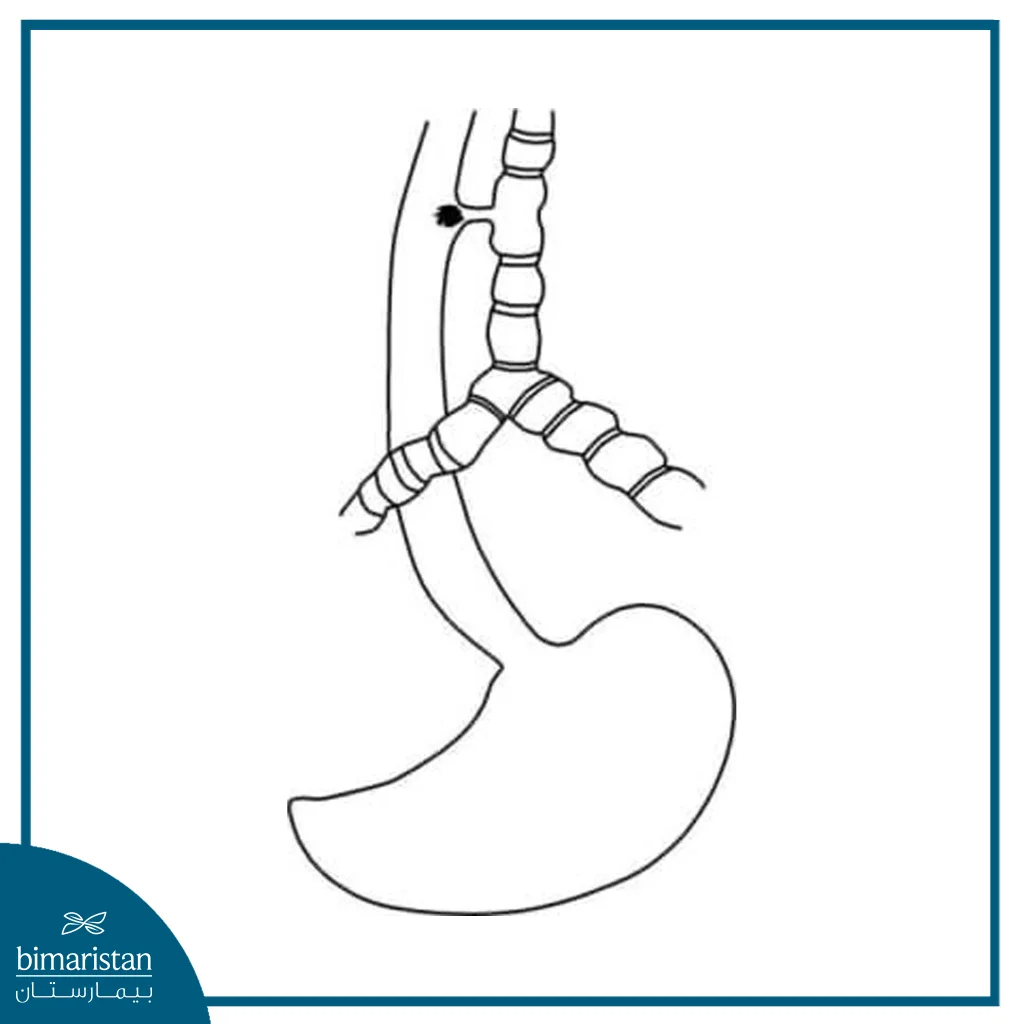
An esophageal fistula in children is an abnormal connection between the esophagus and a part of the respiratory system, such as the trachea or bronchi, that causes food or liquids to flow into the airways during swallowing. This condition is considered a congenital malformation in most cases and may appear immediately after birth or during the first few days of life.
This connection leads to obvious disturbances in feeding and breathing, as the child may have difficulty swallowing, experience frequent coughing during feedings, or suffer from recurrent chest infections due to fluid entering the lungs. The severity of the condition varies depending on the size and location of the fistula, but its effects are more pronounced in newborns than in older infants.
What are the symptoms of an esophageal fistula in children?
Symptoms of esophageal fistula in children often appear during or immediately after feeding because an abnormal connection between the esophagus and the respiratory tract allows milk or saliva to enter the trachea and lungs. Symptoms may be apparent within the first few days after birth, while in some cases they recur with every feeding attempt. The most prominent symptoms that may indicate an esophageal fistula in a child include the following:
- Coughing or Choking While Breastfeeding
- The baby turning blue or having difficulty breathing while feeding
- Milk frequently coming out of the mouth or nose
- Increased saliva production and difficulty swallowing
- Recurrent chest infections or pneumonia
- A whistling or rattling sound when breathing
- Slow weight gain due to feeding difficulties
- Abdominal bloating is sometimes caused by air passing from the trachea into the digestive system
These symptoms do not always indicate an esophageal fistula, but they warrant prompt evaluation by a pediatric surgeon, especially if they recur during feedings or are accompanied by recurrent chest infections or significant failure to thrive.
When does a child need surgery for an esophageal fistula?
A child requires surgical intervention for esophageal fistula when the abnormal connection between the esophagus and the respiratory tract causes obvious and persistent breathing or feeding difficulties. Recurrent episodes of choking during feeding or severe coughing with every attempt to swallow are among the most prominent signs indicating that the condition can no longer be managed with observation or conservative treatment alone.
Surgery is also necessary when chest infections or pneumonia recur as a result of fluid entering the airways, or when the child fails to gain weight and grow normally due to feeding difficulties. In some cases, surgery is performed early, even before symptoms worsen, especially if tests show that the fistula is large or directly affecting respiratory function, or if endoscopic procedures fail to close it.
How is an esophageal fistula diagnosed in children before surgery?
Diagnosing esophageal fistulas in children requires correlating clinical symptoms with imaging and endoscopic findings, as some cases may be evident at birth, while others require a more detailed evaluation when choking or chest infections recur. An accurate diagnosis helps determine the location, size, and relationship of the fistula to the trachea before a surgical plan is developed.
Clinical Suspicion After Childbirth
Suspicion often arises when there is obvious difficulty feeding, frequent coughing and choking during feedings, or abnormally excessive salivation. The likelihood of an esophageal fistula in a child also increases if chest infections recur or if signs of malnutrition and poor weight gain appear, because the continuous flow of fluids into the respiratory tract affects both the lungs and nutrition.
Contrast-enhanced radiography
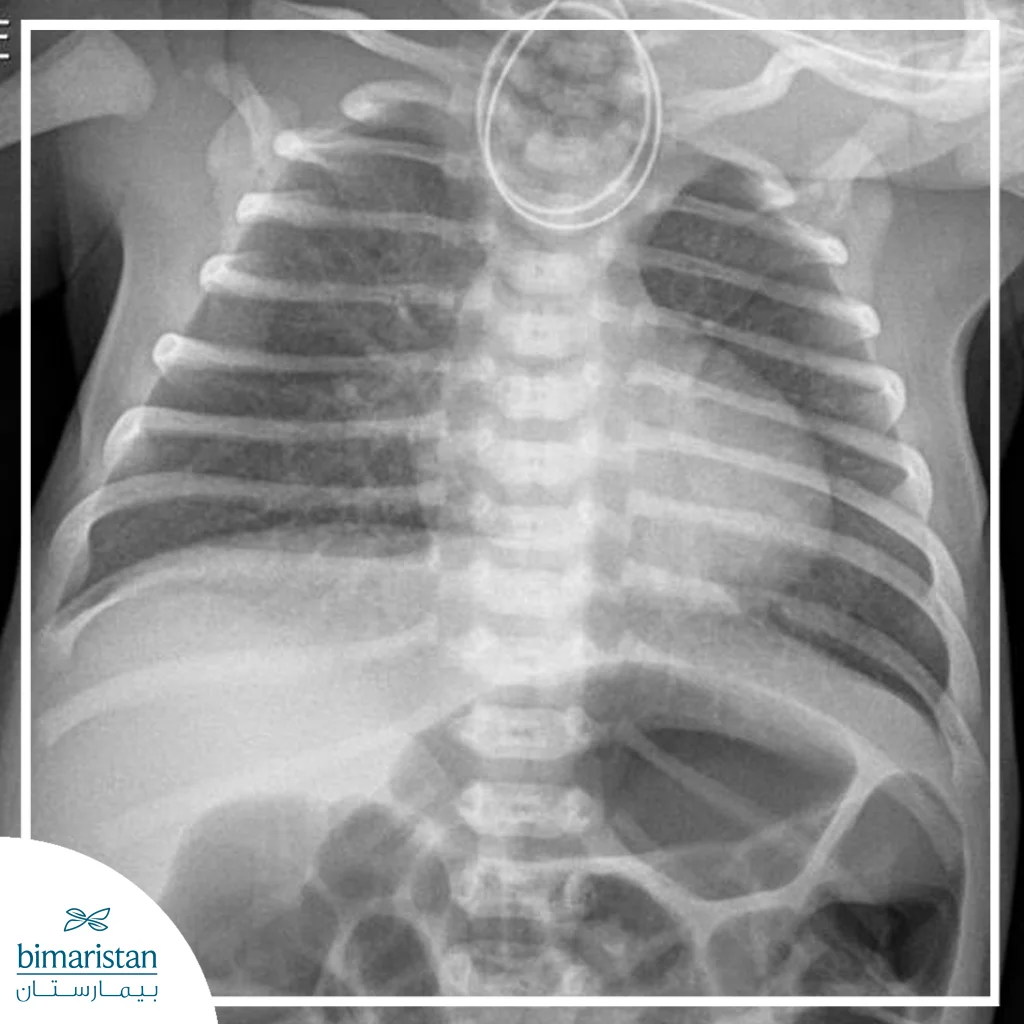
Radiography using a contrast agent is used to trace the course of the esophagus and detect any abnormal leaks into the trachea or bronchi. This test is performed with extreme caution in children to minimize the risk of the contrast agent entering the respiratory tract. It also helps the doctor understand the fistula’s shape and location before deciding on a treatment plan or scheduling surgery.
Bronchoscopy or Esophagoscopy
Bronchoscopy or esophagoscopy is one of the most important preoperative diagnostic tools, as it allows for direct visualization of the abnormal opening and precise localization. Endoscopy may also be used to assess for accompanying inflammation or strictures in the airway or esophagus, helping the pediatric surgeon choose the most appropriate surgical approach and reduce the risk of complications during the procedure.
Recovery After Esophageal Fistula Surgery in Children
The recovery period following esophageal fistula surgery in children requires close monitoring in the hospital, especially during the first few days after the procedure, to ensure stable breathing and the integrity of the surgical repair site. The course of recovery varies depending on the child’s age, the size of the fistula, and the presence of previous lung infections or associated abnormalities.
Postoperative Temporary Nutrition
The child does not resume breastfeeding or oral feeding immediately after surgery, because the esophagus needs sufficient time to heal without pressure. Therefore, doctors often rely on intravenous feeding or a temporary feeding tube, and then gradually introduce milk or food after confirming that the esophagus is intact and there are no leaks.
Verifying Esophageal Healing
Before allowing normal feeding, the doctor may order a special X-ray of the esophagus with a contrast dye to ensure that the repair site is properly sealed. This test helps detect any early leaks and determines the appropriate time to safely begin breastfeeding or oral feeding.
Breathing Monitoring and Infection Prevention
Monitoring breathing is an essential part of recovery, as some children may have airway irritation or chest infections prior to surgery. Therefore, the child’s oxygen levels, cough, and temperature are monitored, and some children may require supportive treatment, such as antibiotics or respiratory therapy, until their condition is fully stabilized.
Complications of Esophageal Fistula Surgery in Children
Although esophageal fistula surgery in children is intended to permanently correct the problem, it is considered a delicate procedure that requires close postoperative follow-up. The likelihood of complications varies depending on the severity of the condition before surgery, the child’s age, a history of pneumonia, and the complexity of the fistula or its proximity to the trachea.
Leak from the repair area
There may be slight leakage from the fistula closure site or the esophageal repair site, especially in the first few days after surgery. For this reason, the child is not usually started on oral feeding immediately; the integrity of the repair is confirmed with imaging before breastfeeding or feeding is permitted.
The Fistula Returns
In some cases, the abnormal connection between the esophagus and the respiratory tract may recur, especially if the fistula is complex or if tissue healing is inadequate; recurrence of the fistula is often indicated by frequent coughing during feeding or the return of chest infections. In such cases, the child may require endoscopic evaluation or a new therapeutic intervention.
Breathing Problems and Chest Infections
Some children may experience airway irritation or chest infections after surgery, especially if milk or saliva has previously entered their lungs. Therefore, breathing, oxygenation, and temperature are monitored in the hospital, and supportive treatment is provided as needed to reduce the risk of respiratory complications.
In conclusion, esophageal fistula surgery in children is a delicate procedure aimed at protecting the child from recurrent choking and chest infections, and improving the child’s ability to feed and grow normally. The success of treatment depends on early diagnosis, accurate localization of the fistula, and selection of the appropriate surgical approach based on the child’s age and respiratory and anatomical status. Although the procedure requires a high level of expertise in pediatric and neonatal surgery, careful postoperative follow-up helps minimize complications and detect any problems early. Therefore, it is recommended that the child be evaluated at a specialized center with expertise in pediatric esophageal and tracheal surgery to ensure the best chance of a safe recovery.
Sources:
- Baldwin, D. L., & Yadav, D. (2023). Esophageal atresia. StatPearls Publishing. Dingemann, C., Eaton, S., Aksnes, G., et al. (2020). ERNICA Consensus Conference on the Management of Patients with Esophageal Atresia and Tracheoesophageal Fistula: Diagnostics, Preoperative, Intraoperative, and Postoperative Management.
- Krishnan, U., Mousa, H., Dall’Oglio, L., Homaira, N., Rosen, R., Faure, C., et al. (2016). ESPGHAN-NASPGHAN guidelines for the evaluation and treatment of gastrointestinal and nutritional complications in children with esophageal atresia and tracheoesophageal fistula.