Physical therapy for facial paralysis is one of the most important methods of neurological rehabilitation used to restore facial muscle function and improve motor coordination following damage to the facial nerve, which leads to weakness or dysfunction in the movement of facial muscles involved in expressions such as smiling, closing the eyes, and raising the eyebrows. This therapy relies on a set of exercises and manual techniques designed to stimulate weakened muscles, improve blood flow to the affected area, and prevent stiffness or muscle spasms, which helps restore movement gradually, naturally, and safely within a well-planned treatment regimen.
The importance of physical therapy lies in its essential role in a neurological rehabilitation program; it is not limited to improving visible movement but also aims to retrain muscles and nerves to work in a coordinated and precise manner to restore normal facial function. In this context, Turkey is considered one of the leading medical destinations for physical therapy and neurological rehabilitation, thanks to its specialized centers, medical expertise, and individualized treatment plans grounded in the latest therapeutic protocols.
What is physical therapy for facial paralysis?
Physical therapy for facial paralysis is a set of therapeutic techniques and exercises designed to improve facial muscle function following damage to the facial nerve. This treatment relies on stimulating and gradually reactivating weakened muscles to restore normal movement and facial expression.
Physical therapy is an important part of the rehabilitation plan, as it helps improve coordination between the nerves and muscles and reduce muscle stiffness. The treatment program is tailored individually for each patient based on the severity of their condition and their response to treatment.
What causes facial paralysis?
Facial paralysis results from a variety of factors affecting the facial nerve, leading to temporary weakness or loss of movement in the facial muscles. The causes vary depending on the specific case and its severity, and the most common include:
- Bell’s palsy: It is one of the most common causes and often occurs suddenly due to inflammation of the facial nerve for no apparent reason.
- Viral infections, such as herpes simplex virus infection, can cause inflammation of the facial nerve and lead to facial weakness.
- Middle ear infections: Infections near the nerve may spread and directly affect its function.
- Stroke: It can cause weakness in the facial muscles as a result of damage to the nerve centers in the brain.
- Head or facial injuries, such as accidents that cause compression or damage to the facial nerve.
- Tumors or nerve compression: Tumors located near the nerve pathway may put pressure on it.
- Chronic conditions, such as diabetes and high blood pressure, may increase the likelihood of nerve inflammation or damage.
What are the symptoms of facial paralysis?
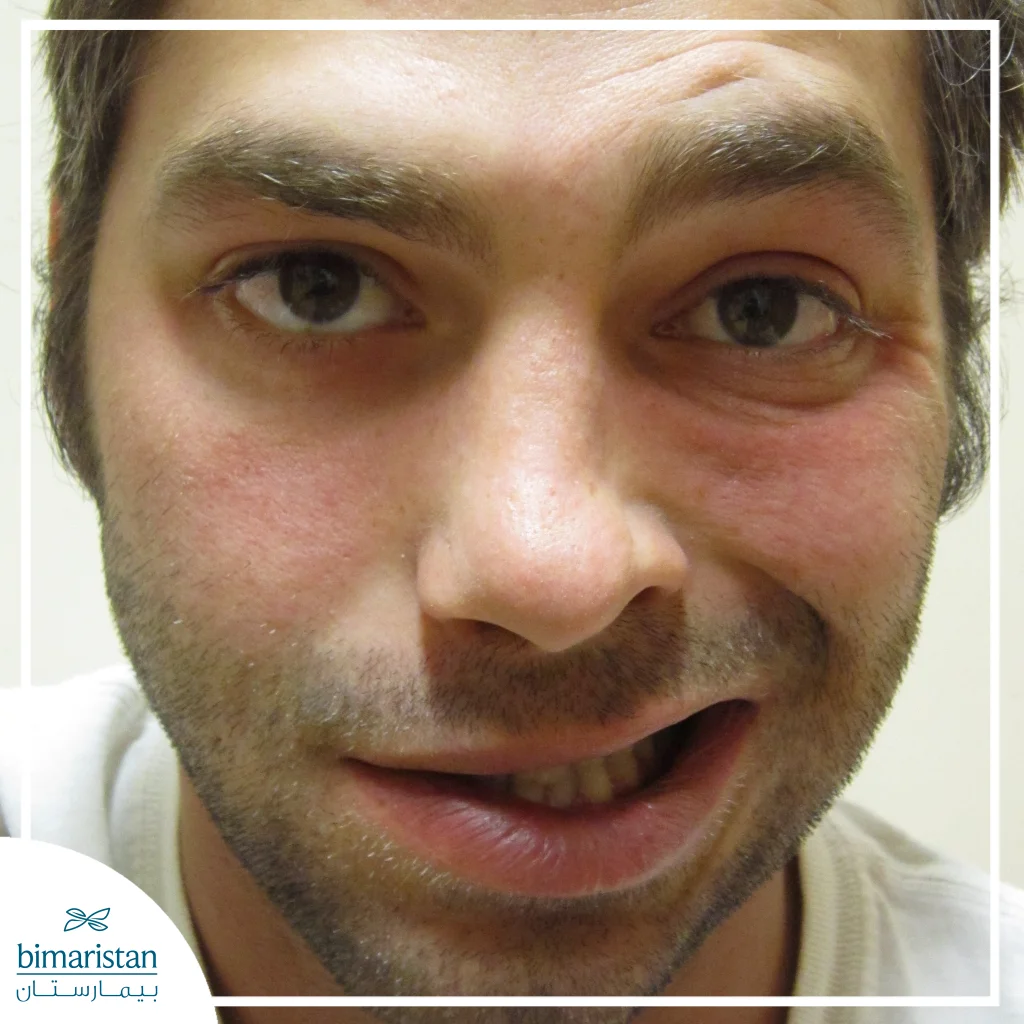
Symptoms of facial paralysis appear suddenly or gradually, depending on the cause, and directly affect the muscles on one side of the face, making it difficult to perform normal daily activities. These symptoms include:
- Weakness or paralysis on one side of the face: This causes the mouth to droop and makes it difficult to control muscle movement on the affected side.
- Difficulty closing the eye: The patient may be unable to close the affected eye completely.
- Loss of facial expressions, such as smiling, raising an eyebrow, or frowning, naturally.
- Change in taste sensation: especially at the front of the tongue.
- Increased or decreased tear or saliva production: caused by damage to the nerves that control the glands.
- Pain behind the ear or in the face: This may occur before or during the injury and varies in severity.
- Sensitivity to sound or tears: In some cases, the patient may experience increased sensitivity on the affected side.
Who is physical therapy recommended for in cases of facial paralysis?
Physical therapy for facial paralysis is recommended for certain groups of patients to speed up recovery and improve facial muscle function. This is determined based on the severity of the condition and the specialist’s assessment, and includes:
- Patients in the early stages of facial paralysis: When sudden weakness in the facial muscles occurs, it is recommended to begin physical therapy early to stimulate the nerves and muscles.
- Moderate to severe cases: those with noticeable weakness in facial movement or difficulty closing the eyes or smiling.
- Patients who have not achieved sufficient improvement with medication: Physical therapy is used as a complementary part of the rehabilitation plan.
- Conditions involving muscle stiffness or spasms: This treatment helps improve muscle flexibility and prevent spasms.
- Patients who have recovered from the acute phase of inflammation should gradually retrain the muscles and restore motor coordination.
- Chronic or long-term conditions: To improve residual function and reduce musculoskeletal complications.
Physical Therapy Methods for Facial Paralysis and Motor Rehabilitation
Physical therapy for facial paralysis relies on a range of techniques and exercises designed to gradually reactivate facial muscles and improve motor control. The appropriate method is selected based on the patient’s condition and the severity of the injury, and includes:
Facial exercises
It is a fundamental part of treatment, in which the patient is trained to perform simple, repetitive movements such as smiling, raising the eyebrows, and closing the eyes, which helps activate weakened muscle fibers and gradually improve muscle strength with continued daily training.
Mirror Exercises
It involves the patient making facial movements in front of a mirror to check for symmetry between the two sides; this technique helps the brain reprogram motor control and improve the accuracy of muscle responses on the affected side over time.
Therapeutic Facial Massage
It is performed using gentle, rhythmic movements on the facial muscles to stimulate blood circulation and reduce muscle stiffness. The massage also helps relieve tension, improve the elasticity of the tissues surrounding the facial nerve, and enhance overall well-being.
Neuromuscular stimulation
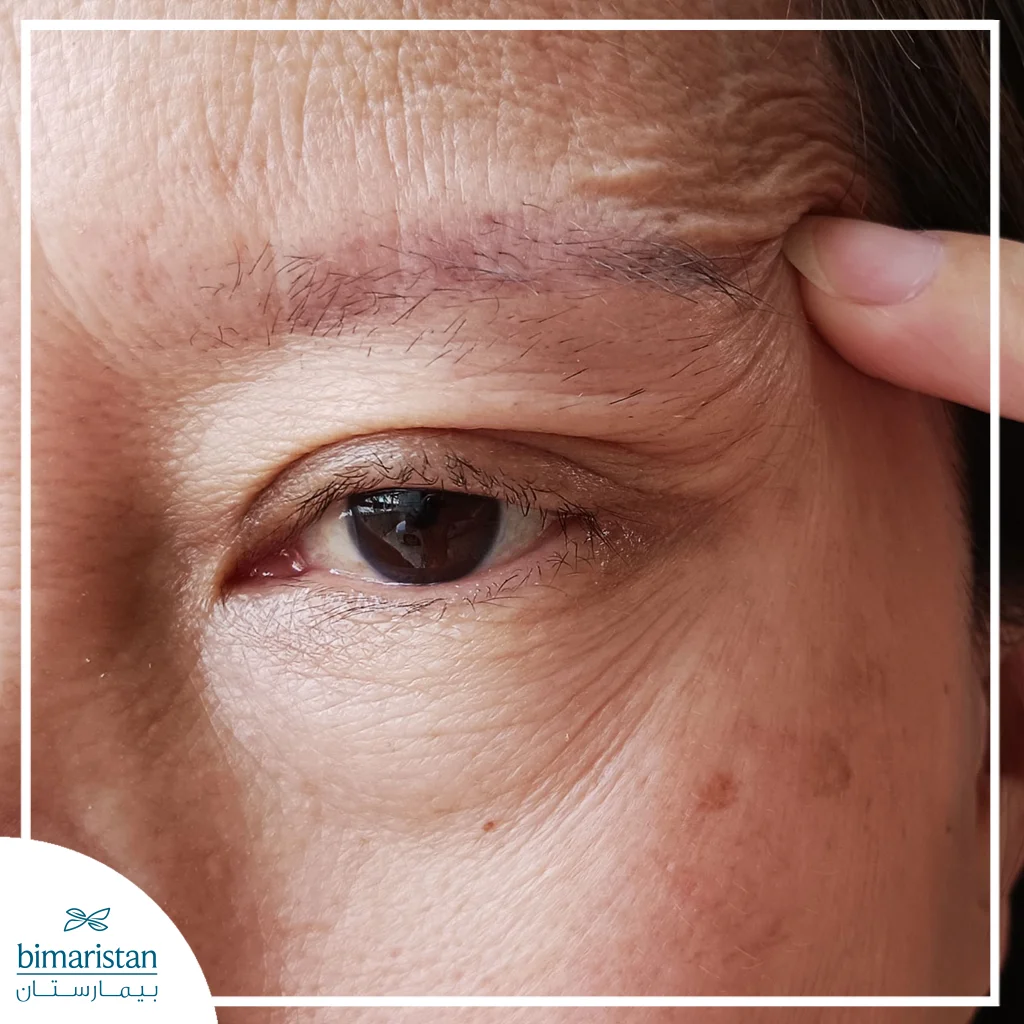
It is used in some cases to stimulate weak nerves and muscles and improve motor response; it must be administered with extreme caution and under the supervision of a specialist, based on an assessment of the patient’s condition, to avoid placing excessive strain on the muscles.
Muscle relaxation exercises
These exercises are designed to reduce muscle spasms and prevent overactivity in certain facial muscles. They help achieve better muscle balance between the two sides of the face and reduce feelings of muscle strain and fatigue.
Motor Coordination Retraining
It focuses on training the patient to perform integrated facial expressions, such as smiling while opening the eyes in a coordinated manner. This type of training is important for restoring the natural appearance of facial expressions and gradually and effectively improving daily functioning.
How long does physical therapy for facial paralysis take?
The duration of physical therapy for facial paralysis varies depending on the severity of the condition, the cause of the injury, and how quickly the nerve responds to treatment. In mild cases, improvement may begin within a few weeks, while in moderate to severe cases, the patient may need several months of regular treatment to see clear results.
Gradual improvement is usually observed over 4 to 12 weeks, with continued improvement in muscle function lasting 3 to 6 months, or longer in some cases. This depends largely on adherence to the therapy sessions and home exercises recommended by the physical therapist.
A Comparison of Physical Therapy for Facial Paralysis with Other Treatments
Physical therapy for facial paralysis is an important part of a comprehensive treatment plan and is often used alongside medication or as a follow-up phase after the underlying cause of the condition has been addressed. While medications such as anti-inflammatories or corticosteroids aim to reduce swelling around the facial nerve in the early stages, physical therapy focuses on muscle rehabilitation and the gradual restoration of normal movement.
In rare cases that require surgical intervention, the goal is to relieve pressure on the nerve or address the underlying cause, while physical therapy remains essential in the post-surgical or post-pharmacological phase to restore motor coordination and prevent muscular complications. Therefore, it can be said that physical therapy is not a separate alternative, but rather an essential and complementary part of the recovery process.
Tips for After Physical Therapy Sessions for Facial Paralysis
Following certain guidelines after physical therapy sessions for facial paralysis helps improve outcomes and speed recovery. The patient plays a key role in the success of the treatment plan by continuing with the exercises and taking daily care of the muscles. These guidelines include:
- Continue with home exercises: It is recommended that you perform the facial exercises prescribed by your specialist daily to keep the muscles active and enhance nerve response.
- Avoid straining your facial muscles: Do not overuse them by moving them randomly, as this can cause muscle imbalance or fatigue.
- Commitment to therapy sessions: Regular attendance helps track your condition’s progress and adjust the treatment plan as needed.
- Light massage: You can perform a simple facial massage at home to improve blood circulation and reduce muscle tension.
- Maintaining a healthy lifestyle, such as getting enough sleep and eating a balanced diet, as this supports nerve healing and muscle recovery.
The Cost of Physical Therapy for Facial Paralysis in Turkey
The cost of physical therapy sessions in Turkey typically ranges from $40 to $120 per session at mid-range centers and can reach $200 or more at major hospitals or advanced programs that include multiple techniques, such as electrical stimulation, ultrasound, and integrated neurological rehabilitation.
In some cases that require intensive treatment programs or inpatient care, the total cost can range from approximately $450 to $3,000, depending on the number of sessions and the type of treatment plan, especially for facial paralysis, which often requires long-term follow-up and ongoing neuromuscular rehabilitation.
Why do patients choose Turkey for physical therapy for facial paralysis?
Turkey is a leading medical destination for physical therapy and neurological rehabilitation, combining high-quality care with lower costs than many European countries, making it a preferred choice for international patients. These include:
- Specialized Medical Expertise: Turkey is home to physical therapists and neuro-rehabilitation specialists with extensive experience in treating facial paralysis of varying degrees, offering personalized treatment plans for each patient.
- Advanced treatment techniques: Turkish centers offer state-of-the-art equipment, including electrical stimulation and ultrasound, as well as comprehensive neurological rehabilitation programs.
- Lower costs than other countries: Turkey offers high-quality medical care at much lower prices than in Europe and the United States, while maintaining the same standard of care in many cases.
- Comprehensive treatment programs: These include therapy sessions, follow-up care, and guided home exercises, ensuring continuity of care and better outcomes.
- Accessibility and Medical Services for International Patients: The centers provide reception, translation, and follow-up services for patients coming from outside Turkey, making the entire treatment experience easier.
In conclusion, physical therapy for facial paralysis is a cornerstone of neurological rehabilitation, as it directly helps restore facial muscle function and improve motor coordination after facial nerve injury. While the severity of the condition varies from patient to patient, adherence to the treatment program prescribed by a physical therapist plays a pivotal role in accelerating the recovery process and achieving better functional outcomes in the medium and long term. The success of this type of treatment depends on consistency, patience, and close monitoring of the condition, as well as regular home exercises to support the results of therapy sessions.
Furthermore, combining modern techniques such as therapeutic exercises, massage, and, in some cases, nerve stimulation helps to enhance muscle response and gradually improve facial function. In this context, Turkey is considered one of the leading medical destinations for rehabilitation, thanks to its specialized expertise, advanced technologies, and comprehensive treatment programs. Therefore, opting for early physical therapy under the supervision of a specialist can make a significant difference in the recovery process, giving the patient a better chance to regain their quality of life and self-confidence in a natural and safe manner.
Sources: