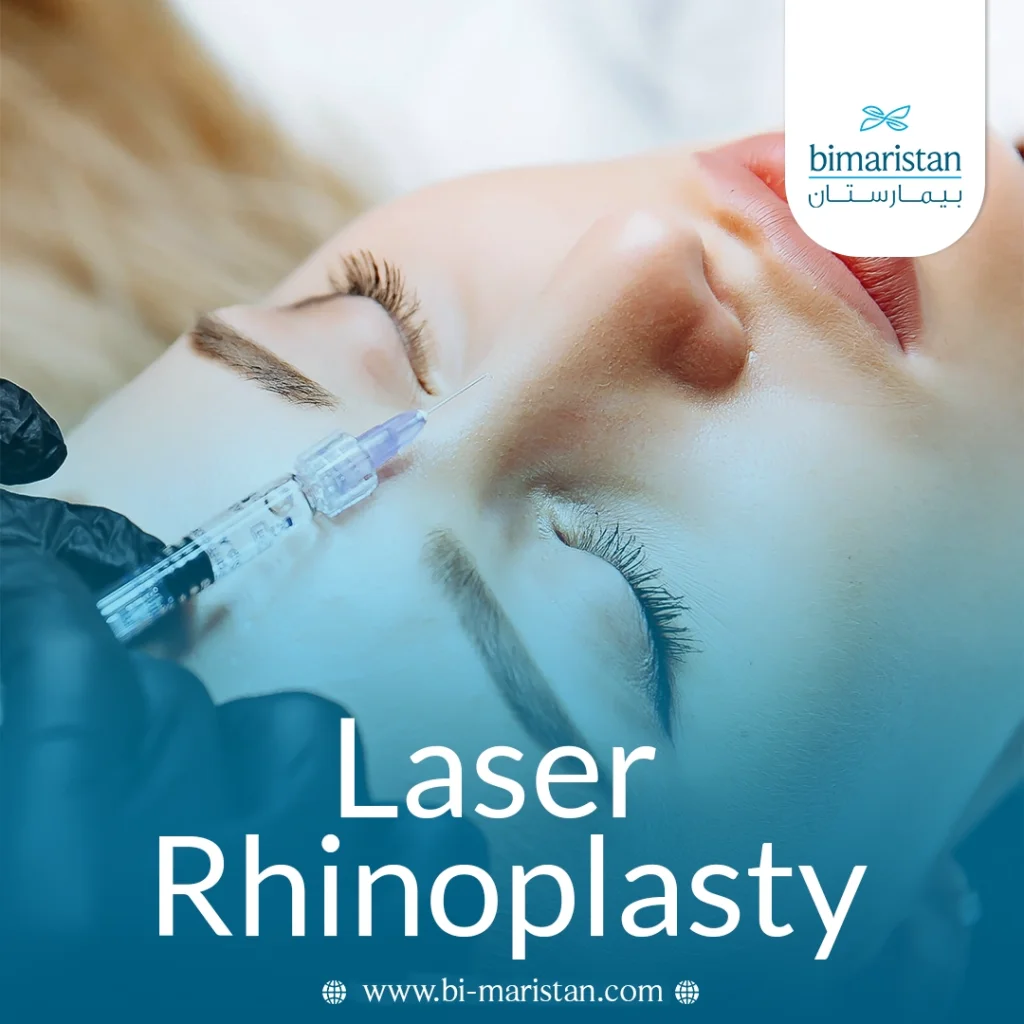
Rhinoplasty is one of the most popular cosmetic procedures around the world, as many people resort to it to improve the shape of the nose and its harmony with facial features. With the development of modern aesthetic medicine techniques, new solutions have emerged that provide natural results without the need for a surgical scalpel, most notably laser rhinoplasty.
This technology has become a favorite choice for those looking for laser nose reduction or non-surgical rhinoplasty in a safe and quick way. The laser improves skin texture and reduces bulges or minor imperfections without any surgical intervention, making it suitable for people who are afraid of traditional procedures.
What is laser rhinoplasty?
Laser rhinoplasty is an adjunctive technique to rhinoplasty used to treat certain conditions, improving the shape of the nose or treating functional issues such as difficulty breathing. This type of rhinoplasty is less invasive than traditional surgeries, as it does not require the use of a scalpel and does not require the need to make large incisions in the skin.
Laser rhinoplasty is not suitable for all cosmetic cases. It does not address various nasal issues that require reshaping the nasal bones, in which doctors may resort to ultrasound technology. Still, the laser may contribute to making the nasal bones somewhat smoother, which facilitates the work of other rhinoplasty techniques, which means that the laser alone is not enough to provide the desired results.
What is CO2 laser nose surgery?
The CO2 laser is the most commonly used type of laser nose surgery. This laser emits a focused beam of carbon dioxide (CO2) light that can precisely vaporize targeted tissue. This allows the CO2 laser to precisely sculpt the nose and remove minimal tissue.
What conditions can be treated with lasers?
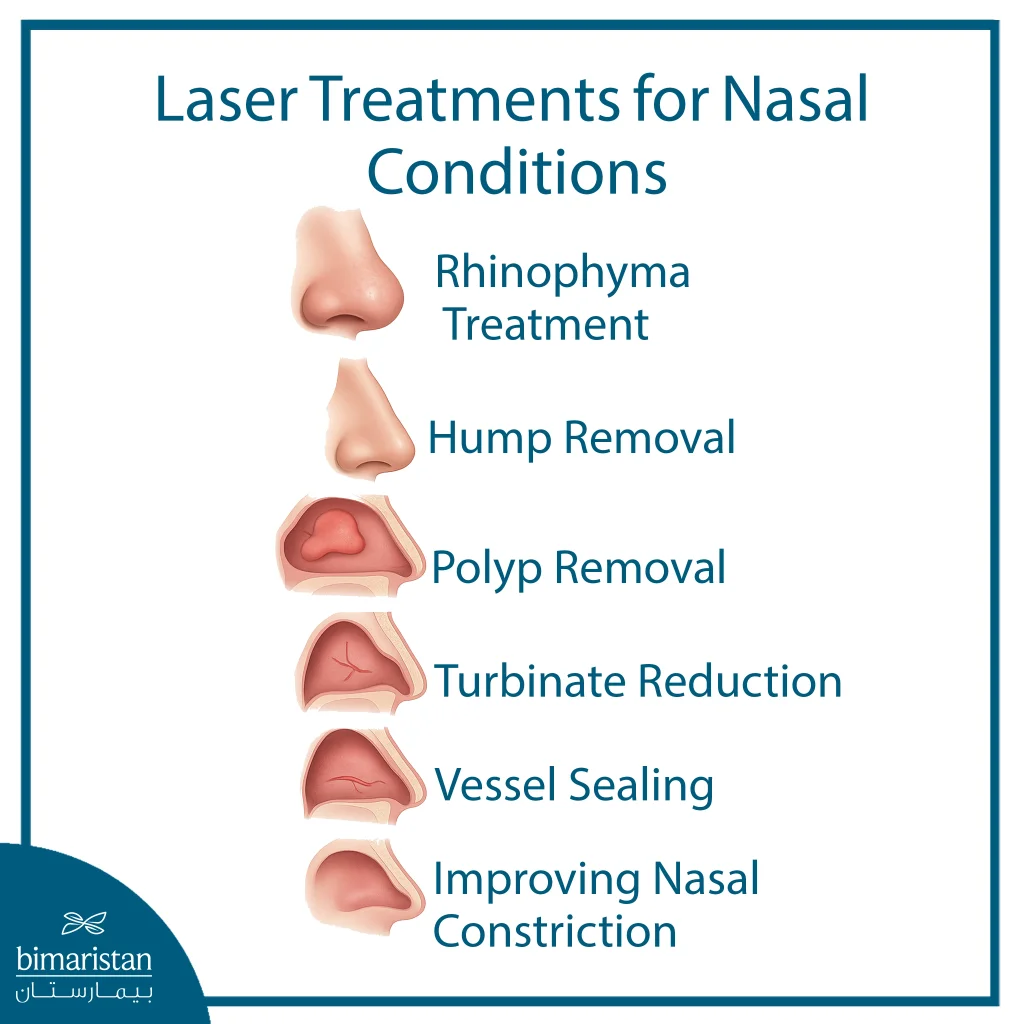
The uses of lasers for rhinoplasty are outlined below:
- Rhinophyma treatment: It is the enlargement of the nose caused by a skin disorder called rosacea, which thickens the skin. This condition is treated by removing the excess skin without surgery using a laser.
- Excision of the cartilaginous nasal hump and correction of deviation, as demonstrated in a study comparing open surgical rhinoplasty with laser rhinoplasty in two groups.
- Treatment of bleeding vascular surfaces in mucosal areas
- Laser removal of adenoids from the nose
- Laser reduction of nasal turbinates
- Improving nasal constriction
The difference between laser-assisted nasal surgery and traditional surgery
With the growing desire to improve the appearance of the nose, people have two main options: laser rhinoplasty or traditional surgery. Both options aim to improve the shape of the nose, but their methods and results differ significantly. Laser technology uses a precise beam to improve the shape of the nose, getting rid of some of the bulges and superficial imperfections, all without the need to cut bone or cartilage. This makes it an attractive option for those who want to improve their appearance quickly and less invasively.
Immediately after the session, the person can often feel the difference and can return to their daily activities within a few days. Traditional surgery is quite different, as it relies on directly altering the structure of the nose by adjusting the bones and cartilage and correcting the deviations. The results are permanent and visible, but it requires full anesthesia, with a longer recovery period that includes swelling and bruising, and may come with some risks such as bleeding or infection.
In terms of cost, lasers are usually less expensive compared to traditional surgery and are a suitable option for those looking for a simple and quick improvement. Conventional surgery is suitable for those who want drastic and permanent changes in the shape of the nose, especially if there are structural issues or breathing difficulties. So it can be said that lasers offer a quick and non-invasive improvement, while traditional surgery provides permanent and deep results, and choosing the most appropriate depends on your cosmetic goal and the degree of change required.
Who is the right candidate for laser-assisted nasal surgery?
Laser rhinoplasty may not be suitable for everyone. Ideal candidates usually have the following characteristics:
- Minor nasal issues: Laser-assisted rhinoplasty is often best suited for individuals looking for minor improvements, such as smoothing a bump on the bridge of the nose or a slight adjustment to the tip of the nose.
- Corrective rhinoplasty: In some cases, laser technology can be useful to correct minor imperfections resulting from a previous rhinoplasty.
- Good general health: As with any surgery, good physical health is essential for a safe and successful outcome.
Preparation before laser-assisted nasal surgery?
The preparation phase before rhinoplasty is an essential step in the success of the procedure and in ensuring a proper recovery. Strictly following medical instructions will help minimize complications and achieve the best possible cosmetic and functional results. Here are the most important guidelines to adhere to before the procedure:
- Consultation and evaluation: The doctor evaluates the shape and structure of the nose to determine the patient’s suitability for surgery. During the meeting, goals and expectations are discussed, and medical history is reviewed.
- Discontinue certain medications: It’s best to stop taking medications that may increase the risk of bleeding for at least a week before surgery. It is also advisable to avoid vitamins that affect blood clotting, such as vitamin E.
- Cleaning the skin and nose: The patient may be asked to use a medicated wash to clean the nose and skin.
- Avoid sun exposure before the procedure: Minimize sun exposure or use sunscreen in the days leading up to the procedure, especially if the skin is sensitive or irritated.
- Stop smoking and alcohol: You should refrain from smoking for two weeks before the procedure, and it is advisable to avoid alcohol.
- Rest and psychological preparation: Make sure you get a good night’s sleep and avoid stress before the procedure.
Laser rhinoplasty steps
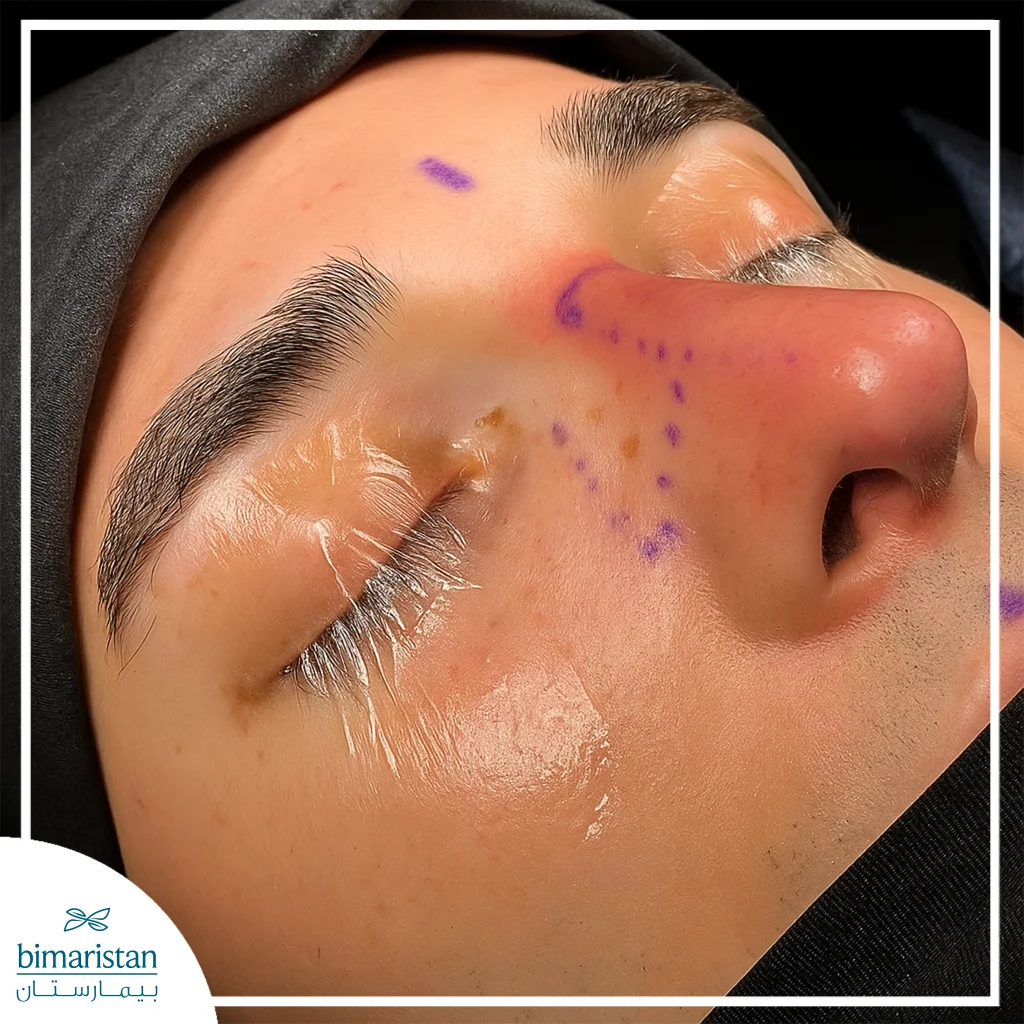
Laser rhinoplasty is similar in its general stages to traditional surgery, but it is characterized by the use of laser technology at specific stages to increase precision and minimize tissue damage. The procedure usually begins with the administration of general anesthesia to ensure the patient’s comfort throughout the surgery.
Next, the surgeon makes microsurgical incisions, either in an open way through the nasal column or in a closed way from inside the nose, depending on the type of modifications required. The next stage is to use a laser to sculpt bone and cartilage with high precision, as the laser allows the surgeon to reshape the tissue without causing bleeding or damage to the surrounding tissue. Once the laser sculpting is completed, traditional surgical instruments are used to make final adjustments and adjust the overall symmetry of the nose shape.
At the end of the procedure, the incisions are carefully closed with fine sutures to ensure optimal healing and minimize scarring, and a small splint is placed on the nose to support the new shape during the recovery period.
Advantages of Laser Rhinoplasty
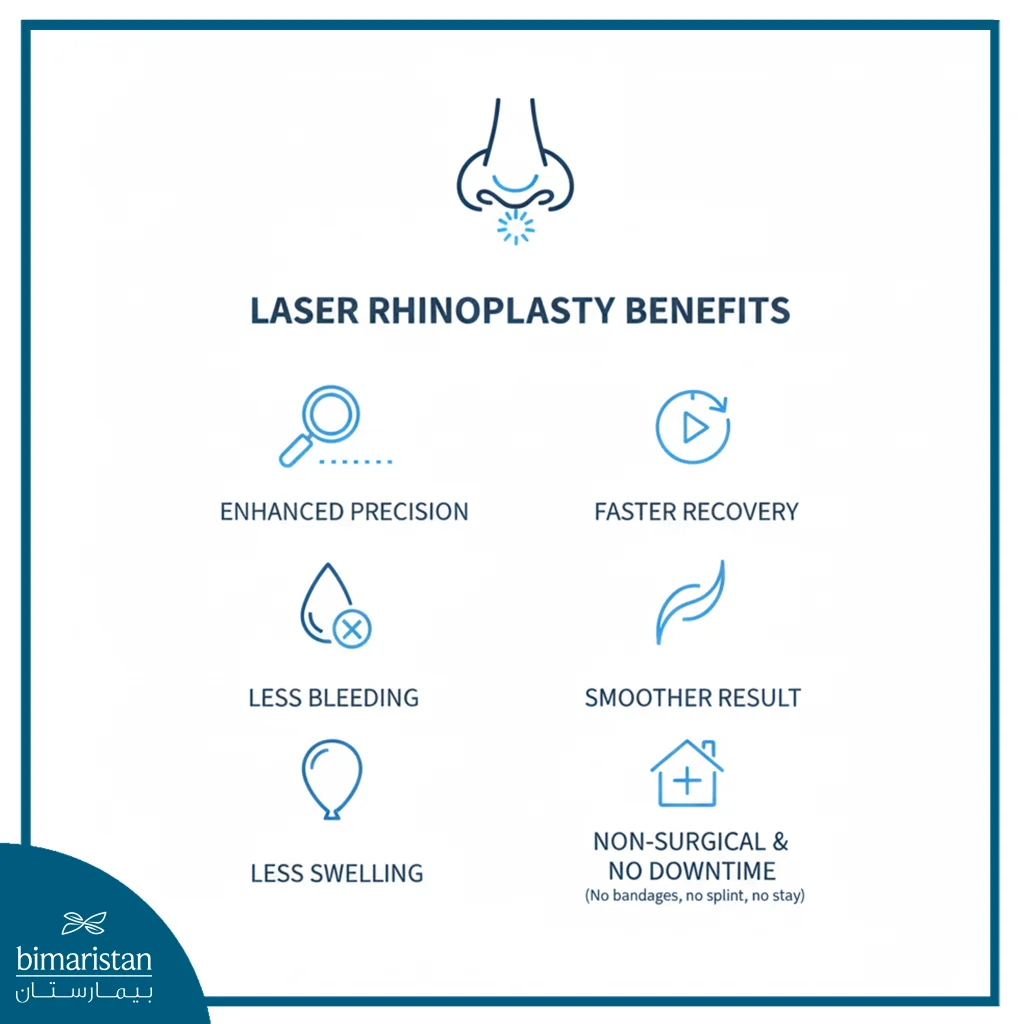
Laser rhinoplasty offers several potential advantages over traditional rhinoplasty techniques:
- Improved precision: Laser technology provides a high degree of precision, allowing for more controlled sculpting of the nasal structure.
- Reduced Bleeding: Reduces bleeding during the procedure, which can lead to faster healing and less discomfort after surgery.
- Less swelling: Reduced blood loss often translates into less swelling and bruising after the procedure.
- Faster recovery: The less invasive nature of laser surgery may help speed up the healing process.
- Smoother results: Laser technology may provide smoother and more precise results compared to traditional techniques.
- It does not require surgery, as it is a bloodless and straightforward process
- There is no need to wear bandages or splints on the nose after the procedure
- It doesn’t require a stay at home because it’s an instant process
Laser nose job side effects
Despite the potential benefits, it’s important to know the possible side effects:
- Swelling and bruising: Some swelling and bruising may occur after surgery, although it is less noticeable than with traditional surgery.
- Infection: As with any surgery, there is a risk of infection, so post-operative care instructions should be strictly followed.
- Numbness: Temporary numbness around the nose is common and usually goes away within a few weeks or months.
- Difficulty breathing: Temporary breathing difficulties may occur due to swelling or the placement of nasal fillings.
- Unsatisfactory results: As with any cosmetic procedure, there is a chance that the final result may not exactly meet your expectations, so it is important to have open communication with your surgeon about your desired results.
Tips after laser rhinoplasty
Before undergoing any cosmetic procedure, it is essential to prepare properly and follow post-session instructions to ensure the best results and minimize risks. In the case of laser rhinoplasty, there are important steps to follow after the session to keep you safe and achieve the desired result.
- Take care of the skin: Use moisturizing and soothing creams as directed by your doctor.
- Avoid touching the nose: The nose should not be touched or pressed after the session to avoid affecting the results.
- Sun protection: Stay out of direct sunlight for several days after the session.
- Follow your doctor’s instructions, Such as nasal cleansing or any treatment routine after the session.
- Observe the symptoms: If you experience unusual swelling, redness, or pain, contact your doctor immediately.
Adhering to a healthy diet and drinking water regularly will help speed recovery and optimize results.
Laser rhinoplasty cost in Turkey
The cost of nose surgery in Turkey varies depending on the experience of the doctor, the location of the clinic, and the level of services provided. In Turkey, prices range roughly between $500 and $1500, which is much lower compared to some countries, such as the United States and the Gulf, where they can reach $6000.
| State | Average Cost (USD) |
|---|---|
| United Kingdom | $2,000 – $3,000 |
| United States | $2,500 – $6,000 |
| Turkey | $500 – $1,500 |
| Saudi Arabia | $2,500 – $4,500 |
Factors affecting the price of laser rhinoplasty
- The extent of the modification required: The greater the change or complexity, the higher the price.
- Doctor experience and clinic reputation: Famous doctors and luxury centers are more expensive.
- The type of laser used: Modern devices are more expensive than traditional ones.
- Country and clinic location: Prices are higher in America and Britain, and cheaper in Turkey.
- Additional services: Such as follow-up, accommodation, or a translator in medical tourism packages.
The choice of laser rhinoplasty or traditional surgery depends on the goal of the procedure and the patient’s expectations. If you are looking for a simple and quick improvement in the appearance of your nose without surgery or a long recovery period, laser rhinoplasty may be your ideal choice. However, if you want permanent results, a visible change in the shape of the nose, or correction of functional defects, surgery remains the most effective option.
Because a cosmetic decision needs careful medical supervision, Bimaristan Medical Center in Turkey offers specialized consultations in laser rhinoplasty and surgery, under the supervision of a team of experienced doctors using the latest medical technologies. At Bimaristan, you can get a comprehensive assessment of your case and choose the most appropriate method to achieve the look you desire safely and professionally.
Sources:
- Bertossi D, Marchetti A, Sbarbati A, Nocini P. Laser-Assisted Rhinoplasty: The Future Generation Rhinoplasty Technique to Preserve Anatomy? A Series of Patients Compared to Patients Undergoing Standard Open Rhinoplasty. Plast Reconstr Surg. 2021 Feb 1;147(2):364-369
- Tănase MI, Bulmaci M, Stan C, Doinel RG, Cosgarea M, Pop SS, Maniu AA. Laser nasal surgery (Review). Exp Ther Med. 2023 Jan 24;25(3):108
- Bertossi, D., Marchetti, A., Sbarbati, A., & Nocini, P.F. (2021). Laser-Assisted Rhinoplasty: The Future Generation Rhinoplasty Technique to Preserve Anatomy? A Series of Patients Compared to Patients Undergoing Standard Open Rhinoplasty. Plastic and Reconstructive Surgery, 147, 364 – 369.