
Bronchial asthma is a common respiratory disease that has accompanied the patient throughout his life. Fortunately, there are many treatment methods available to control asthma symptoms and avoid an attack in Turkey.
According to statistics from the World Health Organization, 262 million people around the world suffer from asthma, as asthma is the most common chronic disease diagnosed in children.
A bronchial asthma patient can live his life generally if he receives appropriate treatment, but if he refrains from treatment, asthma may cause symptoms and complications that affect the patient’s life.
The recorded deaths due to asthma complications are few and rare and are often limited to advanced, untreated cases of bronchial asthma.
What is bronchial asthma?
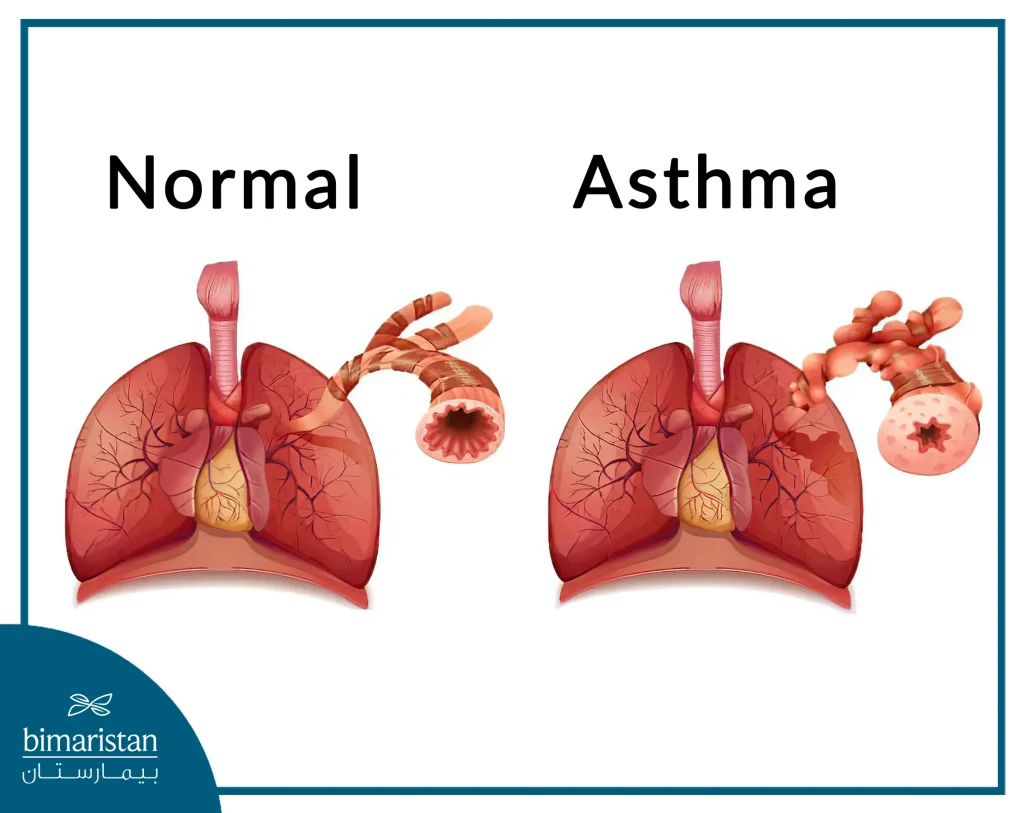
It is a medical condition caused by narrowing and swelling of the airways. This increases the accumulation of mucus secretions within the respiratory tract, which leads to the appearance of symptoms resulting from difficulty passing air, such as coughing and shortness of breath.
The way asthma symptoms appear varies from person to person. Some patients experience symptoms when doing certain activities, such as exercising, while others experience symptoms in the form of attacks (bouts) of shortness of breath.
There is no cure for bronchial asthma, but asthma symptoms can be controlled by applying appropriate treatment and avoiding factors that trigger the attack.
Risk factors for bronchial asthma
The leading cause of asthma is still not clearly understood, but several factors increase the risk of developing asthma in an individual, including:
- Allergies: People who suffer from allergies to various environmental variables (such as pollen or animal fur) are at increased risk of developing asthma.
- Genetics: If asthma is prevalent in the family, the individual is at greater risk of developing it.
- Respiratory infections: Especially in young children, as some viral infections affect the development of the lungs in children, making them more susceptible to developing asthma.
- Environmental factors: Frequent exposure to chemicals that irritate the airways increases the risk of developing asthma. These substances include toxins, polluted gases, and smoking, in addition to occupational exposure (such as chemicals used in hair styling).
- Being overweight also increases the risk of developing asthma.
- Ethnicity or geographic distribution: According to a study conducted in the United States of America, black people are more susceptible to developing asthma than white people.
- Gender: Male children are more likely to suffer from asthma than females, while in adolescents and adults, females are the most affected group.
Read about: Treating Asthma in Children
Symptoms of Mild and Severe Asthma
The severity of symptoms varies from person to person. Some patients suffer from mild symptoms that appear only during an asthma attack and go away in the period between attacks. In contrast, others suffer from persistent symptoms that become more severe during an asthma attack.
Other severe symptoms of asthma are:
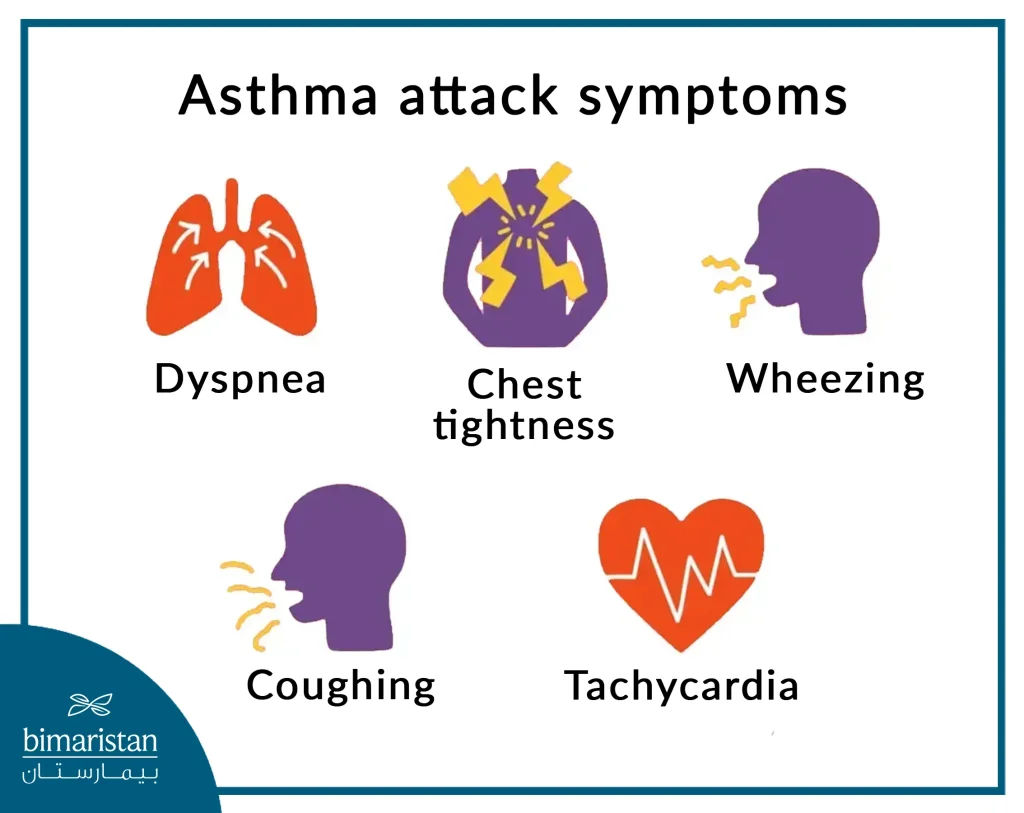
- Cough (more severe at night)
- Shortness of breath
- Chest pain
- Wheezing (a whistling sound resulting from narrowing of the airways)
- Difficulty sleeping due to coughing and shortness of breath
What is an asthma attack
An asthma attack occurs when the muscles around the airways contract, secreting additional mucus, leading to the narrowing of the airway and the appearance of asthma symptoms.
During the attack, the patient suffers from shortness of breath, coughing, or wheezing. Symptoms can often be controlled by applying appropriate treatment, but in severe cases that do not respond to treatment, the patient must be transferred to the hospital.
Asthma attacks often occur when exposed to provoking factors known as asthma attack triggers.
Read more about: Tracheal (windpipe) disorders and their treatment methods in Turkey.
Asthma attack triggers
The factors that predispose to an asthma attack are known as asthma triggers. The triggers that predispose to asthma vary from person to person. Knowing the things that predispose the patient to an asthma attack is useful so that they can be avoided as much as possible.
The most important bronchial asthma attack preparations:
- Tobacco smoke
- Air pollution (exhaust fumes)
- Contact with pets
- Dust mites
- Infection with another infection (cold)
- Exposure to some chemicals
- Physical effort or exercise
- Emotional causes such as stress or anxiety
- Some medications, such as aspirin
Types of bronchial asthma
Asthma is classified according to the severity of symptoms or the cause that led to its occurrence. Asthma is classified according to symptoms:
- Intermittent asthma: Symptoms appear in the form of attacks or asthma attacks, and symptoms disappear between attacks.
- Persistent asthma: Asthma symptoms remain apparent most of the time, and they may be mild, moderate, or severe. According to severity, asthma can be classified into several types.
Asthma is divided according to the cause that led to its occurrence:
Allergic asthma: Sensitivity to some stimuli, such as pollen, animal fur, or certain foods, causes an asthma attack.
Non-allergic asthma: Other non-allergic factors trigger asthma attacks, such as exercise, anxiety, and weather changes, in addition to some diseases such as colds.
Occupational asthma: This type is seen in people from professions that require exposure to chemicals that trigger asthma attacks and shortness of breath (such as painters).
Read about: Causes of tension pneumothorax and its treatment in Turkey
Diagnosis of bronchial asthma
If you suspect that you or your child may have asthma, see a specialist chest physician who will take a detailed medical history and ask you about the presence of asthma in the family.
The doctor will ask about any previous allergic or chest diseases and then request a pulmonary function test (spirometry), which is the gold standard in diagnosis. This test shows the volume of air flowing into the lungs during inhalation and exhalation.
The doctor may resort to additional tests, such as a chest X-ray, to help diagnose bronchial asthma and rule out other chest diseases.
Asthma Treatment
There are many treatment options to manage asthma symptoms and avoid attacks as much as possible. The most critical step in treatment is prevention and avoiding the triggers that predispose to asthma.
Pharmacological treatment
The appropriate medication is chosen based on many factors, including the patient’s age, the symptoms he suffers from, and the triggers of asthma. The best medication is chosen to control the patient’s asthma symptoms.
Attention should be paid to the side effects of some asthma medications. Beta-agonists, which work to expand the bronchi, cannot be given to patients with heart disease.
There are two types of medications: medications that aim to treat symptoms when they occur and medicines that work to prevent asthma symptoms from occurring.
Preventive medications work to reduce swelling and airway inflammation to avoid asthma symptoms, while medications given during an asthma attack work to quickly expand the bronchi to relieve symptoms.
Bronchodilators
These medications work by relaxing the muscles around the airways, widening the narrowed airways, making it easier for air to pass through them and mucus to move through them.
An example of these medications is beta-agonists (salbutamol), which are characterized by their rapid effect in relieving symptoms. They are given by inhalation and take effect within a few minutes.
Anticholinergics are also characterized by their rapid effect on treating asthma attacks. They are often used to treat obstructive pulmonary disease (COPD) and may sometimes be used to treat asthma.
Inhaled steroids
They are used to prevent asthma symptoms by using them regularly every day. Steroids reduce the likelihood of an attack and relieve the symptoms of an asthma attack if it occurs.
Steroids work by inhibiting cells in the lungs and bronchi from secreting inflammatory factors that cause swelling of the airways and mucus secretion. Steroid inhalers can be combined with bronchodilators in treatment.
In severe cases of asthma attacks, steroid anti-inflammatory drugs can be given orally or intravenously to achieve a rapid effect, but prolonged use leads to many side effects.
Leukotriene modifiers
They prevent asthma attacks by affecting the allergic substance leukotriene, which causes inflammation and swelling of the airways. They are given orally.
Some side effects of leukotriene modifiers on the patient’s psychological state should be noted, such as depression, hallucinations, and suicidal thoughts. See a doctor if you experience any of these symptoms.
Theophylline
One pill is given orally daily, as it helps prevent asthma by widening the airways. It is not used often because of the need for frequent blood tests when using it.
Biological drugs
In severe cases of bronchial asthma that do not respond to other treatments, these drugs may be prescribed, such as omalizumab.
Read about: Treatment of tracheal stenosis (windpipe) in Turkey
Bronchodilation with heat
It is used in severe cases of asthma in patients who do not respond to medication treatment. This procedure is rarely resorted to as it requires special centers to perform it.
The doctor directs heat using an electric electrode on the smooth muscles in the respiratory tract. The heat reduces the size of the smooth muscles, which expands the respiratory tract.
The procedure is performed in 3 sessions with a 3-week interval between each session. This procedure alleviates asthma symptoms by expanding the respiratory tract.
It is not recommended except in severe cases that are difficult to treat due to its many side effects.
How does an asthma inhaler work?
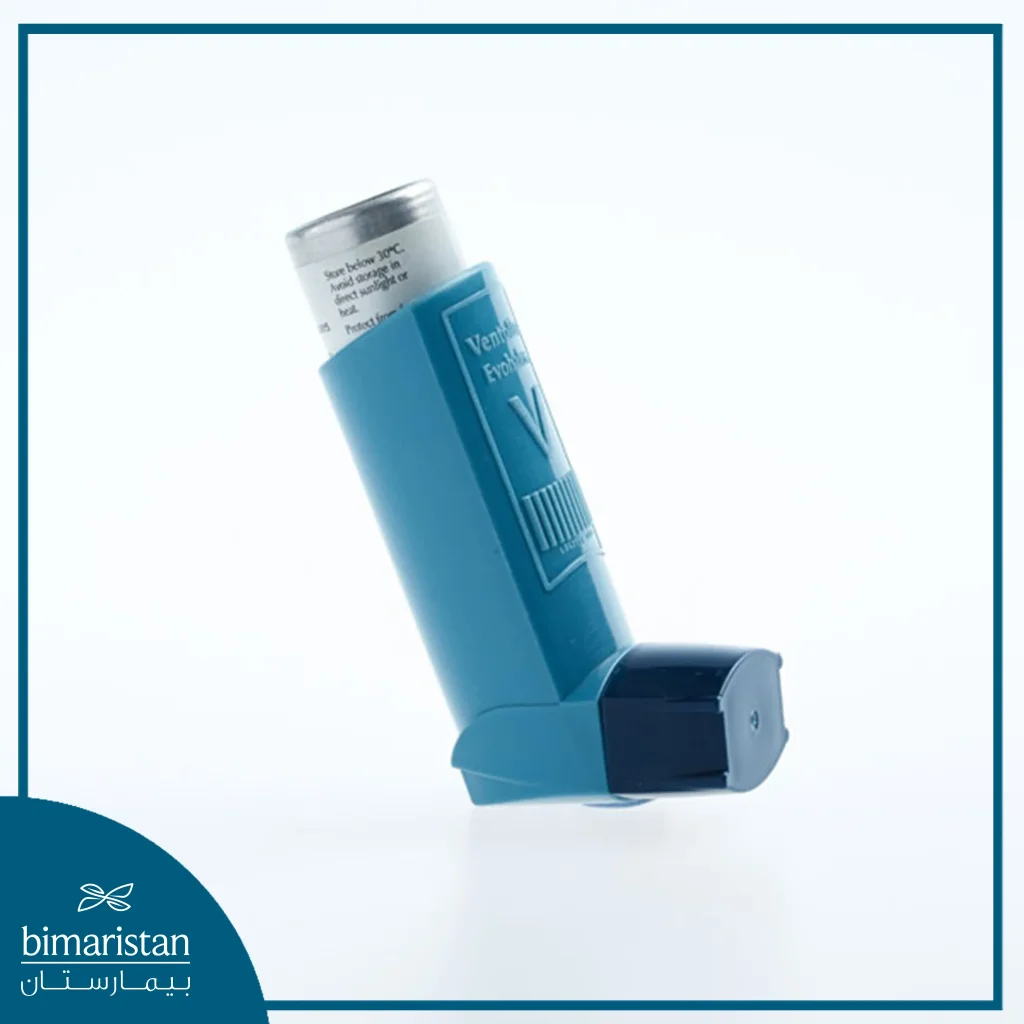
It is a handheld device, such as a purple inhaler for asthma, that delivers medication directly to the lungs. The inhaler can contain bronchodilators, steroids, or both.
There are two main types of asthma inhalers:
- Metered dose asthma inhaler
The pressurized medicine canister is placed inside the device’s plastic part. When the patient inhales, the device delivers a reliable and precise dose of the medicine until it reaches the patient’s lungs.
- Dry Powder Inhaler
This device is circular in shape and contains asthma medications in the form of dry powder. It does not push the medication into the lungs, but the patient must inhale through it forcefully and steadily to get the medication into the lungs properly.
It is also called the purple asthma inhaler.
Read about: Tracheal (windpipe) disorders and their treatment methods in Turkey.

Bronchial asthma prevention
To prevent the worsening of asthma symptoms and keep them under control, the patient is advised to:
- Know the factors that trigger an asthma attack and avoid them
- Quit smoking
- Avoid things you are allergic to
- Follow your doctor’s instructions by taking the medications he prescribed for you.
- Learn how to act in the event of an asthma attack
- Do not overexert yourself and take a break between physical activities
- Maintain your physical and mental health
- Get vaccinated against diseases that lead to an increase in the effect of asthma, such as the flu vaccine and the Covid-19 vaccine.
- Visit a chest doctor periodically to know the development of your asthma
Statistics on bronchial asthma
According to the American Respiratory Association, 1 in 12 Americans suffer from asthma, which is an estimated 8% of the general population.
In 2016, 3,270 people died due to complications resulting from asthma in the United States; most of the deaths were among women at a rate of 63%.
The costs of asthma are estimated at $50 billion each year, including management of asthma complications and treatment.
Asthma is more common in women, while in children, it is more common in men.
Read more about:
Bronchoscopy
Thoracoscopy in Turkey
Vocal cord inflammation
Sources: