Surgical treatment of vesicoureteral reflux in children addresses a critical health issue that demands careful attention, as the condition involves abnormal urine flow from the bladder to the ureters, potentially compromising urinary system function. Its causes range from hereditary factors to structural birth defects, underscoring the importance of early detection and targeted intervention. In many cases, surgical management offers the most effective path to restoring urinary health and enhancing the child’s overall quality of life.
What is vesicoureteral reflux?
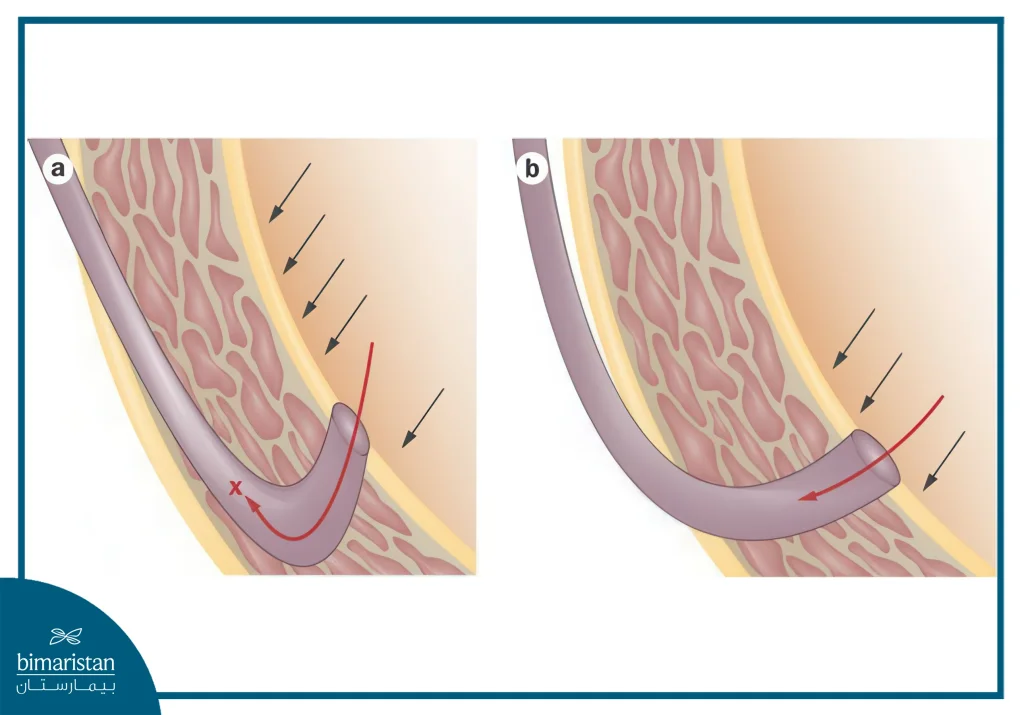
Urinary reflux or vesicoureteral reflux is a condition in which urine flows abnormally from the bladder to the ureters and then to the kidneys. Urinary reflux is usually caused by a weakness in the valve that separates the bladder from the ureters, which prevents urine from flowing in the right direction. It affects about 1-2% of children and is more common in girls than boys. The condition is diagnosed in early childhood and is often associated with urinary tract infections.
Causes of vesicoureteral reflux in children
The causes of vesicoureteral reflux in children vary widely and include:
- Genetic factors: Research shows that there is a strong genetic link with urinary reflux. If a parent has suffered from the condition, there is a high likelihood that the child will develop this condition.
- Congenital anomalies: Certain congenital abnormalities of the urinary system can cause urinary reflux. The abnormal structure of the ureter or bladder may lead to a weak valve between them, allowing urine to flow in the opposite direction.
- Urinary tract infections: Recurrent urinary tract infections are a common cause of reflux, as infections can lead to tissue damage and increased pressure within the bladder, making it easier for reflux to occur.
- Diet: Some studies suggest that certain foods and beverages, such as caffeine or spicy foods, can affect bladder health and increase symptoms in children.
- Other factors: Environmental influences and exposure to pollutants or chemicals may not be adequately considered in reflux studies.
Hormonal changes in puberty can affect bladder function, which can worsen reflux in some children.
Symptoms and clinical signs of vesicoureteral reflux
Symptoms of vesicoureteral reflux are classified into two categories: common symptoms and advanced symptoms:
Common symptoms
Common symptoms of vesicoureteral reflux include:
- Increased frequency of urination
- Pain during urination
- Nocturnal urination
- Fever or chills that indicate an infection
Drinking enough fluids helps reduce the concentration of urine, which may reduce irritation and symptoms in children.
Advanced symptoms
In more serious cases, less common symptoms may occur, such as:
- Abdominal or back pain
- Vomiting or nausea
- Blood in the urine
- Severe cases of reflux can cause long-term damage to the kidneys, as the backflow of urine exerts excessive pressure, potentially resulting in kidney failure
- Impact on growth: Vesicoureteral reflux can affect a child’s physical development due to constant stress and pain.
Diagnosing vesicoureteral reflux in children
Techniques for diagnosing vesicoureteral reflux in children vary, including:
- Clinical examinations: Diagnosis begins with a thorough medical evaluation, including a physical examination and a review of the child’s medical history. The doctor may ask about symptoms and family history.
- X-rays: X-rays are used to visualize the urinary system and detect any abnormalities.
- Ultrasound: Ultrasound is able to assess the condition of the kidneys and bladder and can be used to determine if there are any signs of kidney damage.
- Cystoscopy: Cystoscopy may be a necessary procedure to directly assess the condition of the bladder and ureters.
- Urine tests: A urinalysis and culture can help determine the presence of any infection.
Vesicoureteral reflux is often diagnosed late because parents and doctors may not recognize the symptoms. This delay can worsen the condition. Additionally, doctors may misdiagnose it as a urinary tract infection if they do not perform the necessary tests.
When is surgical treatment of vesicoureteral reflux in children necessary?
Surgical treatment of vesicoureteral reflux in children is indicated when there are:
- Recurrent infections that occur despite non-surgical treatment
- Congenital abnormalities that need to be corrected
- Severe symptoms
Surgical treatment of vesicoureteral reflux in children
There are several procedures that can be used to surgically treat vesicoureteral reflux in children
Ureteral reimplantation surgery
Ureteral reimplantation is a surgical method used to treat vesicoureteral reflux in children. In this procedure, the ureter is reconnected to the bladder in a manner that prevents the backward flow of urine. By repositioning the ureter, it is better able to stop urine from flowing in the opposite direction. Ureteral reimplantation helps reduce the occurrence of urinary tract infections, improves kidney function, and enhances the overall quality of life.
Ureteral reimplantation steps
- Anesthesia: The baby is fully anesthetized using general anesthesia.
- Surgical incision: The surgeon makes an incision in the abdomen to access the bladder and ureter.
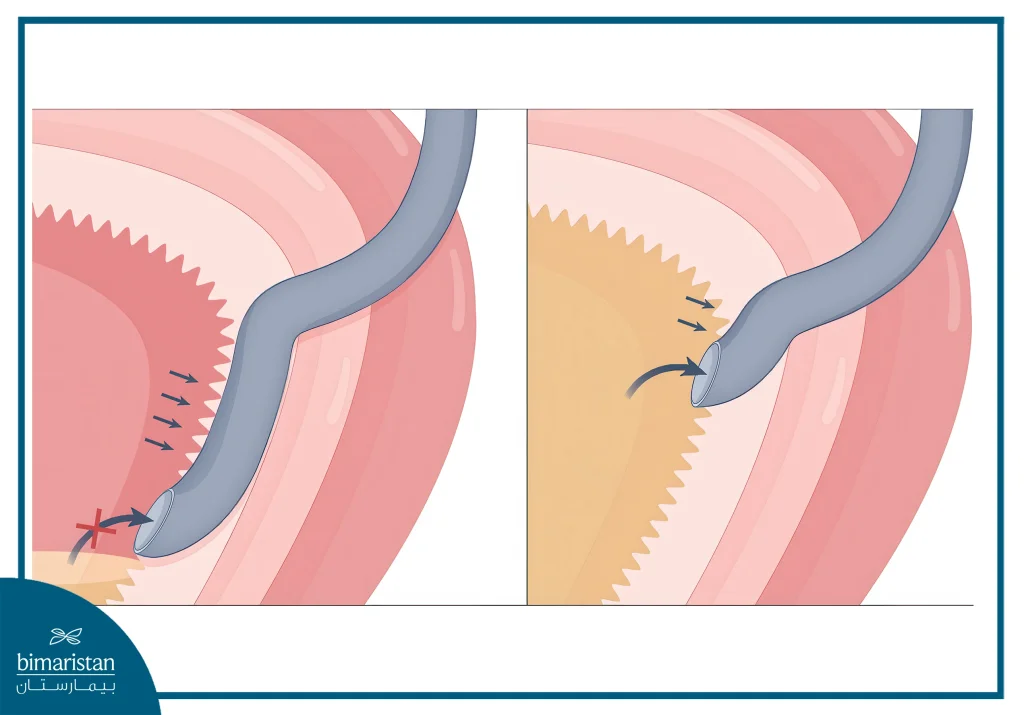
- Ureteral reimplantation: The ureter is separated from the bladder and reattached in a new location. In one word or another, the surgeon creates a new valve to prevent urine from returning to the ureter.
- Closing the incision: The incision is closed with stitches after the procedure is completed.
Possible risks
Ureteral reimplantation may have several risks, such as:
- Bleeding: Bleeding may occur during or after the procedure.
- Infection: Risk of infection at the surgical site.
- Tissue damage: Surrounding tissue can be damaged during the procedure.
Surgery to correct congenital anomalies
This procedure is used to surgically treat vesicoureteral reflux in children and correct any congenital abnormalities of the urinary system, such as structural defects in the ureters or bladder that may be the cause of vesicoureteral reflux. This surgery corrects the underlying issue by addressing the root cause of the reflux and improving overall functioning.
Steps to surgically correct congenital anomalies to treat vesicoureteral reflux
- Anesthesia: The baby is fully anesthetized.
- Locating the deformity: The surgeon locates the deformity using X-rays or ultrasound.
- Deformation correction: Defects, such as a reshaped bladder or ureter, are repaired.
- Closing the incision: The incision is closed.
Possible risks
Surgery to correct congenital anomalies can have several risks, such as:
- Reflux recurrence: The condition may persist after surgical treatment of vesicoureteral reflux in some children.
- Complications of anesthesia: There are risks associated with anesthesia that may directly affect the heart.
Laparoscopic surgery
Laparoscopic surgery is one of the most important ways to surgically treat vesicoureteral reflux in children, a modern technique that uses small instruments and a camera to see inside the body without the need for large incisions. Laparoscopic surgery is less invasive and requires a shorter recovery period and less pain, and the smaller incisions result in less scarring and risks compared to conventional surgery.
Surgical treatment of vesicoureteral reflux in children: Steps of laparoscopic surgery
- Anesthesia: The baby is fully anesthetized.
- Insertion of the laparoscope: The laparoscope is inserted through a small incision in the abdomen.
- Performing the operation: The surgeon makes the necessary adjustments to the ureter or bladder using small instruments.
- Closing the incision: Smaller incisions are closed.
Possible risks
Laparoscopic surgery can have several risks, such as:
- Blurred details: It can be difficult to see fine details in some cases.
- Frequent need for surgery: Some cases may require additional surgery.
Non-surgical treatment
Surgical treatment of vesicoureteral reflux is more effective, but in some cases, non-surgical treatment may be considered, such as:
- Medications: Certain medications, such as antibiotics, may be used to treat vesicoureteral reflux and prevent urinary tract infections.
- Observation: Doctors may prefer to monitor the condition without surgical intervention, especially if the symptoms are mild or the child does not have a history of recurrent infections.
- Gene therapy: New research is exploring the possibility of using gene therapy to treat certain genetic conditions associated with urinary reflux, a field that is still in its infancy but holds great promise.
After surgical treatment of vesicoureteral reflux in children
The post-surgical phase of vesicoureteral reflux plays a major role in minimizing pain and speeding recovery by:
- Wound care: Parents should monitor the wound and make sure it doesn’t show signs of infection, such as redness or swelling.
- Pain management: Your doctor can prescribe medications to relieve pain after surgery, and these should be fully adhered to.
- Follow up with the doctor: It is important for parents to schedule follow-up appointments with the doctor to make sure the child is recovering well.
Symptoms to watch for after surgical treatment of vesicoureteral reflux in children
Parents should watch for any signs of complications and always communicate with their doctor. These signs include:
- High temperature
- Severe unexplained pain
- Signs of infection
Surgical treatment of vesicoureteral reflux in children is a crucial option in severe or persistent cases. This approach encompasses various techniques aimed at correcting the reflux and reducing associated risks. Postoperative follow-up plays a vital role in ensuring complete recovery and preventing future complications. Successfully treating pediatric reflux through surgery can help children achieve lasting urinary health and a more comfortable life.
Sources:
- Medscape Editorial Board. (n.d.). Vesicoureteral reflux: Treatment. In eMedicine. Retrieved July 5, 2025
- Heidenreich, A., Ozgur, E., & Becker, T. (2004). Surgical management of vesicoureteral reflux in pediatric patients. World Journal of Urology, 22(2), 96-106
- Sung, J., & Skoog, S. (2012). Surgical management of vesicoureteral reflux in children. Pediatric Nephrology, 27(4), 551-561.