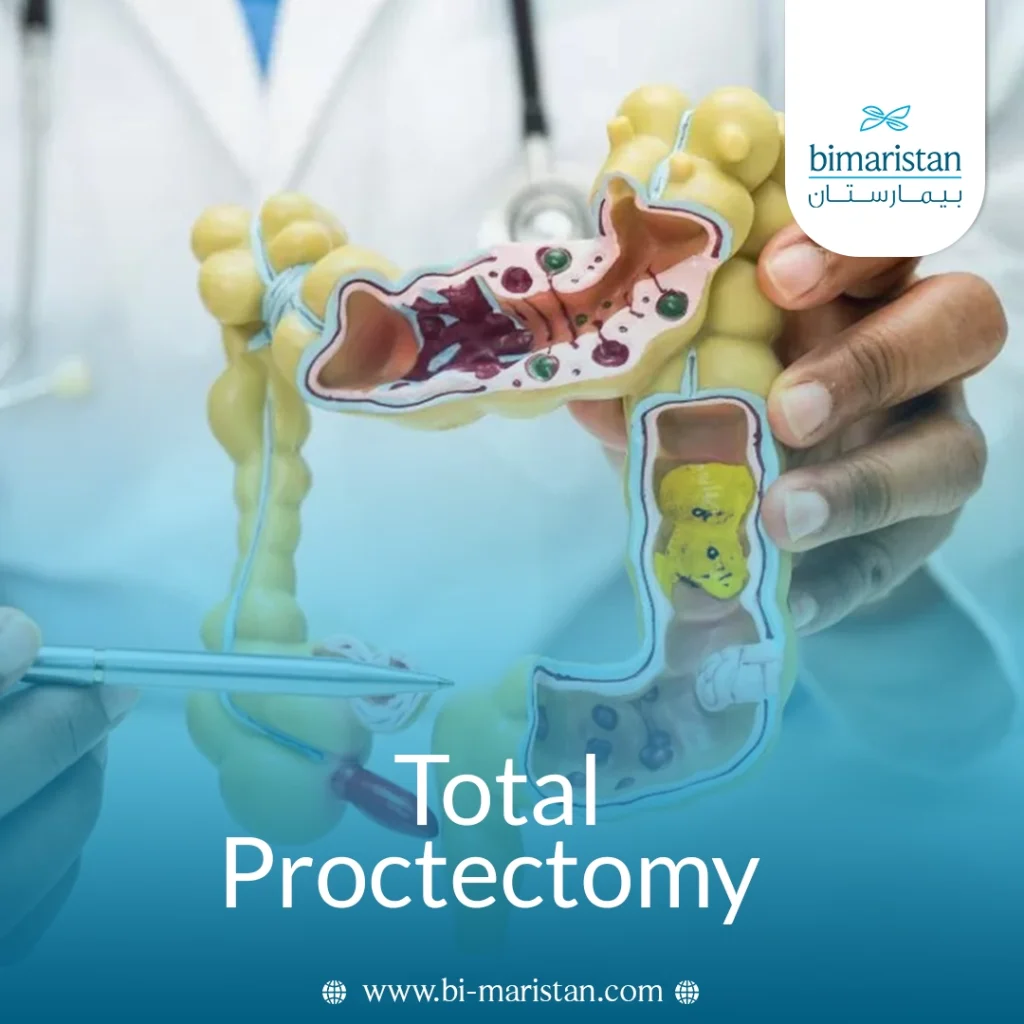

Total Proctectomy is an advanced surgical procedure often performed to treat advanced rectal cancer when other treatments are not enough to achieve a cure. This type of surgery aims to remove the entire rectum, and sometimes the anus, to prevent the tumor from spreading and improve survival.
With the development of surgical techniques, total proctectomy is now performed in specialized centers using open, laparoscopic, or robotic surgery, with high success rates and fewer complications. Turkey is one of the leading destinations for this type of surgery thanks to the expertise of surgeons and the availability of modern technologies, in addition to the affordable cost and integrated medical support that patients coming for treatment from abroad receive.
What is a total proctectomy?
A total proctectomy is a surgical procedure in which the entire rectum is removed, sometimes including removal of the anus as well, and is mainly used to treat advanced rectal cancer or cases in which the tumor has spread to the surrounding muscles or anus. After the rectum is removed, feces are diverted through a colostomy hole in the abdominal wall, and in some cases, especially when the rectum is completely removed, this hole may be permanent. This procedure aims to eradicate the tumor, prevent it from spreading, and improve the chances of recovery and survival.
Total proctectomy is performed using open, laparoscopic, or robotic surgery, and the choice of method depends on the stage of the disease, the patient’s general condition, and the experience of the surgical team.
When does a patient need a total proctectomy?
A total proctectomy is needed in cases where conservative treatment or partial resection is not enough to eradicate the disease, and the goal is to radically remove the tumor and prevent its recurrence or spread. The most important cases include the following:
- Advanced rectal cancer: When the tumor is in advanced stages, especially if it extends to the entire rectal wall or reaches the surrounding muscles or anal area, a total rectal resection becomes the most appropriate surgical option.
- The tumor has reached the anal sphincter: If the cancer affects the muscles responsible for controlling defecation, the anus cannot be preserved, and the entire rectum must be removed along with the anus.
- Relapsed rectal cancer: When cancer returns after previous surgery or radiation therapy, a total rectal resection may be necessary to achieve disease control.
- Some non-cancerous conditions: These are rare, such as severe infections or serious complications that lead to significant damage to the rectum and the inability to repair it.
- Failure of other treatments: If the tumor does not respond to chemotherapy or radiation, or continues to grow after treatment, total rectal resection is used as the final treatment option.
Types of total proctectomy surgery
There are several ways to perform a total proctectomy, and the choice of the type of surgery depends on the location, stage, and general condition of the tumor, as well as the experience of the surgical team and available techniques.
- Abdominoperineal resection: This is the most common type of total proctectomy and is used when the tumor is very close to the anus or extends into the sphincter. The rectum and anus are removed together and require the creation of a permanent colostomy.
- Total proctectomy with a permanent opening: A procedure in which the entire rectum is removed, and stool is diverted through an opening in the abdominal wall. It can be performed using open or laparoscopic surgery and is used in cases where anal function cannot be preserved.
- Laparoscopic total proctectomy: Performed using tiny instruments through small incisions in the abdomen, it is characterized by less postoperative pain, faster recovery time, and fewer complications compared to open surgery, while maintaining the same therapeutic results.
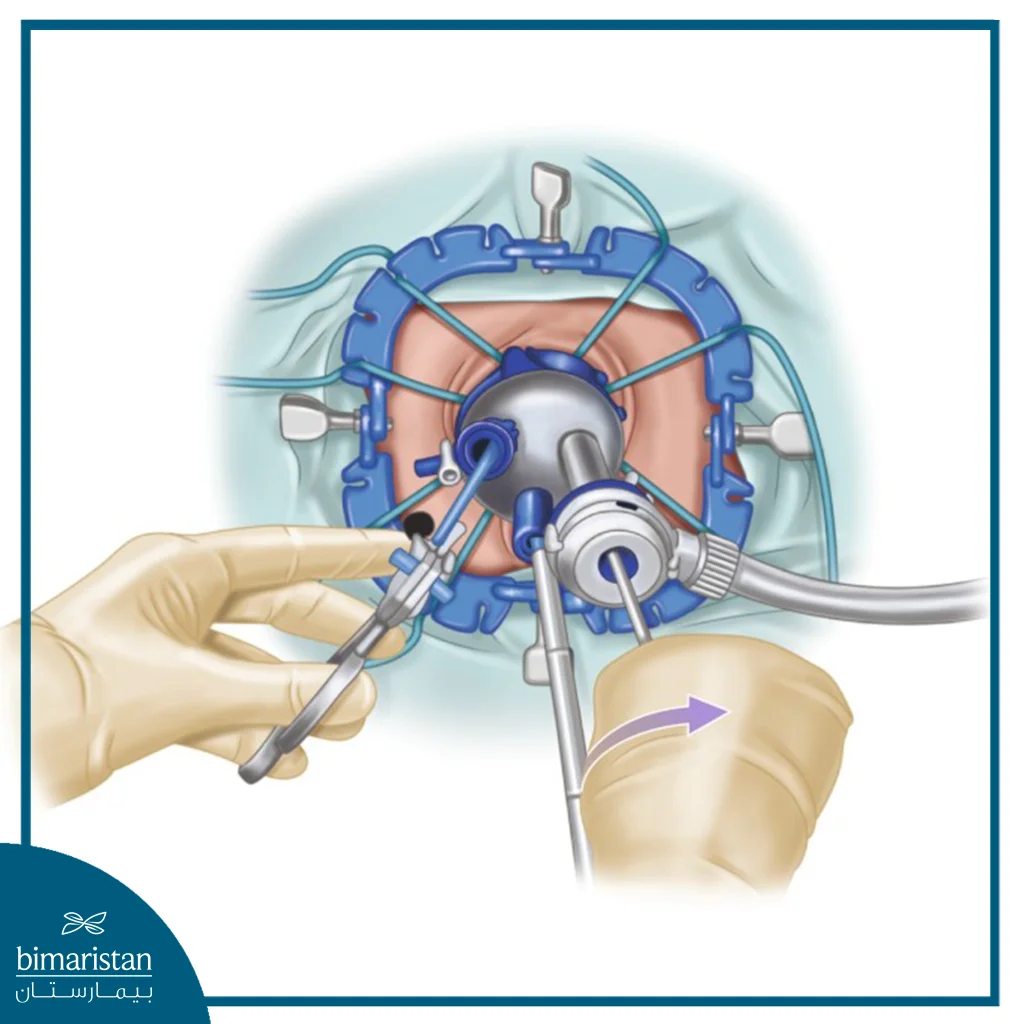
- Transanal total mesorectal excision (TaTME): A modern technique in which the resection is performed through the anus using special instruments, allowing a better view of the tumor, especially in the narrow pelvis, and is considered an advanced option in some cases of intermediate and advanced rectal cancer.
- Robotic total proctectomy: Performed using advanced robotic systems that give the surgeon high precision and improved mobility, it is used in advanced centers to treat complex cases, especially when there is a desire to minimize harm to surrounding tissues.
This medical procedure is a new way to perform a total mesorectal excision through the anus, rather than through incisions in the abdomen like a traditional total mesorectal excision. Transanal total mesorectal resection may allow the tumor to be removed more easily through the anus, especially when the cancer is located in the lower rectum and is difficult to access through the abdomen.
How is a total proctectomy performed?
A total proctectomy is a step-by-step procedure that aims to remove the entire tumor while preserving as much of the surrounding tissue as possible and minimizing complications, and is usually performed under general anesthesia. Before the operation, the patient undergoes thorough examinations, including imaging, blood tests, and anesthesia evaluation, and may be given preliminary radiation or chemotherapy in some cases of rectal cancer to shrink the size of the tumor.
The surgeon removes the entire rectum along with the surrounding tissue (mesentery), and in advanced cases may include removal of the anus. Next, the bowel is diverted, and a permanent or temporary colostomy is created, depending on the patient’s condition and the type of surgery. Total proctectomy can be performed in several ways, and the most appropriate method is chosen according to the location of the tumor, the stage of the disease, and the experience of the surgical team.
A total proctectomy usually takes between 3 to 5 hours, depending on the complexity of the case and the type of technique used, with careful post-operative follow-up in the hospital.
Is a permanent colostomy performed after a total proctectomy?
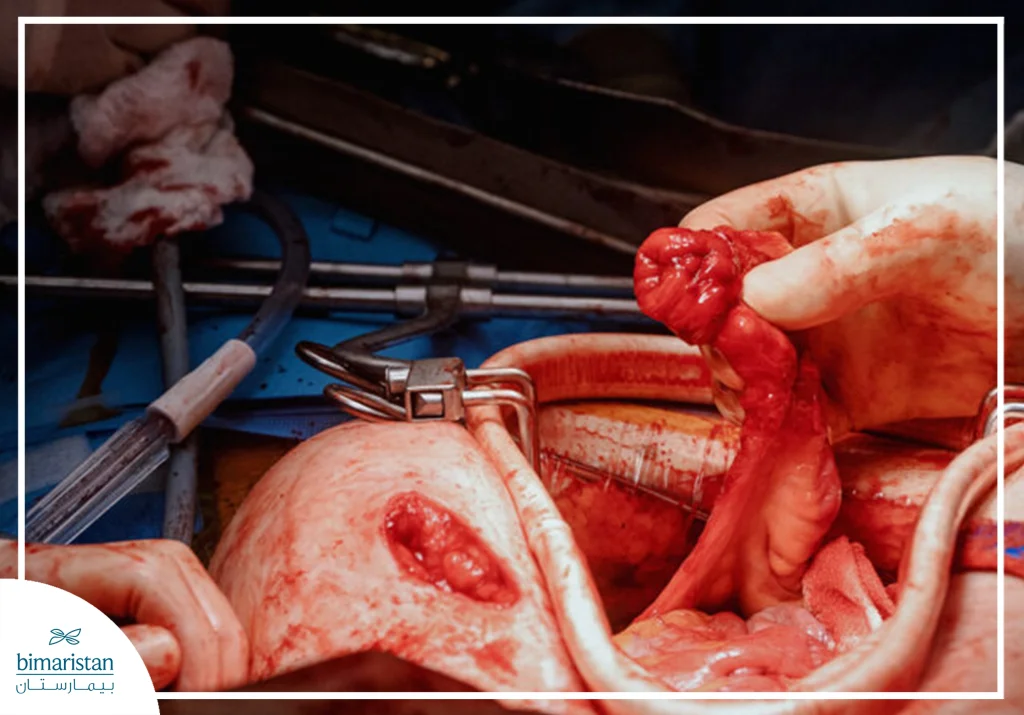
After a total proctectomy, a colostomy is often made in the abdominal wall to divert stool, because removal of the entire rectum may prevent the digestive system from functioning normally. The opening is permanent when the resection includes the removal of the anus along with the sphincter. In cases of advanced rectal cancer in which anal function cannot be preserved. If bowel reconnection can’t be done safely because of the patient’s health condition or the location of the tumor. In some cases, a temporary exit hatch may be performed during recovery to allow the tissues to heal before a later bowel reconnection. The goal is to minimize the risk of complications and ensure a smooth recovery.
Comparison of open and laparoscopic surgery in total proctectomy?
When it comes to total proctectomy, many people wonder which is the best way to perform the procedure: Traditional open surgery or Laparoscopic Surgery. Each method has advantages and disadvantages that determine the choice based on the patient’s condition and the experience of the surgical team. Open surgery, which is the traditional method of removing the entire rectum, is performed through a large incision in the abdomen to access the rectum and is suitable for very complex cases or large tumors, but the recovery period is longer, postoperative pain is greater, and the possibility of complications is higher compared to laparoscopic surgery.
Laparoscopic surgery is performed through small incisions, precision instruments, and a camera, which minimizes damage to surrounding tissues. It is characterized by less postoperative pain, faster recovery time, and smaller scars, but it requires high expertise from the surgeon and may not be suitable for all complex cases:
- Mild to moderate cases: Laparoscopy is preferred to speed recovery and minimize complications.
- Complex or very advanced cases: Open surgery may be the best option to ensure complete removal of the tumor.
- Robotic surgery can also be used as an advanced option that combines the precision of laparoscopy with the power of control of open surgery.
Possible complications after total proctectomy
Although total proctectomy is a relatively safe procedure when performed in advanced centers, it may be associated with some complications, the severity of which varies depending on the type of surgery and the patient’s general condition.
Short-term complications
- Internal or external bleeding
- Wound or abdominal cavity infection
- Problems with the healing of the intestines or the opening of the excretory tract
- Blood clotting (deep vein thrombosis)
- Severe pain or temporary swelling
Long-term complications
- Problems with bowel movements or fecal control when attempting to reconnect the bowel
- Intestinal obstruction or narrowing of the opening
- Hernia around Colostomy
- Changes in daily life or the ability to do normal activities
- Psychological effects associated with a permanent fecal opening
How to minimize risks after a total proctectomy
- Choosing advanced medical centers like those in Turkey with high surgical expertise
- Adhere to pre- and post-operative instructions
- Careful post-operative follow-up to ensure proper recovery
- Using modern techniques (laparoscopic or robotic) to minimize damage to surrounding tissues
Recovery period after total proctectomy
The recovery period after a total proctectomy varies depending on the type of surgery, the patient’s general condition, and the complexity of the operation.
- Length of hospital stay: Usually 5-10 days after open surgery. In the case of laparoscopic or robotic surgery, the length of stay may be as short as 3-5 days.
- Return to daily life: Light activities can be resumed after 3-4 weeks, and normal daily activities often after 6-8 weeks, depending on the speed of recovery and medical recommendations.
- Adjusting to a colostomy: If a permanent or temporary colostomy is created, the patient needs to learn to care for it during the first few weeks. Specialized medical and nursing support in Turkey helps to facilitate adaptation and maintain quality of life.
Success and survival rates after total proctectomy
Total proctectomy is an effective surgical procedure for advanced rectal cancer and plays a crucial role in increasing the chances of cure and preventing the spread of the tumor. Success rates for complete tumor removal exceed 90% of cases performed in advanced centers. The use of modern techniques such as laparoscopic, robotic, or transanal resection (TaTME) enhances the accuracy of the operation and reduces the likelihood of cancer cells remaining.
The 5-year survival rate after total rectal resection varies according to the stage of the disease: in early and intermediate stages it is approximately 70-90%, while in advanced stages it is approximately 50-70%, with variation according to the individual case.
Total Proctectomy Cost in Turkey
Turkey is one of the leading medical destinations for total rectal resection at competitive prices compared to Western countries, with high-quality treatment in accredited centers and experienced surgeons. The cost of colorectal cancer surgery (total resection or related surgery) in Turkey typically ranges from around $8,000 to $18,000, depending on the case and surgical techniques used.
Factors Affecting the Cost of Kiloablation
- Type of surgical technique: Open surgery is usually less expensive than laparoscopic or robotic surgery. Robotic surgery may involve higher prices due to the use of advanced techniques.
- The stage of the disease and the complexity of the case: Complex cases may require additional procedures or a longer hospital stay.
- Comprehensive treatment package: Some hospitals offer comprehensive treatment packages that include tests, anesthesia, hospitalization, follow-up, and sometimes accommodation and transportation services.
- Experience of the medical team and hospital: Hospitals with international accreditation or highly experienced doctors may have higher costs.
The cost of colorectal cancer treatment in Turkey is much lower compared to the United States or Europe, where the cost in the West can reach $20,000 – $40,000.
Why is total proctectomy in Turkey an option?
Turkey is recognized as a leading destination for medical tourism, especially for total rectal resection surgery, due to its advanced treatment quality, competitive prices, and full support for patients coming from abroad.
- Experience of surgeons and medical centers: Highly experienced surgeons who specialize in colorectal surgery. Internationally accredited centers that follow the latest treatment and surgery protocols.
- Modern and advanced techniques: Laparoscopic surgery, robotics, and transanal resection (TaTME). Minimize complications and speed up recovery time compared to traditional methods.
- Multidisciplinary teams: Collaboration between surgeons, oncologists, dietitians, and nurses to ensure integrated care. Careful follow-up before and after surgery to optimize treatment outcomes.
- Logistical and language support: Complete services for foreign patients, including reception, accommodation, translation, and transportation between the hospital and the hotel. Facilitate a less stressful and more comfortable treatment journey.
- Affordable cost and high quality: Much lower cost compared to European countries or the United States, while maintaining the highest quality standards. Comprehensive treatment packages that include surgery, follow-up, and tests, making it an economical and practical option for international patients.
Total proctectomy surgery is a critical procedure for advanced rectal cancer and offers high chances of cure when choosing a specialized center. In Turkey, centers like Bimaristan offer integrated care that includes the latest surgical techniques, multidisciplinary medical teams, and full support for international patients before and after surgery, to ensure a safe and successful treatment experience with complete peace of mind.
Sources:
- The Iowa Clinic. (n.d.). Proctectomy (rectal resection)
- Menon G, Wei R, Bamford R. Abdominoperineal Resection. . In: StatPearls
- Cancer Research UK. (2025, June 25). Types of surgery for rectal cancer
- Intuitive Surgical. (n.d.). Rectal resection: Robotic-assisted surgery with da Vinci