Turkey has become one of the world’s leading destinations for surgical treatment of the ear, including the reconstruction of the middle ear bone that helps improve hearing. This surgery attracts many international patients due to the advanced medical level, specialized staff, and modern technologies used in Turkish hospitals. Turkey offers a complete treatment experience that combines high quality and competitive prices compared to other European countries, making it a preferred choice for those looking to improve their hearing safely and efficiently.
What is ossiculoplasty?
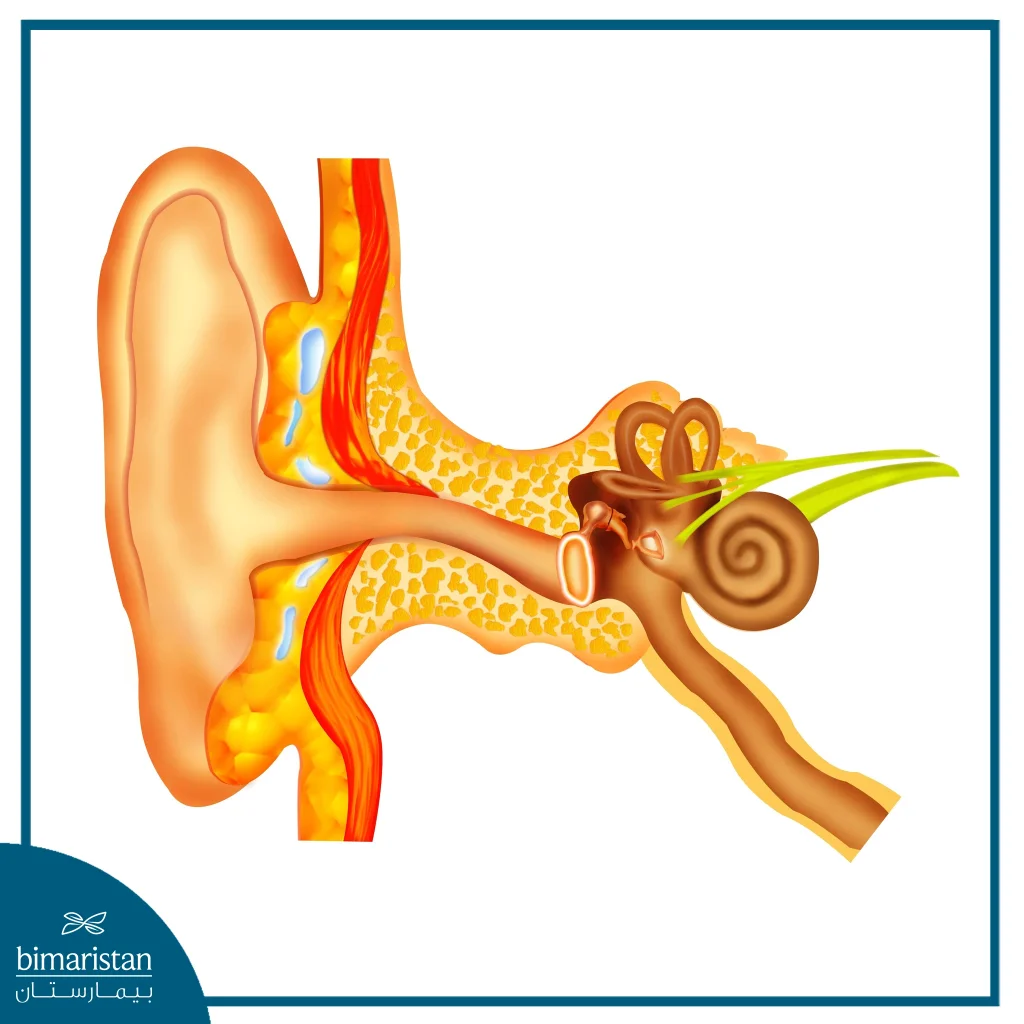
Ossiculoplasty is a surgical procedure to repair or replace the three small bones in the middle ear, known as the malleus, incus, and stapes. These bones play a vital role in transmitting sound waves from the eardrum to the inner ear, where they are converted into nerve signals that the brain understands as sounds. This pathway is called the ossicular chain.
When these bones are damaged or abnormal, a condition known as ossicular chain disruption, it prevents sound from reaching the inner ear, resulting in conductive hearing loss. In such cases, an ear surgeon reconstructs the chain of bones, often using artificial implants to replace the damaged or missing bones, helping to restore the ability to hear better.
In some cases, there is damage to the eardrum as well, necessitating eardrum surgery in conjunction with middle ear bone reconstruction to ensure the best hearing outcome. During the procedure, the surgeon uses artificial implants or natural bones to reconnect sound from the eardrum to the inner ear, helping to significantly improve hearing.
What does ossiculoplasty involve?
Reconstruction of the middle ear bones is a precise and effective procedure for the treatment of conductive hearing loss caused by damage to the ear bones. What makes it an excellent treatment option is its ability to restore hearing function without the need for long-term solutions such as hearing aids in many cases. The procedure also makes it possible to use advanced implants that are compatible with the body’s tissues, minimizing the likelihood of rejection or failure.
In addition, the procedure has long-term results, helping the patient regain normal or near-normal hearing, which has a direct impact on their quality of daily life, social interaction, and self-confidence. Thanks to modern medical advances, this surgery has become more accurate and safer with a high success rate compared to traditional methods.
Conditions that require reconstruction of the middle ear bones
Not all hearing loss or middle ear issues require surgery, but there are certain conditions that make middle ear bone reconstruction the best option for improving hearing and restoring the function of damaged bones. In this article, we will review the most common conditions and how to recognize them.
- Chronic middle ear infections: Inflammation that erodes the ossicles, causing conductive hearing loss, which is the most common cause of ossicular chain breaks.
- Chronic conductive hearing loss: Occurs when the bones fail to transmit sound from the eardrum to the inner ear due to damage or wear.
- Injuries or fractures of the middle ear bones: Accidents or severe trauma can affect the malleus, anvil, or stapes and require surgical repair.
- Erosion of the bones from previous operations or ear tumors: Certain operations or tumor growth in the middle ear may cause bone damage and require reconstruction.
- Cholesteatoma: A mass of skin cells in the middle ear behind the eardrum.
- Congenital bone abnormalities: Missing or abnormal ear bones from birth.
- Ear cysts or tumors: A benign or cancerous growth that spreads to the middle ear.
- Stiffness of the stapes: Abnormal bone growth in the middle ear.
Reconstruction of the middle ear bones is performed on people with damaged or worn-out middle ear bones with the goal of restoring hearing and improving quality of life.
How does ossiculoplasty work?
Reconstruction of the middle ear bones usually takes approximately one to three hours, depending on the condition of the bones and the size of the repair needed. The procedure is usually performed under general anesthesia to ensure that the patient is comfortable and does not feel any pain during the surgery. In some minor cases or in some patients, local anesthesia with a sedative may be used, but general anesthesia is the most common for patient safety. The recovery time after the procedure is also related to the type of anesthesia used and the patient’s general condition, so the doctor’s instructions should be strictly followed after the procedure to ensure the best results.
Steps of the ossiculoplasty process
Middle ear bone reconstruction is performed in several delicate stages to ensure improved hearing and restore the function of the damaged bones:
- Anesthesia: The patient is given general anesthesia to ensure they are comfortable and feel no pain during the surgery.
- Accessing the middle ear: The surgeon makes a small incision inside or behind the ear to access the middle bones (hammer, anvil, stapes).
- Evaluation of damaged bones: Bones are examined to determine the extent of damage or wear and choose the most appropriate method of repair or replacement.
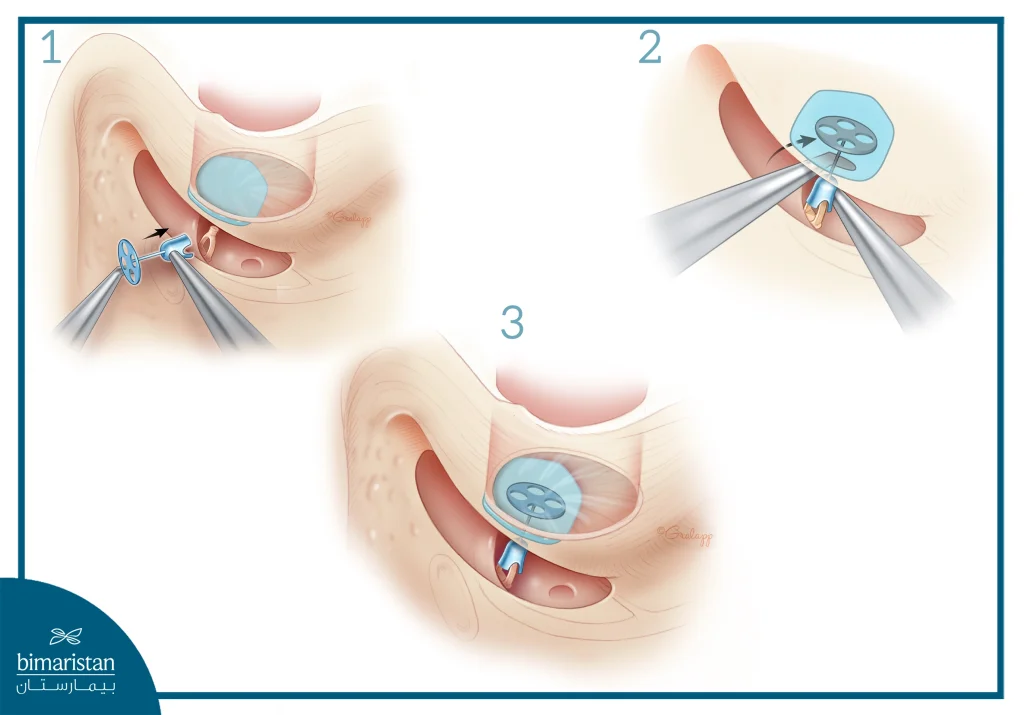
- Bone reconstruction or replacement: If the bones are repairable, they are rearranged or stabilized. If they are completely damaged, artificial implants or parts of natural bones are used to reconnect sound to the inner ear.
- Closing the incision: After the bone reconstruction is completed, the incision is gently closed, and any supportive pads are stabilized if necessary.
- Follow-up after the procedure: It is advisable to check with your doctor periodically to make sure the ear is healing properly and to monitor your hearing improvement.
Types of implants in ossiculoplasty
The effectiveness of the procedure depends on choosing the right type of implant to replace the damaged bone, and implants are divided into two main types:
- Natural implants: Use parts of the patient’s own bones if they are healthy. It helps to achieve a better match with the body and minimizes the likelihood of rejection or complications.
- Artificial implants: Made of medically safe materials such as titanium or ceramic. They are used when the original bone is completely damaged or beyond repair.
The choice of implant type depends on the surgeon’s assessment of the condition of the bones and the extent of the damage, always aiming to achieve the best hearing improvement for the patient.
Recovery time after ossiculoplasty
Recovery time varies from person to person, but it usually lasts between 4 and 8 weeks, as the body needs time to adjust to the implant and gradually restore hearing function. In the first few days after the procedure, the patient may feel some normal symptoms such as mild dizziness, tinnitus, or a feeling of fullness inside the ear, and these symptoms often disappear spontaneously over time.
During the recovery period, the patient is advised to rest and avoid exposure to water in the ear or strenuous activities. Medical check-ups are required to monitor the improvement in hearing and to ensure that the ear is healing properly. As the healing process progresses, hearing gradually improves, and patients often notice a noticeable difference after the first month, with continued improvement until complete healing.
Tips for the patient during recovery
After undergoing middle ear reconstruction, the patient must follow a set of instructions to ensure proper recovery and obtain the best results. The most important of these tips:
- Avoid exposing the ear to water, especially while bathing or swimming
- Attend follow-up appointments regularly to ensure healing progress and stabilization of the implant
- Avoid heavy lifting or physical exertion that may increase pressure inside the ear
- Refrain from blowing your nose or sneezing with your mouth closed to avoid putting pressure on the ear
- Adhere to medications prescribed by your doctor, including painkillers or antibiotics if needed
- Do not use earbuds or insert any instruments into the ear canal until your doctor authorizes it
Signs of improved hearing
Signs of improvement appear gradually, and may vary from patient to patient, but there are positive indicators that help assess the success of the procedure, including:
- Reduced sensation of ear fullness or internal pressure
- Hearing quality begins to improve in the first few weeks after the procedure
- Associated symptoms such as tinnitus or dizziness gradually diminish or disappear
- Hearing test results during follow-up that show the extent to which hearing function has been restored and sound transmission has improved
It is normal for improvement to be gradual, and full results may peak after 6-12 weeks.
Risks and potential complications of middle ear bone reconstruction
Like any surgical procedure,Reconstruction of the middle ear bones may come with some minor risks or potential complications, although these are often rare when performed by experienced specialists. Some of these complications include
- Infection: An ear infection may occur after the procedure, which is often treated with antibiotics.
- Tinnitus: Some patients may experience a temporary ringing in the ear that gradually disappears with recovery.
- Rupture of the tympanic membrane: An intact or damaged tympanic membrane may be torn during the procedure, especially when reaching the middle ear bones, and may require surgical repair.
- Unilateral disturbance of the sense of taste: Since the tympanic cord passes through the tympanic membrane, hurting it may result in a metallic taste, but this usually goes away several days after the procedure.
- Sensorineural hearing loss: During this and any other middle ear surgery, there is a small risk of deafness due to damage to the hearing aids.
- Dizziness or loss of balance: Due to the proximity of the middle ear to the balance system of the inner ear, this condition may be temporary.
- Movement or failure of the implant: The implant may need to be reinstalled or replaced in a few cases if it doesn’t stabilize properly.
- Hearing does not improve as expected: In some cases, the procedure may not produce the desired results, especially if the ear is already severely damaged.
It is important to follow up with the doctor after the procedure and report any abnormal symptoms to ensure that they are dealt with in a timely manner and ensure the best possible outcome.
Middle Ear Reconstruction Results and Patient Expectations
Middle ear ossicle reconstruction is an effective procedure for restoring hearing in patients with damaged or eroded middle ear bones. Although results may vary from person to person depending on the underlying cause and the condition of the ear prior to surgery, most patients notice a significant improvement in hearing after the recovery period.
Medical studies indicate that the improvement in hearing after the procedure can range from 60% to 90%, depending on the type of implant used, the response of the ear, and the experience of the surgeon. Some patients may require post-operative audiologic evaluation sessions to fine-tune the results or monitor the progression of improvement over time.
The impact of ossiculoplasty on quality of life
For many patients, improvement includes not only restoring hearing, but also improving overall quality of life by:
- Enhanced ability to communicate with others easily
- Minimize feelings of isolation or embarrassment caused by hearing loss
- Improved concentration, especially in social environments or while working
- Minimize the need for hearing aids in some cases
In general, the procedure is an effective treatment option with favorable outcomes for most patients, especially when performed by experienced specialists and properly followed up after surgery.
Comparison of middle ear bone reconstruction and stapesectomy
Ossiculoplasty and stapedectomy differ in the extent to which they focus on the bones of the middle ear. In ossiculoplasty, the surgeon repairs or replaces any of the three bones using artificial implants or parts of the patient’s own bone, which is appropriate when the damage is multiple or affects overall conductive hearing.
Stapedectomy, on the other hand, focuses on the stapes bone only and is usually performed to treat stapes stiffness, where it is replaced with an artificial implant to restore the movement of sound and transmit it to the inner ear. Simply put, middle ear ossicle reconstruction is used to treat multiple issues in the ossicle chain, while stapedectomy is reserved for cases of stiff stapes only.
| Element | Ossiculoplasty | Stapedectomy |
|---|---|---|
| Type of operation | Reconstruction of the middle ear bones | Stapes Bone Replacement |
| Suitable cases | Damaged or missing bones | Stiffening of the Stapes |
| Type of planting | artificial or natural | Artificial substitute |
| Success rate | 60-90% | 80-95% |
Middle ear bone reconstruction is an effective medical option for treating hearing issues resulting from damage to the bones of the middle ear, combining surgical precision and technological advances to improve hearing quality and restore the patient’s normal hearing ability. With recent advances in this field, the procedure has become safer and has reliable long-term results, especially when performed by experienced medical staff and in centers equipped with modern technology.
At Bimaristan, we are committed to providing comprehensive medical care to patients from different countries, from the first consultation to arranging the operation in the best specialized hospitals in Turkey, to post-operative follow-up to ensure the best results. If you suffer from hearing loss or are looking for a permanent solution to ensure a more comfortable and confident life, our team is here to help you step by step towards recovery and improve your quality of life.
Sources:
- Penn Medicine. (n.d.). Ossiculoplasty. Penn Medicine
- Young, A., & Ng, M. (2024, December 11). Ossiculoplasty. In StatPearls. StatPearls Publishing
- Kuru A, Bayram A, Tokmak TT, Yaşar M. Bone mineral density of the incus body and long process in patients with chronic otitis media and its relationship with functional outcome in type II tympanoplasty. Acta Otolaryngol. 2024 Mar;144(3):233-236
- Ringeval S, Fortunier R, Forest B, Martin C. Influence of the shape and material on the behaviour of a total ossicular replacement prosthesis. Acta Otolaryngol. 2004 Sep;124(7):789-92
- Martins J, Silva H, Certal V, Amorim H, Carvalho C. Osiculoplastia con prótesis de titanio . Acta Otorrinolaringol Esp. 2011 Jul-Aug;62(4):295-9. Spanish