
Obesity is one of the most prominent public health issues of modern times, as it is associated with an increased risk of chronic diseases such as type 2 diabetes, heart disease, and high blood pressure. The condition results from a complex interaction among unhealthy eating habits, physical inactivity, and genetic and hormonal factors, leading to excessive accumulation of body fat. Given its profound impact on physical and mental health and quality of life, understanding the causes of excessive obesity is an essential step in preventing and managing it effectively.
Causes of excessive obesity in women
The causes of obesity vary among women due to overlapping biological, psychological, and environmental factors. These factors make women more susceptible to excessive weight gain at different stages of their lives.
- Hormonal changes: Changes that occur during pregnancy, postpartum, or menopause affect the rate of fat burning and fat distribution, increasing the likelihood of obesity.
- Medications and hormonal treatments: Some contraceptives or hormonal treatments may lead to increased appetite or changes in body fat distribution.
- Psychological factors: Psychological stressors such as anxiety and depression make some women more likely to overeat as a means of coping.
- Lack of physical activity: Being busy with daily responsibilities or a sedentary lifestyle reduces the rate at which you burn calories.
- Genetic factors: Genetic predisposition plays a major role in increasing the likelihood of women becoming obese, even with a relatively healthy lifestyle.
Causes of excessive obesity in men
A combination of biological and lifestyle factors affects men, making them more likely to become obese. These reasons are different in some respects from women due to hormonal and behavioral differences.
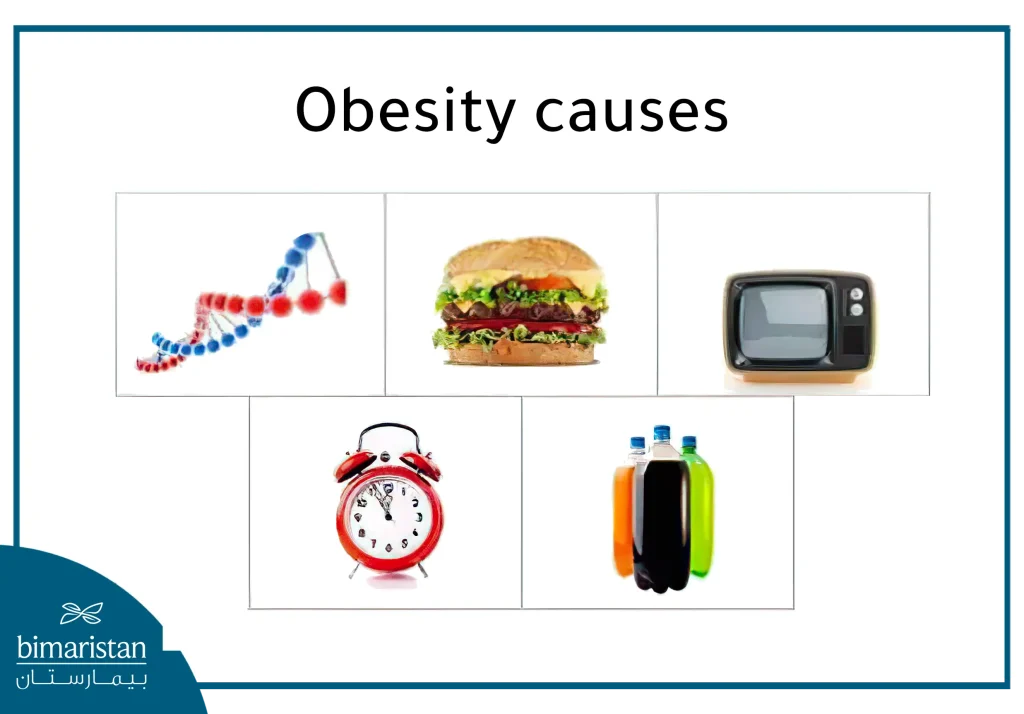
- Low testosterone: Declining testosterone levels with age slow down the burning process and increase fat accumulation, especially in the abdominal area.
- Unhealthy diet: Relying on high-calorie foods such as fast food and sodas is one of the leading causes of weight gain in men.
- Lack of physical activity: Office work patterns or lack of exercise contribute to the accumulation of calories into fat.
- Genetic factors: Genes play an important role in determining a man’s susceptibility to fat storage and distribution in the body.
- Daily habits and behaviors: Smoking, staying up late, or drinking too much alcohol are all factors that increase the likelihood of obesity.
Causes of childhood obesity
Childhood obesity is one of the most common health issues in modern times, as it affects their physical and psychological development and increases their risk of developing chronic diseases early in life. Several factors interfere with its occurrence, most notably:
- Unhealthy diet: Eating foods high in sugar and saturated fats leads to the accumulation of fat in the body.
- Lack of physical activity: Relying on electronic devices and being sedentary reduces the rate at which you burn calories.
- Genetic factors: Having a family history of obesity increases a child’s susceptibility to obesity.
- Psychosocial factors: Such as stress or family tension that may prompt a child to eat too much.
- Lack of sleep: Poor sleep quality or too few hours of sleep affects appetite-regulating hormones and increases the risk of obesity.
Complications of childhood obesity
Childhood obesity is not limited to weight gain, but is associated with health and psychological complications that may affect the child at an early age and continue until adulthood. Some of these complications include
- . Physical health complications: High blood pressure, increased risk of type 2 diabetes, cholesterol disorders, and respiratory issues such as sleep apnea.
- Psychosocial complications: Obese children may experience low self-esteem, bullying by peers, and social isolation, increasing the risk of anxiety and depression.
- Risk of continued obesity in the future: Studies show that obese children are more likely to become obese adults with obesity and associated chronic diseases.
- Problems with the musculoskeletal system: Excess weight puts extra pressure on bones and joints, which can lead to early pain and difficulties with mobility and physical activity.
Causes of Infant Obesity
Obesity can appear even in infancy and is often due to a combination of nutritional and environmental factors. Although rare compared to older children, it deserves early attention.
- Irregular feeding: Relying on infrequent feedings can disrupt appetite regulation.
- Lack of motor activity: Being sedentary or restricted for long periods of time reduces energy expenditure.
- Genetic factors: A genetic predisposition may make an infant more likely to gain excess weight.
- Overfeeding: Offering formula or food in larger quantities than the infant needs.
- Early dietary practices, Such as introducing solid foods too early.
Complications of infant obesity
Although infant obesity is less common, it can have early health effects that, if left untreated, can have lasting effects later in life. Major complications include
- Problems with growth and development: Excess weight may hinder the development of motor skills such as crawling or walking at an appropriate age.
- Increased risk of developing chronic diseases later in life: Children who are obese in infancy are more likely to develop diabetes and heart disease as adults.
- Sleep and breathing disorders: Excess weight can lead to breathing difficulties during sleep, which affects the infant’s comfort and growth.
- Future feeding issues: Getting into the habit of overfeeding at an early age can establish unhealthy eating habits that will follow the child into adulthood.
Methods of treating obesity
Treatment for obesity requires a combination of lifestyle changes and medical interventions and is determined by the patient’s health status and degree of obesity. Treatment usually starts with basic steps such as diet and exercise, with the possibility of adding psychological support or medication. In some severe cases, surgical intervention becomes a necessary option. The primary goal is to reach a healthy weight and minimize obesity-related complications such as diabetes, heart disease, and high blood pressure.
Dietary changes and calories
A balanced diet is the first step in treating obesity. Doctors recommend gradually reducing calorie consumption so that the loss is at a safe rate of 0.5 to 1 kg per week. This includes replacing foods high in saturated fats and sugars with healthy options that are rich in protein and fiber, with an emphasis on splitting meals throughout the day. Minimizing sugary drinks and relying on water and unsweetened tea helps control appetite. Consistent dietary changes are the foundation of successful treatment and support all other steps, such as exercise or medication.
Regular physical activity
Physical activity is an integral part of treating obesity, as it helps increase your metabolism and improves your body’s efficiency in using energy. At least 150 minutes of moderate aerobic exercise per week, such as brisk walking or cycling, is recommended, along with muscle-strengthening exercises twice a week. Exercise not only helps with weight loss, but it also reduces the risk of heart disease and diabetes and improves mental health. Even everyday activities, such as climbing stairs or doing housework, are an important part of increasing your level of mobility.
Behavioral therapy and psychological support
Behavioral therapy focuses on helping the patient identify and correct faulty eating habits. This includes training the patient to control the size of meals, eat slowly, and avoid stress-related eating. Psychological support is very important, as anxiety and depression are common among people with obesity and can lead to overeating. Combining psychological support with behavioral counseling provides the patient with the tools needed to maintain long-term changes and reduces the likelihood of regaining lost weight.
Medications for obesity
Medications are used as a supportive option when behavioral changes alone don’t produce the desired results. Medications include: Orlistat, which reduces the absorption of fat from the intestines, and liraglutide and semaglutide, which belong to a group of drugs that mimic the hormone GLP-1 and work to reduce appetite and increase satiety. These medications are administered under medical supervision and are suitable for patients who have a high BMI or have chronic diseases associated with obesity. It is important to monitor for possible side effects such as gastrointestinal upset or nausea.
Surgical interventions to treat obesity
In cases where diet, exercise, and medication have failed, surgery becomes an effective option. The most popular procedures include sleeve gastrectomy, which reduces the size of the stomach to limit food intake, and gastric bypass, which reduces the absorption of food and changes its path through the digestive system.
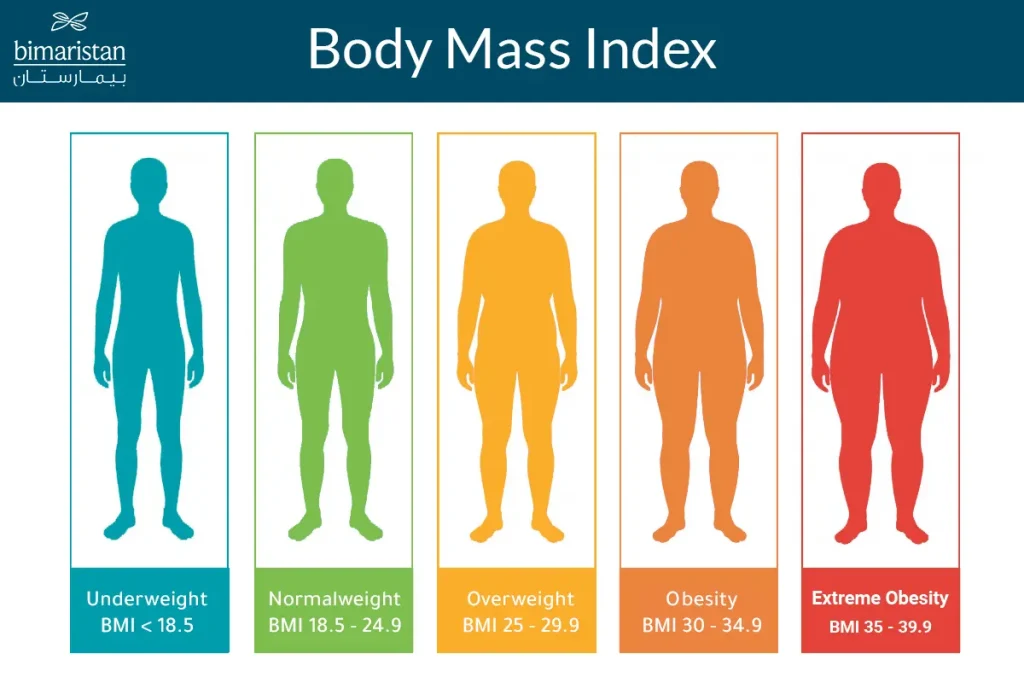
These procedures are usually performed on patients with a very high BMI (40 or more), or 35 with serious diseases such as diabetes and hypertension. Although highly effective in losing weight and improving overall health, it requires a long-term commitment to a healthy lifestyle to avoid weight regain. Surgery is one of the most important treatment options, and all types of bariatric surgery, such as gastric bypass, sleeve gastrectomy, and gastric banding, are available in Turkey.
Advantages of obesity treatment in Turkey
- Modern medical technologies: Turkish hospitals rely on the latest treatment methods such as robotic surgery and advanced laparoscopy, which increase accuracy and minimize potential complications.
- Expertise of medical staff: Doctors in Turkey have extensive experience in performing hundreds of operations annually, with careful follow-up of patients before and after surgery.
- Affordability compared to Europe: Turkey offers high-quality medical services at a much lower cost than European countries, while maintaining the same global standards.
- Comprehensive multidisciplinary care: Treatment is not limited to the operation alone, but includes nutritional counseling, psychological support, and ongoing medical follow-up to ensure long-term results.
- Integrating treatment with medical tourism: Turkey offers an integrated treatment environment that includes comfortable accommodation and tourist services, making the treatment journey easier and more comfortable for the patient and their family.
Obesity is no longer just an appearance issue, but a serious medical condition that affects various body systems and increases the likelihood of developing chronic diseases such as type 2 diabetes, high blood pressure, heart disease, and sleep disorders. Dealing with obesity requires a holistic approach, starting with awareness of its seriousness and then taking practical steps to change. A balanced diet, regular physical activity, and psychological and behavioral support are the first basis for treatment. In case of inadequate response, medications can play an effective role, while surgery remains an option for more serious cases.
Most importantly, treatment should be done under the supervision of a medical professional to ensure that the most appropriate method is chosen for each case. With the advancement of medicine and the availability of multiple options, reaching a healthy weight is a realistic goal that can be achieved with commitment and follow-up. Investing in obesity treatment is an investment in quality of life and the prevention of future health-threatening diseases.
Sources: