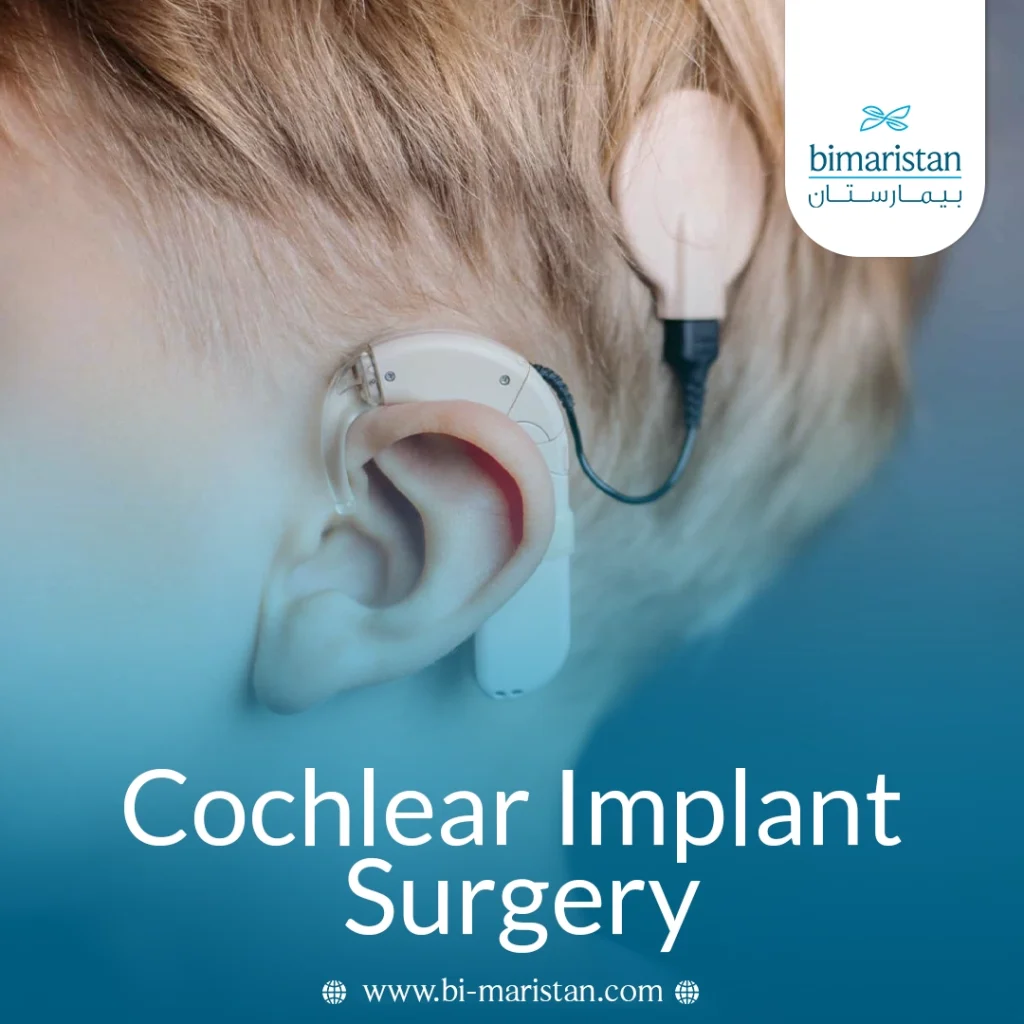
Many children and adults suffer from severe or total hearing loss that cannot be treated with traditional hearing aids, and this is where cochlear implants emerge as an advanced medical solution that restores the ability to hear and communicate with the world again. With the great development in ear surgeries and hearing technologies, Turkey has become one of the leading destinations for this procedure, thanks to the expertise of doctors, the quality of hospitals, and the affordable cost compared to other countries. In this article, we explain everything you need to know about cochlear implant surgery in Turkey, from conditions and steps to results and cost.
What is a cochlear implant?
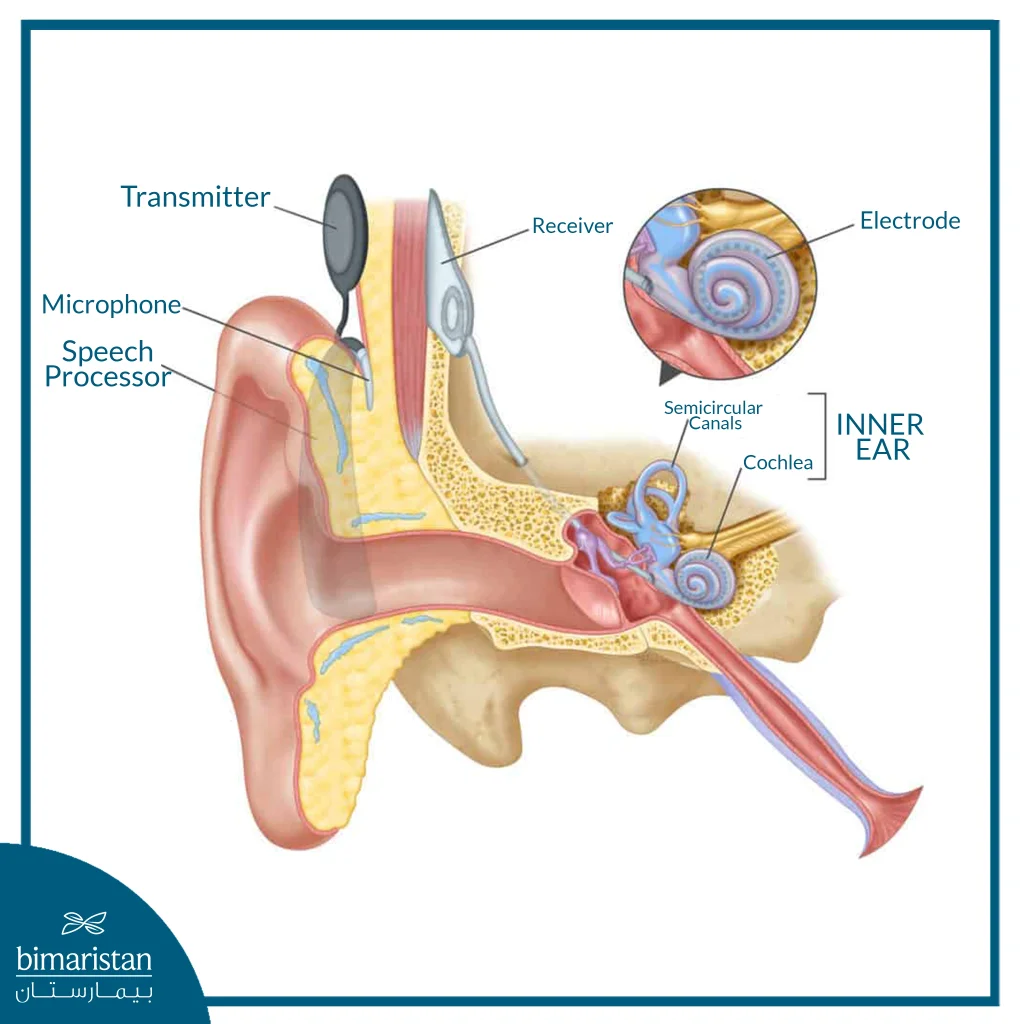
A cochlear implant is an advanced surgical procedure used to treat severe or complete hearing loss in children and adults, especially in cases where traditional hearing aids do not work. The procedure involves implanting a microelectronic device inside the inner ear (cochlea) that directly stimulates the auditory nerve and transmits sound signals to the brain. The cochlear implant consists of two parts:
- An internal part surgically implanted inside the ear
- An external part placed behind the ear that receives sounds and converts them into electrical signals
Unlike hearing aids that only amplify sound, the cochlear implant helps the brain interpret sounds, enabling the patient to gradually hear speech and ambient sounds after auditory rehabilitation.
How does a cochlear implant work?
The cochlear implant bypasses the damaged parts of the inner ear and directly stimulates the auditory nerve instead of just amplifying sound. It works in the following steps:
- Audio Capture: The exterior part of the device captures ambient sounds via a microphone.
- Converting sound into digital signals: A speech processor analyzes sounds and converts them into appropriate electrical signals.
- Transmitting signals to the implant: Signals are sent via a magnetic coil to the cochlear implant.
- Stimulation of the auditory nerve: Electrodes inside the cochlea directly stimulate the auditory nerve.
- Interpreting sound in the brain: The brain receives these signals and interprets them into understandable sounds after a period of auditory rehabilitation.
Difference between cochlear implants and external hearing aids
| Element | cochlear implant | Hearing aids |
|---|---|---|
| Mechanism of action | Direct stimulation of the auditory nerve | Audio amplification only |
| Suitable cases | Severe or total hearing loss | Mild to moderate hearing loss |
| The need for surgery | Yes | No |
| Effectiveness when the cochlea is damaged | Effective | Ineffective |
| Results | Progressive functional hearing | Limited improvement |
| Post-use rehabilitation | Necessary | Often unnecessary |
Cochlear implants are the best option for cases that do not respond to hearing aids, especially when there is damage to the cochlear cells, while hearing aids are suitable for mild to moderate cases of hearing loss.
When does a cochlear implant become the answer?
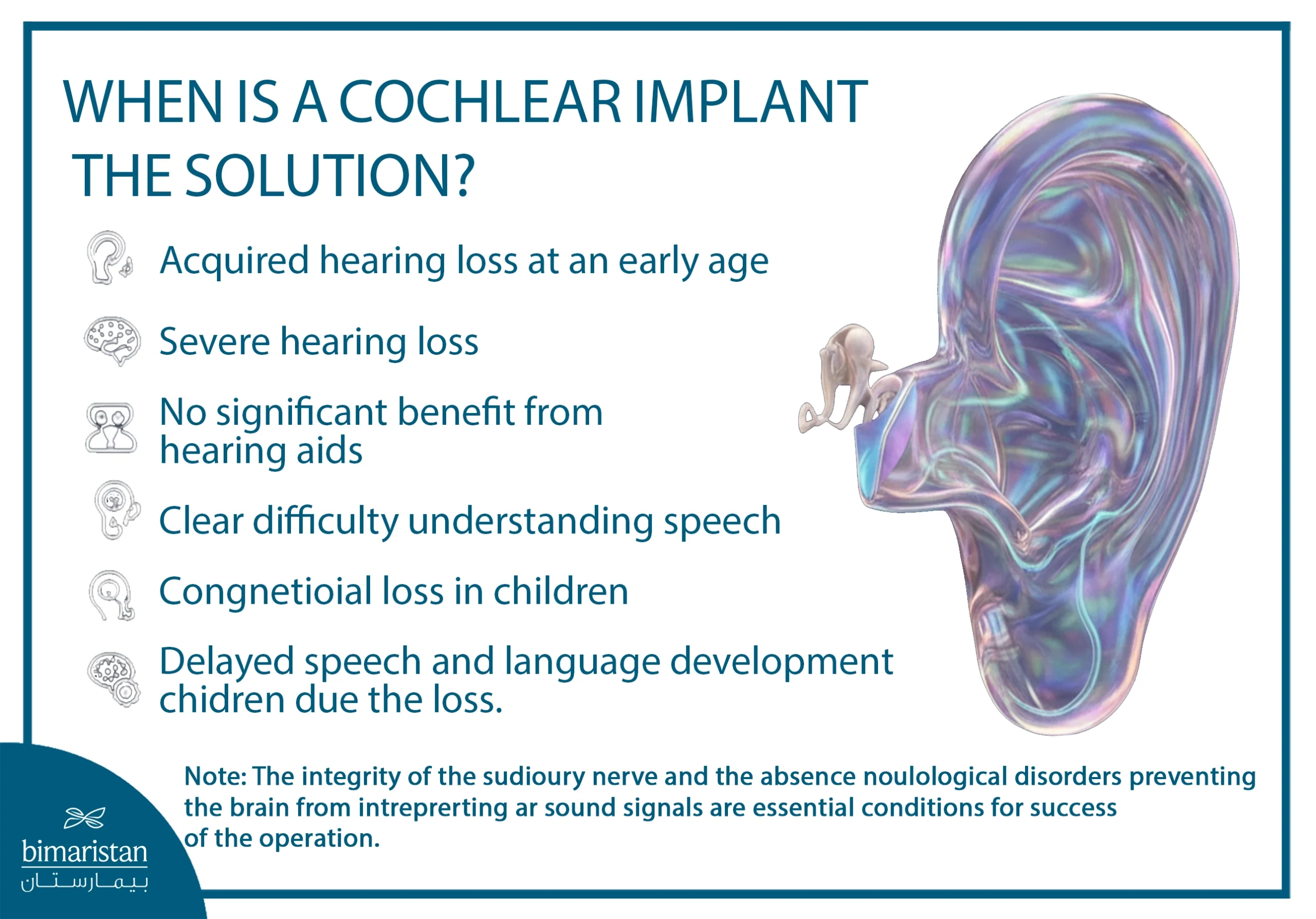
When hearing loss is severe or complete and cannot be improved with traditional hearing aids, cochlear implants are the treatment of choice, especially when the cochlear cells responsible for transmitting sound are damaged. Doctors recommend a coil implant in the following cases
- Severe or profound hearing loss in one or both ears
- No real benefit from hearing aids despite regular use
- Obvious difficulty understanding speech, even with amplification
- Congenital hearing loss in children or hearing loss acquired at an early age
- Delayed speech and language development in children due to hearing loss
The integrity of the auditory nerve and the absence of neurological disorders that prevent the brain from interpreting sound signals are a prerequisite for the success of the operation. The earlier the condition is diagnosed and the decision to implant the coil is made, especially in children, the better the chances of better hearing and speech development after the operation and auditory rehabilitation.
Who are the candidates for a cochlear implant?
A suitable candidate for cochlear implantation is a person with severe or total hearing loss who is not getting adequate benefit from hearing aids and who has the medical and anatomical predisposition for successful implantation of the device. Eligibility is determined after a comprehensive evaluation that includes hearing tests, radiographs, and a general medical evaluation.
cochlear implant conditions for children
Conditions for pediatric cochlear implants include the following:
- Severe or profound hearing loss in one or both ears
- Not utilizing the hearing aids after a proper trial period
- The integrity of the auditory nerve and inner ear structure
- Suitable age for surgery
- No medical contraindications to surgery or anesthesia
- Parental adherence to the post-operative speech and hearing rehabilitation program
Adult cochlear implant conditions
Adult cochlear implant conditions include:
- Acquired or progressive severe or total hearing loss
- Poor ability to understand speech even with hearing aids
- Auditory nerve integrity
- Physical ability to tolerate surgery
- Motivation and commitment to postoperative auditory rehabilitation
- Realistic expectations for snail implant results
Conditions not suitable for snail implants
A cochlear implant is not appropriate in the following cases:
- Complete damage or absence of the auditory nerve
- General medical conditions that prevent anesthesia or surgery
- Severe inner ear abnormalities prevent implantation of the device
- Active middle or inner ear infections
- Mild to moderate hearing loss that can be treated with hearing aids
- Inability to adhere to the post-op auditory rehabilitation program
Before a cochlear implant
Before the surgery, the patient undergoes a series of tests to make sure they are eligible for the procedure, including:
- Advanced hearing tests to determine the degree of hearing loss
- Evaluation of hearing aid utilization
- Imaging of the inner ear using magnetic resonance imaging (MRI) or computed tomography (CT)
- Auditory nerve integrity test
- General medical evaluation for anesthesia tolerance
- Speech and rehabilitation assessment, especially for children
Steps in the cochlear implant process
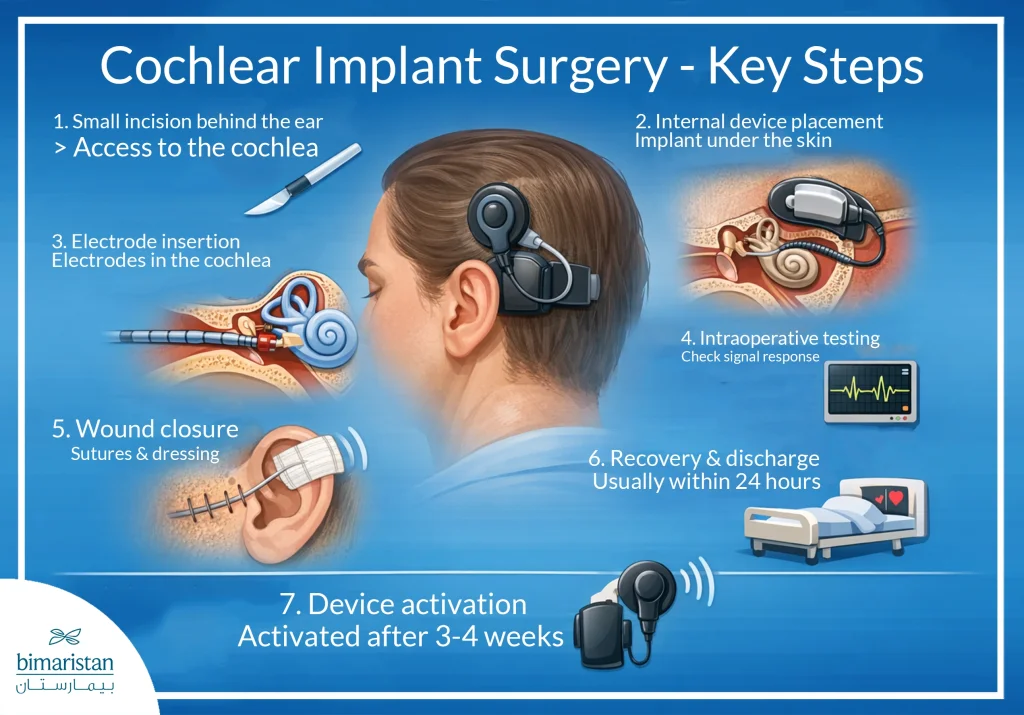
Cochlear implant surgery begins with general anesthesia to ensure complete comfort and prevent any pain during the procedure, with careful monitoring of vital signs throughout. After that, the medical team prepares the ear and the surrounding area, where the area behind the ear is cleaned and sterilized well to reduce the risk of infection, and medical towels are placed to sterilize the entire surgical environment. The cochlear implant procedure goes through several key stages:
- The surgeon then makes a small incision behind the ear to access the inner ear (cochlea), taking care to protect the surrounding tissue and minimize any potential damage
- The inner part of the cochlear implant is then implanted under the skin of the head and behind the ear, and carefully secured to ensure it is stable
- The electrodes are precisely inserted into the cochlea to directly stimulate the auditory nerve, using precise techniques to avoid any harm to delicate structures
- In some cases, your surgeon may perform a quick intraoperative test to make sure the electrical signals are properly connected before closing the incision
- After ensuring that the device is stabilized and functioning properly, the incision is closed with fine sutures or surgical adhesives, and a protective bandage is applied
At the end of the procedure, the patient is taken to a recovery room under observation, and is often allowed to leave the hospital within a day if their condition is stable.
Recovering from a cochlear implant
After the cochlear implant procedure, the patient begins the recovery period, which is an important phase to ensure the success of the procedure and achieve the best hearing results. Typically, the patient spends one day in the hospital if their condition is stable, where vital signs are monitored and there are no immediate complications. Here are the steps to recover from cochlear implant surgery:
- Surgical wound care: Keep the area behind the ear clean and avoid getting wet or putting pressure on the dressing. Watch for any signs of infection, redness or abnormal swelling.
- Pain and minor discomfort: The patient may experience some pain or discomfort around the incision site, which can be managed with prescription medications.
- A follow-up visit to the doctor: Usually after one to two weeks to review the incision and make sure it is healing properly. During the visit, any sutures are removed if they are non-absorbable.
- Activation of the external device: Activation of the external device begins about 3-4 weeks after the operation, after the wound has healed and the device settings are adjusted to match the patient’s individual hearing abilities.
- Auditory and speech rehabilitation: This is an essential part of recovery; it includes training sessions to teach the brain to interpret sounds.
- Return to normal life: You can return to light daily activities after a few days, while it is advisable to avoid strenuous activities or vigorous sports during the first few weeks.
Snail implant success rate
Cochlear implantation is one of the most successful hearing surgeries, with most patients gradually regaining their hearing after the operation and an auditory rehabilitation program. In children, success rates range from 90-95%, especially if the procedure is performed before the age of 3, which greatly enhances speech and language development.
In adults, success rates range from 70-85%, and are better in those with recent hearing loss. Adherence to ongoing rehabilitation sessions is key to gradually improving the quality of hearing and speech understanding.
Factors that affect the outcome of a cochlear implant
- The age of the patient at the time of transplant: The younger the patient, the better the results, especially for children.
- The duration of hearing loss before the implant: The shorter the duration, the better the chances of success.
- Condition of the auditory nerve and cochlea: A healthy nerve increases the effectiveness of electrical stimulation.
- The type of device and technologies used: Modern multichannel devices provide better audio quality.
- Commitment to an auditory and speech rehabilitation program: Continued rehabilitation sessions are essential for optimal results.
- Accurate preoperative medical diagnosis: A thorough evaluation minimizes risks and increases the likelihood of success.
Risks and potential complications of cochlear implants
Cochlear implants are relatively safe, but as with any surgery, some rare risks and complications may arise:
- Surgery site infections: Redness or swelling may occur around the incision and is treated with antibiotics
- Problems with the implanted device: Movement of the device or malfunctioning electrodes, which may require adjustment or partial reinstallation
- Problems with balance or dizziness: Some patients feel temporarily dizzy after surgery, usually improving with time
- Nearby nerves are affected: In rare cases, the face or a nerve near the ear may be affected, often temporarily
- Minor bleeding or bruising: Minor bleeding or bruising may occur around the surgical site, which usually resolves within days
Most complications are treatable and have a very low rate, especially when choosing a specialized hospital and strictly following the doctor’s instructions before and after the procedure.
Types of cochlear implant
Cochlear implants come in different types and techniques, but they all aim to stimulate the auditory nerve and gradually restore hearing. The devices differ in terms of:
- Number of channels (the more, the better the sound quality)
- Interior and exterior design
- Audio processing techniques
- Appropriateness of the patient’s age and hearing status
The most popular cochlear implant companies in the world
- Cochlear Limited (Australia): World leader in cochlear implant technologies. Devices recognized for sound quality and excellent medical support.
- MED-EL (Austria): Specializes in solutions for children and adults, with innovative technologies to improve hearing in high and low sounds.
- Advanced Bionics (US): Focuses on advanced acoustic processing technologies and optimizing compatibility with assistive devices.
- Oticon Medical (Denmark): Offers advanced helix implants with wireless communication capabilities.
How to choose the right device?
The choice of device depends on several factors:
- Degree of hearing loss and type of inner ear
- Patient age (young children need devices that are easily adaptable to growth)
- Available technologies (number of channels, audio processing, wireless connectivity)
- The surgeon’s recommendation according to his/her expertise and experience with each type
- The cost of the device and whether it is covered by insurance or Medicaid
Why is Turkey an ideal choice for a cochlear implant?
Turkey has become one of the top destinations for medical treatment for several reasons:
- Experience of doctors and surgeons: Specialized physicians with extensive experience in pediatric and adult cochlear implants.
- Quality hospitals and modern technologies: Hospitals equipped with the latest surgical and auditory rehabilitation technologies.
- Favorable cost: Much lower cost compared to European countries or the United States, with the same quality of care.
- Accompanying services for Arab patients: Specialized medical teams in medical coordination, translation, and accommodation to ensure a smooth treatment journey.
- Post-operative follow-up: Integrated hearing rehabilitation programs that help improve the results of the procedure quickly and effectively.
All these factors make Turkey an ideal choice for the highest quality and best cost-effective cochlear implant procedure.
The cost of a cochlear implant in Turkey
Turkey offers cochlear implants at competitive prices compared to European countries and the United States, while maintaining a high standard of medical care. The cost of snail implant surgery in Turkey usually ranges between $20,000 and $35,000 USD, depending on the type of device, manufacturer, hospital level, and accompanying services such as rehabilitation and follow-up. The prices often include pre-operative examinations, surgery, the implanted device, the external part, and post-operative auditory rehabilitation. There are different options for devices depending on the budget, while maintaining the quality of the medical results.
Cochlear implants are the ideal solution for restoring hearing in children and adults with severe or total hearing loss, especially when traditional hearing aids do not work. Turkey offers an integrated treatment experience that combines the expertise of doctors, hospital quality, and affordability, with careful post-operative follow-up to ensure the best results.
At Bimaristan, we are committed to providing a comprehensive treatment journey, from accurate diagnosis, selection of the best cochlear implant devices, to comprehensive hearing rehabilitation and continuous follow-up to ensure the highest quality return of hearing. If you are looking for reliable and safe treatment in Turkey, Bimaristan is your best choice for a successful experience and guaranteed results.
Sources:
- American Speech-Language-Hearing Association. (n.d.). Cochlear implants
- Connell SS, Chang RN, Royse KE, Benson NJ, Tran LP, Fasig BH, Paxton LW, Balough BJ. Seven-Year Revision Rates for Cochlear Implants in Pediatric and Adult Populations of an Integrated Healthcare System. Otol Neurotol. 2024 Jun 1;45(5):529-535
- U.S. Food & Drug Administration (FDA). (n.d.). Benefits and risks of cochlear implants
- Johns Hopkins Medicine. (n.d.). Cochlear implant surgery: What to expect