
Lung cancer is one of the most common types of cancer and often requires a multi‑stage treatment plan aimed at controlling the disease, slowing its progression, and alleviating symptoms. This plan varies based on several factors, including the type, stage, and spread of the cancer, and may involve surgery, radiation therapy, or systemic drug treatments.
Chemotherapy for lung cancer is a key treatment option, used at different stages to achieve multiple goals, such as shrinking the tumor, destroying remaining cancer cells after surgery, or reducing symptoms and improving quality of life. It may be given alone or combined with other therapies.
What is chemotherapy for lung cancer?
Chemotherapy for lung cancer is a treatment that relies on anti-cancer drugs known as cytotoxic drugs, which are capable of destroying cancer cells or slowing their growth. These drugs circulate through the bloodstream to various parts of the body, allowing them to target cancer cells that may have separated from the lung tumor and spread to other organs.
Chemotherapy for lung cancer is used in both small cell lung cancer and non-small cell lung cancer, as it is the main treatment in small cell lung cancer due to its good response. It is also used in early and metastatic non-small cell lung cancer. Because it is systemic, it affects the entire body and can be administered either alone or in conjunction with other therapies, such as surgery or radiation. Additionally, it may be combined with other systemic drug treatments that have different mechanisms of action and side effects.
When is chemotherapy used in lung cancer?
Chemotherapy for lung cancer is used at different times in the treatment plan, depending on the stage and type of lung cancer and the general condition of the patient:
- before surgery, with the goal of shrinking the tumor and making it easier to remove
- After surgery, to minimize the risk of cancer recurrence
- Before or in conjunction with radiation therapy to maximize its effectiveness
- In combination with immunotherapy in some cases
In small cell lung cancer, chemotherapy is the main treatment because this type of cancer responds well to it, and the disease has often spread beyond the lungs by the time of diagnosis. In non-small cell lung cancer, chemotherapy is used in the early stages as well as in late-stage cases.
In advanced or metastatic cases, chemotherapy may be used to control the disease, relieve symptoms, and improve quality of life, while considering the patient’s overall health status, tolerance to treatment, and potential side effects. However, the decision to treat is made after discussing the expected benefits and risks of each individual case.
How to give chemotherapy for lung cancer
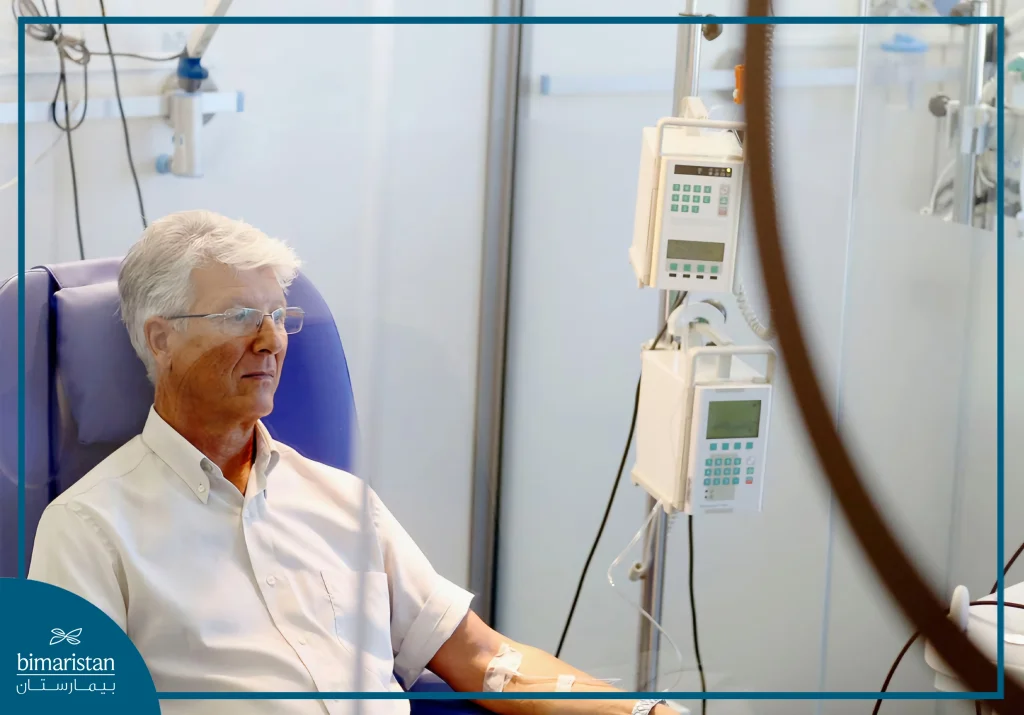
Chemotherapy for lung cancer is often given through the bloodstream as the drugs enter the body through a vein. This may be done with an intravenous cannula temporarily placed in a vein in the arm at each treatment session, or with a central venous catheter placed in a large vein in the chest and left in place for the duration of treatment, reducing the need for repeated cannula insertions.
In some cases, chemotherapy drugs are given as capsules or tablets to be taken orally. The doctor’s or pharmacist’s instructions must be strictly adhered to regarding dosage and timing, as the method of administration may affect the amount of drug that reaches the bloodstream.
Chemotherapy is usually delivered in cycles, where drugs are given for a specific period of time followed by a rest period to allow the body to recover. One cycle may last several weeks, and the number and duration of cycles vary depending on the type of cancer and the treatment plan. Pauses between cycles are an essential part of treatment, as they help the body recover from the effects of the drugs.
As for the place of treatment, it is often in specialized departments, where sessions may take several hours during daylight hours. In some cases, certain drugs may be given over several days using portable pumps that the patient can take home, or the treatment may require a short hospital stay. Some health centers may also offer home chemotherapy, depending on the drug and the patient’s condition.
Possible side effects of chemotherapy for lung cancer
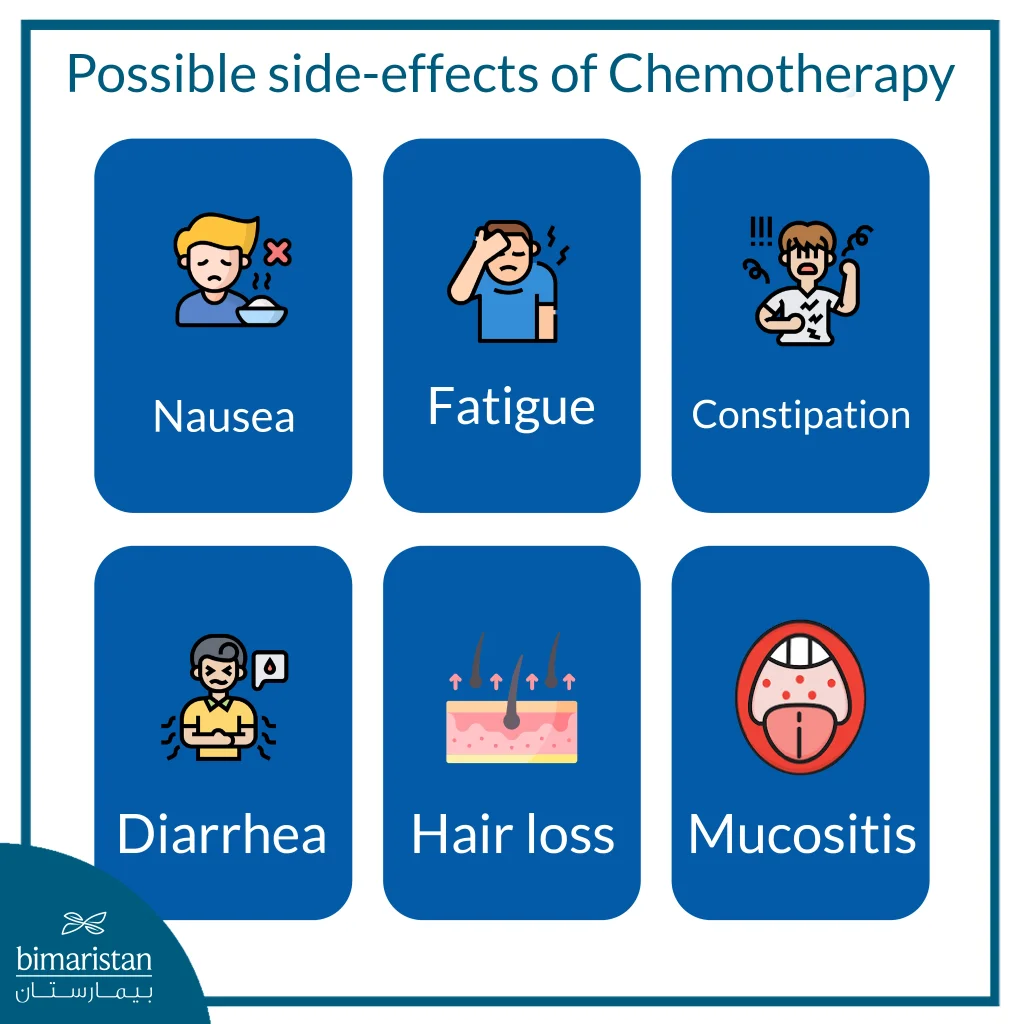
Chemotherapy for lung cancer can cause side effects that vary from person to person, and their appearance and severity depend on the type of drugs used, their dosage, the duration of treatment, and the body’s response to them. This is because chemotherapy not only affects cancer cells, but it can also affect some healthy cells that are rapidly dividing, such as blood cells, the digestive system, and hair follicles. Common side effects that may occur during treatment include:
- Hair loss
- Diarrhea or constipation
- Sores or infections in the mouth
- Easy bruising or bleeding
- Feeling nauseous or vomiting
- Loss of appetite and weight loss
- Feeling very tired and fatigued
- Increased risk of infection due to low white blood cells
These side effects are often temporary and may improve after treatment ends. In addition, other medications and procedures are available to help alleviate their severity. Reporting any new or bothersome symptoms to the medical team is important, especially for generalized fatigue or high fever, as early intervention helps to better manage side effects and keep the patient safe during treatment.
Efficacy of chemotherapy for lung cancer
Chemotherapy for lung cancer serves several treatment goals, including shrinking the tumor size, limiting its growth, and reducing the risk of cancer recurrence after surgery. It may also help control symptoms and improve the quality of life for some patients. This treatment is often included in the overall treatment plan, whether used alone or in combination with other therapies. Monitoring the effectiveness of chemotherapy is an ongoing process during treatment. Regular medical follow-ups are essential to assess how the disease is responding to therapy, allowing adjustments as needed to achieve the best possible outcome for the patient.
Follow-up after chemotherapy for lung cancer
Medical follow-up after completing chemotherapy treatment for lung cancer is an essential part of the treatment plan, as it aims to assess the disease’s response to treatment and monitor the patient’s general health status. Follow-up includes regular visits to the doctor to perform the necessary tests and discuss symptoms or side effects that may persist or appear after the end of treatment.
Regular follow-up helps to detect early changes in health status and determine the need for additional treatments or continued monitoring, depending on each patient’s situation. This phase also allows the doctor to guide the patient in managing the residual effects of treatment and support a gradual recovery, contributing to improved quality of life after treatment ends.
In conclusion, chemotherapy for lung cancer remains a key component of the treatment plan in many cases, helping control the disease, lower the risk of recurrence, ease symptoms, and enhance quality of life. Its effectiveness depends on regular medical follow‑up and continuous assessment of how the disease responds throughout treatment. As treatment approaches continue to advance and various therapeutic options are combined, receiving care in specialized medical centers becomes increasingly essential. Bimaristan Medical Center is committed to providing comprehensive, integrated care, from diagnosis to treatment and follow‑up, supporting patients at every stage and striving to achieve the best possible outcomes.
Sources: