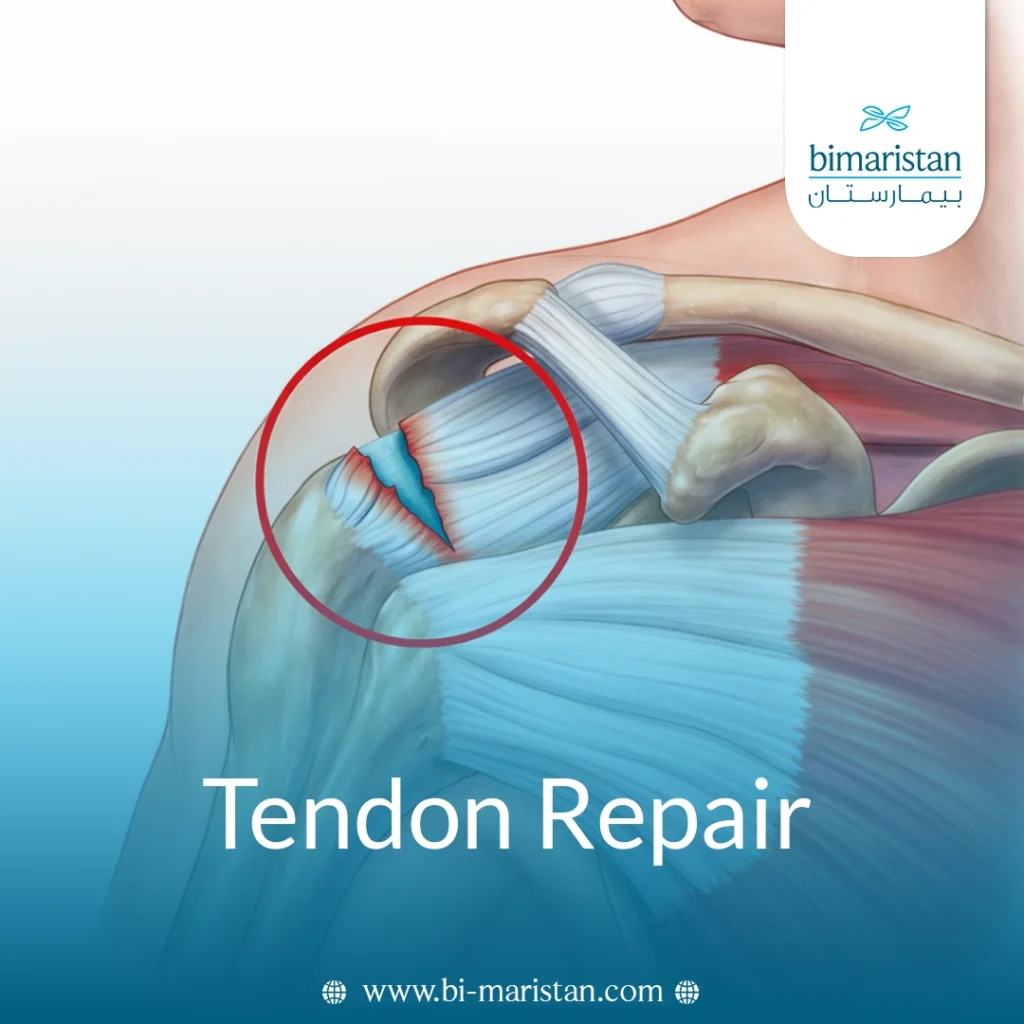
Joint tendons are an essential component of body movement and stability, transferring force from the muscles to the bones, allowing for normal daily movements. When these tendons are torn or damaged, the patient may experience significant pain, impaired motor function, and even the loss of full use of the affected joint. Proper management of tendon injuries is an important step in maintaining the efficiency of the musculoskeletal system and minimizing future complications.
Joint tendon repair is an important treatment option in cases that do not respond to conservative treatment or when a rupture affects joint function. This
procedure aims to rebuild the tendon and restore its functional balance, which has a positive impact on mobility and quality of life. The choice of repair method depends on several factors, including the severity of the injury, the type of joint affected, and the general condition of the patient, with a focus on achieving the best functional outcome.
What is joint tendon repair?
Joint tendon repair is a treatment procedure that aims to repair the injured tendon and reattach it to the bone or surrounding tissues, in order to restore normal function to the joint. This procedure is used when a partial or complete rupture of the tendon occurs, whether due to direct injury, repetitive strain, or age-related degenerative changes. The primary goal of repair is to reduce pain and improve joint strength and mobility.
Depending on the severity and location of the injury, treatment may be conservative in minor cases, while advanced cases may require surgical intervention to stabilize the tendon and ensure proper healing. Early diagnosis and choosing the right method can optimize treatment results and speed up the recovery process.
Causes of tendon ruptures
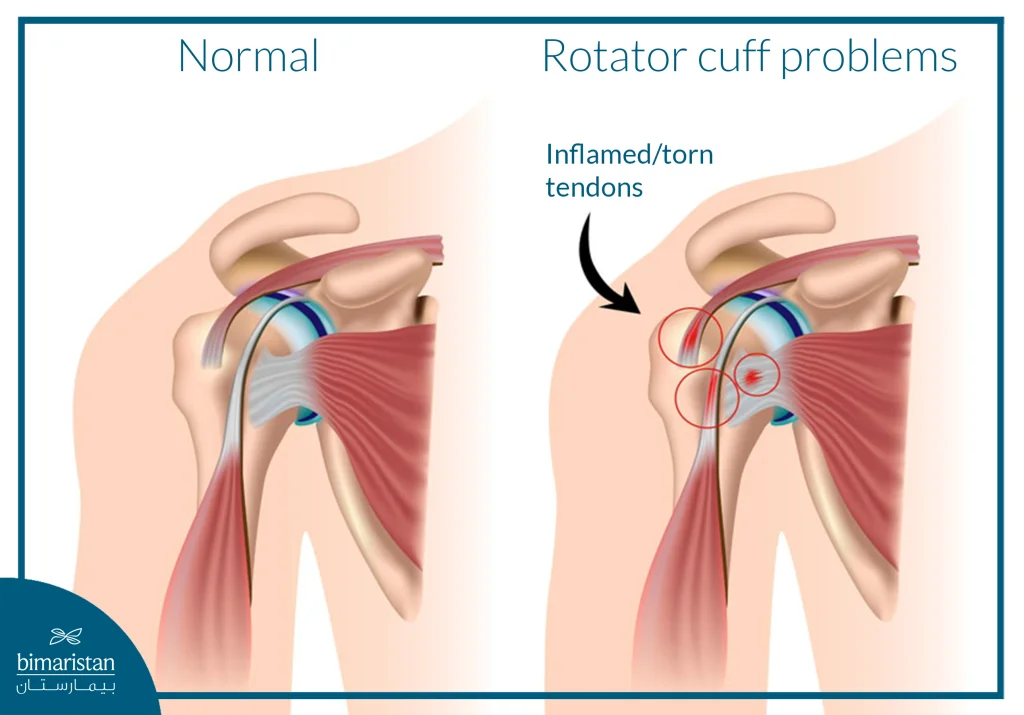
Tendon injuries and tears occur as a result of a range of factors that affect the strength and flexibility of the tendon, and these factors may be acute or chronic, and vary depending on the nature of the activity and health status of the patient. Some of the most important causes include the following:
- Acute injuries: Such as falls or direct blows to the joint.
- Repetitive movements: Constant stress due to work or athletic activity.
- Aging: Tendons weaken and become less flexible over time.
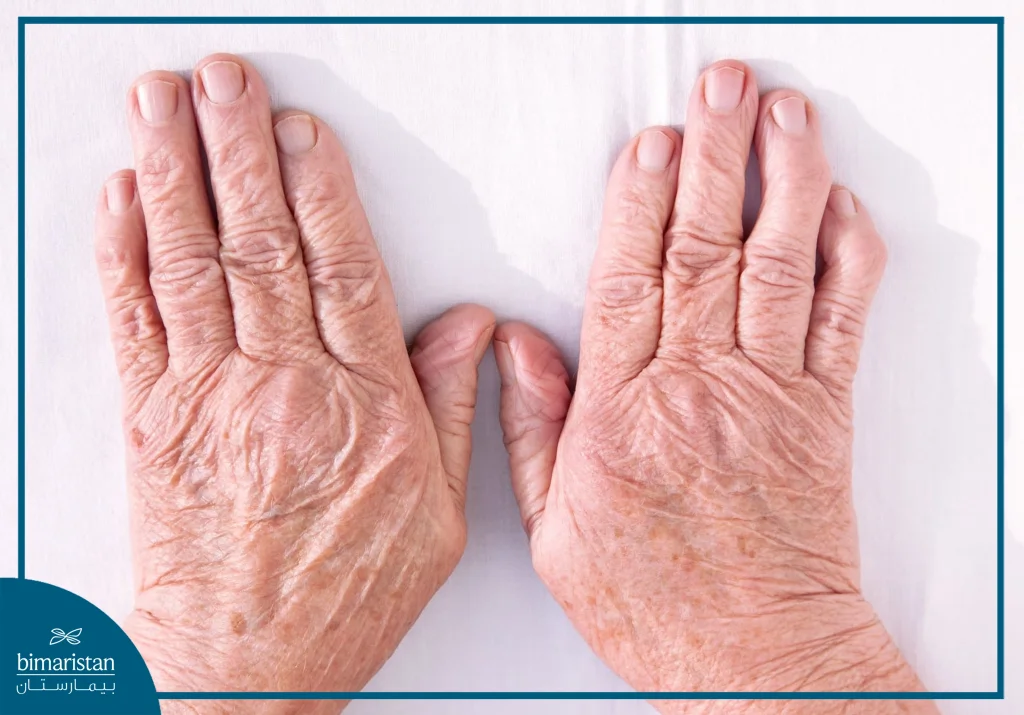
- Rheumatoid arthritis: Chronic inflammation weakens the structure of the tendons.
- Chronic diseases, Such as diabetes and ischemic disorders.
- Weakness of the muscles surrounding the joint: Increases the load on the tendon.
- Incorrect use of the joint: Excessive loads or wrong movements for long periods of time.
When does a patient need joint tendon repair?
Joint tendon repair is used in specific cases where the damage affects the function of the joint or does not respond to conservative treatment:
- Complete rupture of the tendon: This results in a significant loss of joint strength and mobility, requiring therapeutic intervention to restore function.
- Failure of conservative treatment: Pain or motor weakness persists despite rest, drug therapy, and physical therapy.
- Chronic, persistent pain: Pain that doesn’t go away and affects daily activities and quality of life.
- Impaired mobility or functional impairment: Difficulty performing basic movements or loss of control over the joint.
- Severe sports injuries: Especially in active people who need to regain full strength and mobility.
- The rupture worsens over time: the tear size increases or the tendon condition deteriorates when treatment is delayed.
Joint Tendon Repair Methods
Joint tendon repair depends on the severity of the rupture, its location and the condition of the joint, as methods range from conservative and non-surgical treatment to surgical repair using modern techniques that ensure healing of the tendon and restoration of joint function, choosing the most appropriate method for each patient ensures a better recovery and minimizes complications.
Conservative repair
It is used in cases of partial or simple tendon ruptures, and relies on rest and stabilization of the joint with a splint or special brace to minimize movement and stimulate natural healing. The treatment is supplemented with painkillers and anti-inflammatories, as well as physical therapy programs to strengthen the surrounding muscles and improve flexibility. The goal of this method is to gradually restore the function of the tendon without the need for surgery, with careful follow-up to ensure that the rupture does not worsen.
Open surgical repair
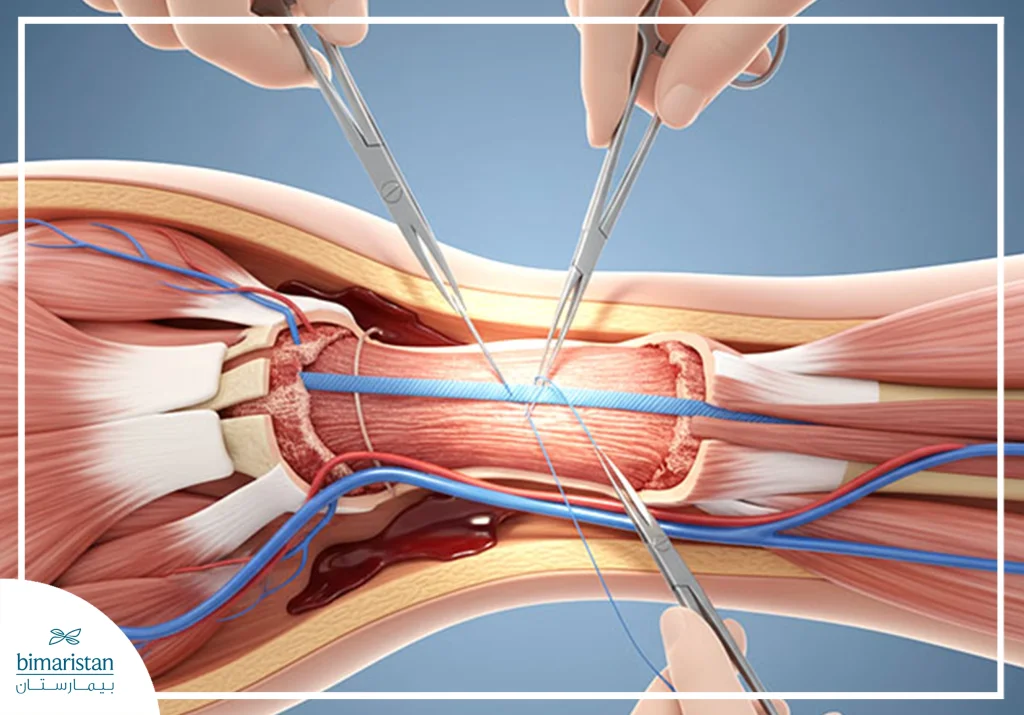
Used for complete or complex ruptures, a direct incision is made to access the torn tendon and suture or anchor it to the bone. This method requires great precision to ensure proper healing of the tendon and is often combined with joint stabilization or strengthening of the surrounding muscles to improve stability and mobility. The results are excellent in restoring normal strength and function to the joint when post-operative instructions are adhered to.
Arthroscopic repair
A modern technique that uses small incisions and specialized instruments to repair a tear without the need for major open surgery. This technique is characterized by a shorter recovery time, less pain after the procedure, and fewer complications associated with traditional surgery such as infection or damage to surrounding tissues. It is usually used for partial tears or tears close to the joint surface, with careful follow-up physical therapy after the procedure to ensure full recovery of the tendon.
Steps of the tendon repair procedure
Joint tendon repair is performed according to precise steps to ensure that the tendon is repaired and joint function is safely restored. The process depends on the type and location of the tear, and the surgeon is keen to minimize damage to the surrounding tissues and achieve good healing of the tendon, the most important of which are:
- Patient anesthesia: General or local anesthesia is administered, depending on the location of the tear and the patient’s condition, to ensure a pain-free procedure and to ensure the surgeon’s comfort in performing the procedure accurately.
- Sterilization and preparation of the surgical site: This includes cleaning and sterilizing the skin around the joint and covering the area with a sterile surgical garment to reduce the risk of infection.
- Incision or arthroscopic placement: In an open repair, the surgeon makes an incision to access the ruptured tendon; in an arthroscopic repair, tiny instruments are inserted through small incisions to visualize and repair the tendon.
- Tear identification and tissue evaluation: The surgeon examines the condition of the tendon, the length of the tear, and the presence of additional tears or damage to the surrounding tissue to plan the appropriate suture or fixation method.
- Suture or stabilize the tendon: The tendon ends are sewn together or secured to the bone with special pins or strips to promote healing and restore the tendon’s natural strength.
- Joint stabilization and tendon support: Your surgeon may use a brace or splint to stabilize the joint in a proper position after the procedure, reducing the load on the tendon and promoting healing.
- Closing the incision: The skin is closed with sutures or absorbable sutures, and a clean bandage is applied to minimize the risk of infection and facilitate monitoring of the wound site.
- The patient is transferred to the recovery room: Vital signs are monitored, the patient’s condition is stabilized, and a physiotherapy and exercise plan is determined for the recovery period.
Benefits of Joint Tendon Repair
Joint tendon repair is an important procedure to restore joint function and minimize bothersome symptoms, and brings several direct benefits to the patient:
- Reduce pain: Repairing a tear relieves pain caused by loss of stability or constant irritation of the tendon and joint.
- Restoration of strength: The joint returns to normal functioning, and the surrounding muscles regain strength and mobility.
- Improved mobility: The repair allows the joint to bend and rotate better without restriction or stiffness.
- Prevent injury from worsening: Tendon repair protects the joint from additional damage or rupture of other tendons due to muscular imbalance.
- Enhanced quality of life: The patient’s ability to perform daily activities and sports returns faster and more safely after the procedure.
Recovery period and post-tendon repair tips
The recovery period after tendon repair varies depending on the type of rupture and the method of repair, but it usually lasts from several weeks to several months. Initially, the patient needs to rest and minimize movement in the affected joint, while using a brace or splint to stabilize the tendon and protect it from any strain. Adherence to physical therapy plays a pivotal role in strengthening the surrounding muscles and gradually restoring the flexibility of the joint, taking into account starting with simple movements and then gradually increasing the intensity according to the doctor’s instructions.
In addition, the patient should adhere to the doctor’s instructions regarding taking analgesic or anti-inflammatory medications, and avoid lifting heavy weights or making sudden movements that may rupture the tendon again. Maintaining a healthy lifestyle, including balanced nutrition and adequate sleep, promotes faster recovery and minimizes the risk of complications, helping the patient to return to their daily activities safely and normally.
Advantages of the tendon repair procedure in Turkey
Turkey offers high-quality medical services in the field of joint tendon repair, with many advantages that make it a favorite destination for patients:
- Competent doctors and surgeons: Turkey’s medical sector comprises specialists and surgeons trained in advanced tendon and joint repair techniques.
- Modern technologies: Turkish hospitals are equipped with the latest arthroscopic devices and surgical equipment that ensure accurate repair and minimize recovery time.
- Favorable cost: Compared with European or American countries, Turkey offers premium treatments at lower prices while maintaining high quality.
- Comprehensive care: Postoperative follow-up programs, physical therapy, and ongoing consultations are available to support full recovery.
- Ease of travel and accommodation: The integrated tourism and medical infrastructure facilitates travel and accommodation for patients from abroad, ensuring comfortable care during their treatment and recovery.
In conclusion, joint tendon repair is an important treatment step to restore normal strength and mobility to the joint and minimize pain due to rupture or damage. Early diagnosis and choosing the appropriate method, whether conservative, open, or arthroscopic, contributes to achieving better results and minimizing potential complications. Adherence to the doctor’s instructions and physical rehabilitation period plays an essential role in restoring the full function of the joint safely and effectively.
In addition, treatment in advanced centers such as those in Turkey offers many advantages, including the efficiency of doctors, the use of modern technologies, careful post-operative follow-up, and affordable costs compared to other countries. By adhering to treatment and careful follow-up, the patient can return to normal daily activities and sports, while enhancing the quality of life and minimizing the future risk of tendon injuries.
Sources: