
Spinal cancer is a rare condition that affects the vertebrae or the spinal cord. It may be primary, originating directly in the cells of the spine, or secondary, arising from tumors elsewhere in the body. This cancer affects the integrity of the bones and vertebrae and may lead to persistent pain, muscle weakness, or problems with movement and sensation as a result of the tumor pressing on surrounding nerves.
The severity and impact of the disease vary depending on the tumor’s size, location, and type of cancer cells. Early diagnosis often requires detailed tests such as X-rays, MRI scans, or biopsies to determine the nature of the tumor and the appropriate treatment plan. Treatment relies on a combination of surgical and non-surgical methods and aims to reduce pain, protect nerves, and maintain spinal stability. Adherence to medical care and regular follow-up are essential for improving outcomes and minimizing potential complications.
What is spinal cancer?
Spinal cancer is a rare condition that affects the vertebrae or the spinal cord. It may be primary, originating directly in the cells of the spine, or secondary, arising from tumors elsewhere in the body. This cancer affects the integrity of the bones and vertebrae and may lead to persistent pain, muscle weakness, or problems with movement and sensation as a result of the tumor pressing on surrounding nerves.
The severity and impact of the disease vary depending on the tumor’s size, location, and the type of cancer cells. Early diagnosis often requires detailed tests such as X-rays, MRI scans, or biopsies to determine the nature of the tumor and the appropriate treatment plan. Treatment relies on a combination of surgical and non-surgical methods and aims to reduce pain, protect nerves, and maintain spinal stability. Adherence to medical care and regular follow-up are essential for improving outcomes and minimizing potential complications.
Causes of Spinal Cancer
Spinal cancer occurs as a result of several factors and causes that affect the growth of bone cells or surrounding tissues, the most important of which are:
- Genetic mutations: Changes in the genes responsible for cell growth that may lead to abnormal growth and the formation of tumors.
- Metastatic cancers: the spread of cancer cells from the lung, breast, prostate, or kidney to the spine.
- Radiation exposure: Previous cancer treatment or exposure to high levels of radiation increases the risk of developing bone tumors.
- Chronic immune disorders: Certain immune disorders may increase the risk of cancer cells developing in the spine.
- Chronic inflammation: Ongoing inflammation in the bones or surrounding joints may create an environment conducive to tumor growth.
- Advanced age: The likelihood of developing the condition increases with age due to accumulated mutations and ongoing exposure to risk factors.
- Family history: A family history of bone tumors or certain types of cancer increases the likelihood of developing the condition.
- Blood disorders and hematological malignancies, such as multiple myeloma, can affect the vertebrae of the spine.
- Chronic bone disorders, such as osteoporosis or congenital abnormalities, may make the spine more susceptible to abnormal cell growth.
Symptoms of Spinal Cancer
The symptoms of spinal cancer vary depending on the size of the tumor, its location, and the extent to which it affects the nerves and vertebrae. The most common symptoms include:
- Persistent pain in the back or neck: The pain is often severe and worsens with movement or at night; it is the most common symptom.
- Muscle weakness: The patient may experience difficulty lifting their limbs or loss of strength in their hands or feet due to the tumor compressing the nerves.
- Numbness or tingling: Tingling in the limbs or loss of sensation in certain areas of the body due to the tumor’s effect on the spinal nerves.
- Difficulty walking or maintaining balance: Pressure on the spinal cord may cause the patient to stumble or lose the ability to walk normally.
- Problems with bladder or bowel control: Some tumors that press on the spinal cord may affect bladder or bowel control.
- Spinal stiffness: The patient may have difficulty bending or moving due to the tumor’s effect on the vertebrae.
- Unexplained weight loss and general fatigue: General symptoms may appear as a result of the presence and activity of cancer within the body.
- Vertebral fractures or deformities: In some cases, the tumor weakens the bones, increasing the risk of fractures.
Methods for Diagnosing Spinal Cancer
Diagnosing spinal cancer requires thorough testing to determine the type of tumor, its location, and the extent of its impact on the surrounding bones and nerves. Doctors rely on a combination of imaging tests and laboratory analyses to confirm the diagnosis and develop an appropriate treatment plan for each case. The most important methods include:
X-ray
It is used to image bones and vertebrae and identify any deformities or fractures caused by the tumor. These scans help detect changes in vertebral shape or loss of bone density, but they may not reveal small tumors or those affecting the surrounding soft tissues.
Magnetic Resonance Imaging
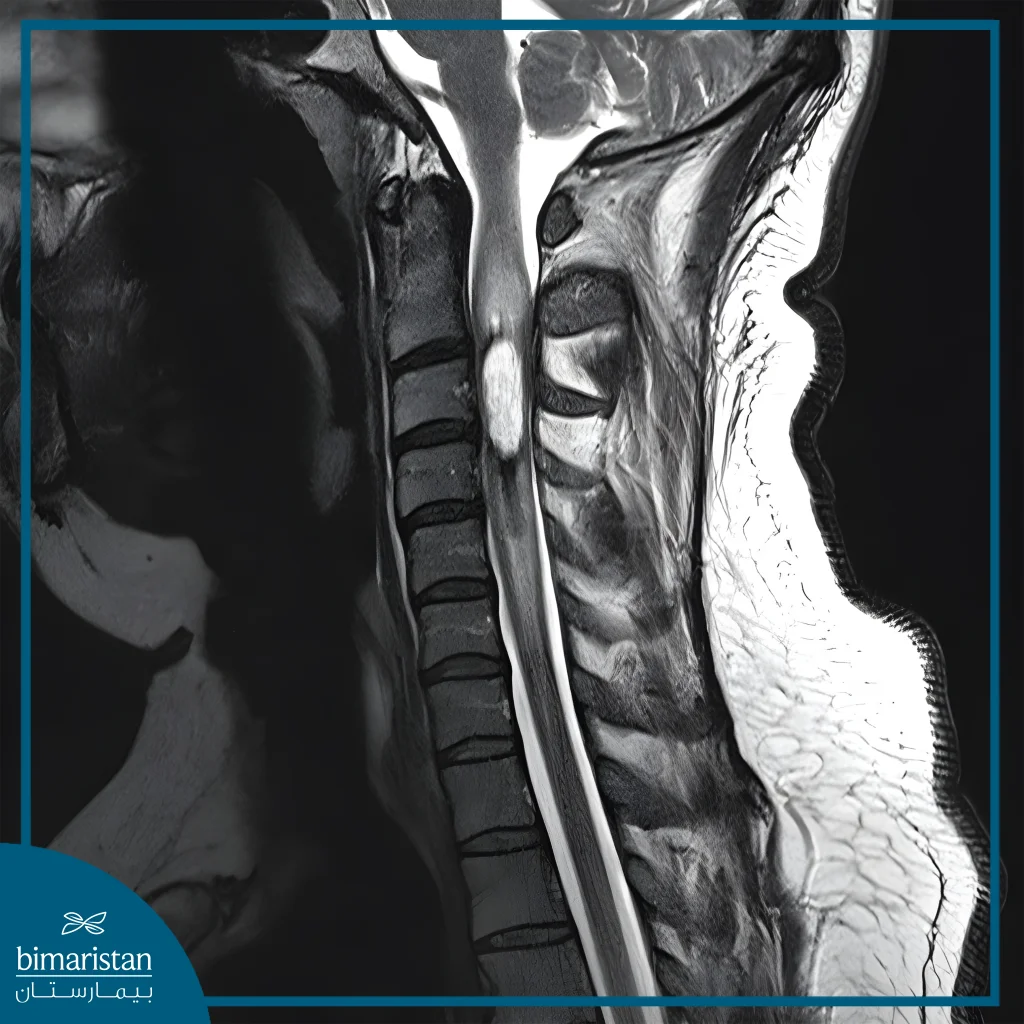
This test is the best way to evaluate the spinal cord and the tissues surrounding the vertebrae. It can reveal the size and extent of the tumor, and whether it is compressing nerves or the spinal cord, which helps the doctor accurately determine the severity of the condition and develop an appropriate treatment plan.
CT scan
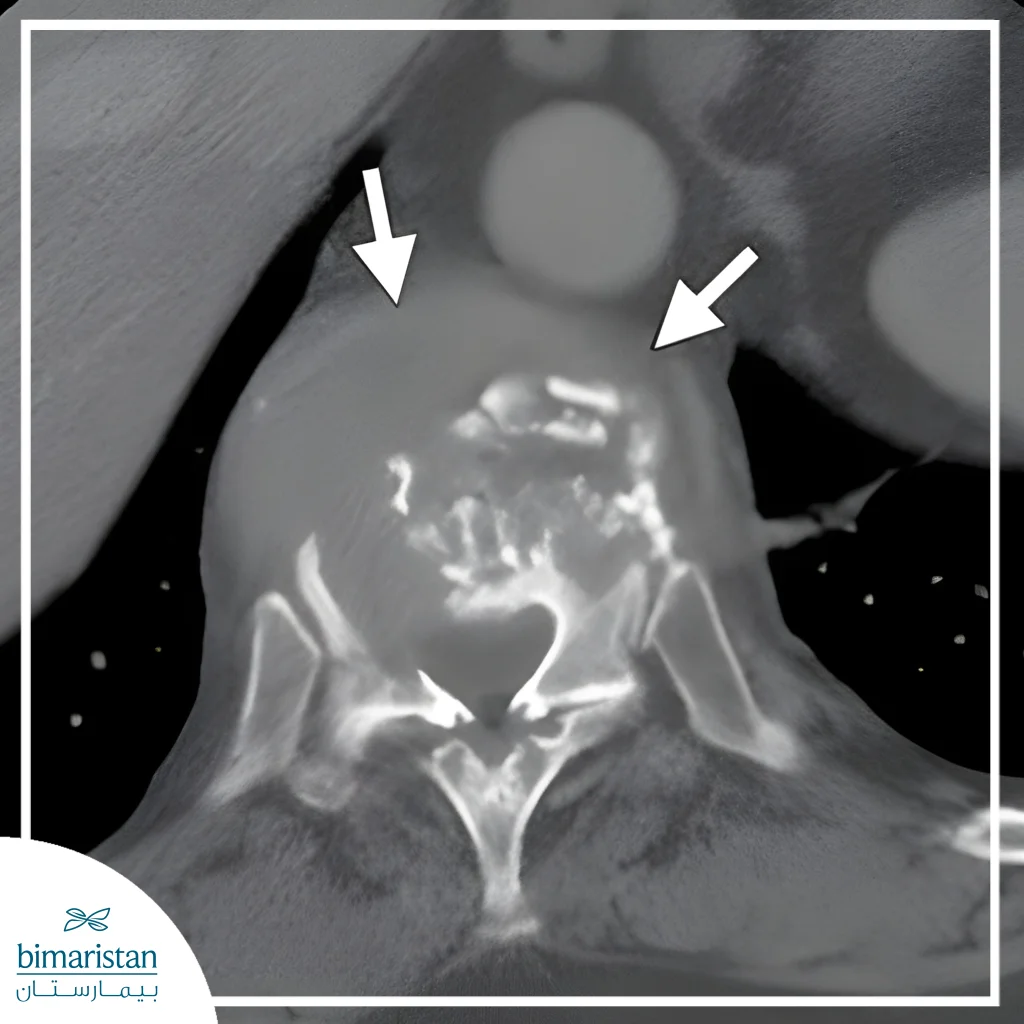
This scan provides a three-dimensional view of the skeletal structure and vertebrae. It is used to assess bone damage caused by the tumor, helps plan surgery if needed, and allows for better monitoring of the tumor’s response to treatment.
Biopsy
This involves taking a sample of the tumor to examine it under a microscope in order to determine the type and nature of the cancer cells. A biopsy is a crucial step in confirming the diagnosis before starting treatment and helps select the most appropriate treatment for each patient.
Laboratory Tests
Blood tests help detect abnormal markers that indicate the presence of a tumor or its complications. They may reveal elevated levels of inflammatory markers or signs of the tumor’s impact on the body, and are also used to monitor the patient’s response to treatment throughout therapy and follow-up care.
Treatments for Spinal Cancer
Treatment for spinal cancer depends on the tumor’s size, location, and the nature of the cancer cells, and aims to relieve pain, protect nerves, and maintain spinal stability. Doctors select the most appropriate approach for each patient based on a comprehensive assessment of their health status and the extent to which the tumor affects neurological and motor functions. The main treatment options are:
Radiation therapy
Radiation therapy is used to shrink a tumor or control its growth, especially when the tumor cannot be surgically removed. The radiation is precisely targeted at the affected vertebrae to minimize its impact on the surrounding healthy tissue. This treatment helps relieve pain caused by the tumor’s pressure on nerves and vertebrae, and may be used before surgery to shrink the tumor or after surgery to prevent the growth of remaining cells. Modern techniques such as three-dimensional radiation or intensity-modulated radiation therapy improve outcomes and reduce complications.
Chemotherapy
This involves the use of specialized drugs that target cancer cells to stop their growth or destroy them. Treatment is tailored to the type of tumor and how quickly it is spreading, and is sometimes used before surgery to shrink the tumor or after surgery to control any remaining cells. It can be combined with radiation therapy to enhance tumor control, with close monitoring to minimize side effects such as fatigue, nausea, or low blood cell counts, and to ensure the preservation of vital organ function.
Surgical treatment
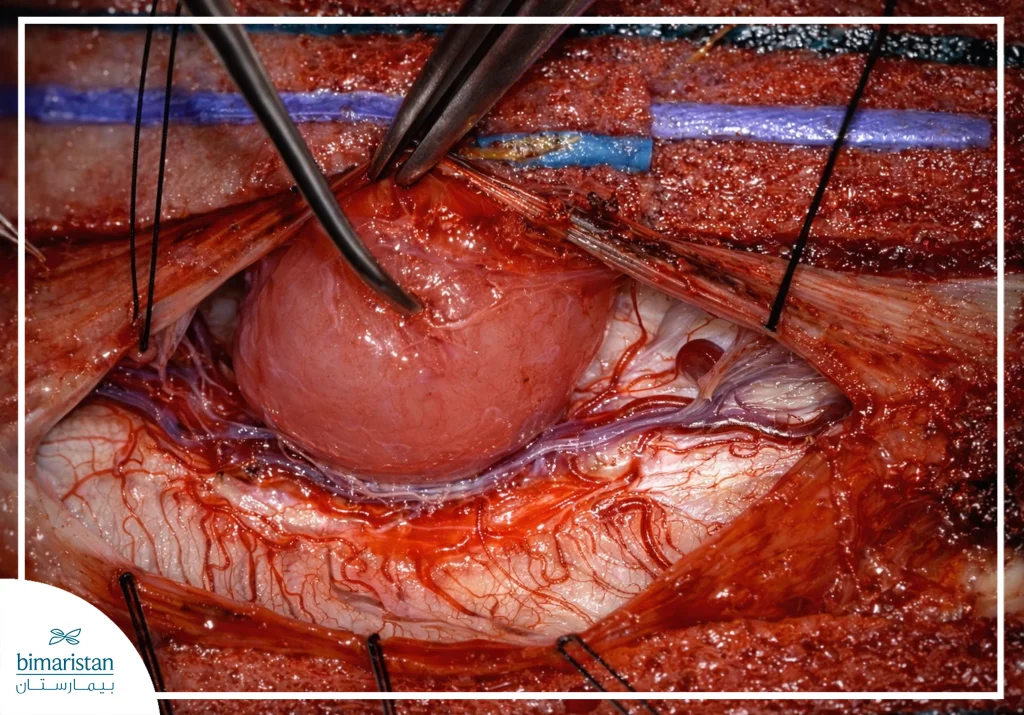
Surgical treatment is one of the most important methods for managing spinal cancer, especially when the tumor is compressing nerves or the spinal cord or threatening the stability of the vertebrae. This treatment aims to remove the tumor partially or completely and relieve the pain caused by the tumor’s compression of the surrounding nerves. After tumor resection, the spine is often stabilized using screws and metal plates to ensure vertebral stability and prevent fractures or deformities, thereby preserving the patient’s mobility and reducing future complications. In some cases, corrective spinal surgery is performed to correct any curvatures or deformities caused by the tumor, while taking care to preserve as much natural movement of the vertebrae as possible. Postoperative follow-up is essential to monitor healing and spinal stability and to ensure that no remaining cancer cells are growing.
Medication for pain relief
This involves the use of pain relievers, anti-inflammatory drugs, and sometimes medications to improve nerve function and reduce swelling around the tumor. This treatment aims to improve the patient’s quality of life and enable them to perform daily activities more effectively while undergoing primary treatment, whether radiation or chemotherapy. It is an essential part of the comprehensive treatment plan, especially for patients suffering from severe pain or limited mobility due to tumor pressure on the spinal cord or surrounding nerves.
Tips and Instructions Following Spinal Cancer Treatment
After completing treatment for spinal cancer, whether surgical or non-surgical, it is essential to follow a set of guidelines to ensure proper recovery and maintain the health and function of the spine:
- Regular medical follow-up: See your doctor periodically to monitor healing and vertebral stability, and to ensure that no residual cancer cells are growing.
- Rest and Avoid Strain: Limit strenuous activities and heavy lifting for a specific period after treatment to stabilize the spine and prevent complications.
- Physical Therapy and Rehabilitation: Performing recommended exercises to strengthen the muscles surrounding the spine and improve mobility and balance.
- Medication Compliance: Take pain relievers or anti-inflammatory medications as prescribed by your doctor to relieve pain and reduce swelling around the treatment area.
- Healthy lifestyle: Maintain a healthy weight, eat a balanced diet, and avoid smoking or alcohol to help promote recovery and strengthen your bones.
In conclusion, spinal cancer is a serious medical condition that requires an accurate diagnosis and a treatment plan tailored to each patient. Treatment typically involves a combination of radiation, chemotherapy, and surgery, along with pain-relieving medications, with the goal of protecting the nerves, maintaining spinal stability, and improving quality of life. Adherence to the treatment plan and regular follow-up with the doctor significantly reduces complications and improves long-term outcomes.
Post-treatment advice also plays a pivotal role in promoting recovery, such as rest, physical therapy, adherence to medication, and maintaining a healthy lifestyle. Patients who adhere to these measures are better able to regain normal activity and mobility and reduce the risk of their condition worsening or the tumor returning; therefore, early treatment and close follow-up are among the most important steps to ensure the best possible outcomes for the patient.
Sources used in the preparation of this article:
- Ciftdemir, M., Kaya, M., Selcuk, E., & Yalniz, E. (2016). Tumors of the spine. World Journal of Orthopedics, 7(2), 109–116.
- National Library of Medicine. (July 29, 2024). Spinal tumor. MedlinePlus Medical Encyclopedia.
- Johns Hopkins Medicine. (n.d.). Spinal cancer and spinal tumors. Johns Hopkins Medicine.