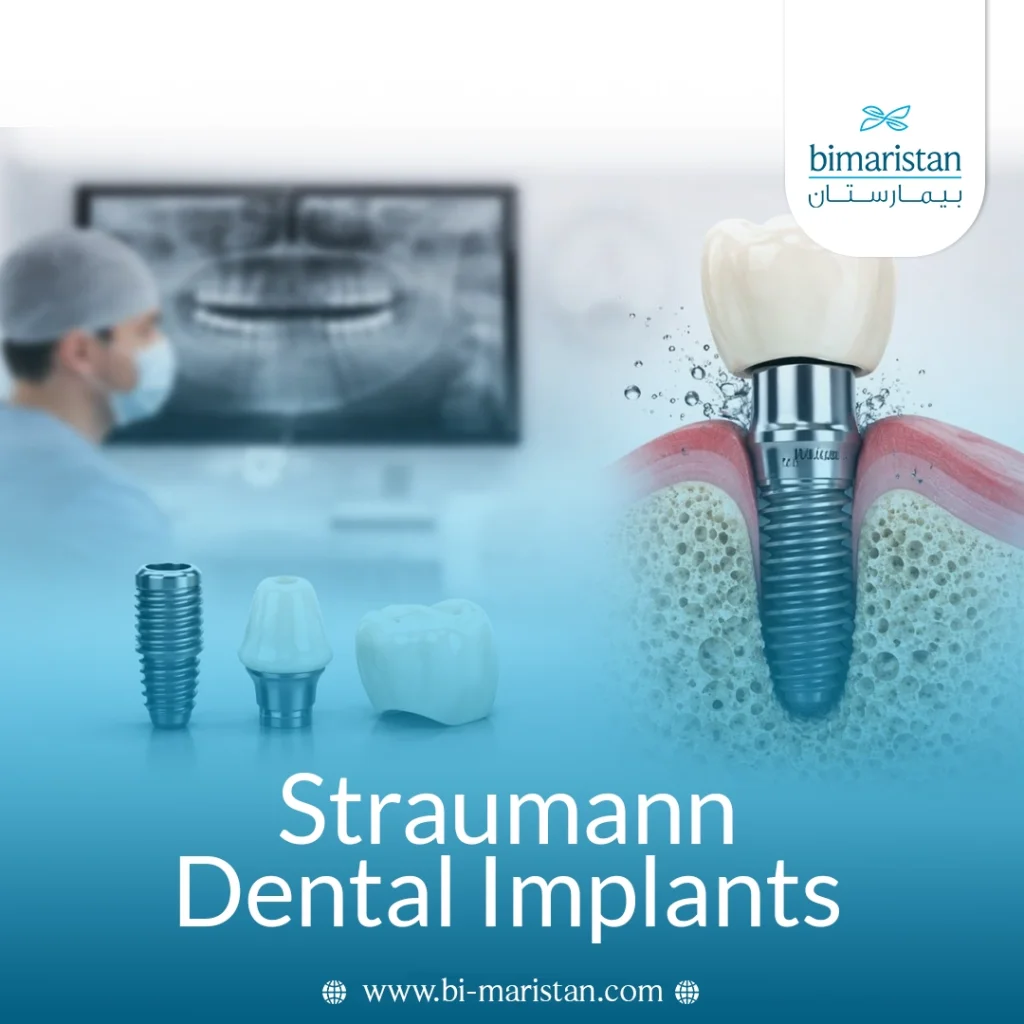
In a world where dental technology is advancing rapidly, dental implants have become the ideal solution for replacing missing teeth and restoring a confident smile. Among the most prominent of these technologies are Swiss Straumann implants, a leading option that combines high precision, world-class quality, and long-lasting results.
In Turkey, where medical expertise meets cutting-edge technology, patients can benefit from this advanced technique as part of a comprehensive treatment experience that combines quality with affordability. In this article, we explore the benefits of Straumann implants and why they are the best choice for those seeking a natural smile that lasts for years.
What are Swiss Straumann implants?
Dental implants using Swiss Straumann implants are one of the latest and most advanced restoration techniques worldwide, developed by Straumann, a Swiss leader in the field of dental implants, and approved by the U.S. Food and Drug Administration (FDA). This technology relies on implants made from an advanced blend of titanium and zirconium, which gives them high strength and excellent biocompatibility with oral tissues.
The implant is placed inside the jawbone to serve as a stable artificial root, and an abutment and crown are then attached to it to naturally restore the shape and function of the missing tooth. These implants are characterized by rapid osseointegration thanks to advanced surface technologies, which reduce healing time and increase success rates. Straumann implants are an ideal choice for patients seeking a permanent and safe solution, as they provide long-term stability and a highly aesthetic appearance, with a very low failure rate and high resistance to infection, even in special cases such as patients with diabetes or smokers.
Features of Swiss Straumann Implants
Swiss Straumann implants are considered one of the world’s leading options for replacing missing teeth, thanks to their advanced technology and high quality. Here are their key features:
- High durability: Made from titanium or Roxolid (an advanced metal alloy combining titanium and zirconium) that is resistant to compression and tension, providing the implant with long-term stability and higher load-bearing capacity.
- Rapid osseointegration: The SLActive surface technology, an advanced feature of Straumann implants, makes the implant hydrophilic, accelerating bone healing around it and promoting rapid, secure stability, reducing the healing time before the final crown is placed.
- Biocompatibility: The materials and design ensure that the implant is compatible with oral tissues and gums, reducing the likelihood of allergic reactions or inflammation.
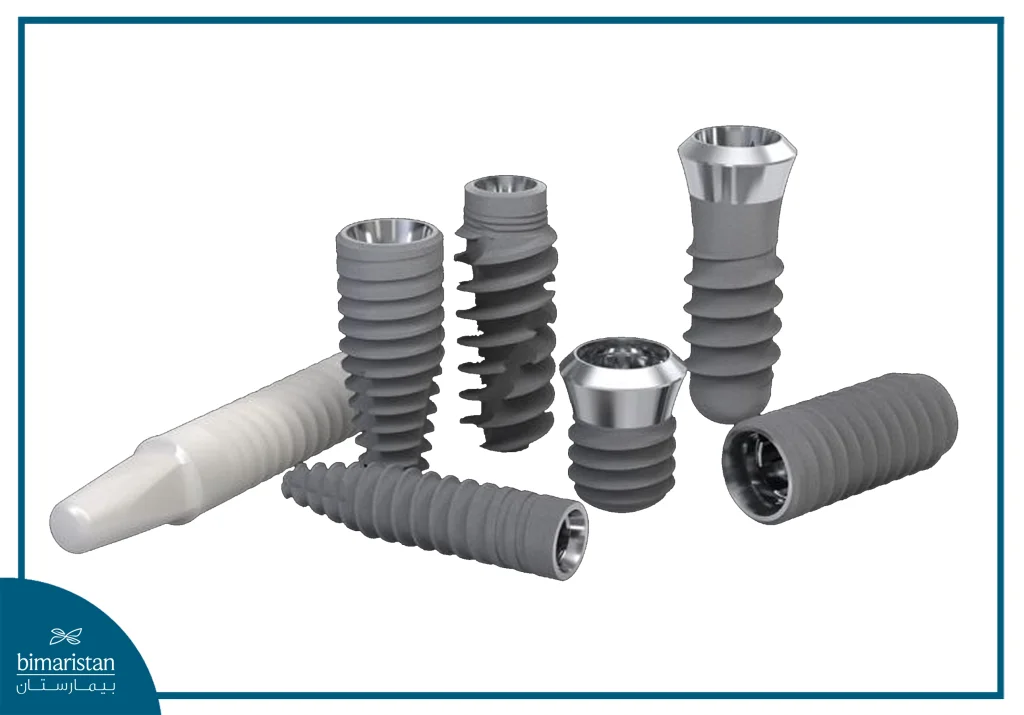
- A variety of bone and tissue-level designs: offering options to suit different dental sites and aesthetic needs.
- Easy to install: The implant’s streamlined design makes it easy to place in the jaw without damaging the surrounding bone.
- Unique, long-lasting stability: The implant’s design ensures a strong bond with the bone, preserving results for over 20 years when care instructions are followed.
- Natural appearance and excellent functionality: Implants naturally support dental crowns or bridges, effectively restoring your smile and chewing ability.
The Difference Between Straumann Implants and Other Types of Dental Implants
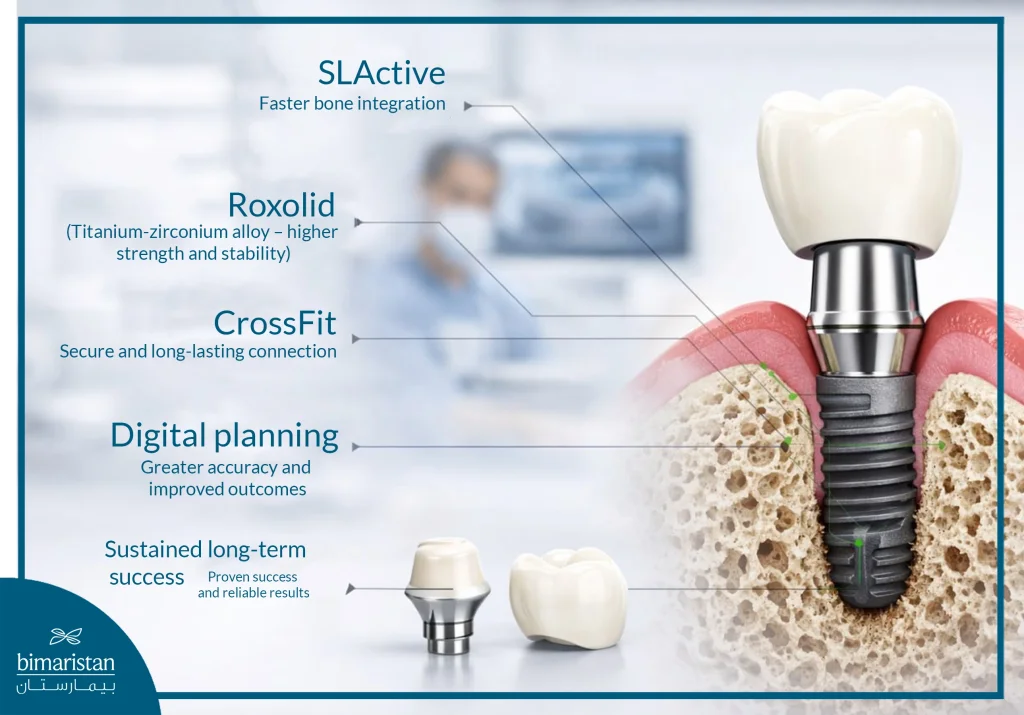
Straumann implants from Switzerland outperform many other dental implants thanks to their use of advanced technologies and materials that enhance long-term treatment success. They provide a precise connection between the implant and the abutment (CrossFit), thereby reducing micro-movement and improving the stability and durability of the restorations. They also utilize surface technologies such as SLActive, which accelerate osseointegration and promote bone stability more effectively than the traditional surfaces used in other systems.
We also use an alloy (Roxolid) , which offers greater strength than pure titanium and allows for the use of implants with smaller diameters without compromising stability. In addition, Straumann implants offer a wide range of designs suited to both bone and soft tissue levels, as well as narrow-diameter and metal-free ceramic implants, providing great flexibility for various clinical situations, both simple and complex.
These implants also support guided surgery techniques and digital workflows, contributing to precise planning and reducing errors during implantation. They are also known for their high initial stability and suitability for immediate placement. Straumann implants also excel in terms of global clinical acceptance, being used in over 70 countries with long-term success rates exceeding 95%, backed by decades of research and clinical studies, making them among the most reliable and distinguished dental implant systems compared to other options.
Steps for Dental Implant Surgery Using Straumann
Dental implant surgery using Swiss Straumann implants involves several carefully planned steps to ensure the best results in terms of stability and a natural appearance. These steps include the following:
- Comprehensive Examination and Initial Diagnosis: The mouth and teeth are examined, and the condition of the jawbone and the patient’s overall health are assessed, using X-rays and imaging to determine the appropriate treatment plan.
- Digital surgical planning: Advanced technologies such as CBCT and guided surgery are used to precisely determine the implant’s placement.
- Preparing the Implant Site: The dentist makes a small incision in the gum and carefully prepares the implant site within the jawbone.
- Implant Placement: The implant, made of advanced materials such as Roxolid, is placed inside the jawbone to serve as a stable artificial root.
- Osseointegration phase: The implant fuses with the jawbone during the healing period, a process that may be accelerated by SLActive technology, allowing for immediate implantation in some cases.
- Implant Placement: Once osseointegration is complete, the abutment—which connects the dental implant (embedded in the bone) to the final crown—is secured in place. It is typically made of strong, biocompatible materials.
- Placement of the final crown: The visible part of the dental implant that mimics the shape and function of a natural tooth; it is typically made of materials designed to combine aesthetics and durability. The type of final crown is selected based on the tooth’s location, the required chewing force, and the desired aesthetic result to ensure a natural smile and optimal function.
- Post-transplant follow-up and care: The patient is given instructions on care and regular follow-up to ensure the long-term success of the transplant.
Who are suitable candidates for a Straumann implant?
Dental implants using Swiss Straumann implants are suitable for a wide range of patients, especially those who meet the following criteria:
- People who have lost one or more teeth: Whether the loss is partial or complete, it can be effectively replaced with Straumann implants.
- Patients with sufficient or restorable jawbone: Good bone density contributes to implant success, and bone grafting can be performed if necessary.
- Patients with stable diabetes and smokers (under certain conditions): They may be eligible for transplantation following a thorough evaluation of their condition and strict adherence to medical instructions.
- Cases requiring immediate implantation: Thanks to their high stability and technologies such as SLActive, they can be used in certain immediate implantation cases.
- For those seeking a permanent, long-term solution, Straumann implants are ideal for patients who want lasting results that will last for many years.
- Cosmetic cases: Especially for front teeth, where they provide a natural appearance thanks to advanced materials and designs.
How long do Swiss Straumann implants last?
Swiss Straumann implants are a long-term solution for replacing missing teeth, as they can last for more than 20 years with proper care. Clinical studies show long-term success rates exceeding 95%, reflecting their high reliability. The longevity of an implant depends on several factors, such as:
- Oral Hygiene: Daily care, such as brushing and flossing, prevents the buildup of bacteria, reducing the risk of infections around the implant and helping keep it secure.
- Jawbone quality and density: The stronger and denser the bone, the better the implant will integrate and remain stable over the long term.
- General health: Chronic conditions, such as diabetes (especially when poorly controlled), may affect healing speed and implant stability.
- Smoking: It negatively affects bone and gum healing and may increase the risk of implant failure or shorten the implant’s lifespan.
- The doctor’s expertise and the precision of the procedure: Correct placement of the implant using modern techniques plays a major role in its success and longevity.
- Regular checkups with your dentist: Regular checkups help detect any problems early and treat them before they affect the implant.
- Adherence to post-implantation instructions: Following your doctor’s post-operative instructions helps speed up healing and prevents complications that could affect the implant’s lifespan.
Tips for Aftercare Following Straumann Implant Placement to Ensure the Best Results
To ensure the success of dental implant surgery with Straumann implants and achieve long-lasting results, it is essential to follow a set of post-operative guidelines.
- Maintain good oral hygiene every day: Brush your teeth twice a day with a soft-bristled toothbrush and non-abrasive toothpaste, and use dental floss or interdental brushes to clean around the implant.
- Watch for any unusual symptoms—such as severe pain, swelling, or persistent bleeding—and contact your doctor immediately if they occur.
- Avoid smoking: It is best to refrain from smoking before and after the implant procedure, as smoking slows bone healing and increases the risk of implant failure.
- Avoid hard and sticky foods, especially during the first 48 hours, to prevent putting pressure on the implant and allow it time to settle.
- Eat soft foods, such as soups and boiled foods, to minimize strain on the implant site.
- Avoid hot beverages—such as coffee and tea—for the first day or two to prevent gum irritation.
- Adherence to prescribed medications, such as antibiotics or pain relievers, can reduce inflammation and pain and speed up healing.
- Do not put pressure on the implant: Avoid chewing directly on it until your doctor gives you permission, to ensure it fuses properly with the bone.
- Follow your doctor’s instructions carefully: Since every case is different, specific instructions may be needed depending on the patient’s condition.
The Cost of Swiss Straumann Implants
The cost of Straumann dental implants varies significantly from country to country, with Turkey being the most affordable option compared to Western countries.
| The State | Average cost per farm: USD | What’s Included in the Price |
|---|---|---|
| Turkey | $800–$1,000 | Root + Stem + Crown |
| The United States of America | $3,000–$6,000 | Usually just the rootstock (may be extended to include the crown) |
| Britain | $2,500–$4,500 | Root + Stem + Crown |
| France | $2,800–$3,800 | Root + Stem + Crown |
This significant price difference is due to variations in operating costs and wages, not the quality of the implants themselves, as the Straumann implants used in Turkey are the same as those used in the United States and Europe. Furthermore, clinics in Turkey often offer comprehensive packages that include examinations, surgery, and final fittings, resulting in a total cost that is 50–70% lower than in Western countries while maintaining the same quality and modern techniques.
In conclusion, Swiss Straumann implants are an ideal choice for anyone seeking a permanent and reliable solution to replace missing teeth, thanks to their advanced technology and proven global quality. With the significant advancements in the dental sector, Turkey has become one of the world’s leading destinations for this type of treatment, combining high medical expertise, modern technology, and affordable costs without compromising on quality. Choosing Straumann implants in Turkey means not only restoring your smile but also making a long-term investment in your health and self-confidence, with natural-looking results that last for many years.
Sources: