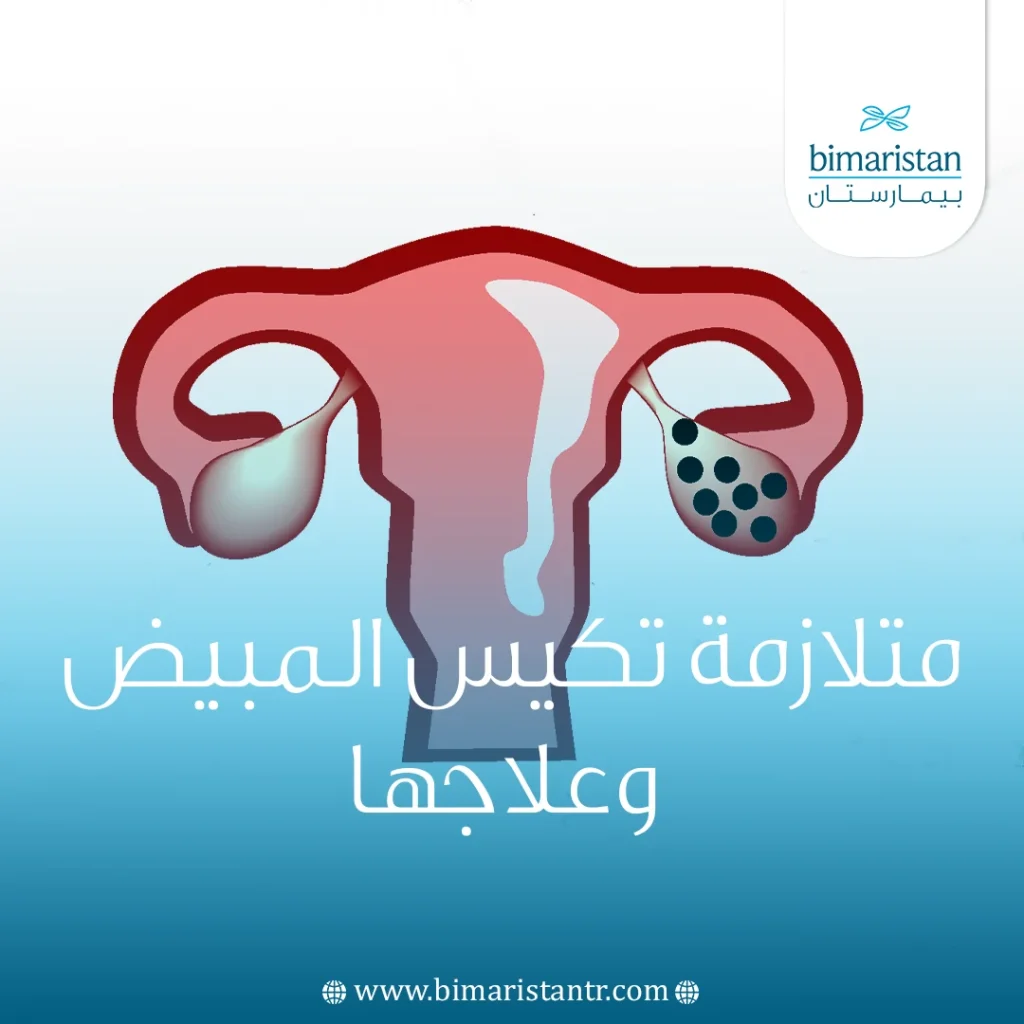
Polycystic ovary syndrome (PCOS) is one of the most common hormonal disorders among women of childbearing age and can affect the menstrual cycle, ovulation, and fertility. Those affected experience various symptoms such as irregular periods, weight gain, acne, and excessive hair growth, while many cases remain undiagnosed for years. The syndrome may also be linked to long-term health issues such as insulin resistance, diabetes, and heart disease.
Treatment for polycystic ovary syndrome in Turkey is a suitable option for many women, thanks to the availability of specialized centers, modern technologies, and a variety of treatment plans that help alleviate symptoms, improve the chances of conception, and restore hormonal balance.
What is polycystic ovary syndrome?
Polycystic ovary syndrome (PCOS) is a hormonal disorder caused by an imbalance in the body’s hormonal signals, leading to abnormally high levels of androgens and disrupting the ovulation process. As a result, women may experience irregular or infrequent menstrual cycles, difficulty conceiving, and physical changes such as hirsutism, acne, and weight gain. This syndrome is also one of the most common causes of ovulation disorders and infertility among women worldwide.
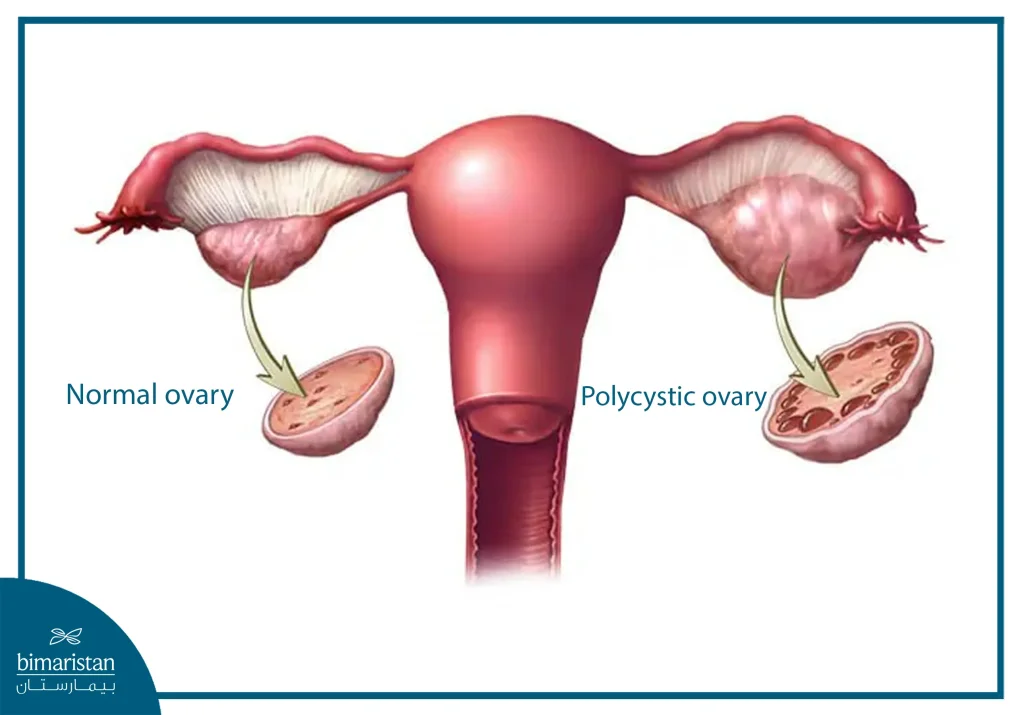
The syndrome is characterized by numerous small follicles or fluid-filled cysts on the surface of the ovaries, which contain immature eggs that fail to grow or be released normally. Although the exact cause of polycystic ovary syndrome remains unclear, genetic factors, insulin resistance, and metabolic disorders are among the most significant associated factors. The effects of the syndrome are not limited to reproductive health; if left untreated, it may also increase the risk of obesity, diabetes, heart disease, and endometrial issues.
Symptoms of polycystic ovary syndrome
The symptoms of polycystic ovary syndrome vary from woman to woman and may appear as early as adolescence or develop gradually over time. Common symptoms include the following:
- Irregular menstrual cycles: Periods may become infrequent, light, or stop for long periods of time, and may sometimes be heavy or painful.
- Difficulty conceiving or infertility: This is caused by ovulation disorders and the failure of eggs to be released regularly.
- Increased hair growth: Excess hair on the face, chest, or abdomen is caused by elevated androgen levels.
- Acne and oily skin: These are linked to elevated levels of male hormones and their effect on the skin.
- Weight gain: particularly around the abdomen, with some women finding it difficult to lose weight.
- Thinning hair: Hair may become thin, or female-pattern baldness may develop.
- Polycystic ovary syndrome: The ovaries may appear enlarged with multiple small cysts on ultrasound.
- Associated health conditions: such as insulin resistance, an increased risk of diabetes and high blood pressure, and mood disorders such as anxiety and depression.
Causes and Risk Factors for Polycystic Ovary Syndrome
The exact cause of polycystic ovary syndrome (PCOS) remains unclear, but research suggests that several hormonal, metabolic, and genetic factors play a role in its development. These factors disrupt ovulation and lead to elevated levels of androgen hormones, causing symptoms associated with the syndrome, such as irregular menstrual cycles, difficulty conceiving, and excessive hair growth. The main causes and risk factors for PCOS include the following:
- Insulin resistance: When the body’s cells become less responsive to insulin, blood sugar levels rise, and the body produces more insulin, which stimulates the ovaries to release more androgens.
- Hormonal imbalance: Elevated LH levels and increased male hormones may disrupt ovulation and prevent eggs from maturing normally.
- Genetic factors: The risk of developing the condition is higher in women with a family history of polycystic ovary syndrome or type 2 diabetes.
- Weight gain and obesity: particularly fat accumulation in the abdominal area, as obesity is associated with increased insulin resistance and worsening symptoms.
- Low-grade inflammation: Studies suggest that some women suffer from chronic, low-grade inflammation, which may contribute to increased androgen production.
- Unhealthy lifestyle factors, such as a lack of physical activity and an unbalanced diet, may increase the severity of the disorder and its symptoms.
How is polycystic ovary syndrome diagnosed?
There is no single test that can definitively confirm a diagnosis of polycystic ovary syndrome (PCOS), so the diagnosis is based on an evaluation of symptoms, a physical examination, and a series of medical tests and screenings. The doctor usually begins by asking about menstrual regularity, difficulty conceiving, and changes in weight, hair growth, or acne, and by reviewing medical and family history. Tests used to diagnose PCOS may include the following:
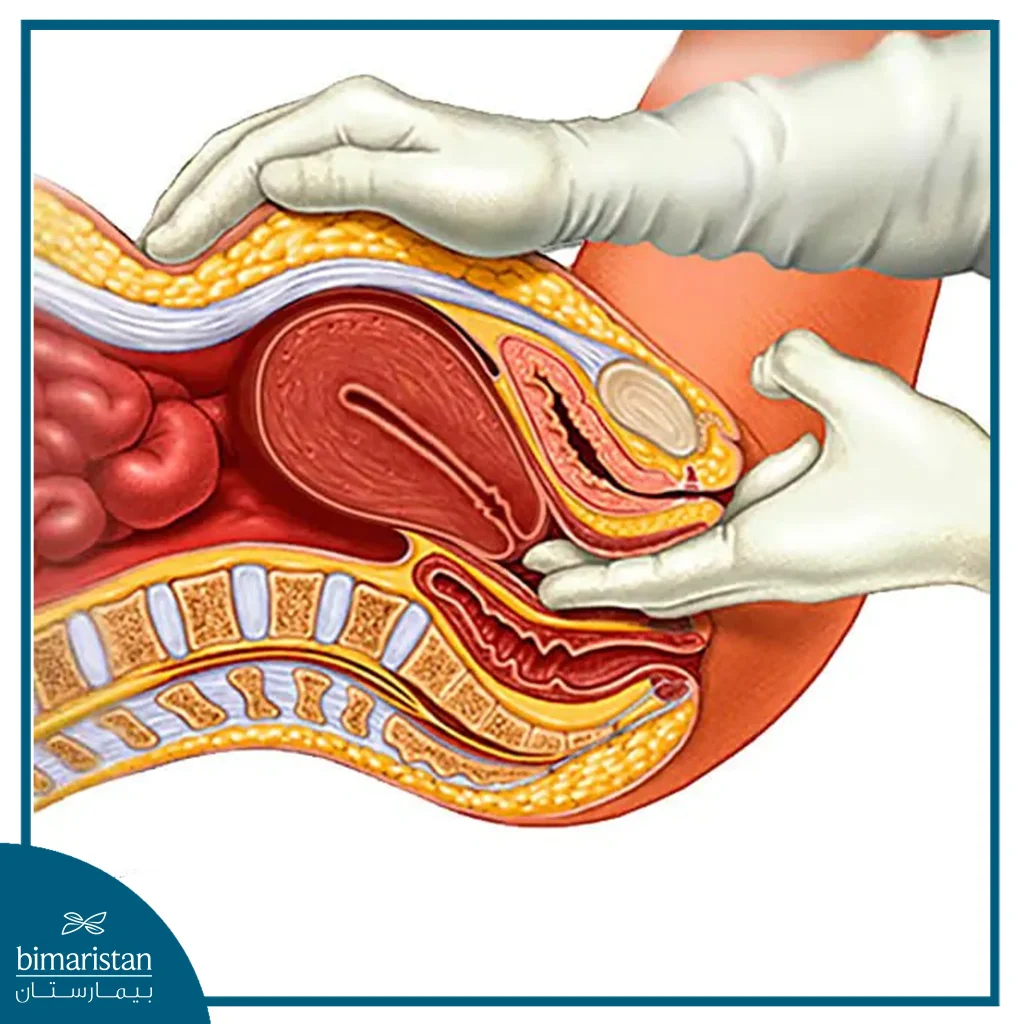
- Pelvic exam: Used to detect any changes or problems in the reproductive organs.
- Blood tests: These help measure hormone levels and rule out other causes of menstrual irregularities or elevated androgen levels. They may also include tests for blood sugar, cholesterol, and triglycerides.
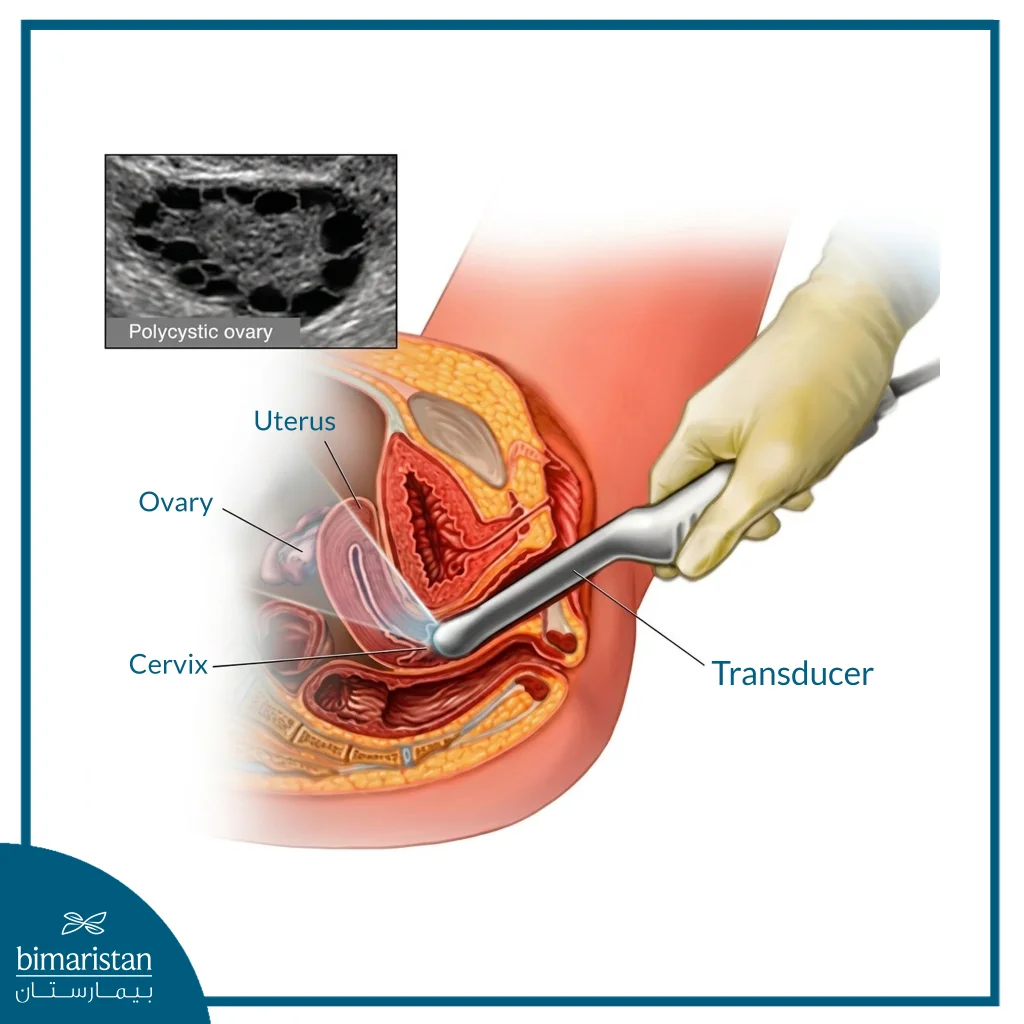
- Ultrasound (sonography): This test shows the shape of the ovaries and the presence of small follicles or cysts, and helps assess the thickness of the endometrium.
- Additional tests: Your doctor may recommend tests to screen for complications associated with the condition, such as diabetes, high blood pressure, and sleep apnea, or mental health disorders such as anxiety and depression.
Treatment Options for Polycystic Ovary Syndrome
Treatment for polycystic ovary syndrome depends on the symptoms the patient is experiencing, such as irregular menstrual cycles, infertility, excessive hair growth, or obesity. The goal of treatment is to regulate hormones, improve ovulation, and reduce long-term health complications, and it often involves lifestyle changes in addition to medications or certain medical procedures.
Lifestyle Changes for the Treatment of Ovarian Cysts
Lifestyle changes are a key part of treating polycystic ovary syndrome, especially for women who are overweight or have insulin resistance. Losing even a small amount of weight can help regulate menstrual cycles, increase the chances of conception, and improve the body’s response to other treatments. Recommended changes include:
- Follow a balanced, low-calorie diet
- Regular physical activity
- Reducing excess weight and improving insulin resistance
Medication for the Treatment of Ovarian Cysts
The doctor may prescribe a range of medications based on each patient’s symptoms and health condition, including:
- Combined oral contraceptives: Help regulate the menstrual cycle, reduce androgen levels, and treat acne and hirsutism.
- Progestin therapy: Used to regulate the menstrual cycle and reduce the risk of endometrial hyperplasia.
- Clomiphene or letrozole: These are used to induce ovulation and increase the chances of pregnancy.
- Metformin: Helps improve insulin resistance and lower blood sugar and insulin levels, and may help improve ovulation.
- Spironolactone: Used to reduce excessive hair growth and treat acne caused by high androgen levels.
- Hair removal and acne treatments, such as laser therapy, topical creams, and topical medications.
Surgical Treatment for Ovarian Cysts
Surgery may be used in some cases that do not respond to medication; one of the most common procedures is laparoscopic ovarian drilling. This procedure aims to reduce the production of male hormones and stimulate ovulation by creating small holes in the surface of the ovary using heat or a laser, which may help improve the chances of pregnancy for some women.
Assisted Reproductive Technologies in the Treatment of Ovarian Cysts
Some women may need assisted reproductive technologies if they continue to have difficulty conceiving despite other treatments. These techniques include intrauterine insemination or in vitro fertilization (IVF), which are used to improve the chances of conception, especially in cases of severe ovulation disorders or other factors affecting fertility.
How is laparoscopic ovarian drilling performed?
Laparoscopic ovarian drilling is a minor surgical procedure used to treat certain cases of polycystic ovary syndrome, particularly when patients do not respond to ovulation-inducing medications. The procedure aims to reduce the production of male hormones and stimulate the ovaries to resume normal ovulation.
The procedure is performed under general anesthesia using a laparoscope, through which the surgeon inserts fine instruments into small incisions in the abdomen to access the ovaries. Electrical heat or a laser is then used to create small holes in the ovarian surface, which helps reduce the activity of the tissue responsible for androgen secretion and improves hormonal balance.
The procedure typically takes between 30 and 60 minutes and offers a faster recovery time compared to traditional surgeries; most patients are able to go home the same day or the day after the procedure.
Advantages of Polycystic Ovary Syndrome Treatment in Turkey
Turkey has become a leading destination for the treatment of polycystic ovary syndrome (PCOS) thanks to advances in its medical sector and the availability of specialized centers for gynecology and infertility, as well as its combination of high-quality medical care and affordable costs compared to many other countries. Among the most notable advantages of PCOS treatment in Turkey are:
- The presence of specialists in gynecology and infertility with expertise in treating hormonal and fertility disorders
- The use of modern diagnostic and treatment techniques, such as laparoscopy and assisted reproductive technologies
- Lower treatment costs compared to European countries and the United States, while maintaining the quality of medical care
- Achieving good treatment outcomes and improving the chances of pregnancy for many patients
- We offer comprehensive medical tourism programs that include medical coordination, accommodation, translation, and follow-up services
The Cost of Treating Polycystic Ovary Syndrome in Turkey
The cost of treating polycystic ovary syndrome in Turkey varies depending on the type of treatment used, the severity of the condition, the doctor’s experience, and the techniques required, such as medication, laparoscopic surgery, or assisted reproductive technologies. The duration of follow-up and the required tests may also affect the final cost of treatment. The following table shows the average cost of PCOS treatment in some countries:
| The State | Approximate cost (USD) |
|---|---|
| Turkey | 1,500–4,000 |
| Gulf States | 5,000–9,000 |
| Europe | 4,000–8,000 |
| United States | 6,000–12,000 |
These costs make Turkey an attractive option for many female patients seeking advanced treatment at a lower cost than in Western countries, especially given the availability of specialized centers and comprehensive medical tourism services.
Recovery period following treatment for polycystic ovary syndrome
The recovery period following treatment for polycystic ovary syndrome varies depending on the type of treatment used. Medication and lifestyle changes may take several months to show clear results, whereas recovery is faster after minor procedures such as laparoscopic ovarian drilling.
Patients are usually able to resume their normal activities within a few days after laparoscopic surgery, though they may experience some mild pain or temporary bloating in the abdominal area. It is also recommended to follow the doctor’s instructions during the recovery period to improve outcomes and reduce the risk of complications. The most important post-treatment recommendations include:
- Adherence to Medications and Regular Follow-ups
- Maintain a healthy weight and exercise regularly
- Eating a balanced diet
- Monitoring the regularity of the menstrual cycle and ovulation
- Avoid stress and smoking
Complications of Polycystic Ovary Syndrome
Polycystic ovary syndrome (PCOS) can lead to a number of health complications if it is not properly diagnosed and treated, especially when hormonal imbalances and insulin resistance persist over long periods of time. The most common complications of PCOS include:
- Infertility or difficulty conceiving due to ovulation disorders
- Insulin resistance and type 2 diabetes
- High blood pressure and an increased risk of cardiovascular disease
- Obesity and High Cholesterol
- Long-term hormonal imbalances
- Increased risk of endometrial hyperplasia or endometrial cancer
- Anxiety, Depression, and Body Image Disorders in Some Women
Polycystic ovary syndrome is a common hormonal disorder that can affect fertility, overall health, and quality of life. However, early diagnosis and appropriate treatment can significantly help manage symptoms, improve the chances of conception, and reduce future complications. With the availability of modern treatments and specialized centers, Turkey has become a top choice for many women seeking advanced medical care at an affordable cost, especially when selecting a reputable medical center with expertise in treating hormonal disorders and infertility.
Sources:
- World Health Organization. (2025). Polycystic ovary syndrome (PCOS). WHO. Retrieved May 13, 2026, from World Health Organization
- Saudi Ministry of Health. (n.d.). Polycystic Ovary Syndrome. Health Awareness Portal. Retrieved May 13, 2026, from the Saudi Ministry of Health
- The Endocrine Society. (n.d.). Polycystic ovary syndrome (PCOS). Retrieved May 13, 2026.