
Neonatal intestinal obstruction is a serious surgical condition that may develop during the first few days after birth. It occurs when the normal passage of milk, fluids, and gas through the intestines is blocked. The obstruction may result from a congenital intestinal abnormality, narrowing of a segment of the bowel, abnormal twisting of the intestines, or other conditions that interfere with the normal function of the infant’s digestive system.
This condition requires prompt medical evaluation, as delayed diagnosis can lead to severe abdominal distension, recurrent vomiting, feeding difficulties, and serious intestinal complications. Neonatal intestinal obstruction surgery is one of the primary treatment options when the obstruction is complete or cannot be managed with conservative treatment. The goal of the procedure is to remove the cause of the obstruction and restore the normal passage of intestinal contents as safely as possible.
What Is Neonatal Intestinal Obstruction?
Neonatal intestinal obstruction is the partial or complete blockage of the passage of milk, fluids, and gas through the intestines during the first days of life. It occurs when there is an obstruction within the bowel, external compression of the intestines, or a disorder of intestinal motility that prevents the normal movement of intestinal contents.
The severity of the condition depends on both the location and the underlying cause of the obstruction. It may affect either the small intestine or the large intestine and can present within the first hours after birth with symptoms such as recurrent vomiting, abdominal distension, delayed passage of the first stool (meconium), or poor feeding. Neonatal intestinal obstruction requires urgent evaluation by a pediatrician and a pediatric surgeon to determine whether the infant needs observation and supportive treatment or surgical intervention.
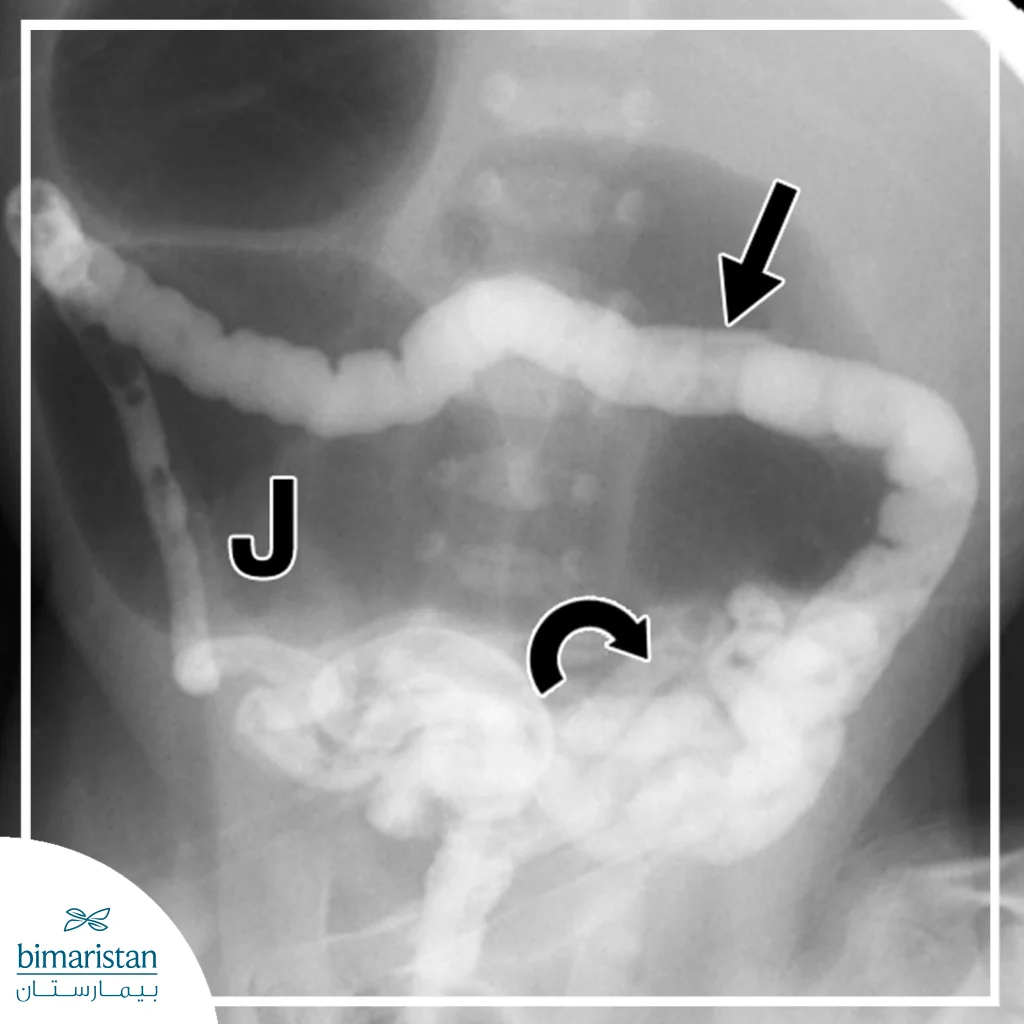
Causes of Neonatal Intestinal Obstruction
The causes of neonatal intestinal obstruction vary and are most commonly associated with congenital abnormalities affecting the formation or function of the intestines. Treatment depends on the location and severity of the obstruction as well as the infant’s overall condition. The most common causes of neonatal intestinal obstruction include:
- Intestinal atresia or stenosis: Occurs when part of the intestine is completely blocked or narrower than normal, preventing the normal passage of intestinal contents.
- Intestinal malrotation: Results from abnormal positioning of the intestines within the abdomen and may be associated with volvulus (twisting of the intestine), a surgical emergency requiring prompt intervention.
- Hirschsprung disease: Occurs due to the absence of nerve cells responsible for the movement of part of the colon, leading to difficulty passing stool and gas.
- Meconium ileus: The infant’s first stool (meconium) may block part of the intestine, particularly when it is abnormally thick or sticky.
- Incarcerated hernia: Occurs when a segment of the intestine becomes trapped within a hernia and cannot return to its normal position, potentially causing bowel obstruction and impaired blood supply.
- Obstruction caused by adhesions or volvulus: May occur when part of the intestine twists or is compressed by internal bands of tissue, preventing the normal passage of intestinal contents.
Symptoms of Neonatal Intestinal Obstruction
The symptoms of neonatal intestinal obstruction usually appear within the first hours or days after birth. Their severity depends on the location and degree of the obstruction. Obstructions closer to the beginning of the intestine typically cause symptoms earlier, whereas lower intestinal obstructions may present later. The most common symptoms of neonatal intestinal obstruction include:
- Recurrent vomiting: Vomiting may contain milk or appear green if it contains bile.
- Abdominal distension: The abdomen gradually becomes swollen due to the accumulation of gas and fluids within the intestines.
- Delayed passage of meconium: Failure to pass the first stool (meconium) is an important sign that may indicate intestinal obstruction.
- Poor feeding: The infant may refuse to feed or be unable to tolerate milk normally.
- Reduced or absent bowel movements: This occurs because intestinal contents are unable to pass through the bowel.
- Lethargy or deterioration of the general condition: This may occur in severe cases or when treatment is delayed.
How Is Neonatal Intestinal Obstruction Diagnosed?
The diagnosis of neonatal intestinal obstruction begins with a careful clinical assessment and physical examination. The physician evaluates when vomiting started, its color, the degree of abdominal distension, and whether the infant passed meconium within the first hours after birth. Feeding ability, overall condition, and signs of dehydration, lethargy, or abdominal tenderness are also assessed, as these findings help estimate the severity and likely location of the obstruction.
Following the physical examination, imaging studies are performed to confirm the diagnosis and identify the underlying cause. These may include abdominal X-rays, abdominal ultrasound, or contrast studies when indicated. Blood tests may also be requested to evaluate electrolyte levels, fluid balance, and the infant’s overall condition before treatment, particularly if vomiting is persistent or surgery is anticipated. This comprehensive assessment allows the pediatric surgeon to determine the most appropriate management plan, whether supportive treatment and observation or prompt surgical intervention.
When Does a Newborn Need Neonatal Intestinal Obstruction Surgery?
A newborn requires neonatal intestinal obstruction surgery when the obstruction is complete or when it is caused by a congenital abnormality that cannot be treated with medication or observation alone, such as intestinal atresia, intestinal volvulus, or certain cases of intestinal malrotation. In these situations, intestinal contents cannot pass normally, and delaying treatment may lead to worsening abdominal distension, persistent vomiting, fluid and electrolyte imbalances, and intestinal damage. Surgery is therefore necessary to remove the cause of the obstruction and preserve bowel function.
Surgery becomes even more urgent if warning signs develop, including recurrent green (bilious) vomiting, severe abdominal distension, deterioration of the infant’s overall condition, compromised blood supply to the intestines, or suspected bowel perforation or intra-abdominal infection. Although not every symptom automatically indicates the need for surgery, the combination of clinical findings and imaging results enables the pediatric surgeon to determine the optimal timing for intervention. Before surgery, the infant is stabilized with intravenous fluids and correction of electrolyte imbalances whenever possible.
How Is Neonatal Intestinal Obstruction Surgery Performed?
The surgical approach for neonatal intestinal obstruction depends on the underlying cause, the location of the obstruction, and the condition of the intestines at the time of surgery. However, the primary goal remains the same: to remove the obstruction preventing the passage of intestinal contents and restore normal digestive function as safely as possible. The pediatric surgeon develops the surgical plan after reviewing the imaging studies, diagnostic findings, and the infant’s overall condition.
Preparation Before Surgery
Before surgery, feeding is temporarily stopped to reduce pressure on the intestines and minimize the risk of vomiting and aspiration into the lungs. The infant receives intravenous fluids to replace losses caused by vomiting or the inability to feed. A nasogastric tube may also be inserted to remove accumulated fluids and gas from the digestive tract.
Preparation also includes correcting electrolyte and fluid imbalances, performing the necessary blood tests, and assessing cardiac and respiratory function when required. In some cases, antibiotics are administered before surgery, particularly if there is concern about infection or compromised blood supply to the intestines.
Surgical Procedure and Removal of the Obstruction
The operation is performed under general anesthesia. The surgeon accesses the intestines through an abdominal incision, although minimally invasive laparoscopic surgery may be used in selected cases if the infant’s condition allows. Once the intestines are exposed, the surgeon identifies the site and cause of the obstruction, such as intestinal atresia, volvulus, stenosis, or an abnormal bowel segment.
The specific procedure depends on the underlying cause. It may involve removing the obstructed or damaged segment of the intestine and reconnecting the healthy ends, correcting a volvulus, widening a narrowed segment, or creating a temporary stoma in complex cases. The goal is to preserve as much healthy intestine as possible while restoring safe and normal intestinal continuity.
Postoperative Care
After surgery, the infant is transferred to the neonatal intensive care unit (NICU) or a specialized pediatric recovery unit for close monitoring of breathing, heart rate, body temperature, and bowel function. In most cases, breastfeeding or oral feeding is not resumed immediately. Instead, the medical team waits for intestinal function to recover gradually while intravenous fluids or parenteral nutrition continue to provide nutritional support.
The surgical wound, drainage from the nasogastric tube, passage of gas or stool, and signs of infection, abdominal distension, or vomiting are closely monitored. Once bowel function improves, milk feedings are reintroduced in small amounts and gradually increased according to the infant’s tolerance and clinical progress.
Recovery After Neonatal Intestinal Obstruction Surgery
Recovery after neonatal intestinal obstruction surgery depends on the underlying cause of the obstruction, the type of operation performed, and the condition of the intestines before surgery. Most infants remain in the hospital for several days or longer so that healthcare providers can monitor vital signs, ensure the gradual return of bowel function, and confirm that feedings are tolerated without vomiting or significant abdominal distension.
Initially, the infant may receive intravenous fluids or parenteral nutrition until intestinal function resumes. Feedings are then restarted in small amounts and gradually increased based on the infant’s response. The medical team monitors the passage of gas and stool, wound healing, and the absence of infection or recurrent obstruction. After discharge, regular follow-up visits are important to assess growth, nutritional progress, and recovery while monitoring for concerning symptoms such as green (bilious) vomiting, abdominal distension, fever, or poor feeding.
In conclusion, neonatal intestinal obstruction surgery is a highly specialized procedure that requires prompt diagnosis and expertise in pediatric and neonatal surgery. Successful treatment depends not only on the operation itself but also on careful preoperative preparation and close postoperative monitoring. Early intervention helps protect the intestines, reduce the risk of complications, and improve the infant’s ability to feed and grow normally. Through collaboration with specialized multidisciplinary teams, Bimaristan Medical Center provides comprehensive evaluation for complex pediatric surgical conditions and helps families access the most appropriate treatment options through a clear and well-coordinated care pathway.
sources: