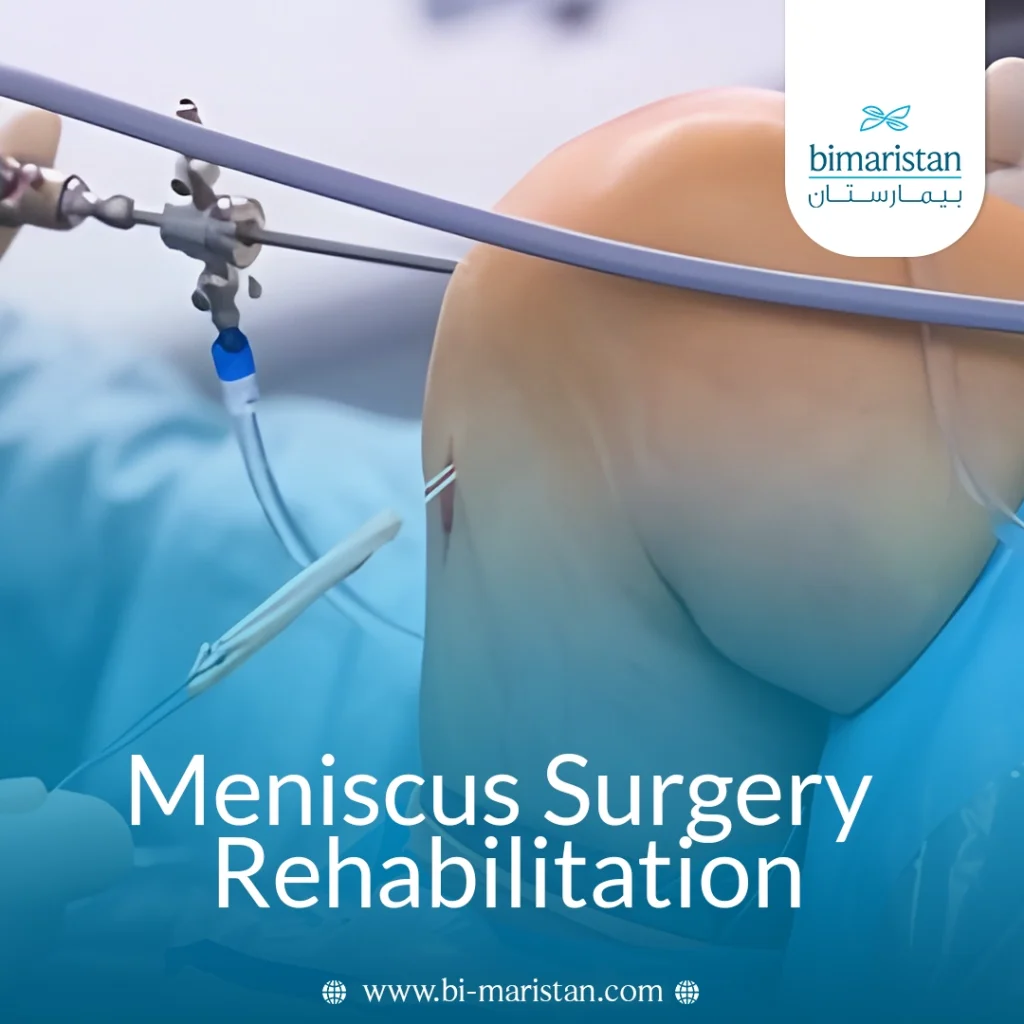
Meniscus surgery rehabilitation is a fundamental step to restore normal knee function and achieve joint stability after surgery. The rehabilitation program after meniscus surgery includes specific exercises designed to restore range of motion and strengthen the muscles surrounding the joint, which helps reduce pain and improves the patient’s ability to perform daily and sports activities safely. Adherence to this program also plays a key role in protecting the joint from future injuries, enhancing recovery speed, and ensuring long-term knee stability.
Meniscus surgery rehabilitation also helps patients regain confidence in their knee and improve overall quality of life. Focusing on progressive exercises, balance training, and flexibility is essential to protect the joint from knee stiffness or further cartilage damage. In addition, physiotherapist follow-up allows continuous assessment of patient progress and adjustment of the rehabilitation program according to individual needs. In this way, meniscus surgery rehabilitation is a vital component in achieving full recovery and restoring normal knee function.
What is the meniscus?
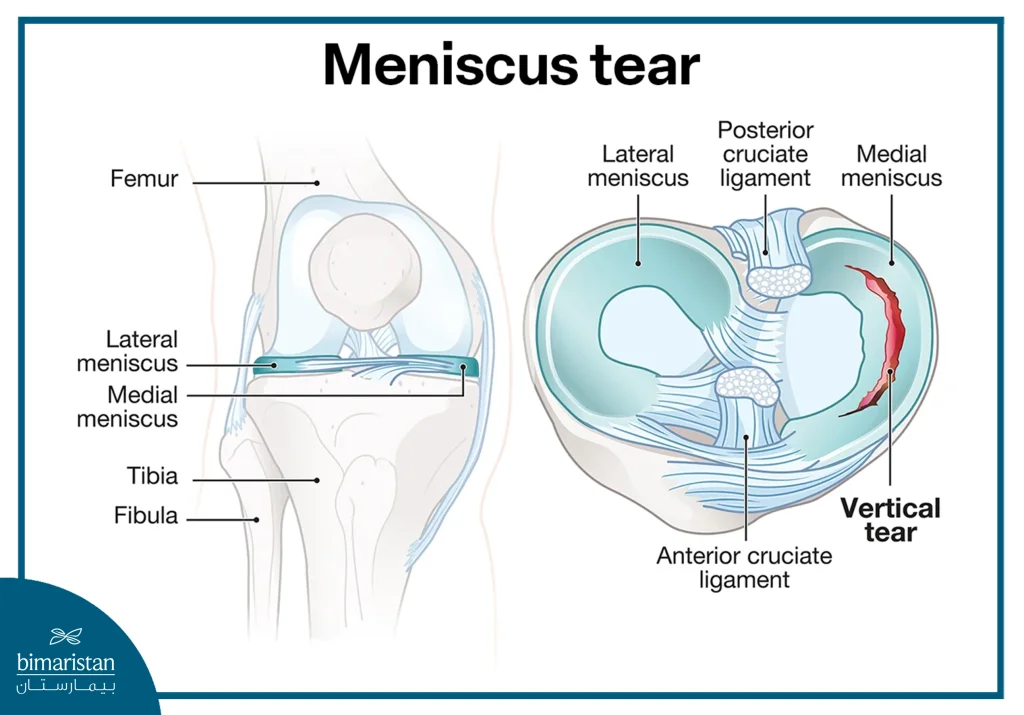
The meniscus is a crescent-shaped cartilage structure located inside the knee joint. It acts as a shock absorber between the femur and tibia, helping distribute body weight evenly across the joint and maintaining knee stability during movement. It also reduces bone-to-bone friction and prevents early joint degeneration.
Meniscus injuries are common among athletes or as a result of trauma, and they may also occur with aging due to natural wear and tear. Symptoms of a meniscus tear include severe pain, swelling, difficulty bending the knee, and a sensation of locking or grinding during movement. This makes meniscus surgery rehabilitation essential for restoring normal knee function and significantly improving the patient’s quality of life.
Causes of meniscus injury
Meniscus injuries occur due to several factors that affect the knee joint and increase the risk of cartilage tears. The most common causes include:
- Sudden movements or twisting injuries: Knee rotation during sports can lead to a meniscus tear.
- Sports injuries: Football, basketball, and skiing are among the most common sports associated with meniscus damage.
- Direct trauma: Falls or direct impact on the knee can damage the cartilage.
- Aging: Natural cartilage degeneration over time increases the risk of tears.
- Overweight or obesity: Excess pressure on the knee joint raises the likelihood of meniscus injury.
- Heavy physical work: Repeated lifting, squatting, or strenuous labor places continuous stress on the knee, leading to cartilage damage.
Why is meniscus surgery rehabilitation necessary?
Meniscus surgery rehabilitation is essential because it helps restore normal knee movement and strengthens the muscles surrounding the joint, reducing the risk of stiffness or weakness. Following a structured rehabilitation program improves joint stability, decreases pain, and enables patients to safely return to daily and sports activities with confidence. It also enhances flexibility and balance while preventing re-injury or further cartilage damage, thereby improving long-term surgical outcomes.
After meniscus surgery—whether partial meniscus removal or repair of a tear—adhering to a rehabilitation program is crucial for proper healing. The program helps restore natural movement, strengthen surrounding muscles, improve balance and flexibility, and reduce pain. It also prevents joint stiffness and muscle weakness, ensuring better surgical success and long-term stability of results.
Stages of meniscus surgery rehabilitation
After meniscus surgery, following a structured rehabilitation program is essential to restore normal knee function and strengthen the surrounding muscles. These progressive stages help improve range of motion, joint stability, and pain control, allowing patients to safely return to daily and sports activities. The main stages include:
Pain control and restoring movement
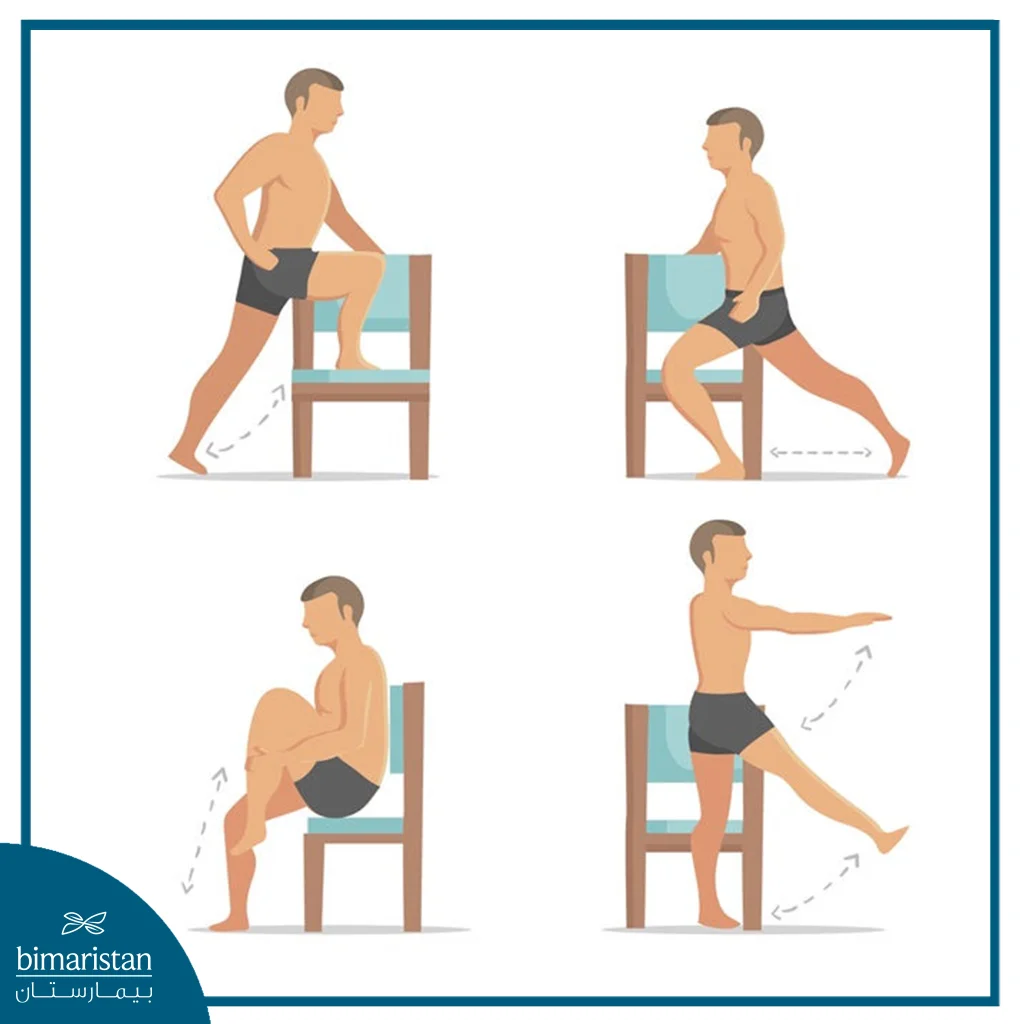
This stage focuses on reducing pain and swelling after surgery while gently mobilizing the knee to restore basic range of motion. Patients perform simple exercises under the physiotherapist’s supervision and may use supportive devices, such as a brace or crutches, when needed. The goal is to prevent knee stiffness, promote safe healing without joint overload, improve blood circulation, and accelerate recovery.
Muscle strengthening and balance improvement
In this phase, the focus shifts to strengthening the quadriceps, hamstrings, and surrounding muscles to improve knee stability and support joint function. Exercises include resistance training and balance work using tools such as therapy balls or physiotherapy equipment. This stage enhances knee endurance during daily activities, significantly reduces the risk of reinjury, and ensures gradual and safe muscle strengthening.
Gradual return to activities and sports
This final stage involves advanced exercises that prepare the patient for a safe return to sports and daily life. It includes light jogging, jumping, and dynamic movement training to improve neuromuscular coordination. Close supervision by a physiotherapist ensures the knee is not overloaded. The goal is to fully restore strength, flexibility, and balance while minimizing the risk of recurrent injury or meniscus damage, allowing safe and stable knee function for all activities.
Complications of not following meniscus surgery rehabilitation
Failing to follow a structured meniscus surgery rehabilitation program can lead to long-term problems that affect knee strength and normal function. It also increases the risk of future injuries and delays recovery. Consistently performing the prescribed exercises is essential for maintaining joint stability and safely restoring normal movement. The most common complications include:
- Weakness of the muscles surrounding the knee: Reduces joint support and increases the risk of injury.
- Joint stiffness: Causes difficulty bending or moving the knee normally.
- Damage to the remaining meniscus: Inadequate knee strengthening may contribute to further cartilage deterioration.
- Chronic pain: Persistent pain during movement or everyday activities.
- Poor balance and stability: Increases the risk of falls and unexpected injuries.
- Delayed return to sports: The knee may not regain sufficient strength for exercise or athletic activities.
Benefits of meniscus surgery rehabilitation in Turkey
Turkey has become a leading destination for meniscus surgery rehabilitation thanks to its advanced hospitals and highly specialized medical teams. Rehabilitation programs in Turkey provide a modern, supportive environment that helps patients efficiently restore knee strength and function. Key advantages include:
- Specialized rehabilitation centers: Comprehensive care provided by experienced physiotherapists and knee specialists.
- Modern equipment and advanced techniques: State-of-the-art physiotherapy technologies that improve rehabilitation outcomes and reduce pain.
- Experienced medical teams: Rehabilitation programs tailored to each patient’s specific condition.
- Close patient monitoring: Continuous follow-up to ensure steady progress throughout recovery.
- Competitive costs: High-quality treatment at a lower cost than many European countries.
The Bemaristan Center offers comprehensive meniscus surgery rehabilitation programs with personalized treatment plans designed to achieve the best possible recovery and restore full knee function.
Meniscus surgery rehabilitation is a crucial part of recovery, helping restore normal knee function and ensuring long-term joint stability. Following a structured rehabilitation program and strengthening the muscles surrounding the knee reduce pain, prevent stiffness, and allow patients to safely return to daily activities and sports. In contrast, neglecting rehabilitation can lead to knee weakness, further cartilage damage, and delayed recovery, ultimately affecting overall quality of life.
Turkey provides an ideal environment for meniscus surgery rehabilitation, with advanced hospitals, experienced healthcare professionals, and comprehensive patient follow-up throughout every stage of recovery. The Bemaristan Center offers individualized rehabilitation programs focused on restoring knee strength, mobility, and function, helping patients achieve the best possible long-term outcomes.
sources:
- Cong, T., Reddy, R. P., Hall, A. J., Ernazarov, A., & Gladstone, J. (2024). Current practices for rehabilitation after meniscus repair: A survey of members of the American Orthopaedic Society for Sports Medicine. Orthopaedic Journal of Sports Medicine, 12(2), Article 23259671231226134.
- National Library of Medicine. (2025, June 4). Meniscus tears – aftercare. MedlinePlus.