
In a world witnessing rapid advancements in dental technology, dental implants have become the most effective solution for replacing missing teeth and restoring the oral cavity’s aesthetic and functional capabilities. Among the systems that have gained increasing recognition in recent years, German DXL dental implants stand out as an option that combines European quality, advanced technology, and reliable long-term results.
In Turkey, which has become one of the world’s leading destinations for dental treatment, patients can benefit from this modern technology in a state-of-the-art treatment environment that combines medical expertise with affordable pricing. In this article, we’ll explore the advantages of German DXL dental implants and why they are preferred by many dentists and patients worldwide.
What are German DXL dental implants?
DXL dental implants are an advanced dental implant system designed and manufactured according to strict German standards to provide a permanent and safe solution for replacing missing teeth. These implants are made of high-purity medical-grade titanium, known for its strength, corrosion resistance, and biocompatibility with oral tissues and jawbone.
The implant is placed inside the jawbone to serve as a stable artificial root, and then an abutment and the final crown are attached to it to create a replacement tooth that mimics natural teeth in both form and function. DXL dental implants feature an advanced engineering design that helps achieve excellent initial stability and accelerates osseointegration, thereby contributing to higher success rates and shorter treatment times. They are also a suitable option for patients seeking long-term results, as they provide high stability and a natural appearance with high success rates when patients adhere to care protocols and regular follow-up appointments.
The Importance of Replacing Missing Teeth in a Timely Manner
Delaying the replacement of missing teeth can lead to various problems that affect oral and jaw health, such as the shifting of adjacent teeth from their natural positions, malocclusion, difficulty chewing, and, over time, loss of jawbone due to the absence of the tooth’s natural root. Therefore, it is recommended to consult a dentist as soon as possible after tooth loss to evaluate appropriate treatment options. German DXL dental implants provide an effective solution that helps preserve jawbone structure and restore natural tooth function, thereby improving oral health and quality of life in the long term.
Features of DXL Dental Implants
German DXL dental implants are distinguished by a range of features that have made them a preferred choice in many dental clinics and implant centers. Among the most notable of these features are:
- Effective osseointegration: The implant’s surface design promotes faster, more efficient integration with bone.
- Variety of Sizes and Designs: The company offers a wide range of options to suit various clinical situations and bone density levels.
- High German Quality: The implants are manufactured according to strict quality standards that ensure the highest levels of safety, durability, and reliability.
- Natural-looking results: Implants help support crowns and bridges, mimicking natural teeth in both form and function.
- Advanced design for initial stability: The implant’s engineering design helps ensure strong stability within the bone from the earliest stages of implantation.
- High-purity medical-grade titanium: Made from high-quality materials that offer excellent biocompatibility with oral tissues and reduce the likelihood of complications.
- Long lifespan: With proper care and regular follow-up, implants can last for many years while maintaining their effectiveness and stability.
The Difference Between DXL Dental Implants and Other Types of Dental Implants
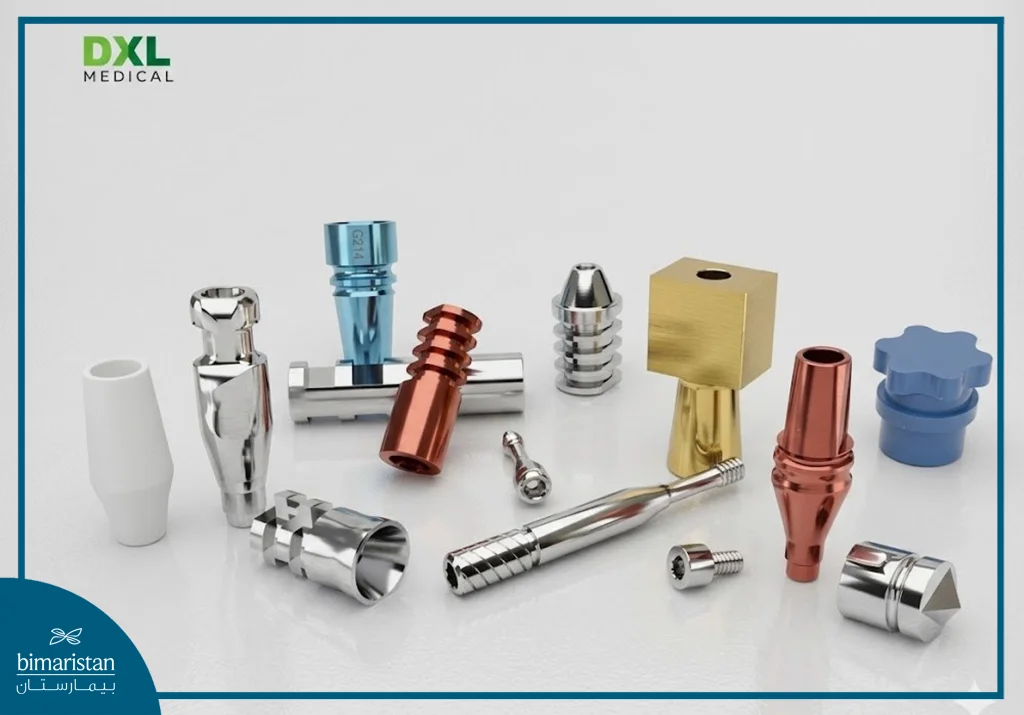
German DXL dental implants are distinguished by a range of features that give them a competitive advantage over many other implant systems. They rely on precision German manufacturing techniques that ensure a high degree of compatibility between the implant components and the bone, thereby enhancing stability and reducing the likelihood of microscopic movement or long-term complications. They also feature an advanced helical design that helps achieve high initial stability even with low bone density, making them suitable for a wide range of clinical situations.
DXL offers a wide range of diameters and lengths, allowing the dentist to choose the most appropriate solution for each case, whether involving anterior teeth with high aesthetic requirements or posterior teeth that need to withstand greater masticatory forces. In addition, the implants have a good clinical track record and high success rates when the correct treatment protocols are followed, making them a reliable option for patients seeking European quality at a more competitive price.
Steps for Dental Implant Surgery Using DXL Dental Implants
The dental implant procedure using German DXL implants involves several key stages to ensure treatment success. These stages include:
- Initial Examination and Diagnosis: The doctor performs a comprehensive examination of the mouth and teeth and assesses jawbone density using X-rays and 3D imaging.
- Digital Treatment Planning: The implant’s location and placement angle are precisely determined using modern digital technologies.
- Preparing the Implant Site: The implant site in the jawbone is prepared according to precise measurements corresponding to the size of the selected implant.
- DXL Implant Placement: The implant is anchored in the bone to serve as an artificial root that replaces the missing tooth.
- Osseointegration phase: The implant requires time to fully fuse with the jawbone to ensure long-term stability.
- Abutment Placement: Once osseointegration is complete, the abutment that connects the implant to the final crown is placed.
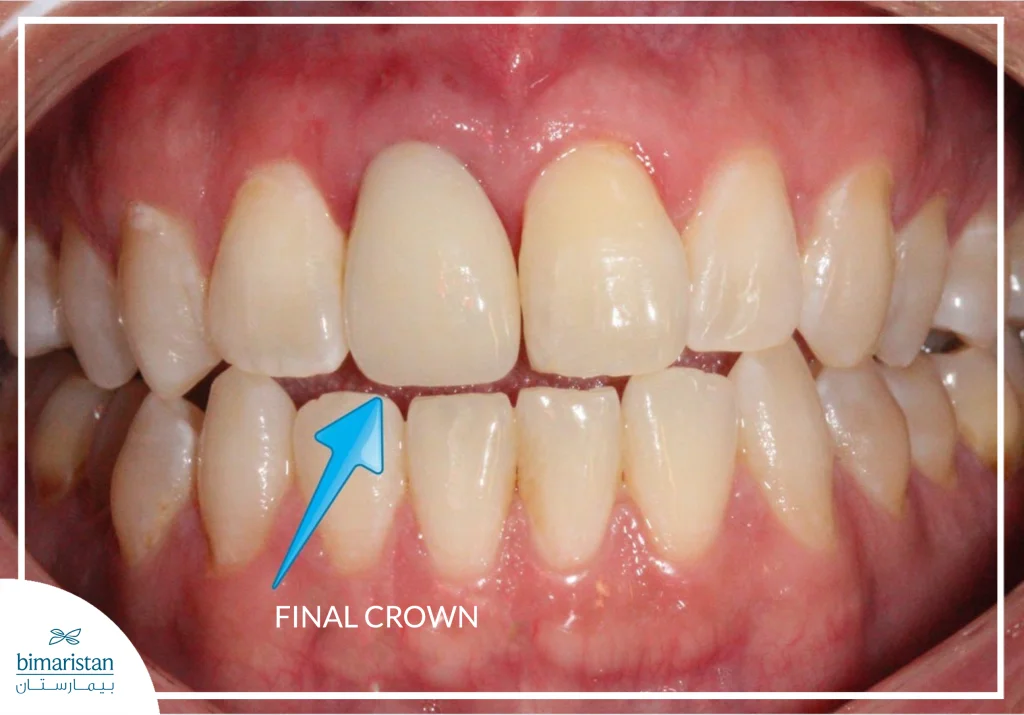
- Placement of the Final Crown: A custom-designed crown is placed to mimic natural teeth in shape, color, and function.
- Regular Follow-Up: The patient undergoes regular checkups to ensure the implant is intact and that the treatment continues to be successful.
Who are suitable candidates for DXL dental implants?
German DXL dental implants are suitable for many patients suffering from tooth loss. The most prominent groups of candidates for these implants include:
- Patients with good oral health
- People who have lost one or more teeth
- Cosmetic procedures that require high-quality, natural-looking results
- Patients seeking a long-term solution to replace missing teeth
- Some patients with stable diabetes who smoke, following a thorough assessment of their condition
- People who have sufficient jawbone mass or who can undergo bone grafting procedures if necessary.
How long do German DXL dental implants last?
DXL implants are known for their long lifespan and can last more than 15 to 20 years—or even longer—with proper care. Their lifespan depends on several factors, the most important of which are:
- Smoking: Smoking increases the risk of complications and negatively affects bone union.
- Regular Follow-ups: Regular checkups help detect any problems early, before they progress.
- The doctor’s experience and the precision of the planning play a key role in the success and longevity of the transplant.
- Jawbone quality: The higher the bone density, the greater the chances of implant success and long-term durability.
- Daily Oral Hygiene: Proper care of your teeth and gums reduces the risk of infection and helps keep your implant stable.
- General Health: Certain uncontrolled chronic conditions may affect the healing process and the transplant’s success.
Tips After DXL Implantation to Ensure the Best Results
To ensure the success of the crop for as long as possible, the following is recommended:
- Adherence to Medications Prescribed by a Doctor
- Report any unusual pain or swelling immediately
- Brush your teeth and clean your implants daily and regularly
- Eat soft foods during the first few days after surgery
- Using dental floss or special interdental brushes
- Avoid smoking as much as possible during and after your recovery
- See your doctor regularly to undergo the necessary tests
- Avoid applying direct pressure to the implant until osseointegration is complete
Cost of DXL Dental Implants
The cost of DXL dental implants varies by country depending on factors such as doctors’ fees, operating costs, and treatment-related services. The following table shows the average cost of DXL dental implants :
| The State | Average cost per farm (USD) | What’s Included in the Cost |
|---|---|---|
| Turkey | $450–$650 | Root + Stump + Crown |
| Germany | $2,000–$3,500 | Mostly implants and Stumps |
| Britain | $2,500–$4,500 | Root + Stump + Crown |
| France | $2,200–$4,000 | Root + Stump + Crown |
In conclusion, German DXL implants are a reliable option for replacing missing teeth, thanks to their high-quality, advanced design, and the long-term stability they provide patients. With significant advancements in Turkey’s dental sector, patients can now benefit from the latest dental implant technologies at specialized centers that combine medical expertise with competitive pricing. Choosing German DXL implants is not just about restoring dental function; it represents a genuine investment in oral health, quality of life, and a natural-looking smile that will last for many years.
Sources: